Staying ahead of household issues is the best way to protect your investment and keep your living space safe, comfortable, and efficient. A proactive home maintenance checklist empowers homeowners to address minor concerns before they become costly repairs, ensuring your property remains in top condition year-round. By following a structured approach, you can minimize unexpected breakdowns, preserve your home’s value, and enjoy greater confidence in your daily environment.
In this guide, you’ll find a comprehensive breakdown of essential tasks, smart technology recommendations, and practical tips for maintaining every part of your home. Whether you’re a seasoned homeowner or just settling into your first property, these strategies will help you stay organized and prepared.
For those interested in integrating technology into their routine, consider exploring home maintenance automation tools that can simplify upkeep and provide timely reminders for critical tasks.
Why a Preventive Home Care Plan Matters
Many homeowners wait until something goes wrong before taking action. However, a proactive home maintenance checklist helps you avoid emergencies, reduce stress, and save money over time. Regular inspections and timely repairs can:
- Extend the lifespan of major systems and appliances
- Improve energy efficiency and lower utility bills
- Enhance your family’s safety and comfort
- Boost resale value and curb appeal
By investing a little time each month, you can prevent small issues from escalating and ensure your home remains a secure haven.
Essential Tasks for Every Season
Breaking down maintenance by season makes the process manageable and ensures nothing gets overlooked. Here’s how to keep your property in peak condition throughout the year:
Spring: Refresh and Inspect
- Check the roof for missing or damaged shingles
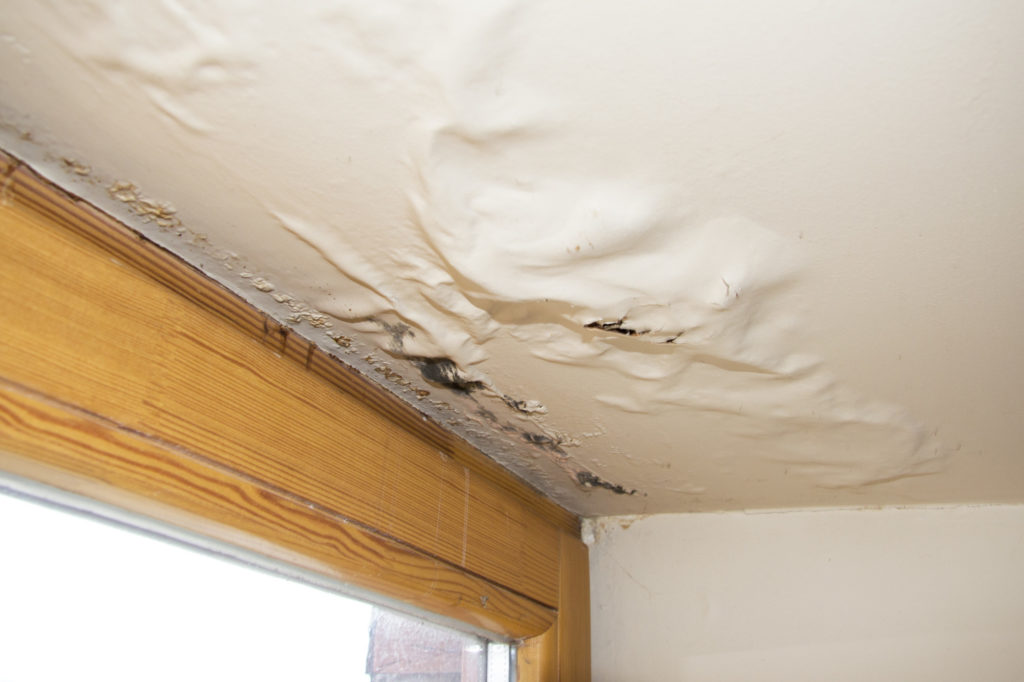
- Clean gutters and downspouts to prevent water damage
- Inspect exterior paint and siding for wear
- Test outdoor faucets and irrigation systems
- Service HVAC systems before summer heat arrives
- Look for signs of pests or rodents
Summer: Safety and Efficiency
- Trim trees and shrubs away from the house
- Inspect windows and doors for leaks or drafts
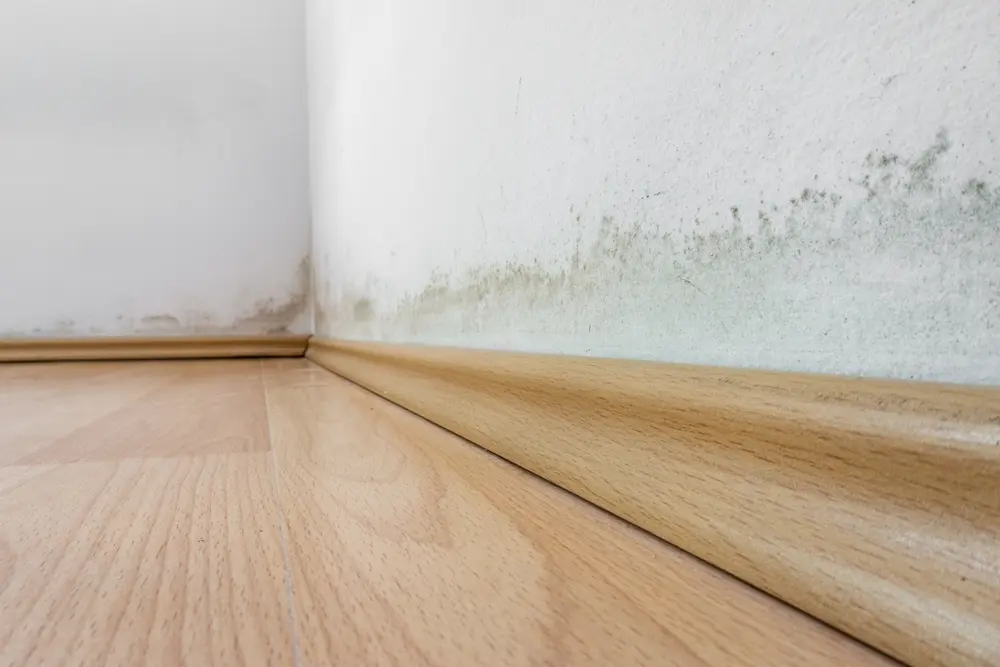
- Check attic and basement for moisture or mold
- Clean and seal decks, patios, and walkways
- Test smoke and carbon monoxide detectors
Fall: Prepare for Cooler Weather
- Clean and inspect the chimney and fireplace
- Flush water heater to remove sediment buildup
- Seal gaps around windows and doors
- Check insulation in attic and crawl spaces
- Service heating system before winter
- Drain and store garden hoses
Winter: Protect and Monitor
- Monitor for ice dams and remove snow from roof edges
- Keep walkways clear of ice and snow
- Test sump pump and backup systems
- Check for frozen pipes in unheated areas
- Inspect holiday lights and decorations for safety
Smart Home Security and Automation
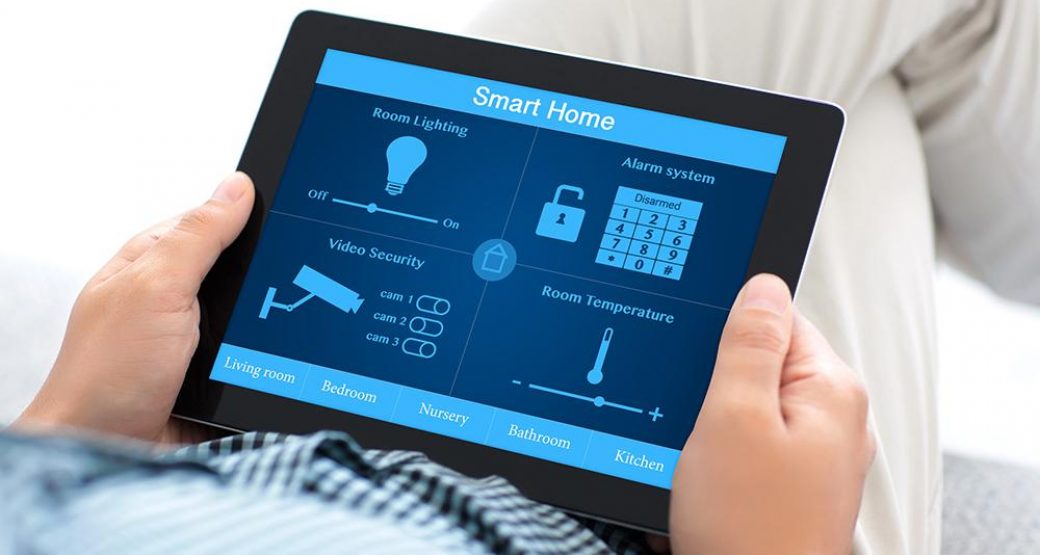
Modern technology can make home maintenance easier and more effective. Devices like smart alarms, energy monitors, and automated sensors provide real-time alerts and data, helping you stay ahead of potential problems. For a deeper dive into the latest innovations, see our article on next-generation home security systems.
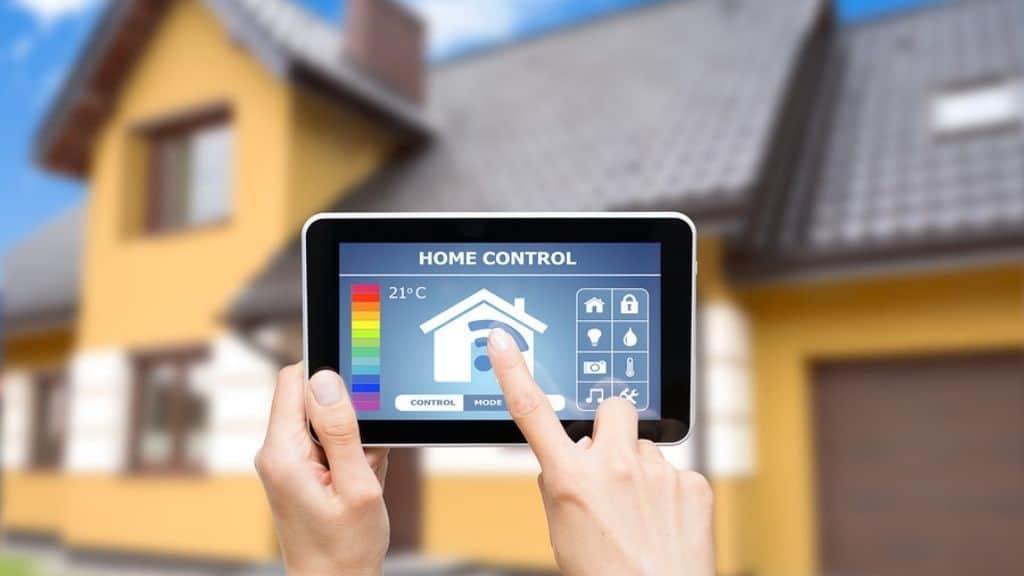
Integrating smart devices into your preventive home maintenance checklist can:
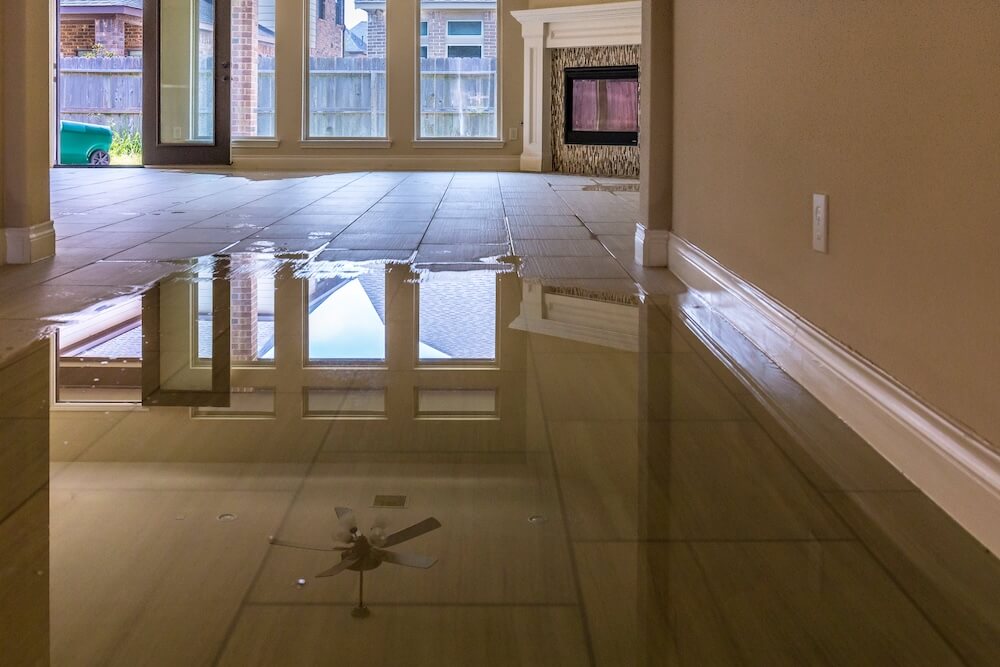
- Alert you to water leaks or unusual temperature changes
- Monitor energy usage for cost savings
- Automate lighting and security routines
- Provide remote access and control from your smartphone
For first-time homeowners, this comprehensive home security guide offers valuable insights on building a secure foundation for your property.
Room-by-Room Maintenance Breakdown
Addressing each area of your home individually ensures thorough coverage. Here’s a quick overview of key tasks by room:
| Area | Key Tasks |
|---|---|
| Kitchen | Clean refrigerator coils, check for leaks under sink, test GFCI outlets, inspect appliances for wear |
| Bathrooms | Check caulking and grout, inspect for leaks, clean exhaust fans, test water pressure |
| Bedrooms | Test smoke alarms, inspect windows, rotate mattresses, check for signs of pests |
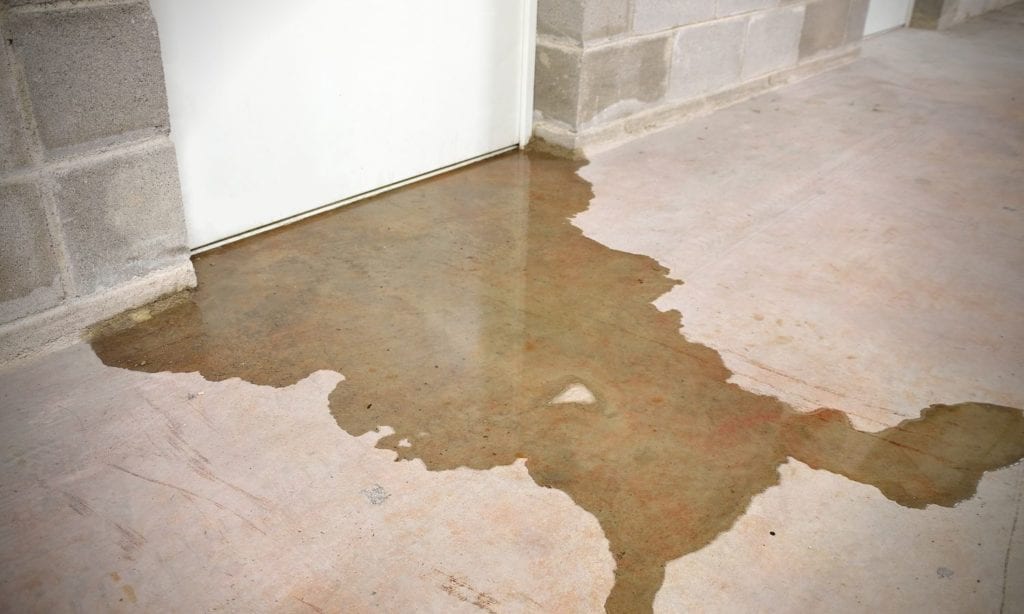
| Garage | Lubricate door tracks, check for water intrusion, organize tools, inspect electrical outlets |
| Exterior | Inspect siding, clean gutters, check foundation for cracks, maintain landscaping |
Energy and Utility Monitoring
Tracking your home’s energy and water usage is a crucial part of any proactive home maintenance checklist. Smart energy monitors and leak detectors can help you identify inefficiencies and prevent costly damage. Regularly review your utility bills for unexpected spikes, which may signal hidden issues.

For those seeking more advanced solutions, our overview of smart homeowner solutions highlights tech upgrades that can make monitoring and maintenance even easier.
Health, Hygiene, and Air Quality
Maintaining a clean and healthy home environment is just as important as structural upkeep. Regularly replace HVAC filters, clean vents, and consider installing air purifiers to reduce allergens. Pay attention to humidity levels to prevent mold growth, and use smart sensors to monitor indoor air quality. For more on keeping your living space germ-free, see our guide to home hygiene protection systems.
Staying Organized With Digital Tools
Managing all these tasks can feel overwhelming, but digital tools and apps can help you stay on track. Many platforms allow you to schedule reminders, track completed tasks, and store important documents like warranties and service records. Automating your preventive home care checklist ensures nothing slips through the cracks and gives you more time to enjoy your home.
Frequently Asked Questions
How often should I review my home maintenance checklist?
It’s best to review your maintenance plan at the start of each season. Monthly check-ins for high-priority items—like HVAC filters, smoke alarms, and visible leaks—can help catch problems early.
What are the most important areas to focus on for home safety?
Pay special attention to fire prevention (smoke and CO detectors), water intrusion (roof, gutters, plumbing), and security systems. Regularly test alarms and inspect entry points to keep your household safe.
Can smart home technology really make maintenance easier?
Yes, smart devices can automate routine checks, provide instant alerts for issues like leaks or break-ins, and help you monitor energy usage. They add convenience and peace of mind, especially for busy homeowners.
Conclusion
Taking a proactive approach to home care is the key to long-term comfort, safety, and savings. By following a structured maintenance plan, leveraging modern technology, and staying organized, you can prevent costly surprises and enjoy true peace of mind. Make your checklist a regular habit, and your home will reward you with years of reliable service and security.