
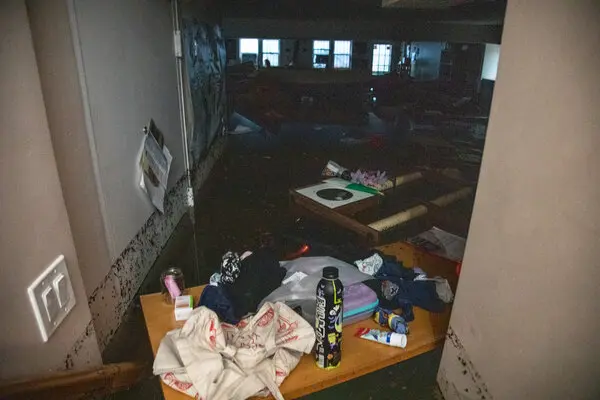
Sewer backups are a serious concern for homeowners and property managers. They can lead to costly repairs, health hazards, and significant disruption to daily life. Understanding the most frequent sewer backup causes is the first step in preventing these unpleasant events. This article explores the main reasons behind sewer system failures, practical steps to reduce your risk, and what to do if you experience a backup.
Whether you live in an older home with aging pipes or a newer property in a flood-prone area, knowing how to protect your plumbing can save you time, money, and stress. We’ll also highlight some useful resources and tools, including water leak detectors, that can help you stay ahead of potential problems.
For those interested in kitchen tools, you might also find our guide on how to press tortillas for gorditas de azucar helpful.
Understanding the Main Reasons for Sewer Backups
There are several factors that can lead to a sewer system failure. Some are related to the condition of your plumbing, while others are environmental or behavioral. Recognizing these issues early can help you take preventive action.
Tree Roots Intruding Into Sewer Lines
One of the most common sewer backup causes is the invasion of tree roots into underground pipes. As trees grow, their roots naturally seek out moisture, and sewer lines are a prime target. Over time, roots can penetrate small cracks or joints in the pipes, causing blockages or even pipe collapse.
- Older clay or cast iron pipes are especially vulnerable.
- Root intrusion often leads to slow drains, gurgling noises, or recurring clogs.
- Professional root removal and pipe lining can help prevent future problems.
Clogs From Improper Disposal
Everyday habits can contribute to sewer blockages. Flushing items that don’t break down easily or pouring grease down the drain are frequent mistakes that can lead to backups.
- Avoid flushing wipes, feminine hygiene products, diapers, or paper towels.
- Never pour cooking grease or oil down the sink; it solidifies and blocks pipes.
- Install drain screens to catch hair and debris in showers and sinks.
Heavy Rainfall and Flooding
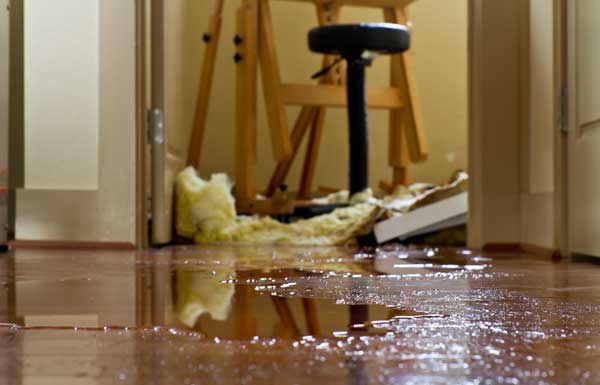
Extreme weather events can overwhelm municipal sewer systems, especially in areas with combined storm and sanitary sewers. When the system can’t handle the volume of water, it may back up into homes through floor drains, toilets, or sinks.
- Basements are particularly at risk during storms or rapid snowmelt.
- Installing a backwater valve can help prevent water from flowing back into your home.
- Keep gutters and downspouts clear and direct them away from your foundation.
For more tips on protecting your property from flooding, see this mitigation guide for homeowners.
Collapsed or Broken Sewer Pipes
Aging infrastructure is a significant contributor to sewer backup causes. Pipes made from clay, cast iron, or Orangeburg (bituminized fiber) are prone to deterioration over time. Shifting soil, ground movement, or heavy construction nearby can also cause pipes to collapse or break.
- Signs of a broken pipe include persistent backups, foul odors, and soggy patches in your yard.
- Video inspections can identify the exact location and extent of damage.
- Pipe replacement or trenchless repair methods can restore proper flow.
How to Prevent Sewer Backups at Home
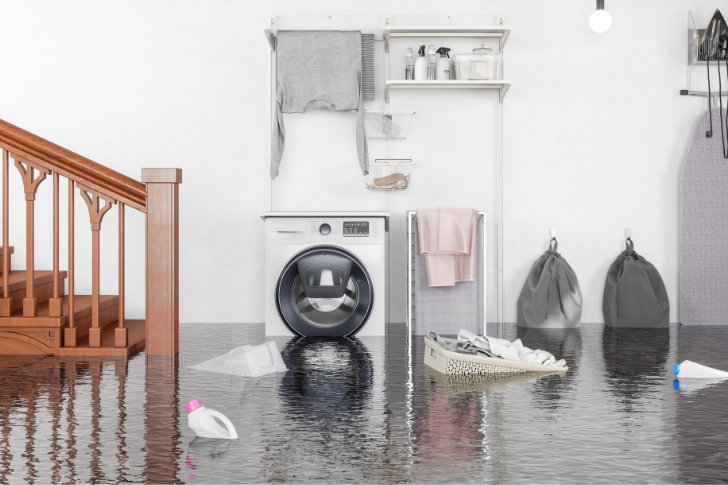
While some issues are beyond your control, many sewer backup causes can be minimized with regular maintenance and smart habits. Here are practical steps you can take to reduce your risk:
- Schedule routine inspections: Have a licensed plumber inspect your sewer lines every few years, especially if your home is older or you have large trees nearby.
- Be mindful of what goes down the drain: Only flush toilet paper and human waste. Dispose of grease, oils, and food scraps in the trash, not the sink.
- Install a backwater valve: This device prevents sewage from flowing back into your home during heavy rain or municipal backups.
- Maintain landscaping: Plant trees and shrubs away from sewer lines to reduce the risk of root intrusion.
- Use water leak detectors: Devices placed near potential trouble spots can alert you to leaks or flooding early, helping you act before major damage occurs.
What to Do If You Experience a Sewer Backup
If you notice signs of a backup—such as multiple slow drains, water coming up from the basement floor, or a strong sewage odor—take immediate action:
- Stop using water in your home to prevent further backup.
- Contact a licensed plumber or your local utility for emergency assistance.
- Keep children and pets away from contaminated areas.
- Document the damage for insurance purposes.
- Wear protective gear if you must enter affected areas, and avoid direct contact with sewage.
Quick response can help limit property damage and reduce health risks associated with exposure to sewage.
FAQ About Sewer Backups
What are the first signs of a sewer backup?
Early indicators include slow-draining sinks or tubs, gurgling sounds from drains, foul odors, and water backing up in lower-level fixtures. If you notice these symptoms in multiple locations, it may signal a blockage in the main sewer line.
How often should I have my sewer lines inspected?
For most homes, a professional inspection every 2–3 years is recommended. If your property is older or you have experienced backups before, annual inspections may be beneficial.
Is sewer backup covered by homeowners insurance?
Standard homeowners insurance policies typically do not cover damage from sewer backups. However, many insurers offer optional riders or endorsements for this type of coverage. Check your policy and consider adding protection if you live in a high-risk area.
Conclusion
By understanding the leading sewer backup causes and taking proactive steps, you can greatly reduce your risk of costly and disruptive plumbing emergencies. Regular maintenance, smart disposal habits, and the use of helpful devices like water leak detectors all contribute to a safer, more resilient home. Stay informed and act quickly at the first sign of trouble to protect your property and your health.




