Keeping your home secure has never been more convenient, thanks to smart doorbell security systems. These innovative devices let you see, hear, and speak to visitors at your doorstep from virtually anywhere, using your smartphone or tablet. Whether you’re at work, traveling, or simply relaxing in another room, you can monitor your front door in real time, receive instant alerts, and even deter potential intruders with two-way audio features.
As connected living becomes the norm, more homeowners are upgrading to intelligent security solutions. If you’re curious about how these systems work, what features to look for, and how they fit into a modern smart home, this guide will walk you through the essentials. For those interested in exploring broader advancements, check out our detailed overview of next-generation home security systems to see how today’s technology is shaping safer living environments.
How Video Doorbells Work for Modern Home Security
At the core, a video doorbell combines a high-definition camera, motion sensors, microphone, and speaker into a compact device that replaces or augments your traditional doorbell. When someone approaches your door or presses the button, the system sends a notification to your phone. You can then view a live video feed, talk to the visitor, or review recorded footage if you missed the alert.
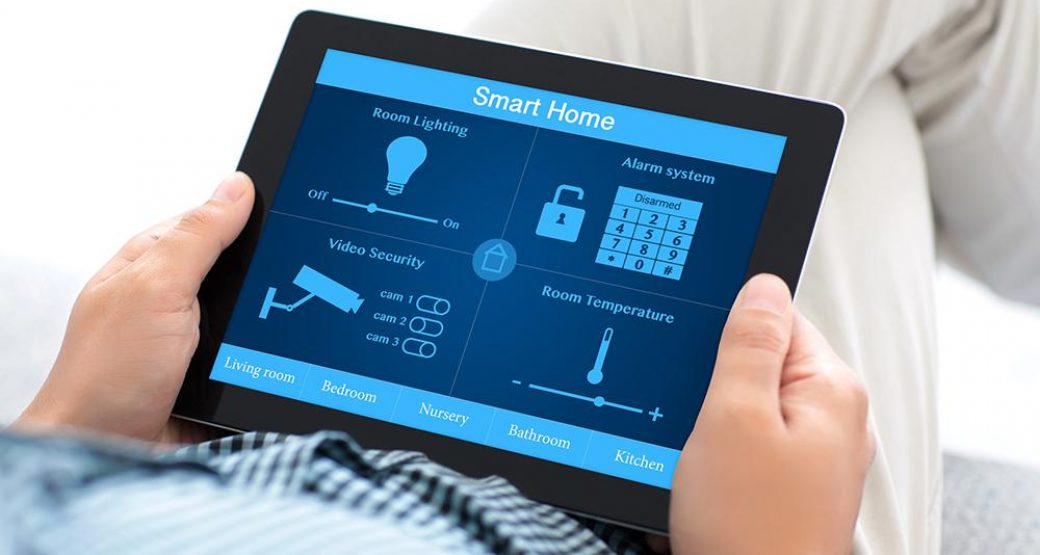
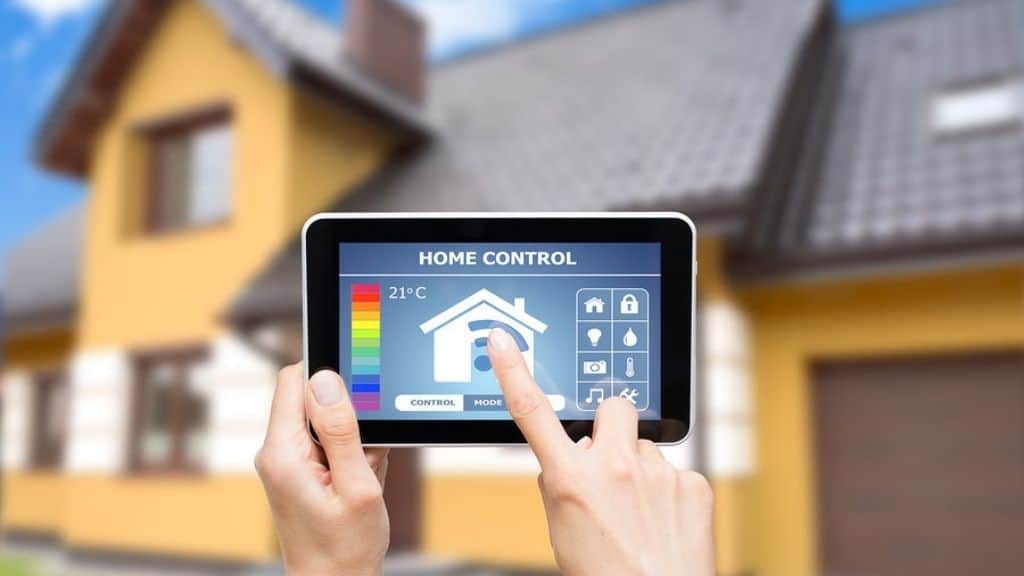
Most smart doorbell security systems connect to your home Wi-Fi network, enabling remote access and cloud storage. Some models offer local storage options for added privacy. Integration with other smart home devices—such as lights, locks, and alarms—can further enhance your security setup, allowing for automated routines and seamless control.
Key Features to Look for in Smart Doorbell Security Systems
Choosing the right system means understanding which features matter most for your household. Here are some essential capabilities to consider:
- High-Resolution Video: Look for at least 1080p HD video quality to clearly identify faces and details.
- Wide Field of View: A broader angle ensures you can see packages, visitors, and activity at the edges of your porch.
- Night Vision: Infrared or color night vision lets you monitor your entryway even in low-light conditions.
- Motion Detection: Customizable zones and sensitivity help minimize false alerts from passing cars or animals.
- Two-Way Audio: Speak with visitors or delivery personnel directly through the doorbell’s built-in microphone and speaker.
- Cloud and Local Storage: Access recorded clips from anywhere, or opt for local storage for added privacy and control.
- Smart Home Integration: Compatibility with platforms like Alexa, Google Assistant, or Apple HomeKit allows for voice control and automation.
Some advanced models also offer package detection, facial recognition, and integration with professional monitoring services. These features can make a significant difference in both convenience and peace of mind.
Benefits of Installing a Connected Doorbell Camera
Adding a smart video doorbell to your home offers several practical advantages beyond simply seeing who’s at the door. Here’s how these devices can elevate your home’s security and convenience:
- Remote Monitoring: Check your front porch from anywhere in the world, giving you peace of mind while traveling or at work.
- Package Protection: Receive alerts when deliveries arrive and keep an eye on your packages until you bring them inside.
- Deterrence: The presence of a visible camera can discourage would-be intruders or porch pirates.
- Evidence Collection: Recorded video clips can be shared with law enforcement in case of suspicious activity or incidents.
- Visitor Management: Communicate with guests, service providers, or delivery drivers without opening the door.
For those seeking a comprehensive approach, integrating your doorbell with smart homeowner solutions can further streamline daily routines and bolster your home’s defenses.
Integrating Doorbell Cameras with Broader Security Systems
Many homeowners choose to connect their video doorbells with other smart devices for a more unified security experience. For example, you can set up routines where your porch lights turn on automatically when motion is detected, or your smart lock disengages when you recognize a trusted visitor. Some systems also integrate with alarms, sensors, and even energy monitoring tools for a holistic approach to home management.
To learn more about how these technologies are evolving, you might find our article on the future of home protection technology insightful. Staying informed about the latest advancements ensures you’re making the best choices for your household’s safety and comfort.
Privacy and Security Considerations
While the convenience of remote access is a major draw, it’s important to consider privacy and data protection. Choose reputable brands that offer strong encryption, regular firmware updates, and transparent privacy policies. Enable two-factor authentication on your accounts, and review your device’s sharing and storage settings to control who can access your video feeds.
Some homeowners prefer local storage options to minimize reliance on cloud services. Others opt for cloud storage for easy access and backup. Evaluate your comfort level and needs before making a decision, and always keep your system’s software up to date to guard against vulnerabilities.
Installation Tips and Best Practices
Most smart doorbell security systems are designed for straightforward installation, whether you’re replacing an existing wired doorbell or opting for a battery-powered model. Here are a few tips to ensure optimal performance:
- Mount the device at chest height for the best field of view.
- Ensure your Wi-Fi signal is strong at the installation point; consider a Wi-Fi extender if needed.
- Adjust motion detection zones to minimize false alerts from passing traffic or pets.
- Test the two-way audio and video feed before finalizing installation.
- Regularly clean the camera lens for clear images day and night.
If you’re integrating with other smart devices, follow manufacturer instructions for pairing and automation. For more comprehensive home upgrades, see our guide to home maintenance automation tools for effortless upkeep.
Comparing Popular Smart Doorbell Brands
The market offers a range of options, from well-known brands like Ring, Nest, and Arlo to emerging players with unique features. When comparing models, consider the following:
- Compatibility: Ensure the device works with your preferred smart home ecosystem.
- Subscription Costs: Some features, like cloud storage or advanced motion detection, may require a monthly fee.
- Customer Support: Choose brands with reliable customer service and clear documentation.
- Installation Requirements: Check if you need existing doorbell wiring or if a battery-powered model is more suitable.
For first-time buyers, it’s helpful to review comprehensive resources like this ultimate guide to home security for first-time homeowners to make an informed decision.
FAQ
Do smart doorbell cameras work without Wi-Fi?
Most smart doorbell security systems require a Wi-Fi connection for remote access, notifications, and video streaming. Some models offer limited local recording without Wi-Fi, but the full range of features typically depends on a stable internet connection.
Can I use a video doorbell in an apartment or rental?
Yes, many battery-powered or adhesive-mounted models are designed for renters and apartment dwellers. These devices can be installed without drilling or wiring, making them easy to remove when you move out.
Are smart doorbell cameras secure from hacking?
Leading brands use encryption and security protocols to protect your data, but it’s essential to use strong passwords, enable two-factor authentication, and keep your device’s firmware updated. Regularly review your privacy settings and only share access with trusted individuals.
How do I reduce false motion alerts?
Most devices allow you to customize motion zones and sensitivity levels. Adjust these settings to focus on your porch or entryway and avoid areas with frequent movement, such as sidewalks or busy streets.
Conclusion
Upgrading to a smart video doorbell is a practical step toward a safer, more connected home. With features like remote monitoring, two-way communication, and integration with other smart devices, these systems offer convenience and peace of mind. As technology continues to advance, staying informed about the latest options and best practices will help you make the most of your investment in home security.