
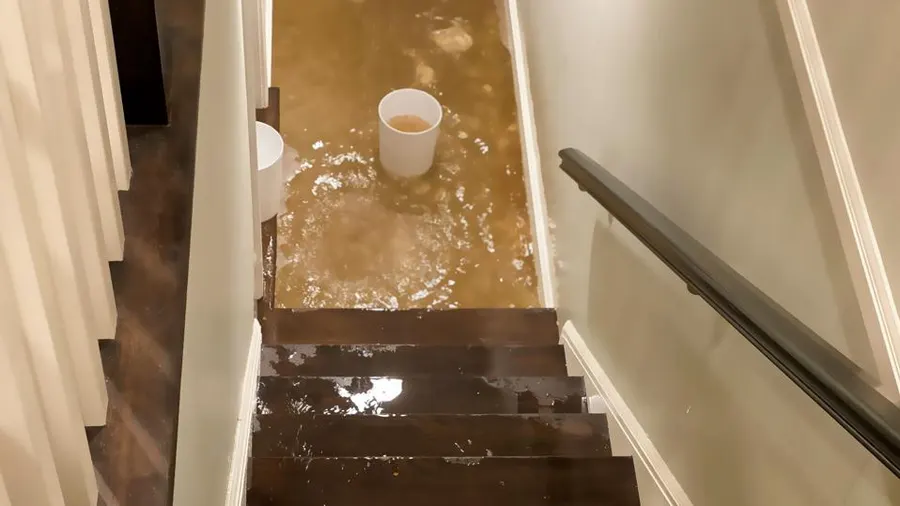
Flooding is a growing concern for homeowners, especially as climate patterns shift and extreme weather events become more common. Water damage can be devastating, both financially and emotionally, but there are effective ways to protect your property using sustainable flood prevention solutions. These methods not only safeguard your home but also support environmental health by reducing runoff, conserving resources, and promoting resilience.
Whether you live in a flood-prone area or simply want to future-proof your home, understanding eco-friendly approaches can make a significant difference. This guide covers practical strategies, from landscaping and drainage upgrades to smart technology and home maintenance tips, all designed to help you minimize flood risks in a responsible way.
For those interested in other practical home guides, you might also find value in our article on how to store a cast iron press long term, which covers rust protection and long-term storage tips.
Why Eco-Friendly Flood Protection Matters
Traditional flood barriers and quick fixes often rely on materials or methods that can harm the environment or require frequent replacement. In contrast, sustainable flood prevention solutions focus on long-term resilience, using natural processes and durable materials. These approaches help reduce the impact of heavy rainfall, manage stormwater responsibly, and protect local ecosystems.
- Reduces runoff: Green infrastructure absorbs and slows water, lessening pressure on municipal systems.
- Promotes biodiversity: Native plants and permeable surfaces support wildlife and healthy soil.
- Minimizes waste: Durable, reusable materials lower the need for frequent replacements.
Landscaping for Flood Resilience
One of the most effective ways to manage water around your property is through thoughtful landscaping. By reshaping your yard and choosing the right plants, you can direct water away from your home and reduce the risk of flooding.
Rain Gardens and Bioswales
Rain gardens are shallow, planted depressions that capture and absorb runoff from roofs, driveways, and patios. Bioswales are similar but designed to handle larger volumes of water, often along property lines or at the edge of driveways. Both use deep-rooted native plants to filter water and promote infiltration.
- Choose plants native to your region for best results.
- Locate rain gardens at least 10 feet from your foundation.
- Layer soil with compost to improve absorption.
Permeable Surfaces
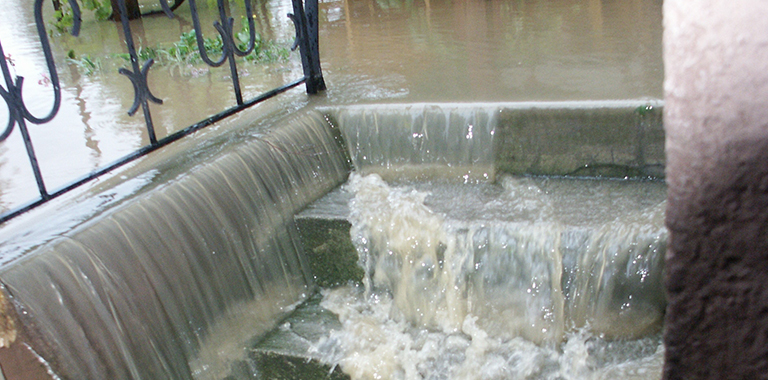
Replacing traditional concrete or asphalt with permeable pavers, gravel, or porous concrete allows rainwater to soak into the ground rather than running off into storm drains. This reduces the risk of overwhelming local drainage systems and helps recharge groundwater.
Smart Home Technology for Water Management
Modern technology offers homeowners new tools for early detection and prevention of water damage. Integrating smart devices can provide peace of mind and help you respond quickly to potential issues.
Water Leak Detectors and Alarms
Installing water leak sensors in vulnerable areas such as basements, laundry rooms, and under sinks can alert you to leaks before they become major problems. Many devices connect to your smartphone, sending instant notifications if water is detected.
Automatic Shutoff Valves
These systems detect leaks and automatically shut off your home’s main water supply, preventing extensive damage. While installation may require a professional, the investment can save thousands in repairs.
Monitoring and Maintenance Apps
Some smart home platforms offer apps that track humidity, temperature, and water usage. Monitoring these metrics helps you spot trends and address issues proactively.
Structural Upgrades and Home Improvements
Beyond landscaping and technology, certain home upgrades can significantly reduce the risk of flooding. These improvements are particularly valuable for properties in high-risk zones.
Foundation Sealing and Sump Pumps
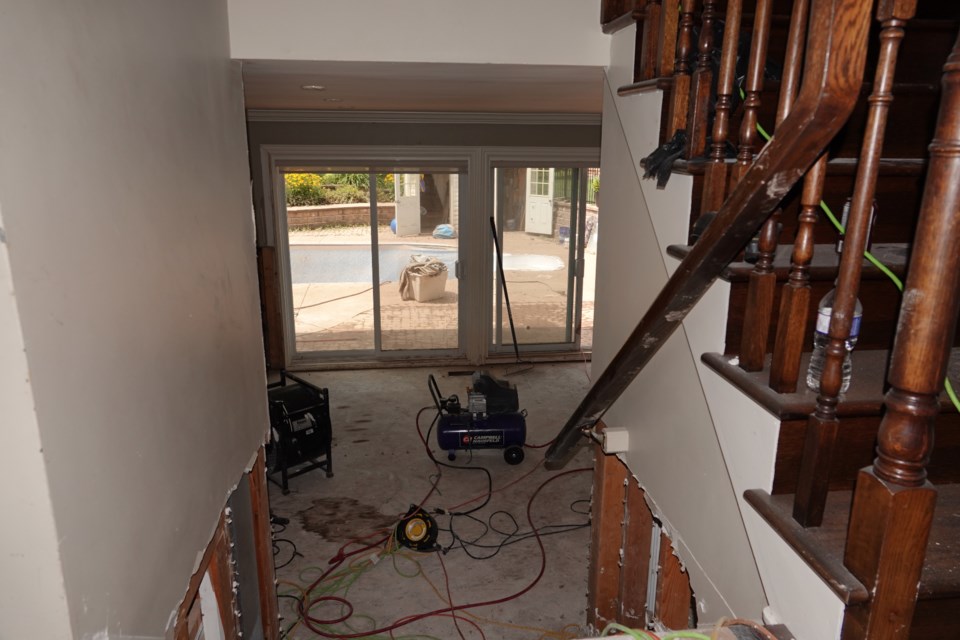
Waterproofing your basement walls and floors with sealants or membranes helps keep moisture out. Installing a sump pump ensures that any water entering the basement is quickly removed. For best results, choose energy-efficient models and maintain them regularly.
Backwater Valves and Drainage Systems
Backwater valves prevent sewage from backing up into your home during heavy rains. Upgrading gutters, downspouts, and French drains ensures water is directed away from your foundation. Clean these systems regularly to prevent blockages.
Green Roofs and Rain Barrels
Green roofs absorb rainfall and provide insulation, while rain barrels collect runoff from gutters for reuse in gardening. Both solutions reduce the volume of water entering storm drains and help manage water sustainably.
Understanding Flood Risks and Insurance
Knowing the specific risks in your area is crucial for effective flood prevention. Factors such as local topography, soil type, and historical weather patterns all play a role. Reviewing your insurance policy ensures you have adequate coverage for water damage.
For a deeper dive into what causes household flooding, see this comprehensive overview of common causes of house floods. Understanding these risks helps you prioritize the most effective prevention strategies for your home.
Maintenance Tips for Long-Term Protection
Even the best prevention measures require regular upkeep. Routine maintenance keeps your flood defenses strong and ensures that sustainable solutions continue to perform as intended.
- Inspect gutters and downspouts every season and clear debris promptly.
- Test sump pumps and backup power sources before storm season.
- Check for cracks in your foundation and repair them immediately.
- Replenish mulch and compost in rain gardens to maintain absorption.
- Monitor smart devices and replace batteries as needed.
Frequently Asked Questions
What are the most effective eco-friendly ways to prevent home flooding?
Combining several methods—such as installing rain gardens, using permeable paving, sealing foundations, and adding smart leak detectors—offers the best protection. Each approach addresses a different aspect of water management and, together, they provide comprehensive defense against flooding.
How can I tell if my home is at risk of flooding?
Check local flood maps, review your property’s elevation, and observe how water flows during heavy rain. If you notice pooling near your foundation or water entering your basement, your home may be vulnerable. Consulting with local authorities or a flood mitigation specialist can provide more detailed risk assessments.
Are sustainable flood prevention solutions expensive to implement?
Costs vary depending on the solution. Some, like rain barrels and native plantings, are relatively inexpensive. Others, such as sump pumps or backwater valves, require a larger investment but can save money by preventing costly damage. Many eco-friendly upgrades also offer long-term savings through reduced water bills or lower insurance premiums.
By adopting sustainable flood prevention solutions and maintaining them over time, you can protect your home, support the environment, and gain peace of mind no matter what the weather brings.




