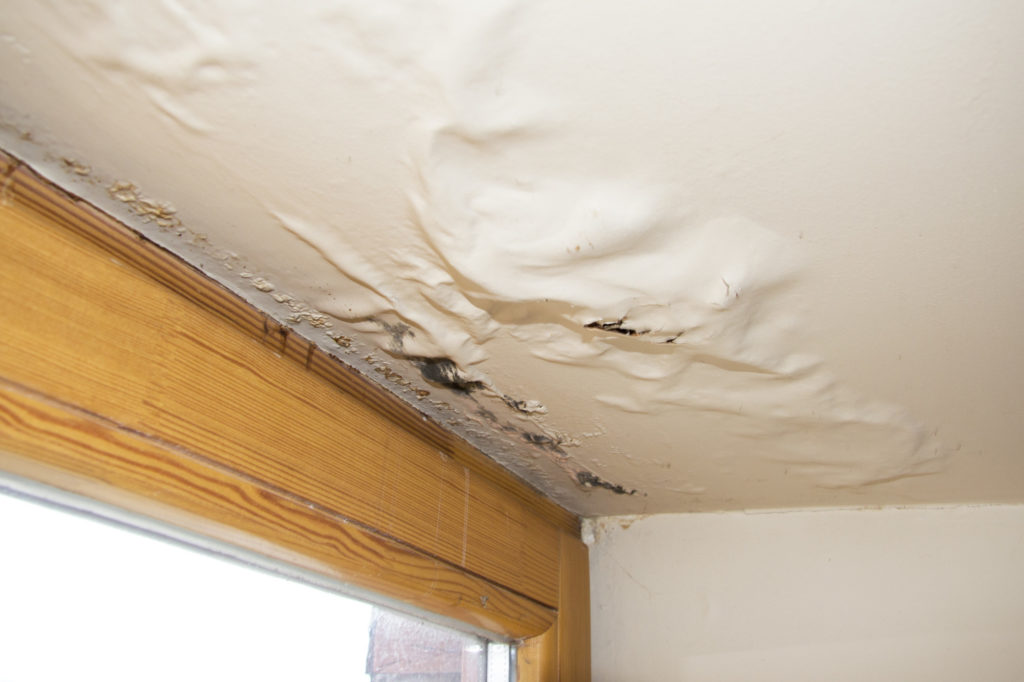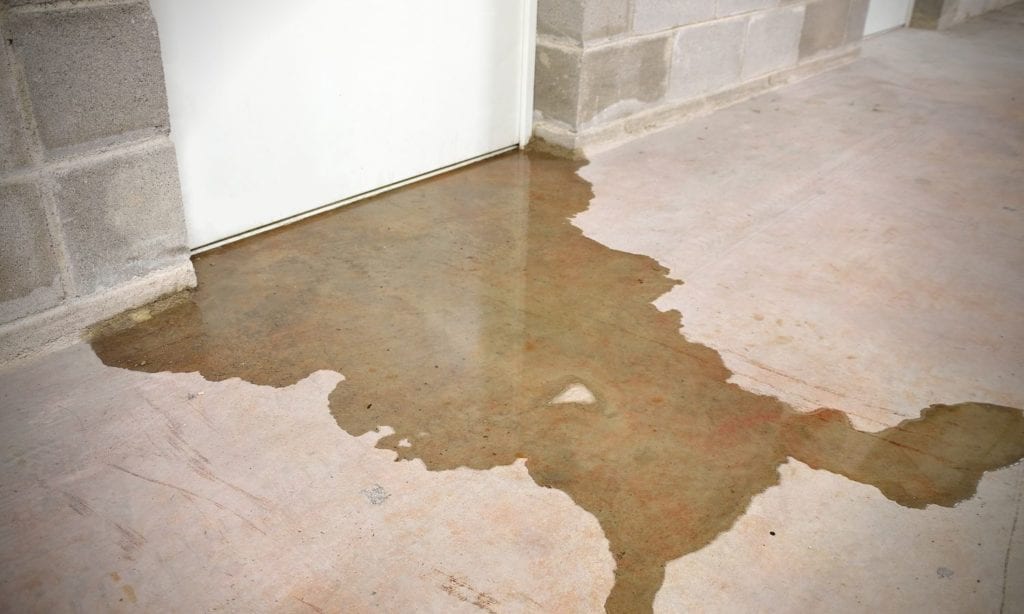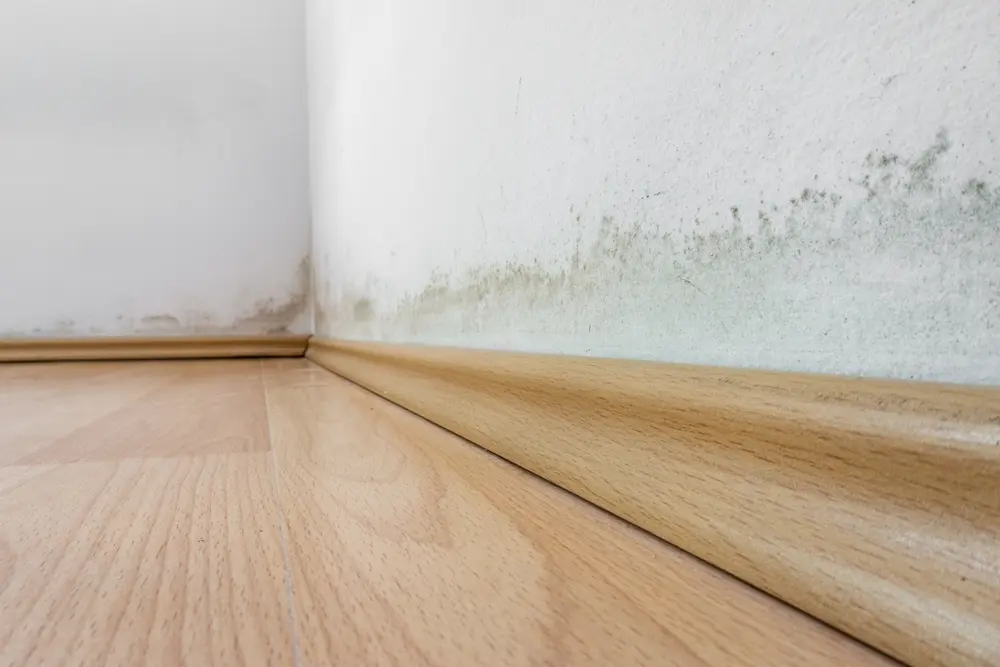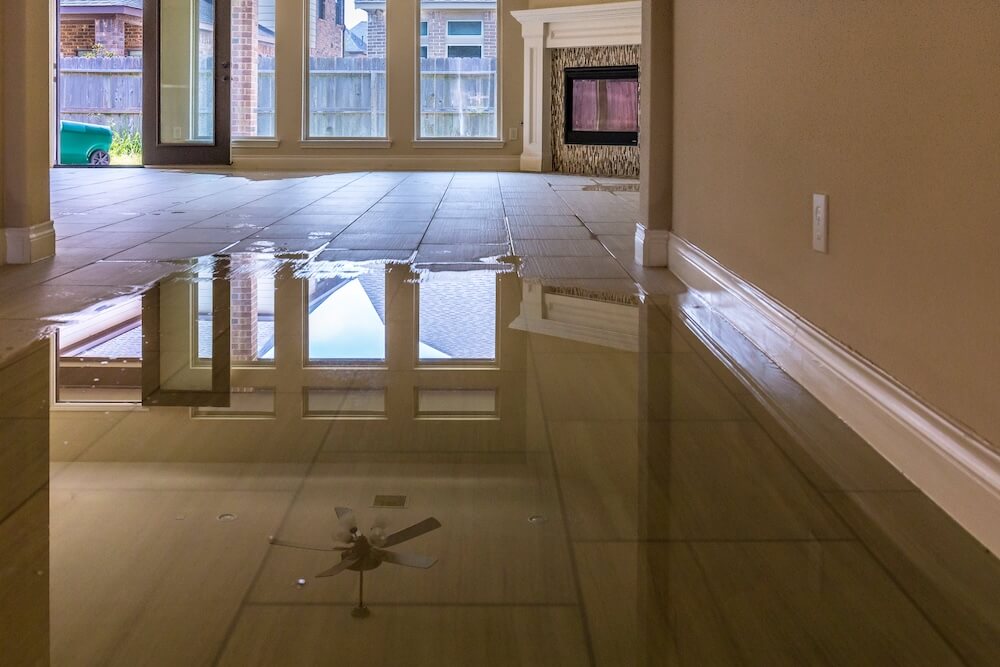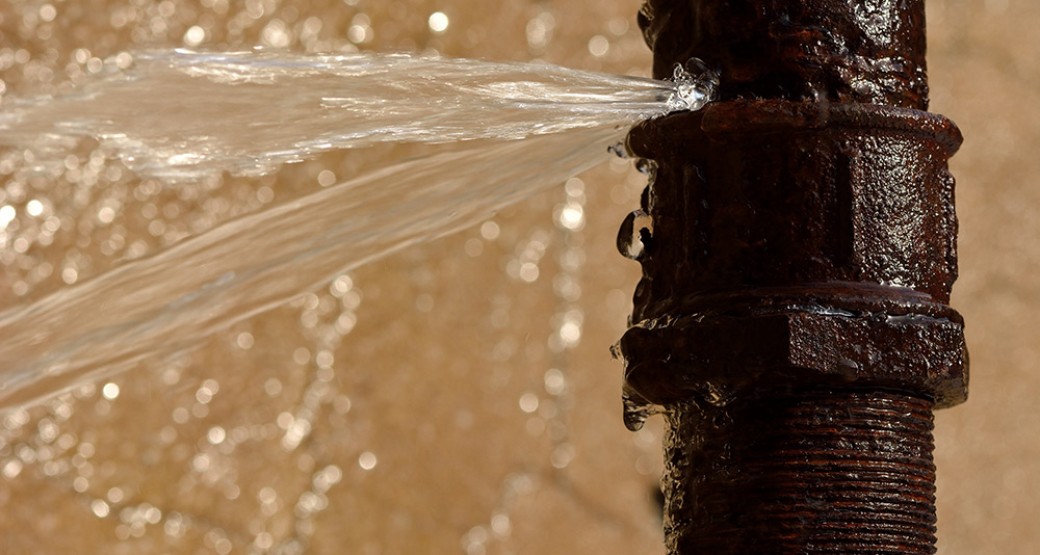
Water damage myths and facts are often misunderstood, leading many homeowners to make costly mistakes when dealing with leaks, floods, or moisture issues. Misconceptions about the causes, risks, and solutions for water intrusion can result in delayed repairs, hidden structural problems, and even health hazards. Understanding the realities behind common beliefs is essential for protecting your property and ensuring a safe living environment.
Whether you’re dealing with a burst pipe, a slow leak, or the aftermath of a storm, separating fact from fiction will help you respond quickly and effectively. In this article, we’ll clarify the most widespread misunderstandings, highlight the real risks, and offer practical advice for prevention and mitigation. For those interested in related home maintenance topics, you might also find our guide on how to store a cast iron press long term helpful for protecting your tools from rust and moisture.
Common Misconceptions About Water Damage
Many people underestimate the seriousness of water issues or believe they only occur during major disasters. Here are some of the most prevalent myths and the facts that debunk them:
- Myth: Only floods cause significant water problems.
Fact: Even minor leaks from appliances or plumbing can cause extensive damage over time. Slow drips behind walls or under floors often go unnoticed until mold or structural issues appear. - Myth: Water-damaged areas will dry out on their own.
Fact: While some moisture may evaporate, trapped water in building materials can linger for weeks, leading to rot and mold growth. Professional drying and dehumidification are often necessary. - Myth: If you can’t see water, there’s no problem.
Fact: Hidden moisture is one of the biggest dangers. Water can seep into insulation, subfloors, and framing, causing unseen deterioration and health risks.
Understanding the Real Risks: Health and Structural Concerns
Ignoring or underestimating water intrusion can have serious consequences. Here’s what every homeowner should know:
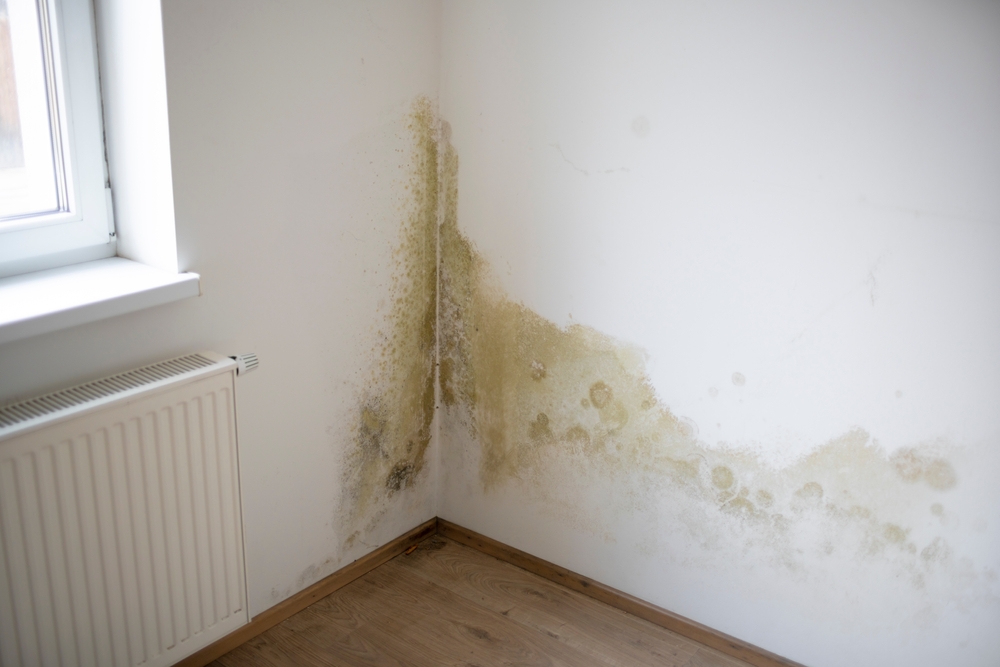
- Mold Growth: Mold can begin to develop within 24–48 hours of water exposure. It thrives in dark, damp spaces and can cause respiratory issues, allergies, and other health problems.
- Structural Damage: Prolonged moisture weakens wood, drywall, and insulation. Over time, this can compromise the integrity of floors, walls, and ceilings, leading to expensive repairs.
- Electrical Hazards: Water and electricity are a dangerous combination. Leaks near outlets, wiring, or appliances increase the risk of shocks or fires.
For more details on effective mitigation strategies, check out this comprehensive guide to water mitigation that covers essential steps for minimizing damage and restoring your home safely.
Debunking More Water Damage Myths and Facts
Let’s address additional misunderstandings that can lead to poor decisions or unnecessary expenses:
- Myth: Homeowners insurance always covers water incidents.
Fact: Most policies exclude gradual leaks, sewer backups, or flood damage unless you have specific coverage. Review your policy and consider extra protection if you live in a risk-prone area. - Myth: Bleach kills all mold caused by water problems.
Fact: Bleach may remove surface stains but does not penetrate porous materials or eliminate spores. Professional remediation is often required for widespread or hidden mold. - Myth: DIY cleanup is enough for most water issues.
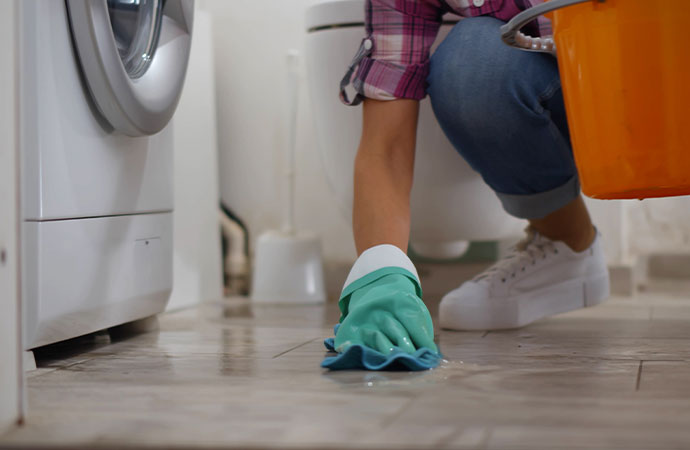
Fact: While small spills can be handled at home, significant leaks or contaminated water (such as from sewage) demand expert attention to ensure safety and thorough drying.
Prevention Tips for Homeowners
Taking proactive steps can help you avoid costly repairs and maintain a healthy home. Here are some practical recommendations:
- Inspect Regularly: Check under sinks, behind appliances, and around windows for signs of moisture or leaks.
- Maintain Appliances: Replace old hoses on washing machines and dishwashers, and ensure connections are tight.
- Monitor Humidity: Use dehumidifiers in basements and bathrooms to keep moisture levels in check.
- Install Leak Detectors: Smart sensors can alert you to leaks before they cause major damage.
- Clean Gutters and Downspouts: Keep them free of debris to prevent water from pooling near your foundation.
What to Do When You Discover Water Damage
If you notice signs of moisture, stains, or musty odors, act quickly:
- Stop the Source: Shut off water supply lines or fix leaks immediately.
- Remove Excess Water: Use towels, mops, or a wet/dry vacuum to remove standing water.
- Dry and Ventilate: Open windows, run fans, and use dehumidifiers to speed up drying.
- Document the Damage: Take photos for insurance claims and keep records of repairs.
- Consult Professionals: For major incidents or if you suspect hidden moisture, contact restoration experts.
Remember, acting fast can minimize both immediate and long-term consequences. If you’re interested in other home care tips, our article on how to use a tortilla press for fry bread offers practical advice for kitchen maintenance and equipment care.
Frequently Asked Questions
How quickly can mold develop after water exposure?
Mold can begin to grow within 24 to 48 hours in damp, poorly ventilated areas. That’s why it’s important to dry affected spaces as soon as possible and monitor for any signs of growth.
Does homeowners insurance cover all types of water damage?
Standard policies typically cover sudden and accidental incidents, such as burst pipes, but often exclude gradual leaks, flooding, or sewer backups. Review your policy and consider additional coverage if you are in a high-risk area.
Can I clean up water damage myself?
Small spills or localized leaks can often be managed at home. However, if the water is contaminated, has soaked into building materials, or if you suspect mold, it’s best to consult professionals for safe and thorough remediation.
Are leak detectors worth installing?
Yes, leak detectors can provide early warnings and help prevent major incidents. They are especially useful in areas prone to leaks, such as under sinks, near water heaters, or behind appliances.
Conclusion: Protecting Your Home from Water Risks
Understanding the truth about water damage myths and facts empowers you to make informed decisions and take proactive steps to safeguard your property. Don’t let misconceptions lead to costly mistakes—regular inspections, timely repairs, and the right preventative tools can make all the difference. Stay vigilant, educate yourself, and don’t hesitate to seek expert help when needed.