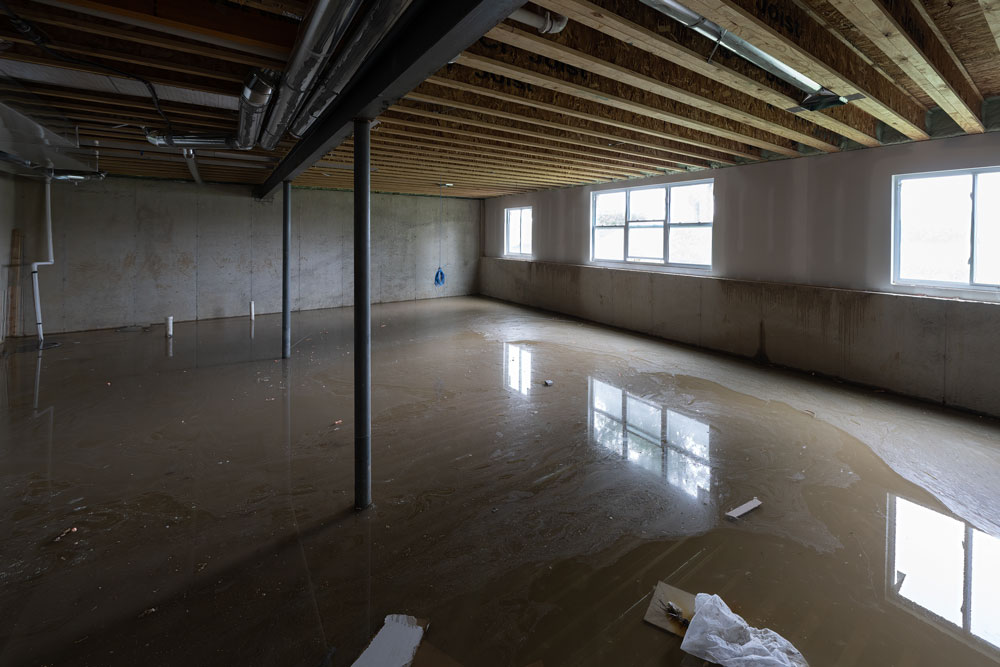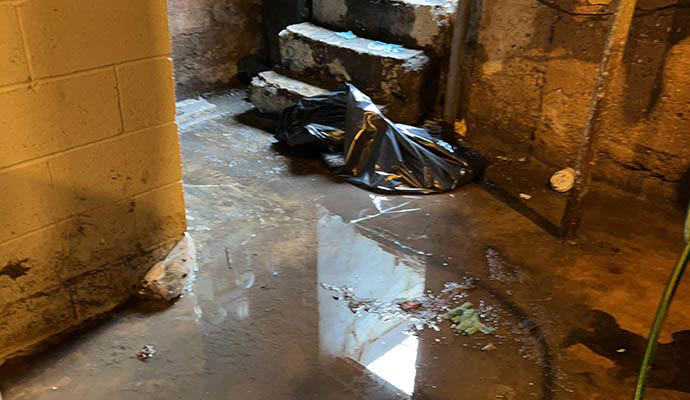
Moisture-prone spaces like bathrooms, laundry rooms, and basements require special attention during construction or renovation. Standard drywall can quickly deteriorate when exposed to water, leading to mold growth, crumbling walls, and costly repairs. That’s why choosing waterproof drywall for bathrooms and other wet areas is essential for long-lasting, healthy interiors.
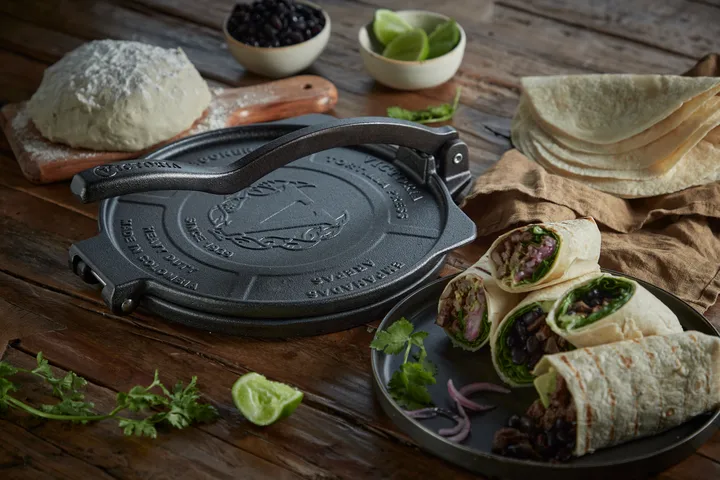
This guide explains the types of moisture-resistant wallboards available, how they work, where to use them, and practical installation tips. You’ll also find answers to common questions and learn how to prevent water damage before it starts. For those interested in kitchen projects, you might also enjoy our article on how to press tortillas for gorditas de azucar.

Why Moisture-Resistant Wallboard Matters
Bathrooms and wet zones are constantly exposed to humidity, splashes, and even direct water contact. Using regular gypsum board in these environments can result in:
- Mold and mildew growth behind tiles or paint
- Swelling, warping, or crumbling of the wall surface
- Structural damage to framing and insulation
- Unpleasant odors and potential health risks
By installing waterproof drywall for bathrooms and similar spaces, you protect your home from these issues and reduce maintenance costs over time.
Types of Waterproof and Moisture-Resistant Drywall
There are several wallboard options designed to withstand damp conditions. Each has unique features and is suited for different applications:
Green Board
Green board is a type of drywall with a moisture-resistant core and a green paper facing. It’s more resistant to humidity than standard drywall but not fully waterproof. Green board is often used for bathroom walls and ceilings, but not recommended for areas with direct water exposure, such as shower enclosures.
Blue Board
Blue board is designed for veneer plastering and offers some moisture resistance. However, it’s less common in residential bathrooms and is mainly used in commercial settings or for specialty finishes.
Cement Board
Cement board is made from cement and reinforcing fibers, making it highly resistant to water. It’s the preferred substrate for tile in showers, tub surrounds, and floors. Cement board won’t deteriorate when wet and is mold-resistant, making it ideal for high-moisture zones.
Fiberglass-Faced Drywall
Instead of paper, this drywall uses fiberglass mats on both sides of a moisture-resistant core. The fiberglass facing resists mold and mildew, making it suitable for bathrooms, laundry rooms, and basements. It’s often used behind tile or as a finished surface in utility areas.
Paperless Drywall
Similar to fiberglass-faced products, paperless drywall eliminates the organic paper facing that can harbor mold. It’s a good choice for humid environments and is easier to cut and install than cement board.
Where to Install Moisture-Resistant Wallboard
Choosing the right wallboard for each area ensures optimal protection. Here’s where to use different types:
- Shower and Tub Surrounds: Use cement board or fiber-cement panels behind tile. These materials can handle direct, frequent water exposure.
- Bathroom Walls and Ceilings: Green board or fiberglass-faced drywall is suitable for areas not exposed to direct water spray but still subject to humidity.
- Laundry Rooms and Basements: Fiberglass-faced or paperless drywall helps prevent mold in spaces with occasional leaks or high moisture.
- Kitchen Backsplashes: Moisture-resistant drywall can be used behind tiles to protect against splashes and steam.

Installation Tips for Water-Resistant Drywall
Proper installation is crucial for maximizing the benefits of moisture-resistant wallboard. Here are some best practices:
- Use the right fasteners: For cement board, use corrosion-resistant screws designed for masonry or fiber-cement products.
- Seal joints and corners: Apply waterproof mesh tape and thinset mortar (for cement board) or mold-resistant joint compound (for green board) to all seams.
- Apply a waterproofing membrane: In wet zones like showers, use a liquid or sheet membrane over cement board before tiling for extra protection.
- Maintain proper ventilation: Install exhaust fans and ensure good airflow to minimize humidity buildup.
- Inspect for leaks: Regularly check plumbing fixtures and pipes for drips or signs of water damage.
Preventing Water Damage in Wet Areas
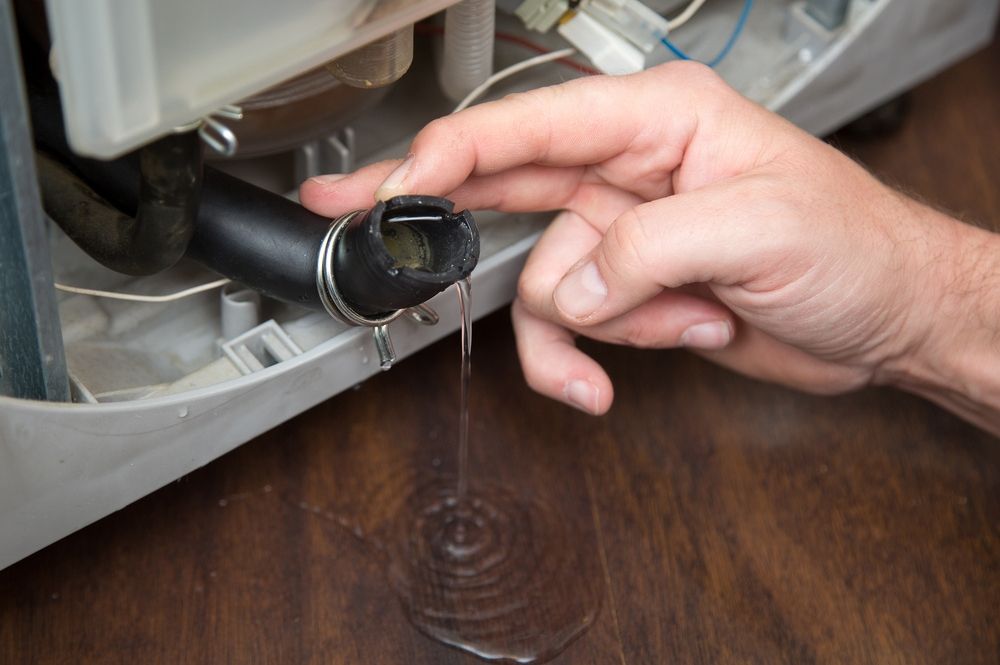
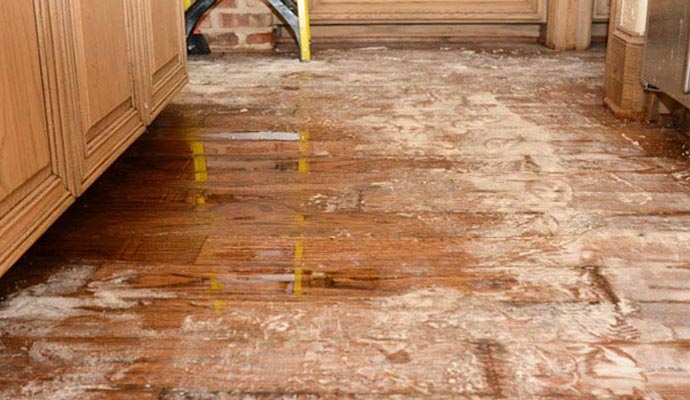
Even the best wallboard can’t protect your home if leaks go undetected. Early intervention is key. Consider installing smart leak detectors to catch problems before they escalate. For example, a pipe or toilet leak detector can alert you to hidden moisture behind walls or under floors.
Additionally, regular maintenance—such as caulking around tubs, checking grout lines, and inspecting seals—helps keep water where it belongs. For more tips on preventing costly repairs, see this comprehensive guide to stopping water damage at home.
Comparing Waterproof Wallboard Options
| Type | Water Resistance | Best Use |
|---|---|---|
| Green Board | Moderate (not for direct water) | Bathroom walls, ceilings |
| Cement Board | High (direct water contact) | Showers, tub surrounds, floors |
| Fiberglass-Faced Drywall | High (mold/mildew resistant) | Bathrooms, laundry rooms, basements |
| Paperless Drywall | High (mold resistant) | Humid environments, utility areas |
Frequently Asked Questions
Is moisture-resistant drywall required by building codes?
Many local building codes require moisture-resistant wallboard in bathrooms and wet zones, especially behind tile or near plumbing fixtures. Always check your area’s regulations before starting a renovation.
Can I use regular drywall in a bathroom?
Standard drywall is not recommended for wet areas. It absorbs moisture, leading to mold, rot, and eventual failure. Always choose a product designed for damp environments.
How do I know if my bathroom walls need replacing?
Signs include soft or crumbling drywall, visible mold, peeling paint, or a musty odor. If you notice any of these, it’s wise to investigate further and consider upgrading to a moisture-resistant option.
What is the difference between waterproof and water-resistant drywall?
Water-resistant drywall can handle humidity and occasional splashes but is not meant for direct, prolonged water contact. Waterproof options like cement board are designed for areas that get soaked, such as shower enclosures.
Conclusion
Choosing the right wallboard for damp spaces is a crucial step in home construction and remodeling. By selecting waterproof drywall for bathrooms and other wet areas, you protect your investment, improve indoor air quality, and reduce the risk of expensive repairs. Combine quality materials with regular maintenance and smart leak detection to keep your home safe and dry for years to come.