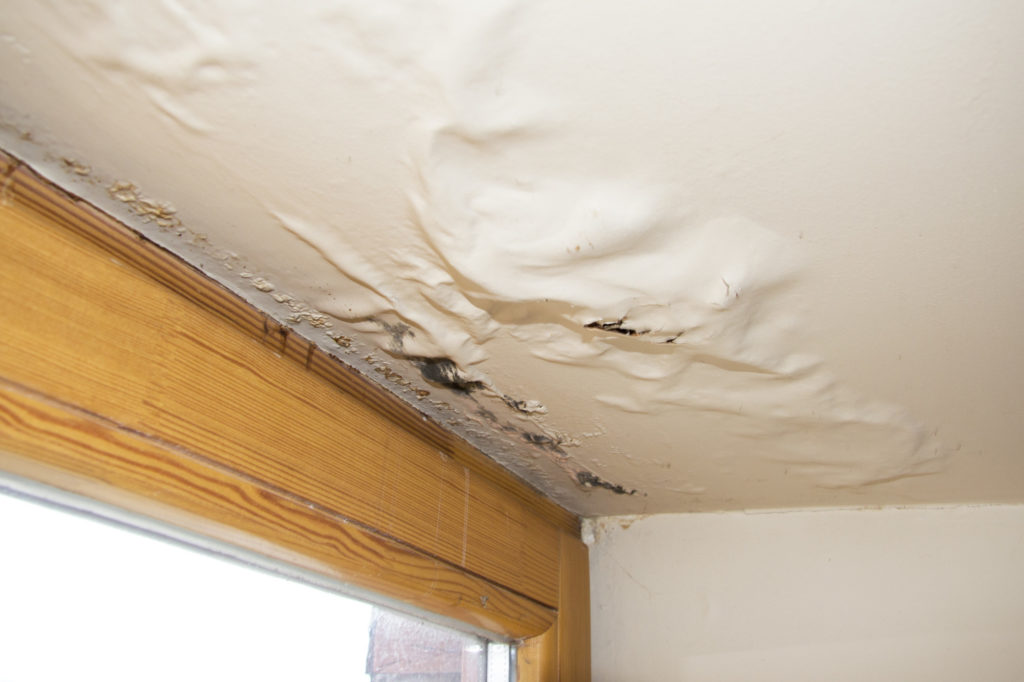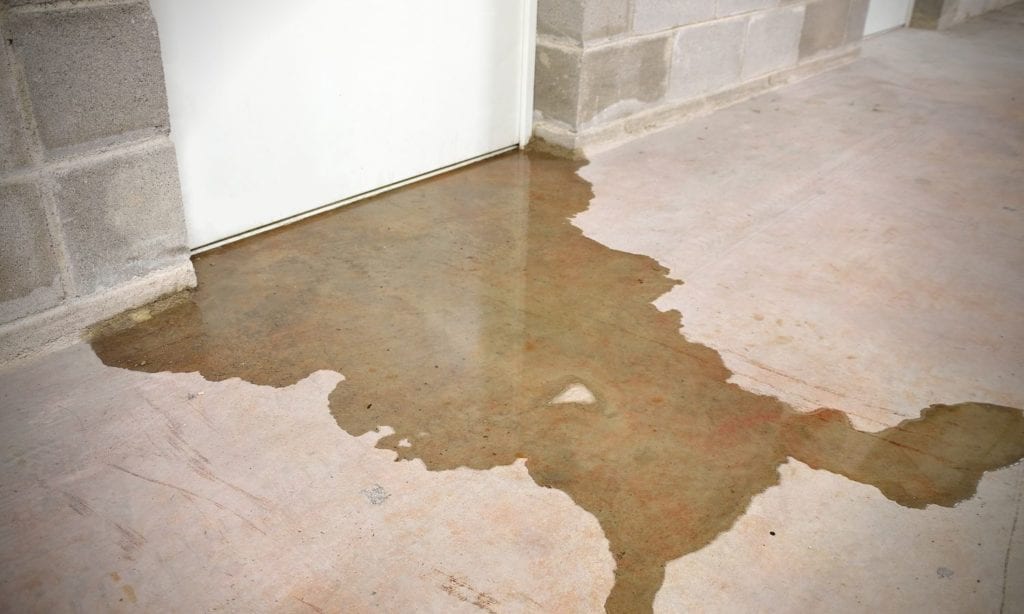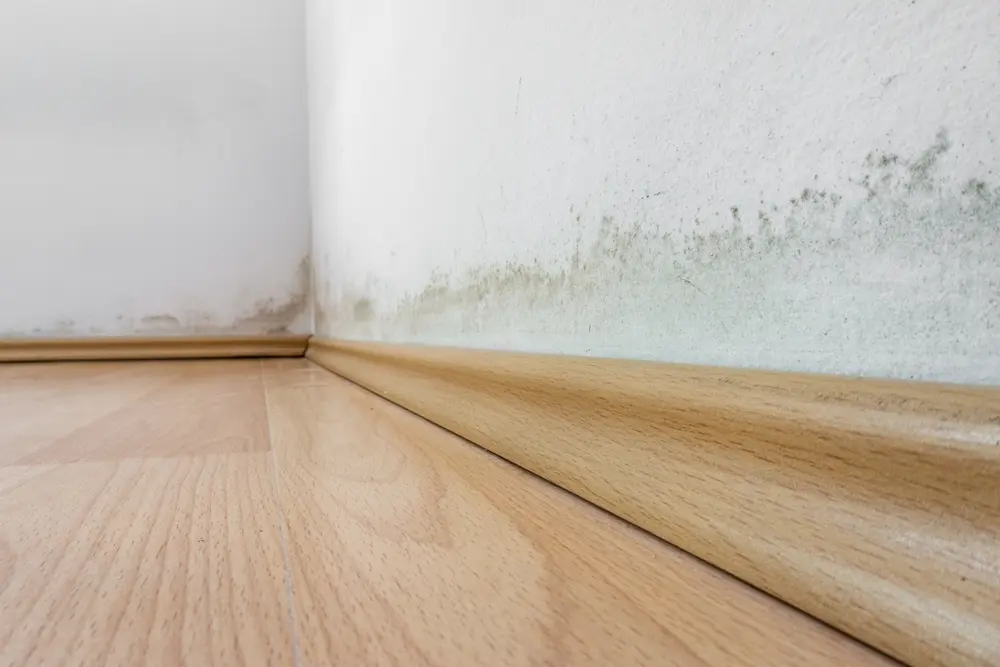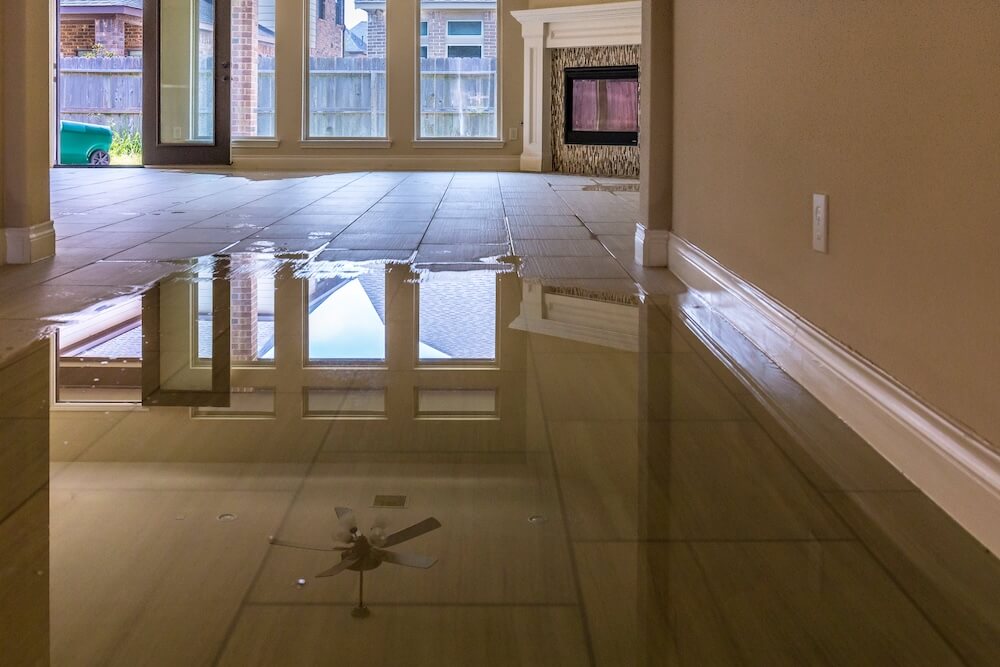
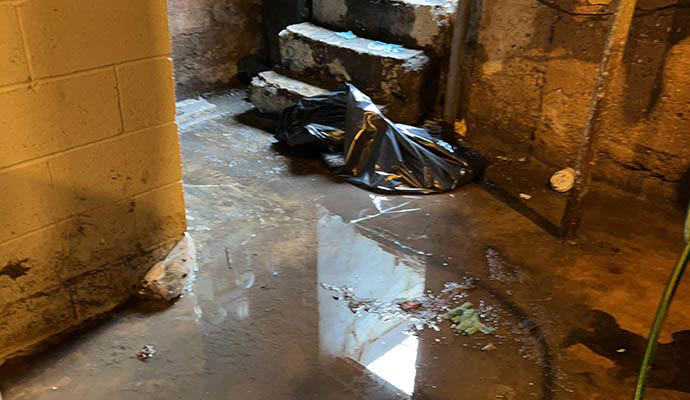
Flooding can cause significant damage to homes, especially during heavy rains or rapid snowmelt. One of the most practical and affordable ways to protect your property is by using sandbags for home flooding. These simple barriers can help divert water away from vulnerable areas, reducing the risk of costly repairs and long-term issues like mold growth. In this guide, you’ll learn how to use sandbags effectively, where to place them, and what to do before, during, and after a flood to keep your home safe.
Understanding the right techniques and preparation steps can make a major difference in how well sandbags perform. We’ll cover the essentials, from choosing the right materials to stacking methods and post-flood cleanup. If you’re interested in other practical home care tips, you might also like our article on how to clean cast iron after every use.
Why Use Sandbags to Prevent Water Damage?
Sandbags have been used for decades as a first line of defense against rising water. Their effectiveness comes from their ability to absorb and redirect water flow, creating a temporary barrier that slows or stops water from entering your home. While they are not a permanent solution, sandbags are widely available, inexpensive, and easy to deploy in an emergency.
Using sandbags for home flooding can help you:
- Protect doorways, garages, and low-lying windows from water intrusion
- Divert water away from your foundation and prevent basement flooding
- Reduce the risk of structural damage and costly repairs
- Minimize the likelihood of mold and mildew growth after a flood
For more tips on preparing your property for severe weather, check out this comprehensive flood preparation guide from a trusted authority.
Choosing and Filling Sandbags for Flood Protection
Not all sandbags are created equal. Most are made from burlap or polypropylene, and each type has its advantages. Burlap bags are biodegradable but may rot if left wet for long periods, while polypropylene bags are more durable and resistant to mold.
When filling sandbags:
- Only fill bags about two-thirds full. Overfilling makes them hard to stack and less effective at sealing gaps.
- Use sand if possible, as it molds better to surfaces and blocks water more effectively. In a pinch, soil or gravel can be used.
- Fold or tie the top of the bag closed, but do not seal it tightly. This allows the bag to flatten and fit snugly with others.
Where and How to Place Sandbags Around Your Home
Strategic placement is essential for getting the most out of your sandbag barrier. Focus on areas where water is most likely to enter, such as doorways, basement windows, and garage entrances. It’s also important to create a continuous wall, overlapping the ends of each sandbag to prevent leaks.
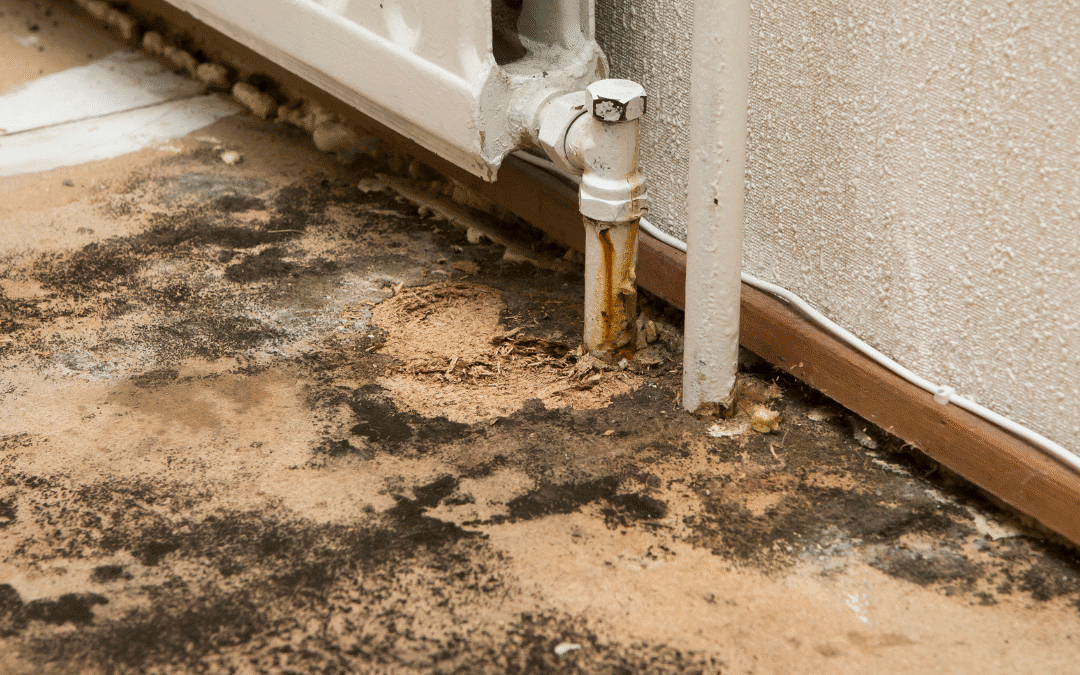
To build an effective barrier:
- Lay a plastic sheet on the ground for extra protection, especially if water is expected to be deep.
- Place the first row of sandbags lengthwise, with the open end facing against the flow of water.
- Stagger additional rows like brickwork, overlapping the seams for a tighter seal.
- Press down on each bag to flatten and eliminate gaps.
- Build the wall at least one bag higher than the expected water level for added safety.
Remember, sandbags are most effective when used as part of a broader flood preparedness plan. Consider pairing them with a water leak detector for early warning of moisture buildup.
Tips for Maximizing Sandbag Effectiveness
While sandbags are a valuable tool, their performance depends on proper use and maintenance. Here are some best practices:
- Inspect bags for rips or tears before use. Damaged bags can leak and compromise your barrier.
- Do not stack sandbags higher than three rows unless supported by a solid structure.
- Check the barrier regularly during a flood event and replace any bags that become saturated or displaced.
- After the flood, dispose of used sandbags according to local regulations, as they may be contaminated.
It’s also wise to keep a supply of sandbags on hand, especially if you live in a flood-prone area. Many hardware stores and local emergency services offer free or low-cost bags during severe weather alerts.
Common Mistakes When Using Sandbags for Home Flooding
Even with the best intentions, mistakes can reduce the effectiveness of your sandbag barrier. Avoid these common errors:
- Overfilling bags, making them too bulky to stack tightly
- Leaving gaps between bags, allowing water to seep through
- Placing barriers too late, after water has already entered the home
- Using sandbags as a permanent solution instead of a temporary fix
Proper planning and timely action are key to getting the most from your flood defense efforts.
After the Flood: Cleanup and Mold Prevention
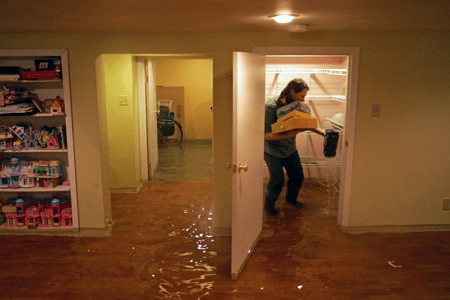
Once the water recedes, it’s important to act quickly to minimize damage and prevent long-term issues. Remove sandbags carefully, as they may be heavy and contaminated. Discard any bags that have come into contact with floodwater, following your municipality’s disposal guidelines.
Dry out affected areas as soon as possible. Open windows, use fans, and consider a dehumidifier to speed up the process. Clean and disinfect all surfaces that were exposed to water. Mold can begin to grow within 24-48 hours, so prompt action is critical.
If you notice persistent moisture, a water leak detector can help you identify hidden leaks or seepage before they cause further problems. For more information on maintaining a safe and healthy home, explore our other practical guides.
FAQ: Sandbags and Flood Protection at Home
How many sandbags do I need to protect my home?
The number of sandbags required depends on the area you need to cover and the expected water depth. As a general rule, it takes about 10 sandbags to create a one-foot-high barrier across a standard doorway. For larger areas, calculate the length and height of the barrier and multiply accordingly.
Can I reuse sandbags after a flood?
Sandbags that have not been contaminated by floodwater and remain in good condition can sometimes be reused. However, if bags are damaged, moldy, or have absorbed dirty water, it’s best to dispose of them safely and use new ones for future events.
Are there alternatives to traditional sandbags?
Yes, there are modern alternatives such as water-activated flood barriers and reusable flood defense systems. These products can be easier to store and deploy, but traditional sandbags remain a reliable and cost-effective option for most homeowners.