Leaking pipes, faucets, or fixtures can quickly escalate from a minor annoyance to a major household problem. Knowing when to call a plumber for leaks is essential for preventing water damage, mold growth, and costly repairs. While some small drips may seem manageable, there are clear signs and scenarios where professional help is not just recommended—it’s necessary.
This guide will help you identify which leaks can be safely handled on your own and which require immediate attention from a licensed plumber. We’ll also cover the risks of ignoring water leaks, how to spot hidden issues, and practical steps you can take to minimize damage while waiting for help. If you’re interested in related home maintenance tips, you might also find value in our article on how to store a cast iron press long term.

Recognizing the Signs of Serious Plumbing Leaks
Not all leaks are created equal. Some are obvious, like a steady drip from a faucet, while others are hidden behind walls or under floors. Here are key indicators that suggest you should seek professional plumbing assistance:
- Sudden drop in water pressure: If your shower or faucets lose pressure unexpectedly, it could signal a burst pipe or significant leak.
- Unexplained increase in water bills: A spike in your water usage often points to a hidden leak somewhere in your plumbing system.
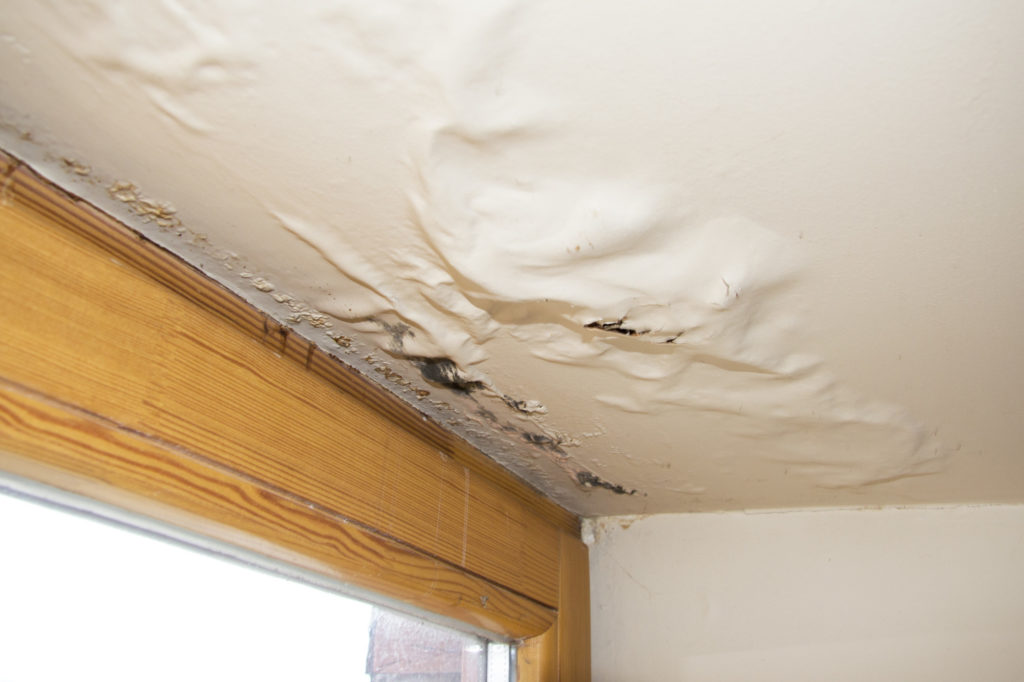
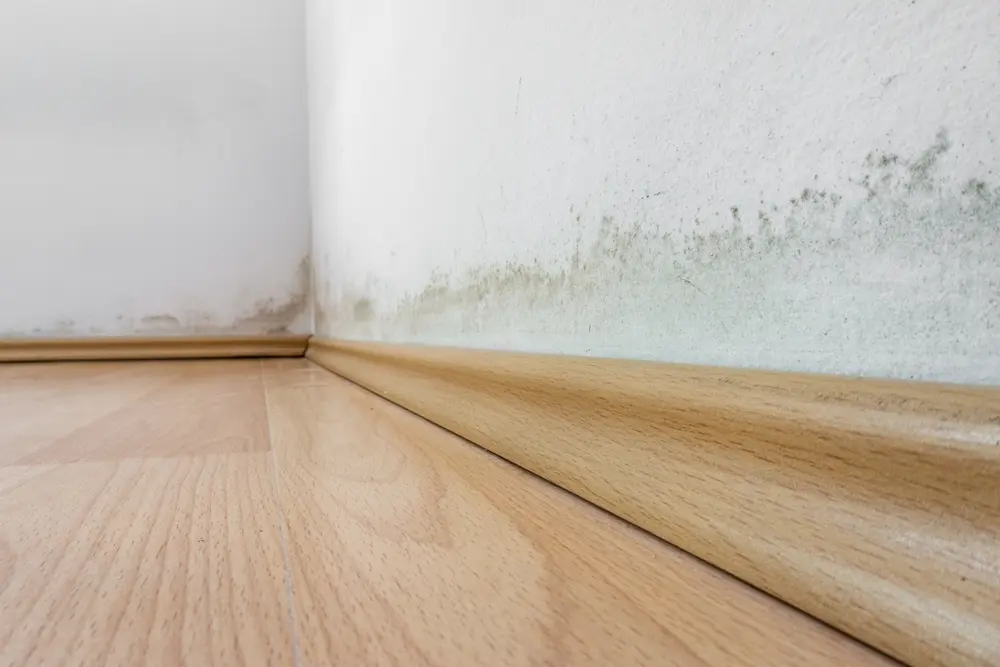
- Visible water stains or mold: Discoloration on ceilings, walls, or floors is a classic sign of water escaping from pipes.
- Persistent musty odors: Damp, moldy smells can indicate slow leaks that are causing hidden moisture buildup.
- Sounds of running water: Hearing water movement when no taps are open may mean water is leaking inside your home.
If you notice any of these symptoms, it’s wise to consult a plumber before the situation worsens.
When DIY Fixes Aren’t Enough: Knowing Your Limits
Many homeowners are comfortable tightening a loose faucet or replacing a worn washer. However, some situations demand expertise and specialized tools. Here are scenarios where you should avoid DIY and call a professional:
- Leaks inside walls or ceilings: Attempting to access and repair pipes hidden behind surfaces risks further damage and potential code violations.
- Repeated or recurring leaks: If a leak keeps coming back after temporary fixes, the underlying issue may be more serious than it appears.
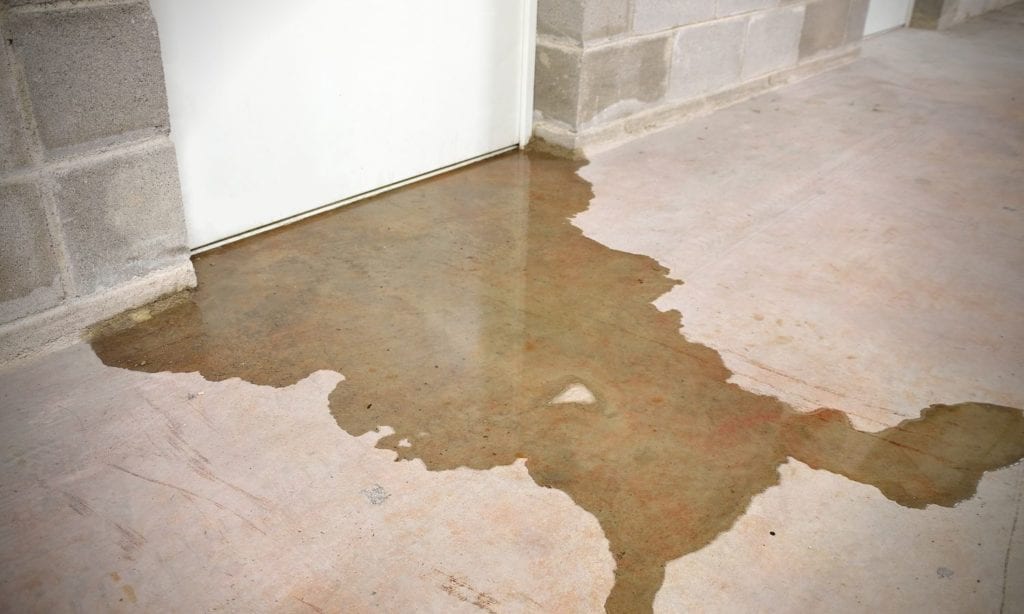
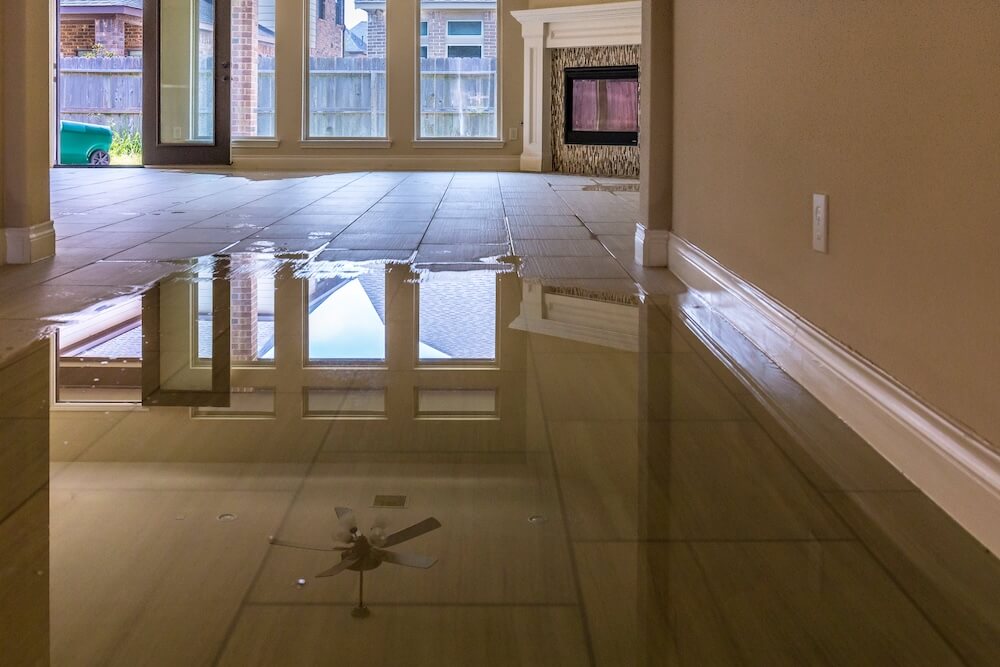
- Major pipe bursts: Large volumes of water escaping rapidly can cause structural damage and require immediate shutdown of your main water supply.
- Corroded or old plumbing: Older homes with galvanized or deteriorating pipes often need professional assessment and possible replacement.
- Leaks near electrical wiring: Water and electricity are a dangerous combination. Never attempt repairs in these areas without expert help.

Hidden Dangers: The Risks of Ignoring Leaks
Delaying repairs can have serious consequences. Even small leaks can cause extensive water damage over time, leading to warped floors, peeling paint, and structural issues. Moist environments also create ideal conditions for mold growth, which can harm indoor air quality and pose health risks.
Insurance companies often require prompt action to minimize damage. For more information on protecting your property, see this resource on how to protect your home from water damage.
How to Respond to a Leak Before Help Arrives
If you discover a significant leak, take these immediate steps while waiting for a plumber:
- Shut off the water supply: Locate your main shutoff valve and turn it off to stop the flow of water.
- Contain the leak: Use buckets, towels, or pans to catch dripping water and prevent it from spreading.
- Move valuables: Remove electronics, furniture, and important documents from the affected area.
- Document the damage: Take photos for insurance purposes and to help your plumber assess the situation.
Acting quickly can reduce the extent of water damage and make cleanup easier after repairs are made.
Preventing Future Leaks and Water Damage
While not every leak can be predicted, regular maintenance can reduce your risk. Here are some practical tips:
- Inspect pipes and fixtures regularly for signs of corrosion or wear.
- Replace old hoses on washing machines and dishwashers every few years.
- Install water leak detectors in high-risk areas such as basements, bathrooms, and under sinks.
- Insulate exposed pipes to prevent freezing and bursting in cold weather.
- Know the location of your main water shutoff valve and ensure everyone in your household does too.
Taking these steps can help you catch small problems before they turn into emergencies.
Choosing the Right Professional for Leak Repairs
When you need expert help, look for a licensed and insured plumber with good reviews and experience handling leak repairs. Ask about their response time, guarantees on work, and whether they offer emergency services. Getting a written estimate before work begins can help avoid surprises.
If you’re comparing home maintenance solutions, you may also be interested in learning about how to use a tortilla press for thin crust and other practical guides on our site.
Frequently Asked Questions
What are the most common causes of household leaks?
The most frequent sources include worn-out washers in faucets, corroded pipes, loose pipe connections, and faulty appliance hoses. High water pressure and freezing temperatures can also contribute to leaks.
Can I ignore a small drip if it doesn’t seem urgent?
Even minor drips can waste significant amounts of water over time and may indicate a larger underlying issue. It’s best to address leaks promptly to avoid water damage and higher utility bills.
How do I know if a leak is hidden behind a wall?
Signs of hidden leaks include unexplained dampness, musty odors, peeling paint, or stains on walls and ceilings. If you suspect a concealed leak, a plumber can use specialized tools to locate and repair it without unnecessary damage to your home.
Is it safe to use leak sealants or tape as a temporary fix?
Sealants and tape can provide a short-term solution for minor leaks, but they are not substitutes for professional repairs. For anything more than a slow drip, or if you’re unsure, it’s safer to call a plumber.
Conclusion
Understanding when to call a plumber for leaks can save you time, money, and stress. While some minor issues can be handled with basic tools, significant leaks, hidden water damage, or recurring problems require professional attention. By staying alert to warning signs and acting quickly, you can protect your home from costly water damage and maintain a safe, healthy living environment.