Insurance is designed to protect against unexpected losses, but the best way to minimize both risk and cost is by focusing on preventive measures. When property owners and businesses take steps to avoid common hazards, they not only safeguard their assets but also help keep insurance premiums manageable. Understanding why prevention reduces insurance claims can empower individuals and organizations to make smarter decisions about maintenance, upgrades, and risk management.
While insurance provides a safety net, frequent or avoidable claims can lead to higher deductibles, increased premiums, and even coverage restrictions. By prioritizing prevention, you can maintain a safer environment and enjoy long-term financial benefits. For those interested in related home care topics, you might also find value in learning about how to sanitize a cast iron press for kitchen safety and hygiene.
The Link Between Prevention and Fewer Claims
One of the most direct ways to see the impact of prevention is by looking at how proactive steps can stop small issues from becoming major losses. For example, regular inspections of plumbing, electrical systems, and roofing can reveal minor problems before they escalate into costly disasters. This proactive mindset is at the heart of why prevention reduces insurance claims for both homeowners and business operators.
Insurance companies often analyze claim histories when setting premiums. Properties with a track record of frequent claims—especially for preventable incidents—are considered higher risk. By investing in maintenance and risk mitigation, policyholders can demonstrate responsibility, which may result in lower rates and better coverage options.
Common Preventive Strategies That Lower Risk
There are several practical steps that property owners can take to reduce the likelihood of filing a claim. These include:
- Routine maintenance of plumbing, heating, and electrical systems
- Installing leak detectors and water shut-off devices
- Upgrading roofing and windows to withstand severe weather
- Implementing fire safety measures such as smoke alarms and extinguishers
- Securing entry points to deter theft and vandalism
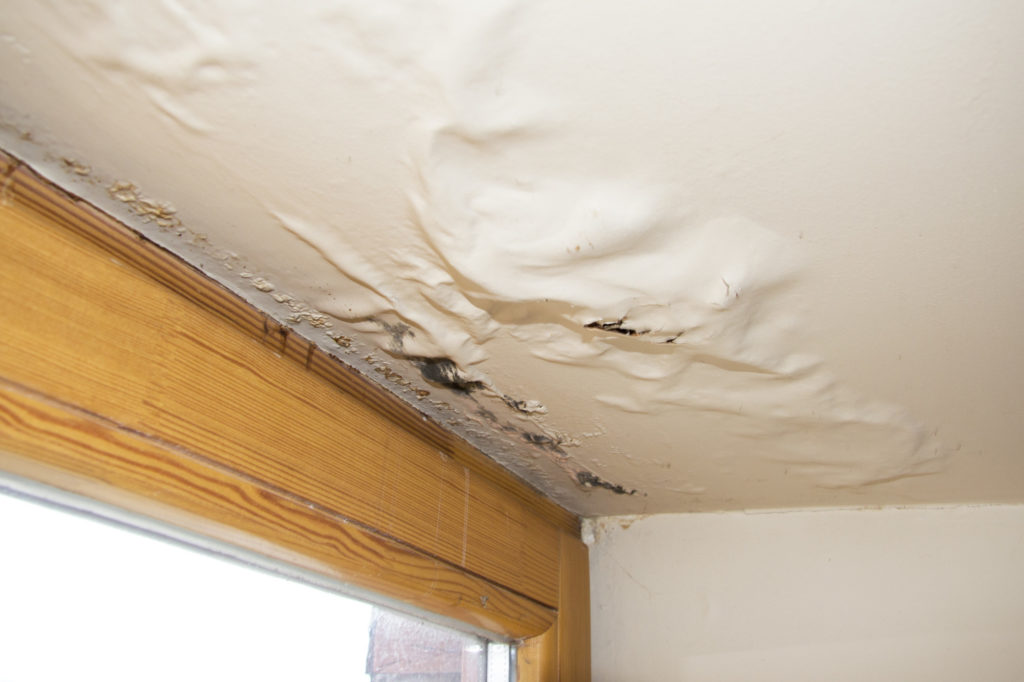
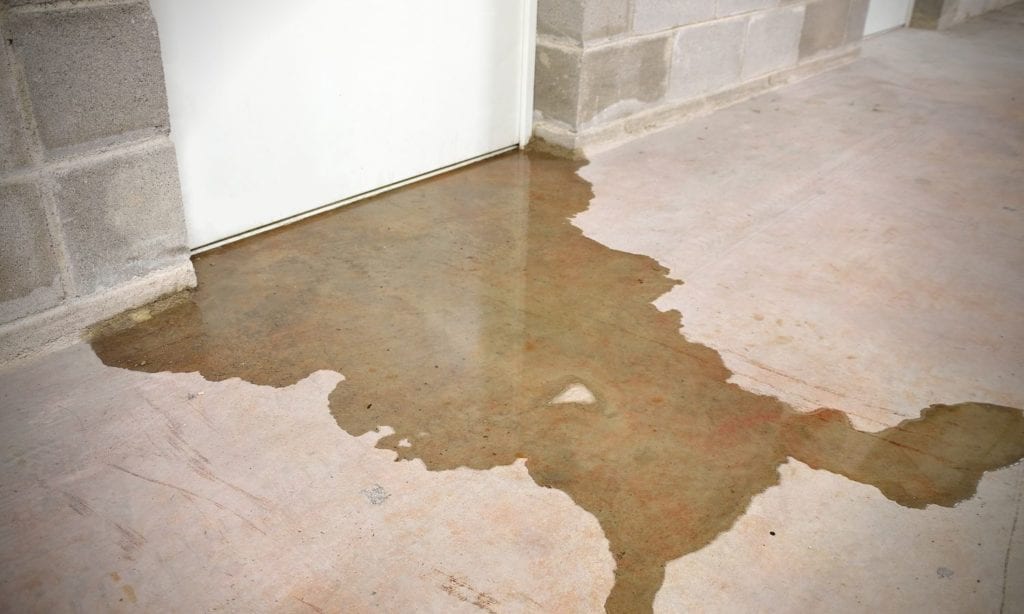
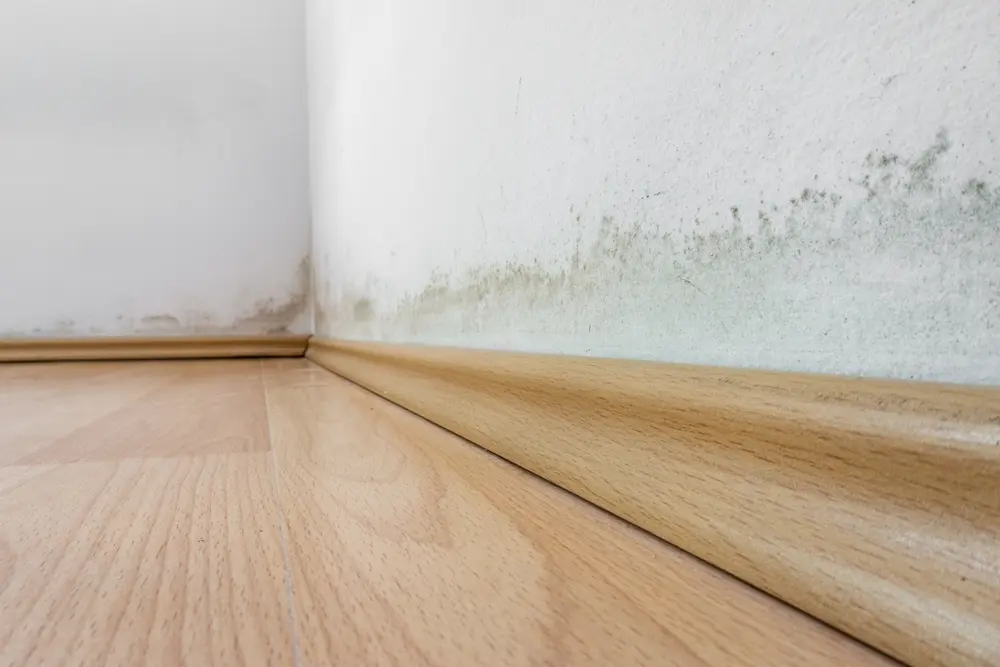
For instance, water damage is a leading cause of property claims. By waterproofing basements and monitoring for leaks, homeowners can avoid the stress and expense of major repairs.
How Preventive Actions Influence Insurance Premiums
Insurers reward policyholders who take steps to minimize risk. When fewer claims are filed, insurance companies can keep costs down and pass those savings to customers in the form of lower premiums or discounts. Many providers offer incentives for installing security systems, leak detectors, or fire suppression equipment.
By showing a commitment to safety and maintenance, you not only reduce the chance of a loss but also improve your standing with your insurer. This can lead to preferred rates and more flexible policy terms. In some cases, insurance companies may even require certain preventive measures as a condition for coverage.
Real-World Examples: Water Damage and Insurance Claims
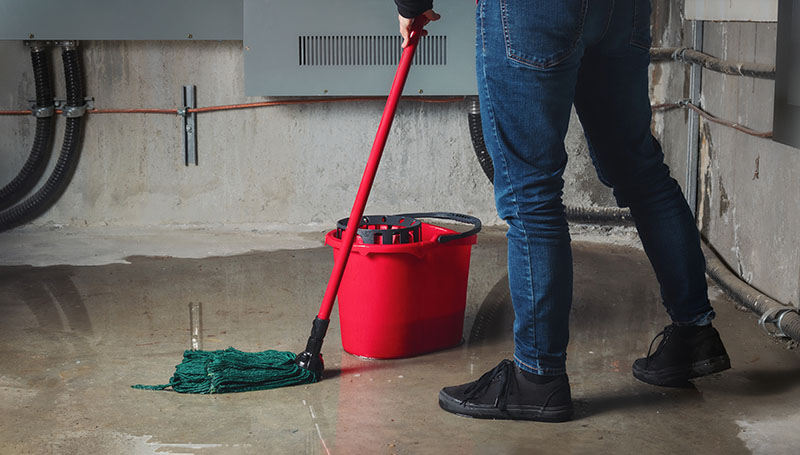
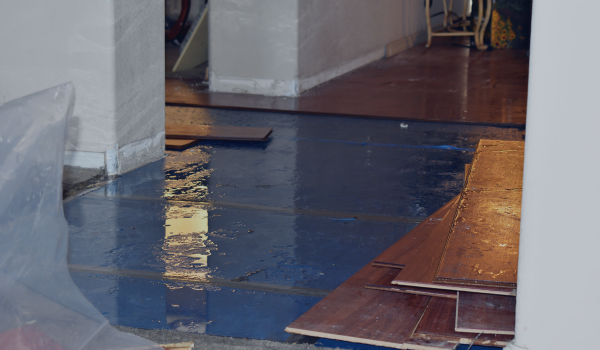
Water-related incidents are among the most common and expensive claims for both residential and commercial properties. Burst pipes, leaking appliances, and basement flooding can cause extensive damage in a short period. However, many of these events are preventable with the right tools and vigilance.
For a deeper look at how to avoid water damage, resources like this guide on preventing water damage provide actionable tips and highlight the importance of early detection. Simple devices such as pipe and toilet leak detectors can alert homeowners to problems before they escalate, saving thousands in repairs and avoiding the hassle of filing a claim.
Long-Term Benefits of Proactive Risk Management
The advantages of focusing on prevention extend beyond immediate savings. Over time, properties that are well-maintained tend to hold their value better and experience fewer disruptions. Businesses can avoid costly downtime, while homeowners enjoy greater peace of mind.
Additionally, a strong record of risk management can make it easier to switch insurers or negotiate better terms in the future. Insurance providers look favorably on applicants who demonstrate a proactive approach to safety, which can lead to more competitive offers and broader coverage options.
Integrating Prevention Into Everyday Habits
Making prevention a routine part of property management doesn’t have to be complicated. Start by creating a maintenance schedule for critical systems, and consider investing in smart home devices that provide real-time alerts for leaks, smoke, or unauthorized entry. Encourage family members or employees to report potential hazards promptly.
Even small actions—like clearing gutters, checking appliance hoses, or testing smoke detectors—can make a significant difference. Over time, these habits become second nature and contribute to a safer, more resilient property.
Frequently Asked Questions
How does prevention help lower the number of insurance claims?
Preventive actions address potential risks before they cause damage, reducing the likelihood of incidents that would require filing a claim. This approach helps keep properties safer and insurance costs lower.
What are the most effective preventive measures for homeowners?
Regular maintenance of plumbing, electrical, and heating systems, installing leak and smoke detectors, and securing the property against theft are among the most effective strategies for minimizing risk and avoiding claims.
Can prevention impact my insurance premiums?
Yes, many insurers offer discounts or lower premiums to policyholders who implement risk-reducing measures such as security systems, leak detectors, and regular property inspections. Fewer claims can also lead to better rates over time.
Where can I learn more about related home maintenance topics?
For additional tips on property care and safety, you may be interested in exploring how to store corn masa for pressing or why do tortillas shrink after pressing, which offer practical advice for everyday situations.
Conclusion
Focusing on prevention is a proven way to reduce the frequency and severity of insurance claims. By taking proactive steps to identify and address potential hazards, property owners can protect their investments, enjoy lower premiums, and experience greater peace of mind. Whether it’s through regular maintenance, installing smart detection devices, or simply staying vigilant, the benefits of prevention are clear and long-lasting.