Water pooling around a home’s foundation is a common issue that many homeowners overlook. However, the presence of standing water near the base of a house can lead to a range of serious problems. Understanding why standing water near foundation is bad is crucial for protecting your property, maintaining its value, and avoiding costly repairs. This article explores the risks, causes, and solutions associated with water accumulation near foundations, offering practical advice for prevention and maintenance.
Before diving into the details, it’s helpful to recognize that water management is as important for your home’s health as regular maintenance for any appliance or structure. If you’re interested in other home care tips, you might also find our guide on how to store a cast iron press long term useful for preserving your kitchen tools.
Understanding the Dangers of Water Accumulation Near Foundations
Persistent moisture around the base of a home can have far-reaching consequences. The most immediate concern is the potential for foundation damage. When water seeps into the soil, it can cause the ground to expand and contract, leading to shifting or cracking of the foundation. Over time, this movement can compromise the structural integrity of the entire building.
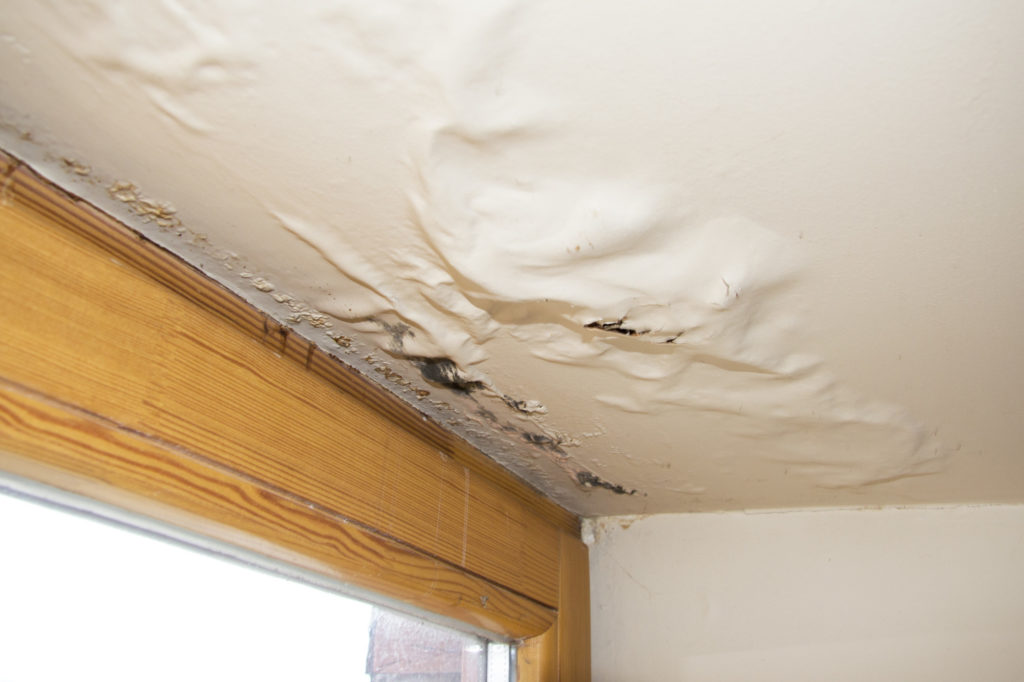
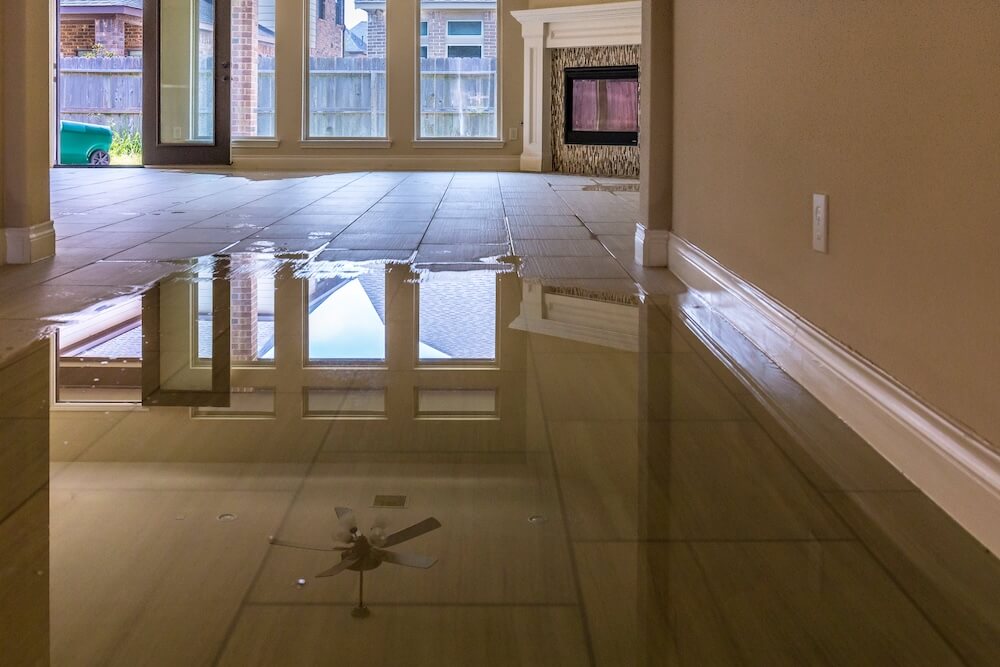
Another significant risk is basement flooding. Water that collects near the foundation often finds its way into basements or crawl spaces, especially during heavy rain or rapid snowmelt. This can result in property damage, mold growth, and unhealthy indoor air quality.
For more in-depth information on the effects of water damage, you can refer to this comprehensive overview of water damage and its impact on homes.
How Standing Water Causes Foundation Problems
To understand why standing water near foundation is bad, it’s important to look at how water interacts with building materials and soil. Here are some of the primary mechanisms by which water causes harm:
- Soil Erosion: Water runoff can wash away soil supporting the foundation, creating voids and uneven settling.
- Hydrostatic Pressure: Accumulated water increases pressure against foundation walls, which can lead to cracks or bowing.
- Freeze-Thaw Cycles: In colder climates, water in the soil freezes and expands, exerting force on the foundation and causing cracks.
- Concrete Deterioration: Prolonged exposure to moisture can weaken concrete, making it more susceptible to damage.
Common Causes of Water Pooling Near Homes
Several factors contribute to water collecting around a property’s base. Recognizing these causes can help homeowners take proactive steps to prevent issues:
- Poor Grading: If the ground slopes toward the house instead of away, rainwater and runoff will naturally flow toward the foundation.
- Clogged Gutters and Downspouts: When gutters are blocked, water overflows and falls directly next to the house.
- Improper Drainage Systems: Lack of French drains, sump pumps, or other drainage solutions can allow water to accumulate.
- Leaking Pipes: Undetected plumbing leaks can saturate the soil near the foundation.
Addressing these issues early can save significant time and money in the long run. For those interested in kitchen maintenance, check out our article on how to use a tortilla press for fry bread for more practical home tips.
Signs That Water Is Affecting Your Foundation
Detecting water problems early is essential for minimizing damage. Here are some warning signs that water may be harming your home’s foundation:
- Cracks in foundation walls or floors
- Doors and windows that stick or won’t close properly
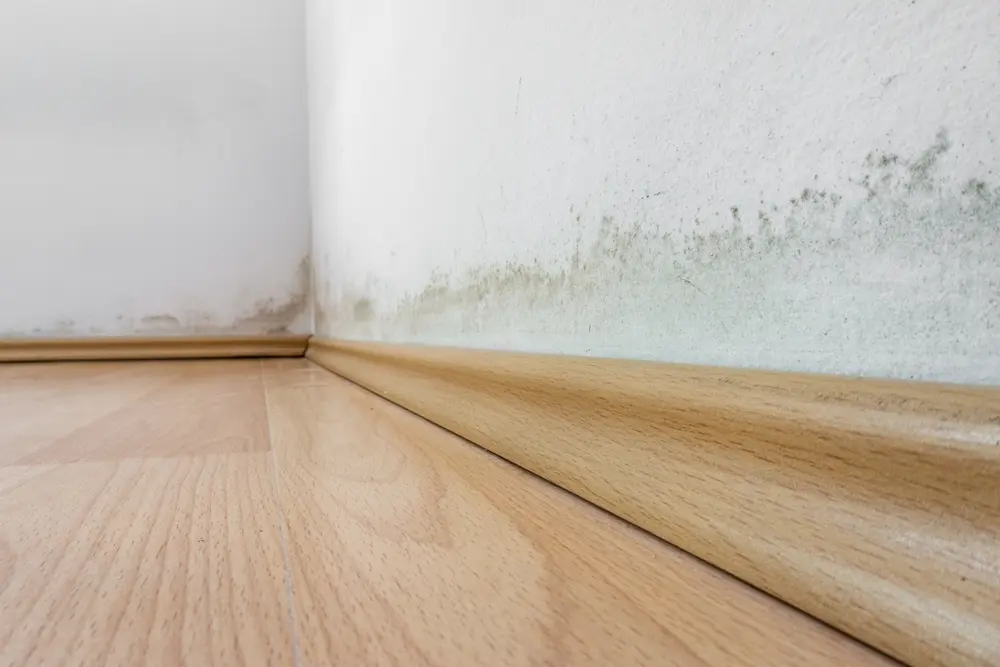
- Visible mold or mildew in the basement
- Musty odors in lower levels of the home
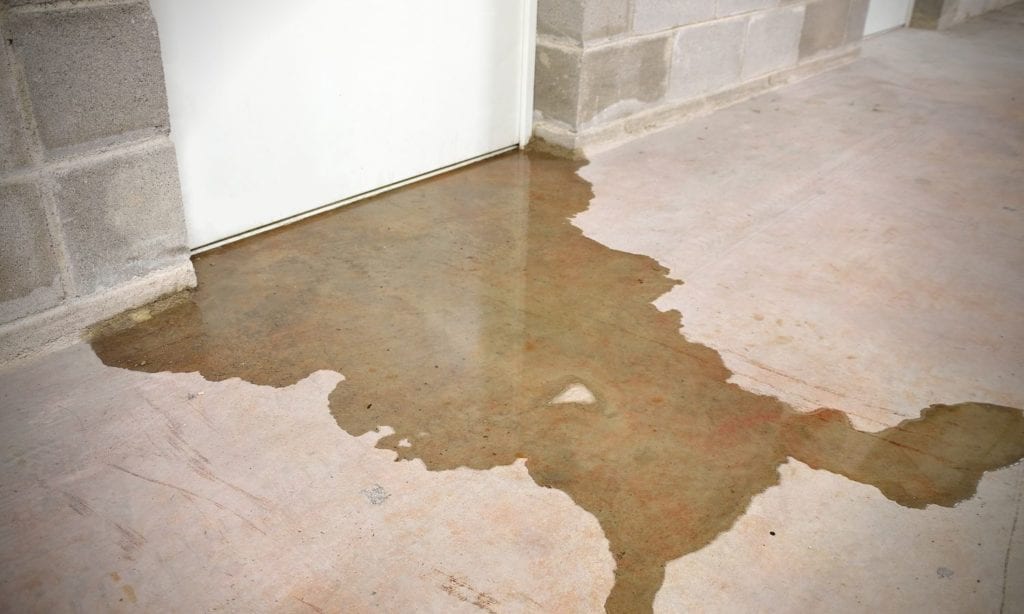
- Puddles or damp spots near the base of exterior walls
If you notice any of these issues, it’s important to investigate further and address the underlying cause as soon as possible.
Preventing Water Damage Around Your Home’s Base
There are several effective strategies to prevent water from accumulating near your home’s foundation:
- Improve Grading: Ensure the soil slopes away from the house at least six inches over the first ten feet.
- Maintain Gutters and Downspouts: Clean gutters regularly and extend downspouts at least five feet from the foundation.
- Install Drainage Solutions: Consider French drains, sump pumps, or dry wells to redirect water away from the property.
- Fix Plumbing Leaks: Use leak detectors to catch hidden pipe or toilet leaks before they cause major issues.
- Seal Foundation Cracks: Repair any visible cracks with appropriate sealants to prevent water infiltration.
Taking these steps can help you avoid the headaches and expenses associated with foundation repairs.
Long-Term Consequences of Ignoring Water Issues
Failing to address standing water near your home’s base can result in more than just cosmetic damage. Over time, the risks include:
- Severe Structural Damage: Continued foundation movement can lead to major cracks, uneven floors, and even collapse in extreme cases.
- Mold and Mildew Growth: Persistent moisture creates an ideal environment for mold, which can affect indoor air quality and pose health risks.
- Decreased Property Value: Homes with foundation problems are harder to sell and often require expensive repairs before closing.
- Increased Pest Activity: Damp environments attract termites, ants, and rodents, which can cause additional damage.
Being proactive about water management is the best way to protect your investment and ensure your home remains safe and comfortable.
Frequently Asked Questions
What should I do if I notice water pooling near my foundation?
Start by identifying the source of the water. Check your gutters, downspouts, and grading around the home. Clean out any blockages and make sure water is directed away from the foundation. If the problem persists, consider consulting a drainage specialist or foundation contractor.
Can standing water cause immediate damage to my home?
While some effects, like soil erosion, can happen quickly, most foundation damage occurs over time. However, water can cause immediate issues such as basement flooding, which may lead to property loss and mold growth if not addressed promptly.
How often should I inspect my property for water issues?
It’s a good idea to inspect your property at least twice a year, especially after heavy rainfall or snowmelt. Regular checks of gutters, downspouts, and the grading around your home can help catch problems early.
For more practical home care guides, explore our article on how to press tortillas for gorditas de azucar for kitchen tips, or learn about using a tortilla press for dumpling skins for your next cooking project.