
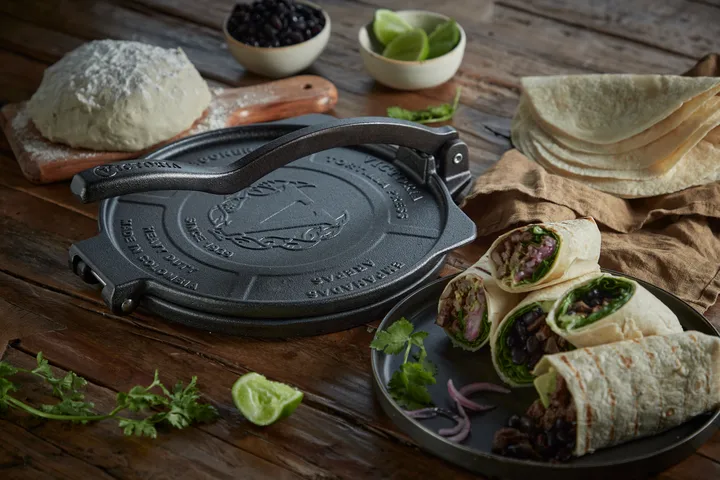
Making soft, round rotis at home can be a challenge, especially if you struggle to roll them evenly by hand. Many home cooks are now turning to tortilla presses as a practical solution for shaping Indian flatbreads quickly and with consistent results. If you’re curious about how to use a tortilla press for rotis, this guide covers everything you need to know—from choosing the right press to step-by-step instructions and troubleshooting tips.
While tortilla presses are traditionally used for Latin American breads, they are also a fantastic tool for preparing rotis, chapatis, and other Indian flatbreads. With a few simple adjustments, you can achieve authentic results and save time in your daily cooking routine. If you’re interested in exploring other creative uses for your press, you might also enjoy reading about how to press tortillas for gorditas de azucar or how to use a tortilla press for pastry dough.
Why Use a Tortilla Press for Rotis?
Hand-rolling rotis can be time-consuming and requires practice to get the perfect round shape and even thickness. A tortilla press offers several advantages:
- Consistency: Achieve uniform thickness and roundness every time.
- Efficiency: Shape multiple rotis quickly, making meal prep faster.
- Accessibility: Great for beginners or anyone with limited dexterity.
- Versatility: Use the same press for other flatbreads, dumpling skins, and even thin crust pizza. For more on this, see our guide on how to use a tortilla press for thin crust.
With the right approach, you can use a tortilla press to create rotis that are soft, puff up well, and taste just like the ones made by hand.
Choosing the Right Press for Indian Flatbreads
Not all tortilla presses are created equal. Here’s what to look for when selecting a press for rotis:
- Material: Cast iron presses are sturdy and provide even pressure, but they require proper care to prevent rust. Aluminum presses are lighter but may not be as durable.
- Size: An 8-inch press is ideal for most rotis. Larger presses can be used for parathas or bigger flatbreads.
- Surface: Smooth, non-textured surfaces prevent dough from sticking and make cleanup easier.
If you’re using a cast iron press, maintaining it is important. For tips on keeping your press in top shape, check out this comprehensive guide to restoring vintage cast iron cookware.
Preparing Dough for the Press
The dough for rotis made with a tortilla press is almost identical to traditional recipes, but a few tweaks can help you get the best results:
- Flour: Use whole wheat atta flour for authentic taste and texture.
- Water: Add enough water to make a soft, pliable dough. Too stiff and the rotis may crack; too wet and they’ll stick to the press.
- Resting: Let the dough rest for at least 15–20 minutes before shaping. This relaxes the gluten and makes pressing easier.
Divide the dough into small balls (about the size of a golf ball) and keep them covered to prevent drying out.
Step-by-Step Instructions: Making Rotis with a Tortilla Press
Follow these steps for the best results when using a tortilla press for Indian flatbreads:
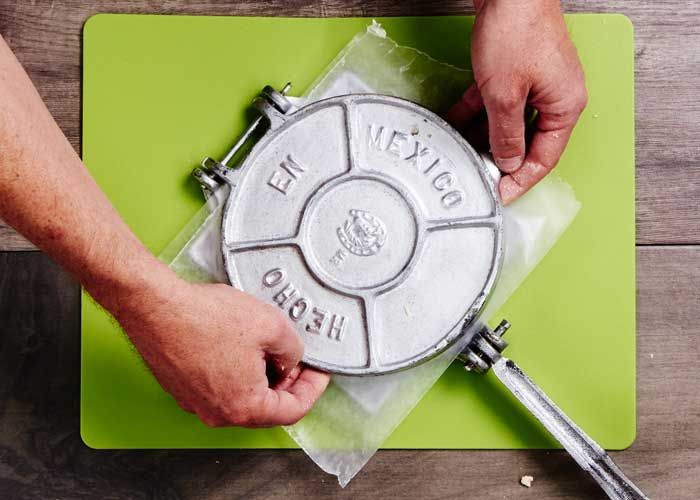
- Prepare the Press: Wipe the surface clean and, if needed, lightly oil it to prevent sticking. Place a sheet of parchment paper or a cut plastic bag on both the top and bottom plates. This makes it easier to lift the pressed dough without tearing.
- Shape the Dough Ball: Take a dough ball and flatten it slightly between your palms.
- Position the Dough: Place the dough ball in the center of the press, between the two sheets of parchment or plastic.
- Press Gently: Lower the top plate and press down firmly but gently. Do not use excessive force, as this can make the roti too thin or uneven.
- Check Thickness: Open the press and check the thickness. For rotis, aim for about 2 mm (slightly thicker than a tortilla). If needed, rotate the dough and press again for a more even circle.
- Remove Carefully: Peel the roti off the parchment or plastic. If it sticks, dust lightly with flour before pressing the next one.
- Cook Immediately: Transfer the pressed roti to a hot tawa or skillet. Cook until bubbles appear, then flip and cook the other side. Optionally, finish directly over a flame for puffed rotis.
Repeat the process for the remaining dough balls. With practice, you’ll find the ideal pressure and technique for your preferred texture.
Troubleshooting Common Issues
Even with a press, you might encounter some challenges. Here are solutions to common problems:
- Rotis Stick to the Press: Use parchment or plastic sheets, and dust the dough lightly with flour.
- Rotis Are Too Thick or Thin: Adjust the pressure you apply. Practice makes perfect.
- Edges Are Cracked: The dough may be too dry. Add a little more water and knead well.
- Rotis Don’t Puff: Ensure the dough is soft and rested. Cook on a very hot tawa and finish over an open flame for best results.
For long-term care of your press, especially if it’s cast iron, see this detailed advice on how to store a cast iron press long term.
Cleaning and Maintenance Tips
Proper care extends the life of your tortilla press and ensures safe, hygienic cooking:
- Wipe the press clean with a damp cloth after each use. Avoid submerging cast iron in water.
- Dry thoroughly to prevent rust, especially for cast iron models.
- Oil lightly if storing for long periods.
- Store in a dry place, away from moisture.
If you ever need to restore a neglected or vintage press, refer to this step-by-step guide to restoring cast iron cookware.
Creative Variations and Other Uses
Once you’re comfortable with making rotis, you can use your tortilla press for other Indian breads such as parathas, puris, and even stuffed flatbreads. The same technique works for gluten-free flours like jowar or bajra, though you may need to adjust the dough’s consistency. For more inspiration, see our tips on using a tortilla press for dumpling skins.
Frequently Asked Questions
Can I use a tortilla press for gluten-free rotis?
Yes, a tortilla press works well for gluten-free flatbreads such as jowar, bajra, or rice rotis. These doughs are often more delicate, so use parchment or plastic sheets and handle the pressed dough gently to avoid tearing.
Do I need to use parchment or plastic sheets every time?
Using parchment or plastic sheets is highly recommended, especially for soft and sticky doughs. They prevent sticking and make it much easier to lift the pressed roti without distortion.
How do I prevent my rotis from becoming dry or hard?
Make sure your dough is soft and well-hydrated, and always cover dough balls while working. Cook the rotis on a hot tawa and avoid overcooking, which can make them tough. Storing cooked rotis in a covered container or wrapped in a clean cloth helps retain moisture.
Conclusion
Using a tortilla press for Indian flatbreads can transform your cooking routine, making it easier to prepare soft, round rotis with minimal effort. With the right dough, a quality press, and a few simple techniques, you’ll enjoy authentic results every time. Whether you’re new to Indian cooking or looking to streamline your process, this approach offers both convenience and consistency. Explore more ways to use your press and discover new recipes to enjoy at home.




