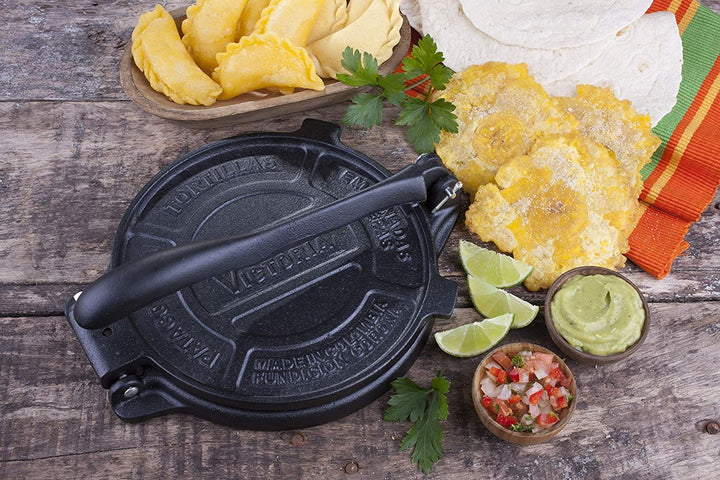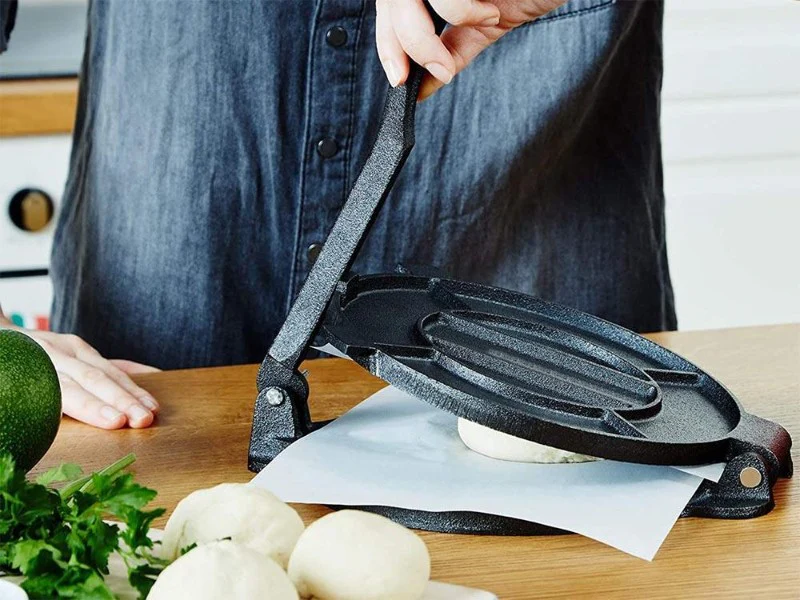
Cast iron cookware and kitchen tools are prized for their durability, heat retention, and ability to deliver outstanding results in the kitchen. However, one of the most common concerns with these items is rust. If you want your cast iron tortilla presses, skillets, or griddles to last for generations, understanding how to prevent rust on cast iron kitchen tools is essential. With the right care, you can keep your cast iron in top condition, ensuring it remains a reliable part of your cooking routine.
Proper maintenance not only preserves the performance of your cast iron but also protects your investment. In this guide, you’ll find practical steps, expert tips, and answers to common questions about keeping rust at bay. If you’re interested in broader storage solutions, check out our detailed advice on how to store a cast iron press long term for rust protection.
Why Cast Iron Rusts and How to Recognize Early Signs
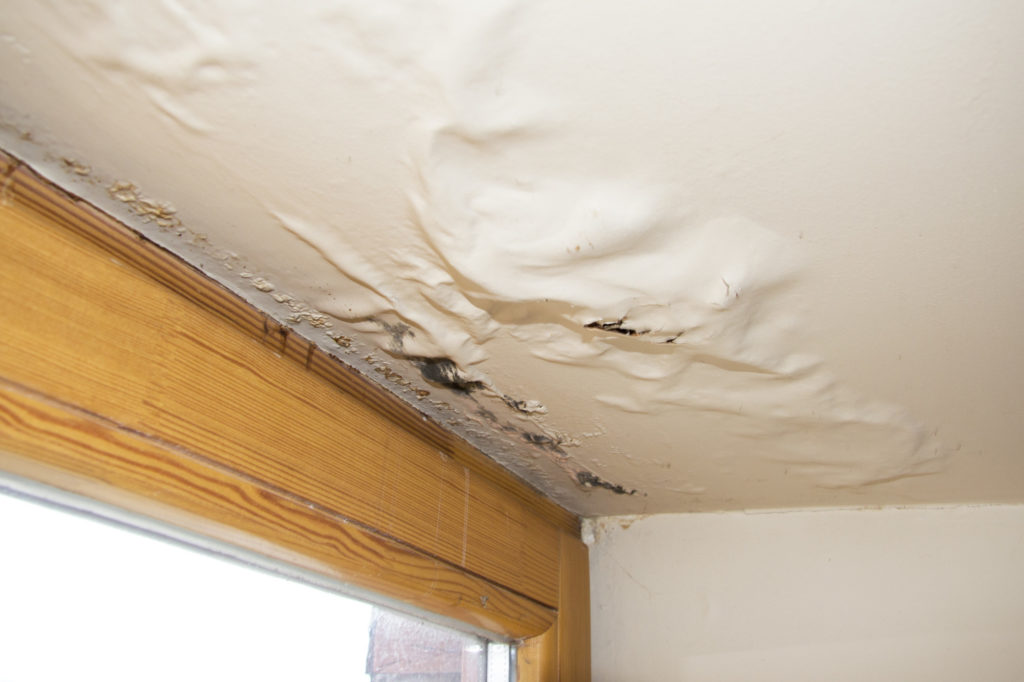
Cast iron is made primarily of iron, which reacts with moisture and oxygen in the air to form rust. Even a small amount of water left on the surface can start the oxidation process. Recognizing early signs of rust—such as orange or brown spots, rough patches, or a dull finish—allows you to act quickly before the problem worsens.
Common causes of rust on cast iron kitchen tools include:
- Leaving cookware wet or damp after washing
- Storing in humid environments
- Improper seasoning or worn seasoning layers
- Using harsh detergents or scrubbing pads that strip the protective coating
Essential Steps to Prevent Rust on Cast Iron Kitchen Tools
Keeping your cast iron rust-free is straightforward when you follow a consistent care routine. Here are the most important steps:
1. Clean Immediately After Use
After cooking, allow your cast iron tool to cool slightly, then clean it while it is still warm. Use hot water and a gentle brush or non-abrasive scrubber. Avoid soaking cast iron or using the dishwasher, as prolonged exposure to water increases the risk of rust.
If food is stuck, use a small amount of coarse salt as a scrub. Rinse thoroughly and dry immediately.
2. Dry Thoroughly and Quickly
Moisture is the enemy of cast iron. After washing, dry your kitchen tool completely with a towel. For extra assurance, place it on a stovetop burner over low heat for a few minutes to evaporate any remaining moisture.
3. Apply a Thin Layer of Oil
Once dry, rub a small amount of neutral oil (such as flaxseed, canola, or vegetable oil) over the entire surface, inside and out. Wipe away any excess with a paper towel. This thin layer acts as a barrier against moisture and helps maintain the seasoning.
4. Store in a Dry, Well-Ventilated Place
Choose a storage spot away from sinks, dishwashers, or other sources of humidity. If stacking cast iron items, place a paper towel between them to absorb any residual moisture and prevent scratches.

Seasoning: The Key to Long-Lasting Protection
Seasoning is the process of baking oil onto the cast iron surface to create a natural, non-stick layer that also protects against rust. Over time, this layer becomes more robust, making your kitchen tools easier to clean and more resistant to moisture.
To season your cast iron:
- Preheat your oven to 400°F (200°C).
- Apply a thin, even layer of oil to the entire surface.
- Place the item upside down on the oven rack (with foil underneath to catch drips).
- Bake for 1 hour, then let cool in the oven.
Repeat this process a few times when your cast iron is new or after removing rust. Regular use and light oiling after each wash will maintain the protective layer.
Common Mistakes That Lead to Rust
Even experienced cooks can make errors that encourage rust formation. Avoid these pitfalls:
- Letting cast iron air dry after washing
- Storing with the lid on, trapping moisture inside
- Using soap excessively, which can strip seasoning
- Neglecting to re-season after deep cleaning or rust removal
For more tips on using cast iron tools for specific recipes, you might find our guide on how to press tortillas for gorditas de azucar helpful.

Advanced Tips for Keeping Cast Iron Rust-Free
For those who want to go the extra mile, consider these additional strategies:
- Use your cast iron regularly: Frequent cooking helps maintain the seasoning and prevents moisture buildup.
- Avoid acidic foods: Tomatoes and vinegar can strip the seasoning if cooked for long periods.
- Monitor kitchen humidity: Use a dehumidifier if you live in a damp climate, or store cast iron in a cabinet with silica gel packets.
- Inspect regularly: Check for early signs of rust and address them immediately to prevent spreading.
For a comprehensive overview of cast iron care, including troubleshooting and restoration, see these care instructions for cast iron from industry experts.
What to Do If Rust Appears
If you notice rust on your cast iron kitchen tool, don’t panic. Most surface rust can be removed with a few simple steps:
- Scrub the rusted area with steel wool or a stiff brush under running water.
- Rinse and dry thoroughly.
- Re-season the affected area (or the whole tool) following the steps above.
Repeat as needed until the rust is gone and the seasoning is restored. With prompt action, your cast iron will be as good as new.
Frequently Asked Questions
Can I use soap on cast iron kitchen tools?
Yes, a small amount of mild soap is safe for cleaning cast iron, especially if the seasoning is well-established. Just be sure to rinse thoroughly and dry immediately. Avoid harsh detergents or soaking, as these can strip the protective layer.
How often should I season my cast iron?
Season your cast iron whenever the surface looks dull, feels sticky, or after removing rust. For regular use, a light oiling after each wash is usually sufficient to maintain the protective coating.
What is the best oil for seasoning cast iron?
Neutral oils with a high smoke point, such as flaxseed, canola, or grapeseed oil, are ideal for seasoning. Avoid butter or olive oil, as they can become sticky or rancid over time.
Is it safe to cook acidic foods in cast iron?
Short cooking times with acidic foods are generally fine, but prolonged exposure can erode the seasoning. If you cook with tomatoes or vinegar often, monitor the surface and re-season as needed.
Conclusion
Maintaining your cast iron kitchen tools is a straightforward process that pays off with years of reliable performance. By following the steps outlined above—cleaning, drying, oiling, and storing properly—you can effectively prevent rust on cast iron kitchen tools and enjoy their benefits for generations. For more tips on using your tortilla press for different doughs, explore our guides on how to use a tortilla press for pastry dough and how to use a tortilla press for thin crust. With a little care, your cast iron will remain a kitchen staple for years to come.