Homemade enchiladas are a staple in many kitchens, but the secret to a truly satisfying dish often lies in the quality of the tortillas. If you’ve ever had enchiladas fall apart in the sauce or break during rolling, you know how important it is to make sturdy, flexible tortillas. Learning how to press tortillas for enchiladas is a practical skill that can elevate your cooking and help you achieve restaurant-quality results at home.
This guide covers the essential steps for pressing tortillas that hold up to filling, rolling, and baking. We’ll discuss dough preparation, pressing technique, and tips for preventing breakage. You’ll also find recommendations for tools, troubleshooting advice, and answers to common questions about making tortillas for enchiladas. If you’re interested in exploring other uses for your tortilla press, check out our article on how to press tortillas for gorditas de azucar for sweet dough tips.
Choosing the Right Dough for Enchilada Tortillas
The foundation of a durable tortilla starts with the dough. For enchiladas, masa harina (corn flour) is the traditional choice, though some recipes use wheat flour. The key is to achieve the right moisture balance—too dry, and the tortillas will crack; too wet, and they’ll be sticky and hard to handle.
- Corn tortillas: Use masa harina and warm water. Add a pinch of salt for flavor.
- Flour tortillas: Use all-purpose flour, water, a bit of fat (like oil or lard), and salt.
Let the dough rest for at least 20-30 minutes before pressing. This allows the flour to hydrate fully, resulting in a more pliable and cohesive dough that’s easier to press and less likely to tear.
Essential Tools for Pressing Tortillas
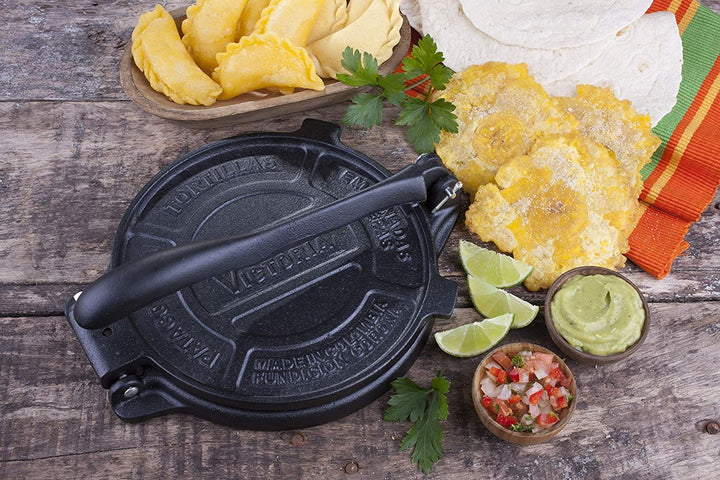
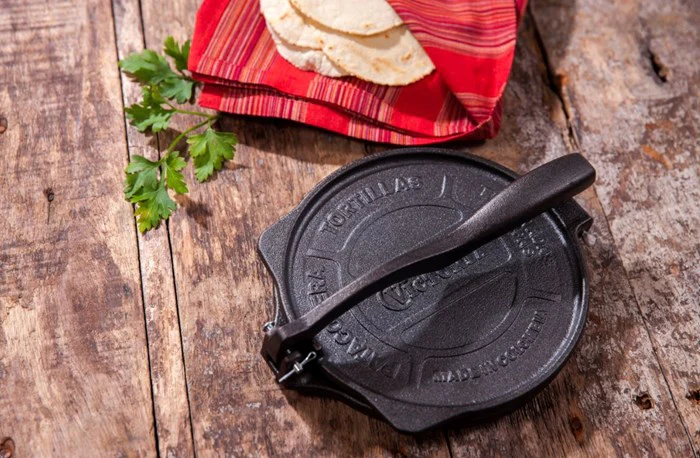
While tortillas can be flattened by hand or with a rolling pin, a tortilla press provides consistent thickness and shape, which is especially important for enchiladas. A sturdy press also helps ensure even cooking and prevents thin spots that can lead to breakage.
For more details on different types of presses and their features, see this comprehensive guide to tortilla presses.
- Cast iron presses: Provide even pressure and are highly durable.
- Aluminum presses: Lightweight and easy to handle, but may not be as sturdy.
- Wooden presses: Traditional and attractive, but require more care.
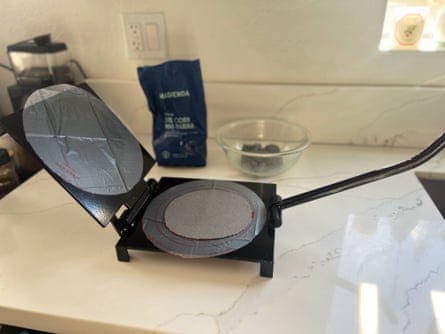
To prevent sticking, line the press with sheets of plastic or parchment paper before pressing each dough ball.
Step-by-Step Guide: Pressing Tortillas for Enchiladas
Follow these steps to create tortillas that are flexible, uniform, and strong enough for rolling and baking:
- Divide the dough: Roll the rested dough into golf ball-sized portions (about 1.5 ounces each).
- Prepare the press: Place a piece of plastic or parchment on the bottom plate, add a dough ball, then cover with another sheet.
- Press evenly: Close the press and apply firm, even pressure. The goal is a tortilla about 5-6 inches in diameter and 1/8 inch thick—thicker than taco tortillas for added durability.
- Check thickness: If the tortilla is too thin, it may tear during assembly. If too thick, it won’t roll easily. Adjust pressure as needed.
- Remove carefully: Peel the tortilla from the plastic gently to avoid stretching or tearing.
Repeat for all dough balls, keeping pressed tortillas covered with a towel to prevent drying out.
Cooking and Handling: Maximizing Tortilla Strength
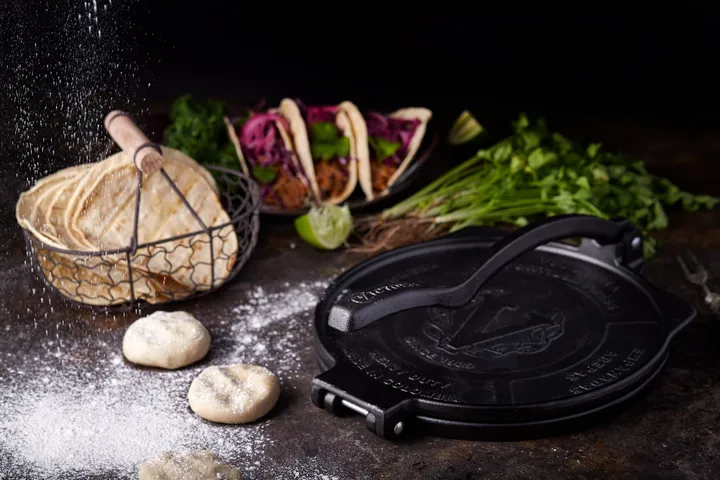
Once pressed, tortillas need to be cooked properly to achieve flexibility and strength. Heat a dry skillet or griddle over medium-high heat. Cook each tortilla for 30-45 seconds on the first side, then flip and cook for another 30 seconds. Look for light brown spots and slight puffing, which indicate doneness.
- Do not overcook: Overcooked tortillas become brittle and prone to cracking.
- Keep warm: Stack cooked tortillas in a towel or tortilla warmer to retain moisture and softness.
If you’re making a large batch, cover the stack with a damp towel. This prevents the edges from drying out, which is crucial for rolling enchiladas without breakage.
Tips for Preventing Tortilla Breakage in Enchiladas
Even well-pressed tortillas can break if not handled properly during assembly. Here are some tips to keep your enchiladas intact:
- Dip before filling: Briefly dip each tortilla in warm sauce or oil before filling and rolling. This softens the tortilla and adds flavor.
- Don’t overfill: Use a moderate amount of filling to avoid tearing the tortilla when rolling.
- Roll gently: Start at one end and roll tightly but gently to avoid splitting.
- Bake with care: Arrange enchiladas seam-side down in the baking dish and cover with sauce to keep them moist during baking.
Common Mistakes and Troubleshooting
Pressing tortillas for enchiladas can take a little practice. Here are some common issues and solutions:
| Problem | Possible Cause | Solution |
|---|---|---|
| Tortillas crack when rolling | Dough too dry or tortillas overcooked | Add more water to dough; reduce cooking time |
| Tortillas stick to press | Not enough plastic/parchment used | Use two sheets of plastic or parchment |
| Tortillas too thick/thin | Uneven pressing | Apply even pressure; adjust dough ball size |
| Tortillas dry out before use | Left uncovered | Keep covered with a towel or in a warmer |
Exploring Other Uses for Your Tortilla Press
Once you’ve mastered pressing tortillas for enchiladas, your press can be used for a variety of other recipes. For example, you can learn how to use a tortilla press for pastry dough to achieve flaky results, or try making dumpling skins and thin crust pizzas. Proper care and storage of your press, especially if it’s cast iron, ensures it lasts for years—see our guide on how to store a cast iron press long term for rust protection tips.
Frequently Asked Questions
What thickness is best when pressing tortillas for enchiladas?
For enchiladas, aim for a thickness of about 1/8 inch. This is slightly thicker than taco tortillas, providing enough strength to hold fillings and withstand baking without becoming tough.
Can I use store-bought tortillas for enchiladas?
While store-bought tortillas are convenient, homemade versions pressed to the right thickness and moisture level are less likely to break or become mushy when baked. If using store-bought, warm them and dip in sauce or oil before assembly to improve flexibility.
How do I keep tortillas from sticking to the press?
Always use two sheets of plastic or parchment paper when pressing each tortilla. This prevents sticking and makes it easier to transfer the uncooked tortilla to the skillet.
What’s the best way to reheat homemade tortillas for enchiladas?
Wrap the tortillas in a damp towel and microwave for 30 seconds, or warm them in a covered skillet. This restores moisture and flexibility, making them easier to roll and less likely to crack.