
Managing the moisture level inside your home is essential for comfort, health, and the longevity of your property. Excessive humidity can lead to mold growth, musty odors, and even structural damage over time. Understanding how to keep indoor humidity low helps prevent these issues and creates a healthier living environment. This article explores practical strategies, maintenance tips, and product solutions to help you maintain ideal humidity levels all year round.
Whether you live in a humid climate or experience seasonal spikes in moisture, taking proactive steps can make a noticeable difference. We’ll cover the most effective methods to reduce indoor dampness, highlight common sources of moisture, and discuss how to monitor and control humidity for optimal results. If you’re interested in other practical home guides, you might also enjoy our article on how to press tortillas for gorditas de azucar.
Why Reducing Indoor Humidity Matters
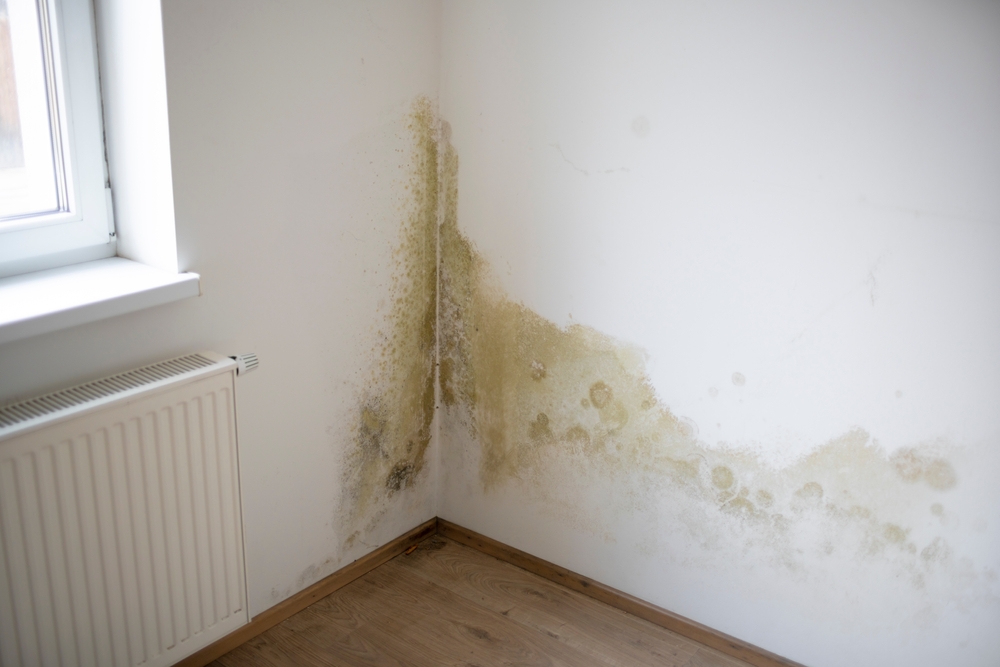
High humidity indoors can cause a range of problems, from discomfort and poor air quality to more serious concerns like mold, mildew, and water damage. When the air holds too much moisture, it becomes a breeding ground for dust mites and allergens, which can trigger respiratory issues and allergies. Additionally, excessive dampness can warp wood, peel paint, and damage electronics.
Maintaining a balanced humidity level—ideally between 30% and 50%—is crucial for your health and your home’s integrity. By learning how to keep indoor humidity low, you can avoid costly repairs and create a more pleasant living space.
Common Causes of High Indoor Humidity
Before addressing the solutions, it’s important to identify the sources of excess moisture in your home. Common contributors include:
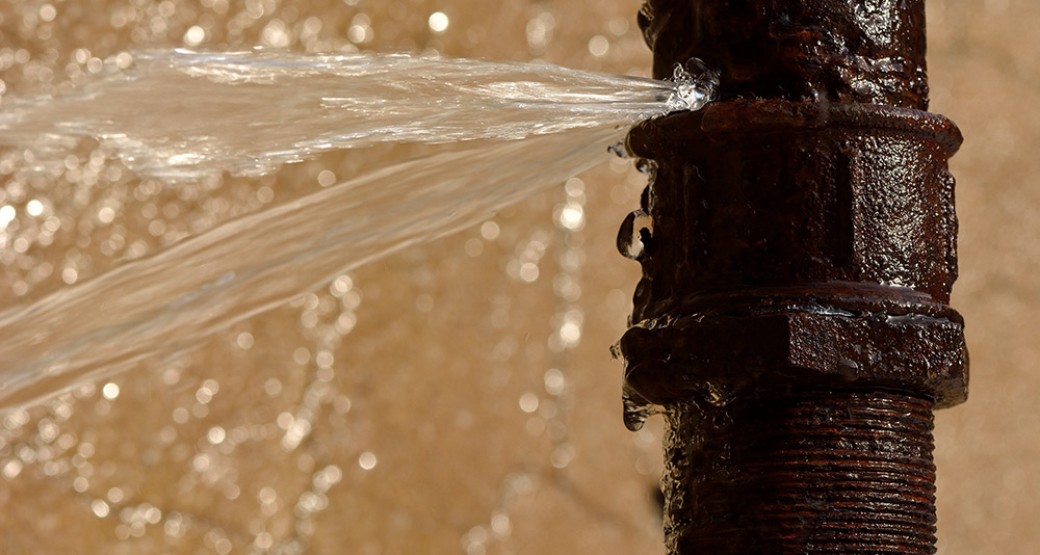
- Leaking pipes or plumbing fixtures
- Poor ventilation in bathrooms and kitchens
- Drying clothes indoors
- Unsealed windows and doors
- Basement seepage or flooding
- Cooking without exhaust fans
- Overwatering houseplants
By pinpointing these sources, you can take targeted action to reduce humidity and prevent future problems.
Effective Strategies for Lowering Indoor Moisture
There are several proven methods to help you control and lower humidity inside your home. Here are some of the most effective approaches:
Improve Ventilation
Proper airflow is one of the simplest ways to reduce moisture. Use exhaust fans in bathrooms and kitchens whenever you cook or shower. If possible, open windows to let fresh air circulate, especially after activities that generate steam. In areas prone to dampness, such as basements, consider installing a ventilation system or using a portable fan to keep air moving.
Use Dehumidifiers
Dehumidifiers are designed to extract excess moisture from the air, making them a reliable solution for rooms with persistent humidity problems. Choose a model that matches the size of your space and empty the water reservoir regularly. For whole-house coverage, you may want to invest in a central dehumidification system.
Fix Leaks and Address Water Intrusion
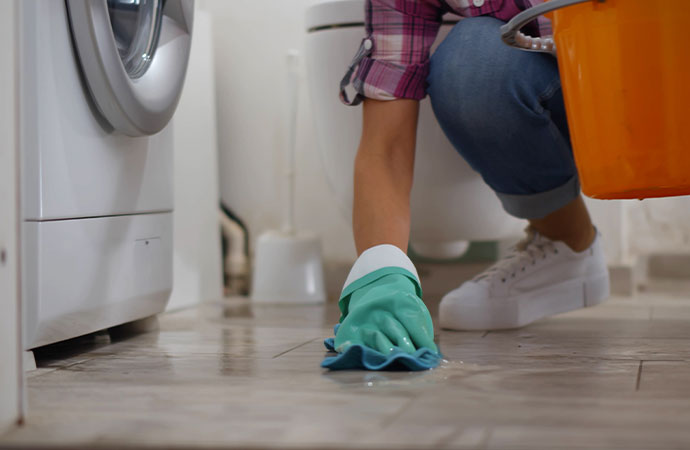
Even small leaks can contribute significantly to indoor dampness. Inspect pipes, faucets, and appliances for signs of leakage and repair any issues promptly. Make sure your roof, gutters, and downspouts are in good condition to prevent rainwater from seeping into your home. For more guidance on water mitigation, check out this comprehensive guide to water mitigation strategies.
Seal Windows and Doors
Gaps and cracks around windows and doors allow humid outdoor air to enter your home. Use weatherstripping or caulk to seal these openings and keep moisture out. This not only helps control humidity but also improves energy efficiency by reducing drafts.
Limit Indoor Water Sources
Simple changes in daily habits can make a big difference. Avoid drying clothes indoors, cover pots while cooking, and keep bathroom doors closed during showers. If you have a lot of houseplants, group them together and place a tray of pebbles underneath to catch excess water.
Monitoring and Maintaining Ideal Humidity Levels
To maintain a comfortable and healthy environment, it’s important to regularly monitor your home’s humidity. Hygrometers are inexpensive devices that measure moisture in the air. Place them in key areas like bedrooms, basements, and bathrooms to track changes and adjust your strategies as needed.
Routine maintenance is also crucial. Clean or replace air filters in your HVAC system, check for new leaks, and inspect your dehumidifier for proper operation. Staying proactive helps prevent small issues from turning into major problems.
Additional Tips for Managing Moisture Indoors
- Run your air conditioner during humid months, as it naturally removes moisture from the air.
- Store firewood outside, as it can release moisture into your home.
- Keep gutters clean and direct downspouts away from the foundation.
- Use moisture-absorbing products like silica gel or desiccant packs in closets and storage areas.
- Consider waterproofing your basement if you notice persistent dampness.
Implementing these tips can help you achieve and maintain a comfortable indoor environment, even during the most humid times of the year. If you’re interested in more home care advice, you might also find our guide on how to use a tortilla press for pastry dough helpful.
FAQ: Indoor Humidity Control
What is the ideal indoor humidity level?
The recommended range for indoor humidity is between 30% and 50%. Levels above 60% can encourage mold growth and dust mites, while levels below 30% may cause dry skin and respiratory discomfort.
How can I tell if my home is too humid?
Common signs include condensation on windows, musty odors, visible mold or mildew, and a clammy feeling in the air. Using a hygrometer provides an accurate measurement of your indoor moisture levels.
Are dehumidifiers expensive to run?
Most modern dehumidifiers are energy-efficient and cost only a few cents per hour to operate. The expense is usually outweighed by the benefits of preventing mold, protecting your belongings, and improving comfort.
Conclusion
Keeping moisture under control is vital for a healthy, comfortable home. By following the strategies outlined in this guide—improving ventilation, fixing leaks, sealing entry points, and using dehumidifiers—you can effectively manage indoor humidity. Regular monitoring and maintenance will help you avoid common pitfalls and enjoy a fresher, safer living space. For more information on preventing water damage and related topics, explore resources like the water mitigation article and our other practical home guides.




