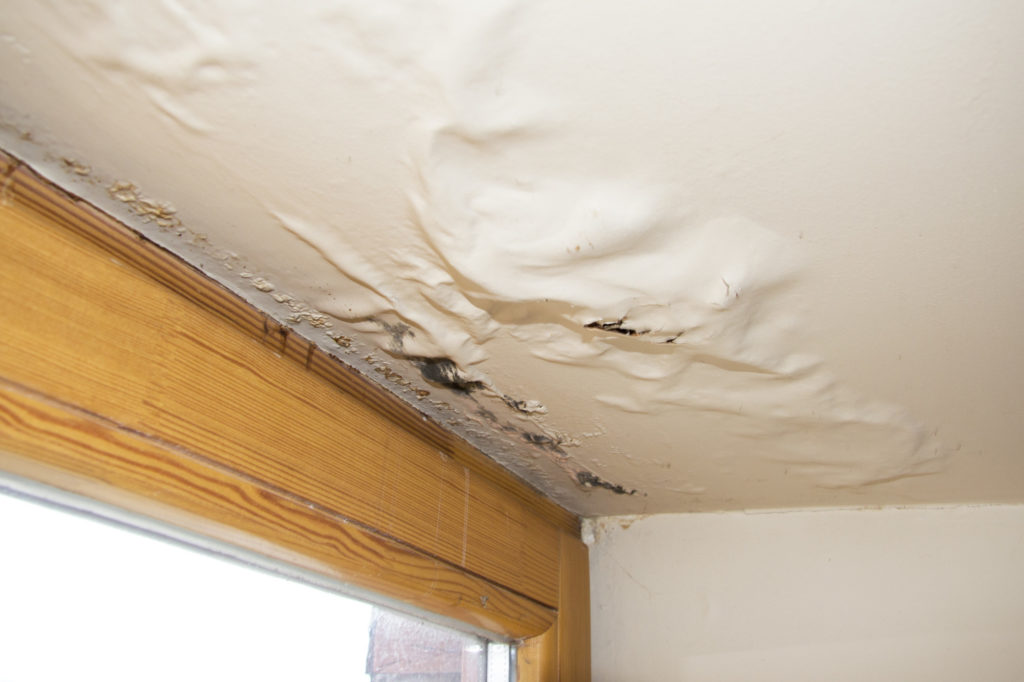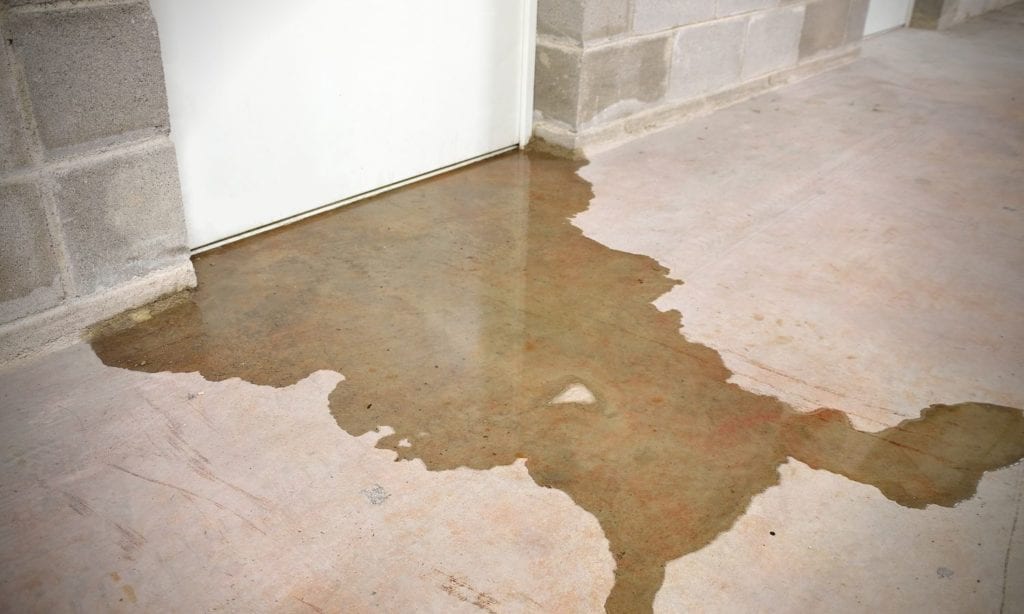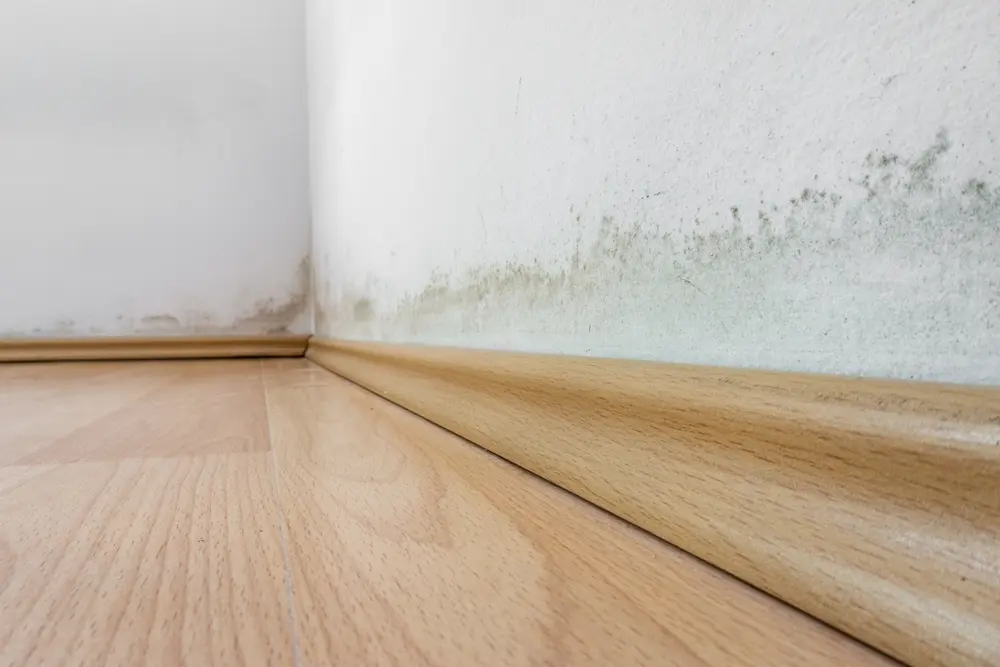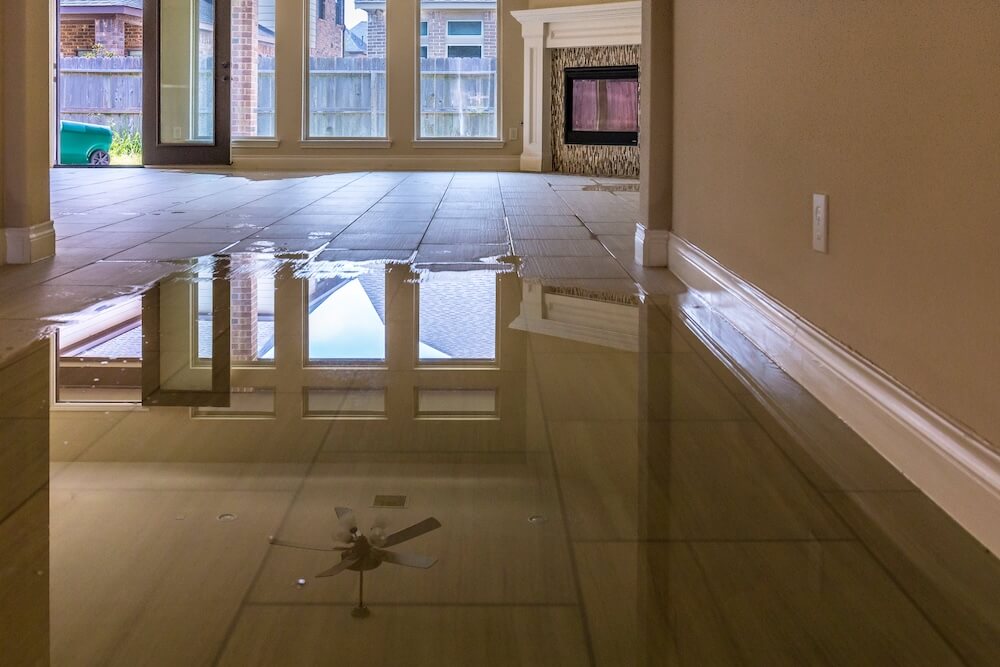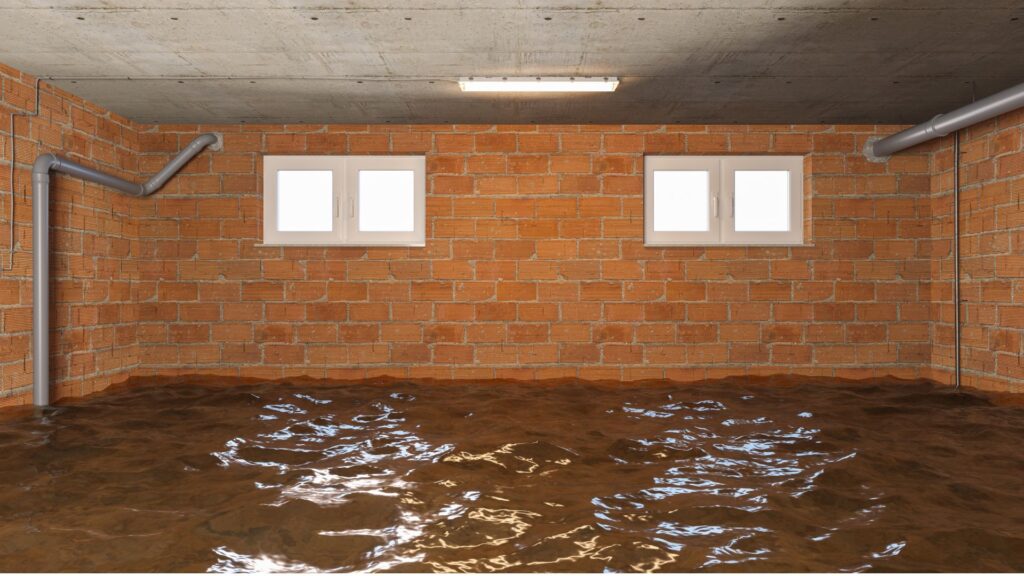
Keeping your basement dry and safe is essential for protecting your home’s foundation, preventing costly water damage, and maintaining a healthy indoor environment. Basement flood prevention involves a combination of proactive maintenance, smart upgrades, and awareness of potential risks. Whether you live in an area prone to heavy rain or simply want to safeguard your property, understanding the best strategies to keep water out of your basement is crucial.
In this article, you’ll find practical advice on minimizing flood risks, essential maintenance tasks, and effective solutions for long-term protection. If you’re interested in other home improvement tips, you might enjoy our guide on how to press tortillas for gorditas de azucar.
Understanding Why Basements Flood
Before diving into prevention methods, it’s important to know why basements are vulnerable to water intrusion. Common causes include:
- Poor drainage around the foundation, allowing water to pool and seep through walls.
- Cracks in the foundation or basement walls, which provide entry points for groundwater.
- Faulty gutters and downspouts that direct rainwater too close to the house.
- Plumbing leaks from pipes, water heaters, or appliances located in the basement.
- High water tables or rapid snowmelt causing hydrostatic pressure against the foundation.
Recognizing these risks is the first step toward effective basement flood prevention.
Exterior Strategies to Keep Water Out
Most water problems start outside. Addressing exterior issues is a key part of keeping your basement dry. Here are some essential steps:
Maintain Gutters and Downspouts
Clean gutters regularly to prevent blockages. Ensure downspouts extend at least six feet away from your foundation. This simple task can significantly reduce the risk of water pooling near your basement walls.
Grade the Landscape Properly
The ground around your home should slope away from the foundation. A slope of at least 6 inches over 10 feet is recommended. This helps direct rainwater away from your basement, reducing the chance of seepage.
Install Exterior Drainage Solutions
Consider adding French drains, swales, or dry wells to redirect water away from your home. These systems collect and move water efficiently, especially in areas with heavy rainfall.
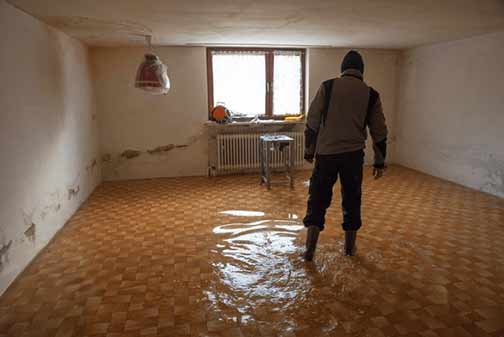
Interior Solutions for Basement Flood Protection
Even with the best exterior defenses, it’s wise to reinforce your basement from the inside. Here are some effective interior measures:
Seal Cracks and Gaps
Inspect your basement walls and floors for cracks or gaps. Use hydraulic cement or waterproof sealant to close these openings, preventing water from seeping in during storms or snowmelt.
Install a Sump Pump
A sump pump is a powerful tool for basement flood prevention. It collects water from a sump pit and pumps it away from your home. Test your sump pump regularly and consider a battery backup to ensure it works during power outages.
Use Water Leak Detectors
Early detection can save you from major headaches. Place water leak detectors near appliances, water heaters, and other vulnerable spots. These devices alert you to leaks before they become serious problems. For a reliable option, consider the Buy Water Leak Detector.
Maintain Your Plumbing
Regularly inspect pipes, water heaters, and washing machines for leaks or corrosion. Replace old or damaged plumbing components promptly to avoid water damage.
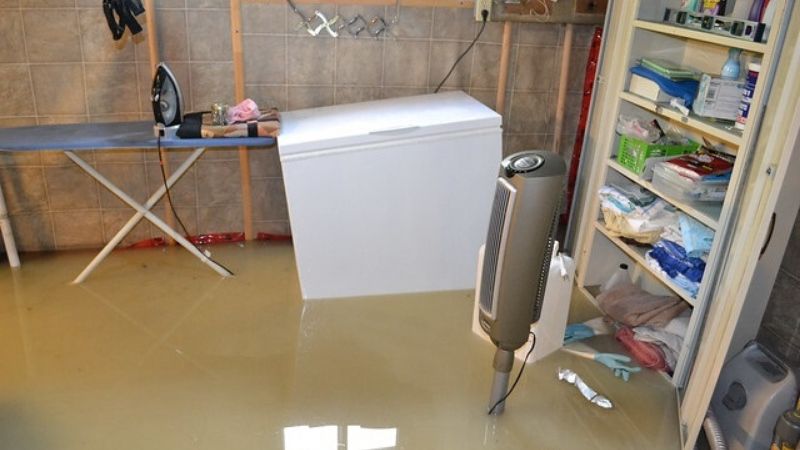
Long-Term Upgrades for Maximum Protection
If you’re looking for more robust solutions, consider these long-term upgrades:
- Waterproofing membranes applied to basement walls and floors create a barrier against moisture.
- Interior drainage systems such as perimeter drains or weeping tiles collect and channel water to your sump pump.
- Backwater valves prevent sewage from backing up into your basement during heavy rains.
- Window well covers keep rain and debris out of basement window wells, reducing the risk of leaks.
These investments can provide peace of mind and add value to your home.
Routine Maintenance Checklist
Consistent maintenance is essential for ongoing basement flood prevention. Use this checklist to stay on top of key tasks:
- Clean gutters and downspouts at least twice a year.
- Check grading and landscaping annually.
- Inspect basement walls and floors for cracks every spring and fall.
- Test your sump pump before rainy seasons.
- Look for signs of leaks around plumbing fixtures and appliances regularly.
- Replace water leak detector batteries as needed.
Additional Resources and Expert Advice
For more in-depth strategies, you can explore these expert tips for flood-proofing your house. Consulting with a local waterproofing professional is also a smart move if you notice persistent dampness, musty odors, or visible water stains in your basement.
While this guide focuses on water protection, you might also be interested in our article on how to use a tortilla press for pastry dough for more household tips.
Frequently Asked Questions
What is the most effective way to prevent basement flooding?
The most effective approach combines exterior drainage improvements, such as proper grading and gutter maintenance, with interior solutions like sump pumps and sealing cracks. Regular inspections and the use of water leak detectors also play a vital role.
How often should I check my sump pump?
Test your sump pump at least twice a year, ideally before the rainy season and after any major storm. Make sure it’s free of debris and consider a battery backup for added security during power outages.
Can landscaping really help keep my basement dry?
Yes, proper landscaping is crucial. Ensuring the ground slopes away from your foundation and using plants that absorb excess water can significantly reduce the risk of water seeping into your basement.
Conclusion
Protecting your basement from flooding requires a proactive approach, combining regular maintenance, smart upgrades, and early detection tools. By following these strategies, you can greatly reduce the risk of water damage and enjoy a dry, healthy living space. Remember, investing time and resources in basement flood prevention now can save you from costly repairs and stress in the future.