Modern households face a variety of risks, from break-ins and fire to environmental hazards. Understanding how different alarm systems work and which options best suit your needs is essential for keeping your home and family safe. This guide offers a comprehensive look at home alert systems explained, breaking down the main types, features, and considerations so you can make an informed decision.
Whether you’re upgrading an older setup or choosing your first security solution, it’s important to know the differences between traditional alarms and smart security systems. We’ll also highlight key factors like installation, monitoring, and integration with other smart home devices. For those interested in the latest advancements, you may want to explore next-generation home security systems for a deeper dive into cutting-edge features.
Understanding the Basics of Home Alarm Solutions
At their core, home alert systems are designed to detect threats and notify you or emergency services. These systems can range from simple door alarms to comprehensive setups that monitor for fire, carbon monoxide, flooding, and even air quality. The main goal is to provide peace of mind and a rapid response to potential dangers.
There are two primary categories:
- Traditional alarm systems: Typically hardwired, these systems use sensors on doors and windows, motion detectors, and a central control panel. They often rely on a landline or cellular connection to alert a monitoring center or the homeowner.
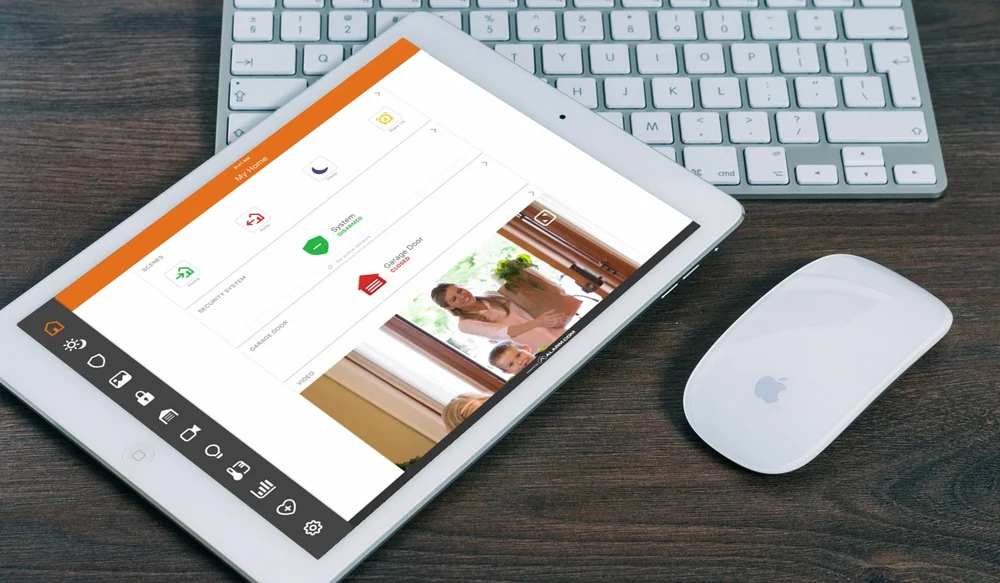
- Smart security systems: These leverage wireless technology and can connect to your smartphone or other devices. They offer features like remote arming/disarming, real-time notifications, and integration with other smart home products.
Choosing between these options depends on your property, budget, and desired level of control.
Key Components of a Reliable Alert System
When evaluating home alert systems explained, it’s helpful to break down the essential components that make up a robust solution:
- Sensors: Detect motion, glass breakage, smoke, carbon monoxide, water leaks, and more.
- Control panel or hub: The central brain that receives signals from sensors and triggers alerts.
- Alarms and sirens: Audible and visual indicators that warn occupants and deter intruders.
- Communication modules: Connect the system to monitoring services or send notifications to your phone.
- Backup power: Ensures continued operation during outages.
Some advanced systems also include cameras, smart locks, and environmental sensors for a more comprehensive approach.
Comparing Smart and Traditional Security Setups
One of the most common questions is whether to opt for a classic wired system or a modern, smart alternative. Here’s a quick comparison to help you decide:
| Feature | Traditional Systems | Smart Systems |
|---|---|---|
| Installation | Professional, often requires wiring | DIY-friendly, wireless options |
| Monitoring | Usually requires subscription | Self-monitoring or professional |
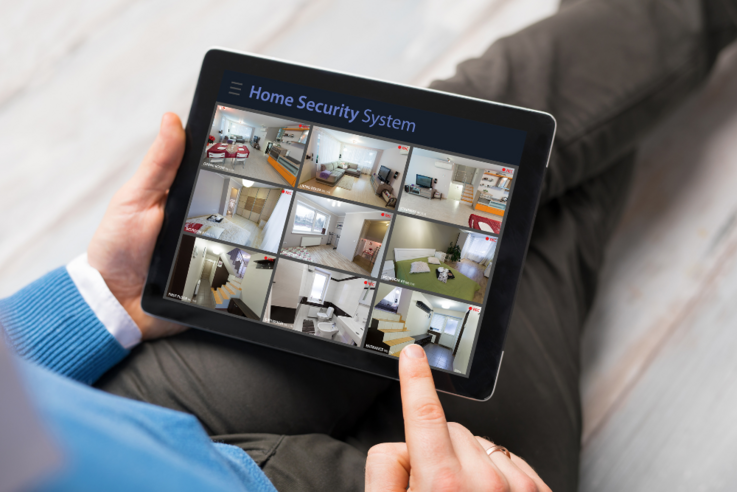
| Remote Access | Limited or none | Full app control, notifications |
| Integration | Standalone | Works with smart home devices |
| Cost | Higher upfront, lower tech | Flexible pricing, more features |
Smart systems are ideal for those who want flexibility and control from their phone, while traditional setups may appeal to those who prefer a set-it-and-forget-it approach with professional oversight.
How to Select the Best Alarm for Your Home
Choosing the right alarm system involves more than just picking the latest gadget. Consider these factors:
- Property size and layout: Larger homes may need more sensors and cameras.
- Type of threats: Do you need protection from burglary, fire, carbon monoxide, or flooding?
- Monitoring preference: Are you comfortable self-monitoring, or do you want a professional service?
- Budget: Factor in equipment, installation, and ongoing monitoring fees.
- Integration: If you already use smart home devices, look for systems that are compatible.
It’s also wise to read reviews and consult with security professionals if you’re unsure. For those interested in additional safety, consider learning about safe room planning at home to further enhance your household’s protection.
Advanced Features in Modern Alert Systems
Today’s security solutions offer more than just basic intrusion detection. Here are some advanced features to look for:
- Mobile alerts and remote control: Get instant notifications and manage your system from anywhere.
- Video verification: Cameras can send clips to your phone or monitoring center to confirm alarms.
- Environmental monitoring: Detect smoke, CO, water leaks, and even temperature changes.
- Smart home integration: Connect your alarm with lights, locks, thermostats, and voice assistants.
- Energy monitoring: Some systems help you track energy usage for added efficiency.
For more on optimizing your digital safety, check out tips on home digital safety strategies to keep your smart household secure.
Installation and Maintenance Tips
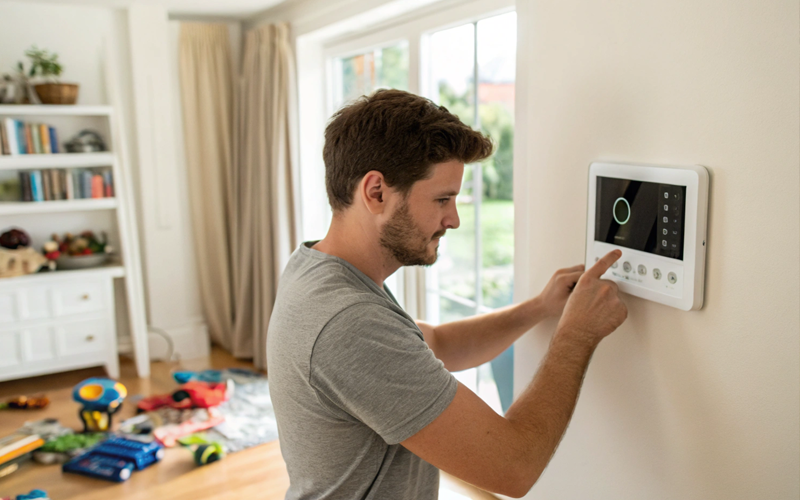
Proper installation and regular maintenance are crucial for any security system to function effectively. Here’s what to keep in mind:
- Follow manufacturer instructions for sensor placement, especially for motion detectors and cameras. For best results, review advice on motion sensors for home protection to maximize coverage.
- Test your system monthly to ensure all components are working.
- Replace batteries as needed and keep software/firmware updated.
- Consider professional installation for complex or hardwired systems.
- Review your monitoring plan and contact details regularly.
Routine checks help prevent false alarms and ensure your home is protected when it matters most.
Protecting Against More Than Just Intruders
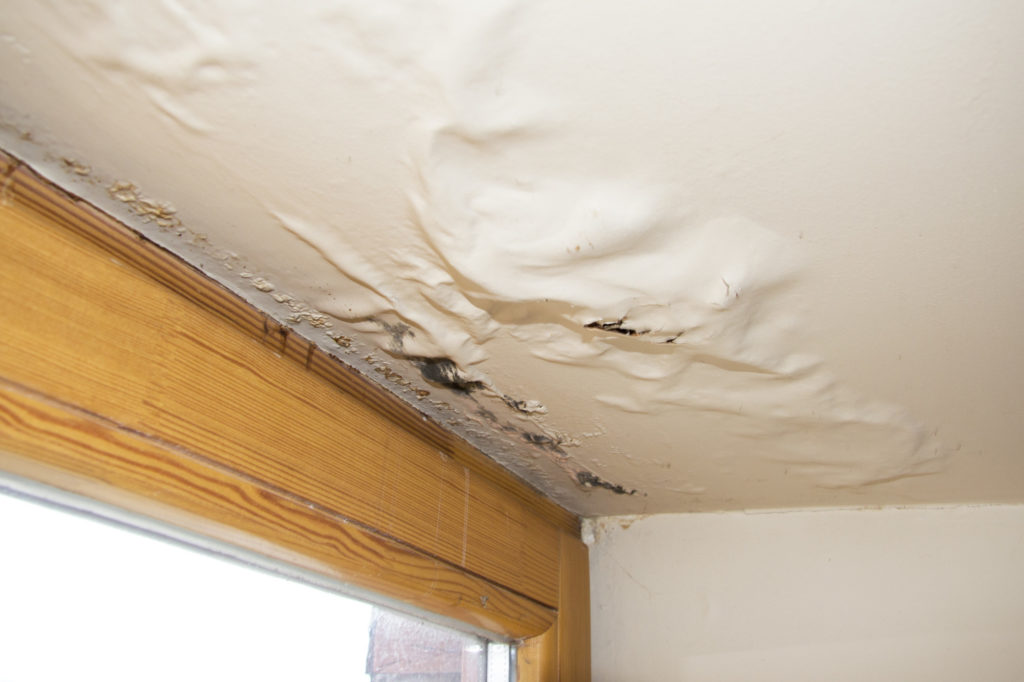
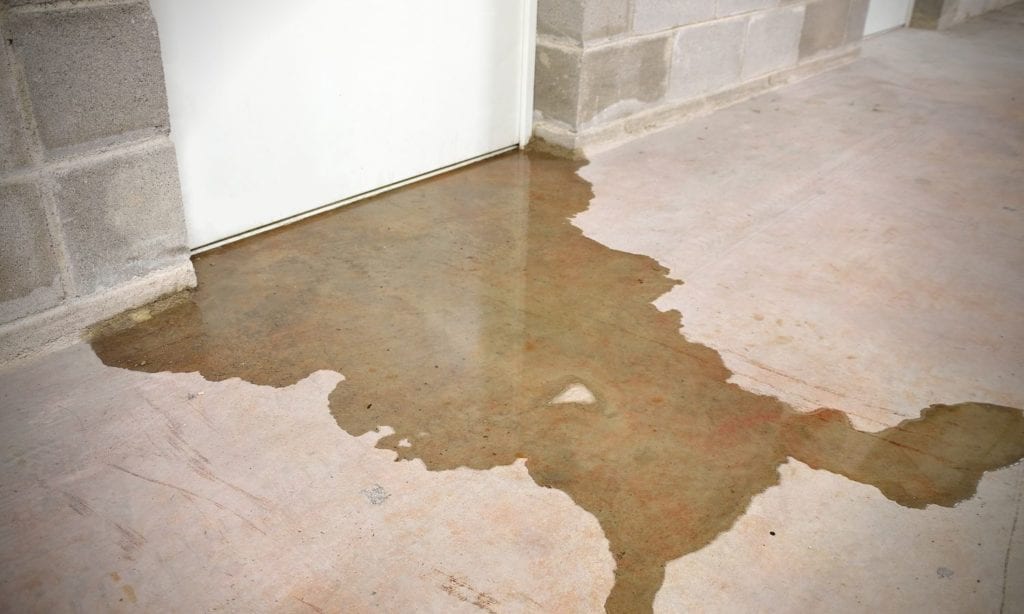
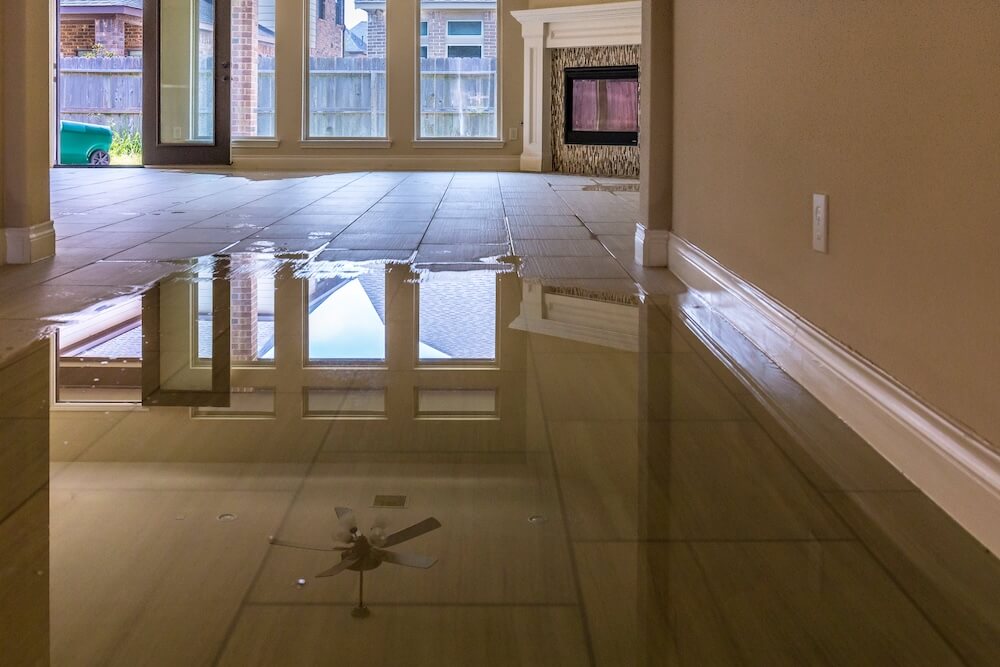
Modern alert systems can also guard against fire, carbon monoxide, and water damage. Integrating environmental sensors adds another layer of safety. For example, smoke and CO detectors can be connected to your main alarm hub for centralized alerts. Water leak sensors can prevent costly damage by notifying you at the first sign of trouble.
For more on fire safety, see this critical fire damage prevention guide for practical steps to protect your home.
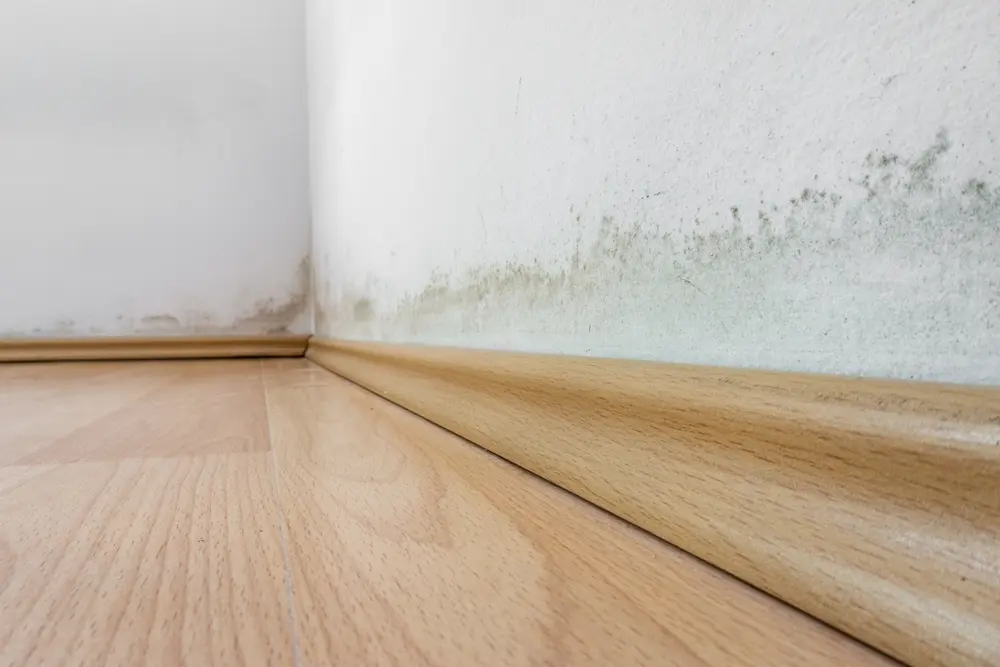
Additionally, consider advanced solutions like early mold detection systems to catch environmental threats before they escalate.
FAQ: Common Questions About Home Security Systems
What is the difference between self-monitored and professionally monitored alarm systems?
Self-monitored systems send alerts directly to your phone, letting you decide how to respond. Professionally monitored systems connect to a monitoring center that can dispatch emergency services on your behalf. The choice depends on your comfort level and how quickly you want authorities notified in an emergency.
Can I install a smart security system myself?
Many modern smart alarms are designed for easy DIY installation, with wireless sensors and step-by-step app guidance. However, larger or more complex systems may benefit from professional setup to ensure optimal sensor placement and integration.
How do I prevent false alarms?
To reduce false alarms, regularly test your system, keep sensors clean, and update your contact information. Make sure all users know how to arm and disarm the system properly. Some systems offer advanced algorithms or pet-immune sensors to further minimize accidental triggers.
Are smart home alert systems secure from hacking?
Reputable brands use encryption and regular security updates to protect against hacking. Always use strong, unique passwords and enable two-factor authentication when available. Keeping your system’s firmware up to date is one of the best ways to maintain security.
What other steps can I take to enhance my home’s safety?
Beyond alarms, consider reinforcing doors and windows, installing outdoor lighting, and creating a family emergency plan. For digital safety, review home digital safety strategies to protect your smart devices and personal information.
By understanding the options and features available, you can select a security solution tailored to your household’s needs and enjoy greater peace of mind every day.