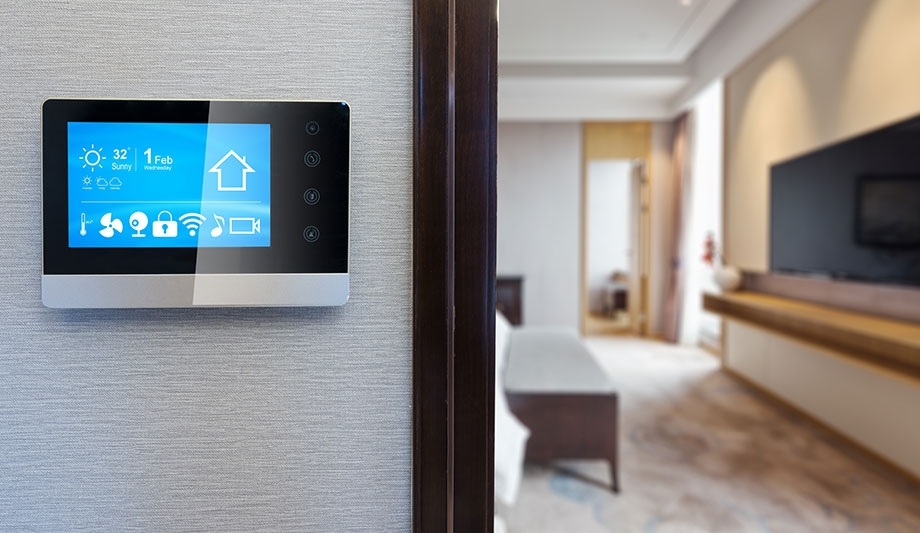
Modern households are increasingly turning to smart home monitoring systems to achieve a higher level of safety and peace of mind. These advanced solutions combine cutting-edge technology with real-time alerts, remote access, and seamless integration, ensuring your property and loved ones are protected at all hours. Whether you want to deter intruders, monitor environmental hazards, or simply keep an eye on daily activities, these systems offer a comprehensive approach to home security.
With the rapid evolution of connected devices, today’s monitoring platforms go far beyond basic alarms. They provide instant notifications, live video feeds, and even energy management features, all accessible from your smartphone or computer. As the demand for smarter, more reliable protection grows, understanding the key components and benefits of these systems becomes essential for any homeowner.
For those interested in exploring the latest innovations in home protection, our article on next-generation home security systems provides an in-depth look at features shaping the future of residential safety.
Key Features of Modern Home Monitoring Solutions
Today’s smart home monitoring systems are designed to deliver more than just basic security. Here are some of the most important features homeowners can expect:
- 24/7 Surveillance: High-definition cameras and motion sensors keep watch over your property at all times, providing live video streams and recorded footage.
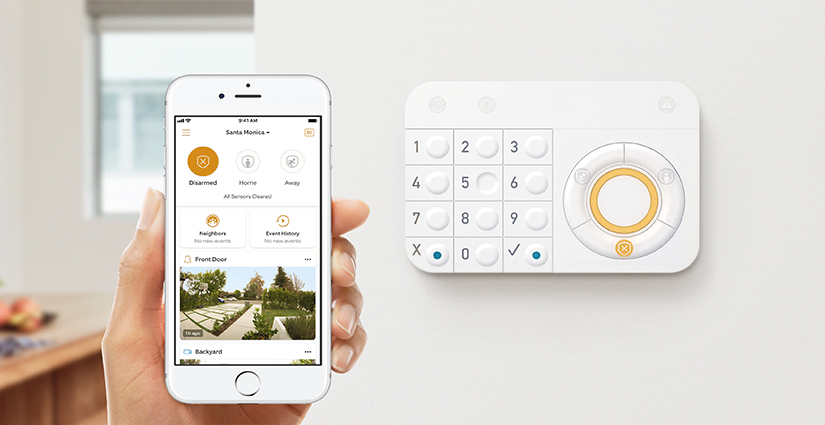
- Remote Access: Control and monitor your system from anywhere using a mobile app or web portal, whether you’re at work or on vacation.
- Instant Alerts: Receive real-time notifications for suspicious activity, door/window openings, smoke, carbon monoxide, or water leaks.
- Smart Integrations: Seamlessly connect with other devices such as smart locks, lights, and thermostats for automated routines and enhanced safety.
- Energy Monitoring: Some systems include sensors to track electricity usage and identify potential hazards or inefficiencies.
- Professional Monitoring: Many providers offer optional 24/7 professional monitoring services for emergency response and added assurance.
These features combine to create a robust safety net, reducing risks and providing valuable insights into your home’s environment.
How Smart Monitoring Enhances Everyday Safety
Integrating intelligent monitoring into your home delivers benefits that extend beyond traditional security. Here’s how these systems contribute to a safer, more convenient living space:
- Deterrence: Visible cameras and alarm signage discourage potential intruders before they approach your property.
- Emergency Response: Automated alerts can be sent directly to emergency services or designated contacts, speeding up response times in critical situations.
- Environmental Protection: Sensors for smoke, gas, and water leaks help prevent costly damage and health hazards.
- Care for Loved Ones: Monitor elderly family members or children remotely, ensuring their well-being even when you’re not at home. For more specialized care, see our guide on elderly safety monitoring at home.
- Convenience: Automate daily routines, such as locking doors or adjusting lighting, to simplify your lifestyle and save energy.
Choosing the Right Home Monitoring Platform
Selecting the best system for your needs involves considering several factors:
- Property Size and Layout: Larger homes may require more cameras and sensors for full coverage.
- Integration Needs: If you already use smart devices, look for platforms that support easy integration and automation.
- Budget: Costs can vary widely depending on features and whether you opt for professional monitoring.
- Installation: Some systems are DIY-friendly, while others may require professional setup.
- Privacy and Data Security: Ensure the provider offers strong encryption and transparent data policies.
For a deeper dive into digital safety and privacy, our article on home digital safety strategies offers practical tips for securing your connected household.
Integrating Security with Other Smart Home Functions
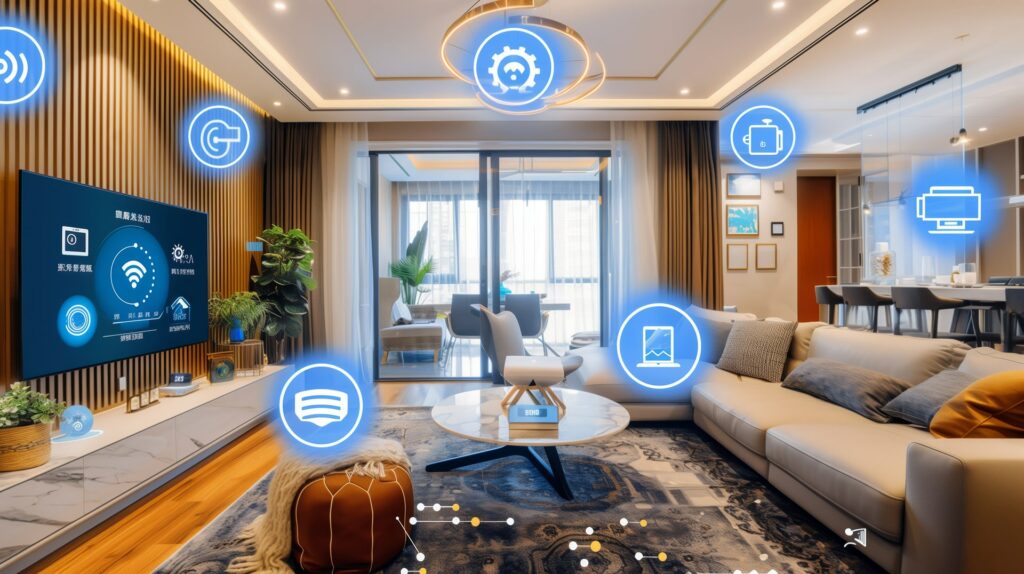
One of the standout advantages of today’s monitoring solutions is their ability to work in harmony with other smart devices. This integration allows you to:
- Trigger lights to turn on when motion is detected, deterring unwanted visitors.
- Automatically lock doors and arm alarms when you leave the house.
- Receive alerts if energy usage spikes, indicating a potential appliance malfunction.
- Connect with medical alert systems for home use to ensure immediate assistance in health emergencies.
By creating a unified ecosystem, you gain more control and insight into your home’s safety and daily operations.
Tips for Maximizing Your Home’s Security
To get the most from your monitoring setup, consider these best practices:
- Place cameras at entry points and high-traffic areas for optimal coverage.
- Regularly update device firmware to patch security vulnerabilities.
- Use strong, unique passwords for your system’s app and online portal.
- Test alarms and sensors monthly to ensure everything is working correctly.
- Review system logs and video footage periodically for any unusual activity.
- Educate family members on how to use the system and respond to alerts.
For those interested in advanced protection, safe room planning at home can provide an additional layer of security for your family during emergencies.
Comparing DIY and Professionally Monitored Systems
When evaluating smart home monitoring systems, homeowners often choose between self-monitored and professionally monitored options:
- DIY Monitoring: You receive alerts directly and decide how to respond. This option is often more affordable and flexible.
- Professional Monitoring: A third-party service monitors your system 24/7 and contacts authorities if needed. This provides extra peace of mind, especially when you’re away or unable to respond.
Some platforms allow you to switch between these modes or add professional monitoring as needed, offering flexibility as your needs change.
For a comprehensive overview of how these options compare, the HP smart home security guide is a helpful resource covering features, costs, and privacy considerations.
Frequently Asked Questions
What types of sensors are commonly included in smart home monitoring?
Most systems feature a combination of door/window sensors, motion detectors, glass break sensors, smoke and carbon monoxide detectors, and sometimes water leak sensors. Some advanced setups also include temperature, humidity, and energy monitoring devices.
Can I install a monitoring system myself, or do I need professional help?
Many modern solutions are designed for easy DIY installation, with wireless components and step-by-step app guidance. However, larger or more complex systems—especially those requiring hardwiring—may benefit from professional setup to ensure optimal performance and coverage.
How do smart home monitoring systems protect my privacy?
Reputable providers use strong encryption, secure cloud storage, and allow users to control data sharing settings. It’s important to review privacy policies and choose systems that prioritize user data protection. Regularly updating firmware and using secure passwords also helps safeguard your information.
Are these systems compatible with other smart home devices?
Most leading platforms support integration with popular smart home ecosystems, such as Amazon Alexa, Google Assistant, and Apple HomeKit. This allows you to automate routines and control multiple devices from a single app.
What happens if my internet goes down?
Many systems offer cellular backup or local storage options to ensure continued operation during internet outages. However, remote access and cloud-based features may be temporarily unavailable until connectivity is restored.