
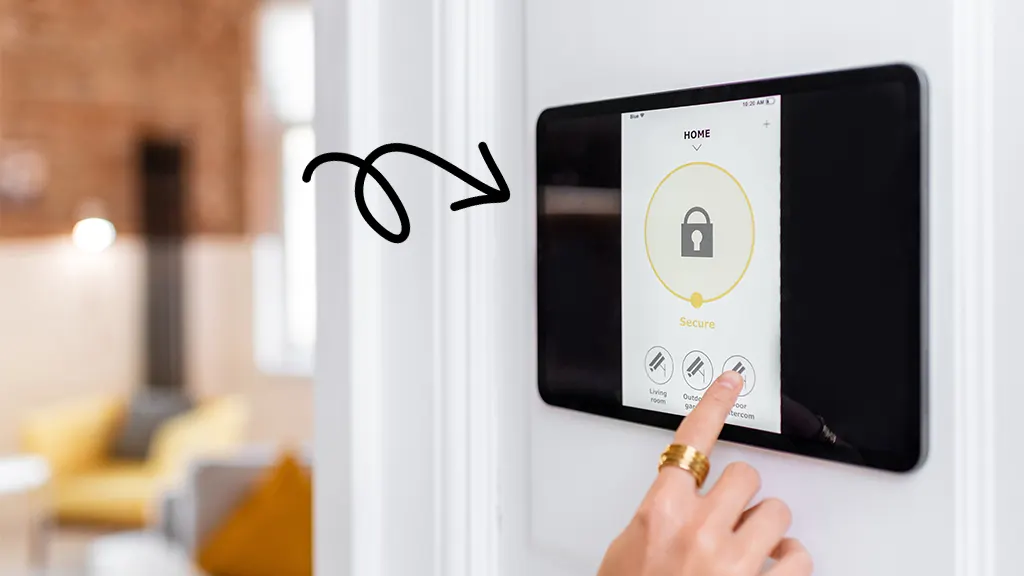
Modern homes are more connected and complex than ever. From smart thermostats to security cameras, our living spaces now include a range of digital systems and physical components that require ongoing attention. Home infrastructure monitoring is the practice of using technology to keep tabs on the critical systems that keep your house safe, comfortable, and efficient. Whether you want to prevent costly repairs, improve energy efficiency, or simply gain peace of mind, understanding how to monitor your home’s infrastructure is essential.
This guide explores the essentials of monitoring your home’s core systems, the types of technology available, and how you can leverage these tools to protect your investment. If you’re interested in advanced protection, you might also want to learn about next-generation home security systems that offer even more comprehensive coverage.
What Is Home Infrastructure Monitoring?
At its core, home infrastructure monitoring involves using sensors, smart devices, and software to observe and report on the vital systems within your house. This includes everything from your electrical panel and plumbing to your HVAC, security, and environmental controls. By tracking these systems in real time, homeowners can detect issues early, respond to emergencies faster, and optimize their home’s performance.
Unlike traditional home maintenance, which often relies on periodic inspections or responding to visible problems, digital monitoring provides continuous oversight. This proactive approach helps prevent small issues from becoming major headaches, saving time and money in the long run.
Key Components to Monitor in Your Home
A comprehensive monitoring setup covers several main areas. Here are the most important systems to keep an eye on:
- Electrical System: Smart energy monitors can track power usage, detect overloads, and alert you to unusual activity that could indicate a problem.
- Water and Plumbing: Leak detectors and water flow sensors help prevent water damage by notifying you of leaks, frozen pipes, or abnormal usage.
- Heating, Ventilation, and Air Conditioning (HVAC): Smart thermostats and air quality monitors ensure your home stays comfortable and efficient, while also alerting you to potential HVAC failures.
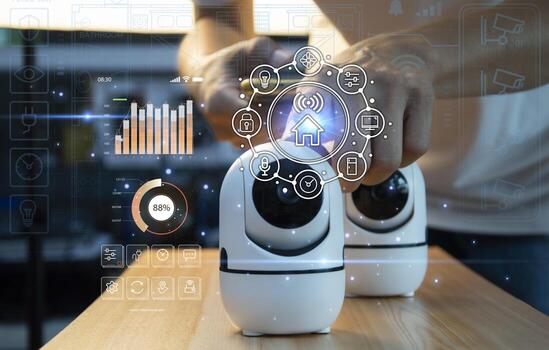
- Security and Access: Surveillance cameras, smart locks, and motion sensors provide real-time updates on who is entering or moving around your property.
- Environmental Hazards: Smoke, carbon monoxide, and radon detectors are crucial for safety, providing instant alerts if dangerous conditions are detected.
Benefits of Proactive Home System Monitoring
Implementing a monitoring solution offers several advantages:
- Early Detection: Spotting problems before they escalate can prevent expensive repairs and minimize downtime.
- Energy Efficiency: By understanding your usage patterns, you can make informed decisions to reduce waste and lower utility bills.
- Peace of Mind: Real-time alerts and remote access mean you can check on your home from anywhere, at any time.
- Insurance Savings: Some insurers offer discounts for homes equipped with advanced monitoring and security systems.
- Data-Driven Maintenance: Continuous data collection helps you schedule maintenance based on actual need rather than guesswork.
For more ideas on staying ahead of risks, you can explore proactive home security tips that complement your monitoring efforts.
Choosing the Right Monitoring Tools for Your Home
Selecting the best tools depends on your home’s age, size, and your specific needs. Here are some popular options:
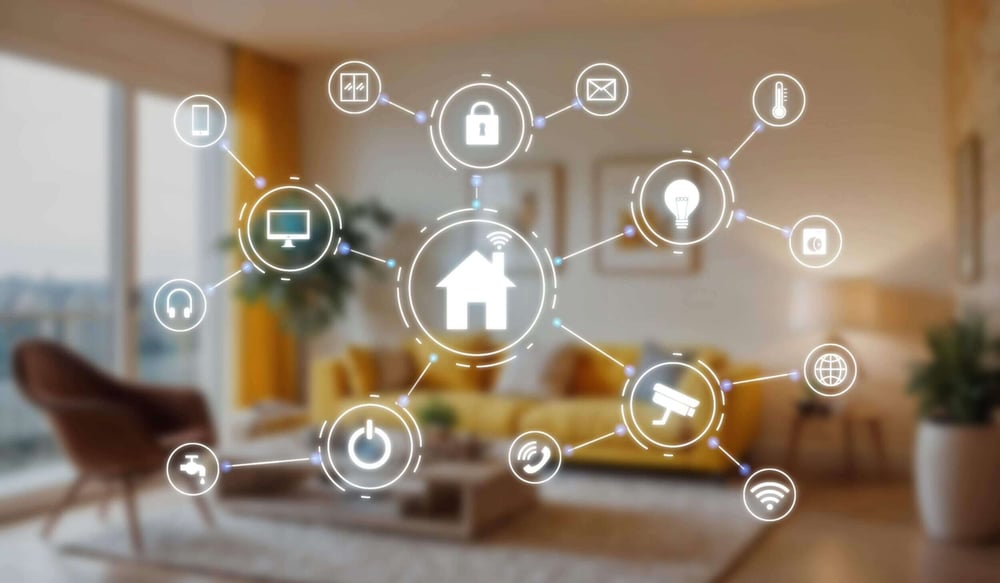
- Smart Home Hubs: Devices like Amazon Echo or Google Nest Hub can integrate with multiple sensors and provide a central dashboard for alerts and controls.
- Energy Monitors: Products such as the Emporia Energy Monitor allow you to track electricity usage by circuit, helping you identify inefficiencies and potential electrical issues.
- Leak and Moisture Sensors: Place these in basements, under sinks, or near appliances to catch leaks before they cause damage.
- Security Systems: Comprehensive kits like Ring Alarm combine intrusion detection, environmental monitoring, and video surveillance in one package.
- Standalone Detectors: Smoke, CO, and radon detectors remain essential, even if you have a smart system in place.
When shopping for devices, look for compatibility with your existing smart home ecosystem and consider whether you want professional monitoring or self-monitoring options.
Integrating Monitoring with Home Automation
One of the biggest advantages of modern home infrastructure monitoring is the ability to automate responses. For example, if a water leak is detected, your system can automatically shut off the main valve. If a smoke detector goes off, your smart lights can flash to alert everyone in the house. Integration with voice assistants and mobile apps means you can receive notifications, view camera feeds, and control devices from anywhere.
This level of automation not only improves convenience but also enhances safety and efficiency. For those interested in the broader trends shaping these capabilities, the future of home protection technology is worth exploring.
Tips for Setting Up a Reliable Monitoring System
To get the most out of your monitoring investment, keep these best practices in mind:
- Start with the Essentials: Focus on the most critical risks first—water leaks, fire, and intrusion—before expanding to energy and comfort monitoring.
- Test Regularly: Check sensors and alarms at least quarterly to ensure they’re working and batteries are charged.
- Secure Your Network: Use strong passwords and keep your smart devices updated to prevent unauthorized access.
- Customize Alerts: Set up notifications that match your lifestyle, so you’re only alerted to real issues.
- Document Your System: Keep a record of device locations, manuals, and emergency shut-off procedures for quick reference.
If you have unique needs—such as caring for elderly family members—consider specialized solutions like elderly safety monitoring at home or medical alert systems for home use.
Common Challenges and How to Overcome Them
While the benefits are clear, some homeowners face obstacles when implementing monitoring solutions:
- Compatibility Issues: Not all devices work together seamlessly. Research compatibility before purchasing new equipment.
- False Alarms: Overly sensitive sensors can cause unnecessary alerts. Adjust sensitivity settings and placement as needed.
- Privacy Concerns: Cameras and microphones raise privacy questions. Place devices thoughtfully and review privacy policies.
- Cost: While some systems require upfront investment, many offer long-term savings through damage prevention and efficiency.
Staying informed and choosing reputable brands can help you avoid most pitfalls. For those interested in physical protection, safe room planning at home is another layer to consider.
FAQ
How do I know which systems in my home need monitoring?
Start by identifying areas with the highest risk or potential for costly damage. Water leaks, electrical faults, and security breaches are the most common concerns. Evaluate your home’s age, previous issues, and your family’s needs to prioritize which systems to monitor first.
Can I install monitoring devices myself, or do I need a professional?
Many smart home sensors and monitors are designed for easy DIY installation. However, for complex systems—like whole-home energy monitors or integrated security—you may benefit from professional setup to ensure everything is configured correctly and safely.
Will monitoring my home’s infrastructure increase its value?
Yes, a well-monitored home is often more attractive to buyers and can sometimes command a higher price. Enhanced safety, reduced risk of damage, and improved energy efficiency are all selling points that can set your property apart.
Is there a way to monitor my home remotely?
Absolutely. Most modern systems offer mobile apps or web dashboards, allowing you to check on your home, receive alerts, and even control devices from anywhere with an internet connection.
What should I do if my monitoring system detects a problem?
Follow the alert instructions immediately. For serious issues—like fire, gas leaks, or major water leaks—evacuate if necessary and contact emergency services. For less urgent alerts, investigate the cause and address it as soon as possible to prevent escalation.




