Keeping your home safe is a top priority, but many homeowners aren’t sure where to start when it comes to evaluating their property’s security. A home security audit checklist provides a clear, actionable way to identify vulnerabilities and strengthen your defenses. Whether you’re a first-time homeowner or looking to upgrade your current system, following a structured approach ensures you don’t overlook critical areas.
This guide breaks down each step, from inspecting entry points to reviewing smart technology. By the end, you’ll have a practical roadmap for boosting your home’s protection and peace of mind. For those interested in the latest advancements, you can also explore next-generation home security systems to complement your audit.
Why a Comprehensive Security Review Matters
Many break-ins occur because of simple oversights—unlocked doors, outdated locks, or poor lighting. A thorough review using a home security audit checklist helps you spot these risks before they become problems. Regular assessments not only deter intruders but can also reduce insurance premiums and increase your family’s sense of safety.
For a broader look at how technology is shaping home protection, see the future of home protection technology and how emerging trends can impact your audit process.
Step 1: Assess All Entry Points
Start your evaluation by examining every way someone could enter your home. This includes:
- Front and back doors: Check for solid construction, deadbolts, and reinforced frames.
- Windows: Ensure all windows close securely, have working locks, and are free from cracks or broken latches.
- Garage doors: Test automatic openers and manual locks. Don’t forget side doors leading from the garage into the house.
- Basement and attic access: Secure any lesser-used entrances, as these are often overlooked by homeowners but targeted by intruders.
Document any weak spots and prioritize repairs or upgrades. If you’re planning a more robust approach, consider safe room planning at home for added protection.
Step 2: Evaluate Outdoor Security Measures
The exterior of your property is your first line of defense. Walk around your home and look for:
- Lighting: Install motion-activated lights near entrances, pathways, and dark corners.
- Landscaping: Trim bushes and trees that could provide cover for intruders. Keep windows and doors visible from the street.
- Fencing and gates: Ensure fences are in good repair and gates have secure locks.
- Visible security signs: Even a sign indicating an alarm system can deter potential burglars.
Outdoor cameras and smart doorbells are becoming standard features. For those interested in advanced monitoring, the elderly safety monitoring at home guide covers additional options for vulnerable family members.
Step 3: Inspect Security Devices and Technology
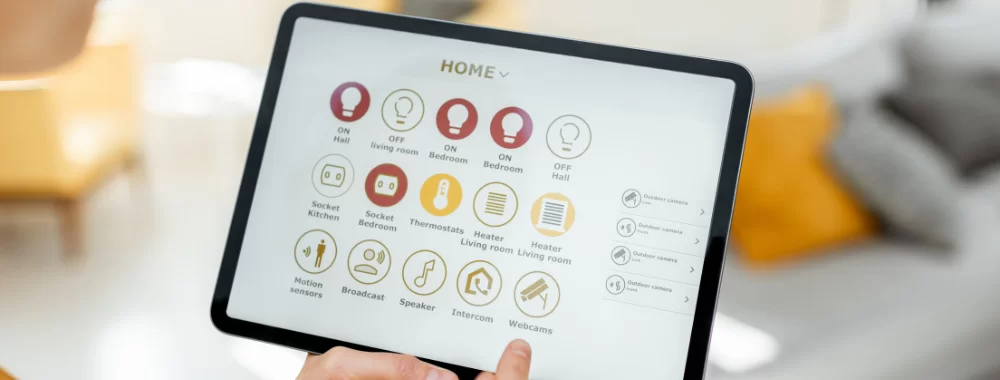
Modern homes often rely on a mix of traditional and smart devices. Review the following:
- Alarm systems: Test all sensors, sirens, and control panels. Replace batteries and update software as needed.
- Cameras: Confirm all cameras are working, positioned correctly, and recording footage. Check remote access features.
- Smart locks: Ensure digital locks are updated and access codes are changed regularly.
- Smoke and carbon monoxide detectors: Test alarms and replace batteries twice a year.
For those with elderly family members, integrating medical alert systems for home use can provide an extra layer of emergency response.
Step 4: Review Emergency Preparedness
Security isn’t just about preventing break-ins. Prepare for emergencies with these steps:
- Escape plans: Create and practice evacuation routes for fire, severe weather, or other emergencies.
- Emergency contacts: Post important numbers in visible locations and program them into family members’ phones.
- First aid kits: Keep kits stocked and accessible in key areas of the home.
- Backup power: Consider battery backups for alarms and lighting in case of outages.
Regularly review and update your plans to ensure everyone in your household knows what to do in a crisis.
Step 5: Maintain and Update Your Security Plan
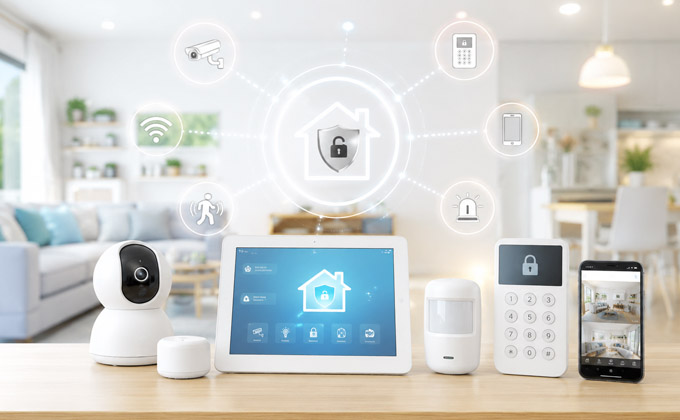
Completing a home security audit checklist is not a one-time task. Schedule regular reviews—at least annually or after major changes like renovations or new technology installations. Keep a written record of your findings and improvements. This ongoing process ensures your home stays protected as threats and technologies evolve.
For more proactive strategies, consider reading proactive home protection and personal risk management tips from industry experts.
Printable Checklist for Homeowners
To make your review easier, here’s a summary checklist you can print or save for reference:
| Area | What to Check | Status |
|---|---|---|
| Doors | Locks, frames, peepholes | |
| Windows | Locks, glass, visibility | |
| Garage | Automatic opener, side doors | |
| Outdoor Lighting | Motion sensors, coverage | |
| Landscaping | Trimmed shrubs, clear sightlines | |
| Alarm System | Test sensors, update codes | |
| Cameras | Working, positioned, recording | |
| Emergency Plan | Escape routes, contacts, kits |
Frequently Asked Questions
How often should I perform a home security audit?
It’s best to conduct a full review at least once a year, and after any major changes to your property or technology. Regular checks ensure new vulnerabilities are addressed promptly.
What are the most common weaknesses found during a home security audit?
Typical issues include outdated locks, poor outdoor lighting, overgrown landscaping, and unmonitored entry points. Addressing these areas can significantly reduce your risk.
Can smart home devices replace traditional security measures?
Smart technology enhances protection but should complement—not replace—physical barriers like strong locks and secure doors. Combining both offers the best defense.
Conclusion
Using a structured home security audit checklist empowers you to systematically identify and fix vulnerabilities in your home. By regularly reviewing entry points, outdoor areas, security devices, and emergency plans, you create a safer environment for everyone in your household. For those seeking advanced solutions, exploring next-generation home security systems or integrating medical alert systems can provide additional peace of mind. Remember, the key to effective protection is consistency and staying informed about new risks and technologies.