
Keeping your property safe from unexpected disasters and costly repairs is a priority for every homeowner. By following practical home damage prevention tips, you can avoid many of the most common and expensive issues that affect houses. From water leaks and electrical faults to break-ins and weather-related problems, a proactive approach can make a significant difference in your long-term maintenance costs and peace of mind.
This article covers proven strategies to protect your home, minimize risks, and ensure your investment remains secure. Whether you’re a new homeowner or looking to upgrade your current safety measures, these insights will help you save money and avoid the stress of emergency repairs.
For those interested in advanced solutions, exploring next-generation home security systems can provide additional layers of protection and convenience, integrating smart technology into your overall prevention plan.
Why Proactive Home Protection Matters
Many homeowners only address problems after they occur, but preventative measures are far more effective and affordable. Taking action before damage happens can help you:
- Reduce repair costs by catching issues early
- Maintain property value and curb appeal
- Lower insurance premiums with documented safety upgrades
- Increase your family’s safety and comfort
Implementing a few targeted strategies can make your home more resilient to both everyday wear and unexpected events.
Essential Home Damage Prevention Tips for Every Homeowner
Below are some of the most effective ways to safeguard your property and avoid expensive repairs. These recommendations are based on common risk areas and proven solutions.
1. Prevent Water Damage with Smart Monitoring
Water leaks are among the leading causes of home damage. Even a small drip can escalate into major repairs if left unnoticed. To minimize this risk:
- Install leak detectors under sinks, near water heaters, and in basements
- Regularly inspect plumbing for signs of corrosion or moisture
- Clean gutters and downspouts to prevent overflow and foundation issues
- Consider a whole-home water shutoff system for added protection
Smart sensors can send alerts to your phone if a leak is detected, allowing you to act quickly and prevent further damage.

2. Secure Your Home Against Intruders
Break-ins can result in both property loss and costly structural damage. Modern security solutions offer more than just alarms:
- Upgrade to smart locks and video doorbells for real-time monitoring
- Install motion-activated lights around entry points
- Use window and door sensors to detect unauthorized access
- Consider proactive video monitoring for home security to deter and document suspicious activity
These steps not only protect your belongings but also make your home less attractive to potential intruders.
3. Protect Against Electrical Hazards
Electrical faults can lead to fires, appliance damage, and expensive repairs. To reduce these risks:
- Have your electrical system inspected by a licensed professional every few years
- Replace frayed cords and outdated outlets
- Use surge protectors for sensitive electronics
- Install smart energy monitors to track usage and detect anomalies
Monitoring your home’s electrical health can help prevent both sudden failures and gradual wear that might otherwise go unnoticed.
4. Weatherproof Your Property
Extreme weather events—such as storms, heavy rain, or snow—can cause significant damage. To prepare your home:
- Seal windows and doors to prevent drafts and water intrusion
- Trim trees and remove dead branches near your house
- Reinforce your roof and check for missing shingles
- Install sump pumps in flood-prone basements
Regular maintenance and simple upgrades can help your home withstand harsh conditions and avoid costly repairs.
5. Maintain Indoor Air Quality and Ventilation
Poor ventilation can lead to mold growth, structural rot, and health issues. To keep your home’s air clean and dry:
- Use exhaust fans in bathrooms and kitchens
- Change HVAC filters regularly
- Inspect for signs of mold, especially in damp areas
- Ensure attics and crawl spaces are properly ventilated
Addressing air quality not only protects your home but also improves your family’s well-being.

Smart Home Technology for Enhanced Protection
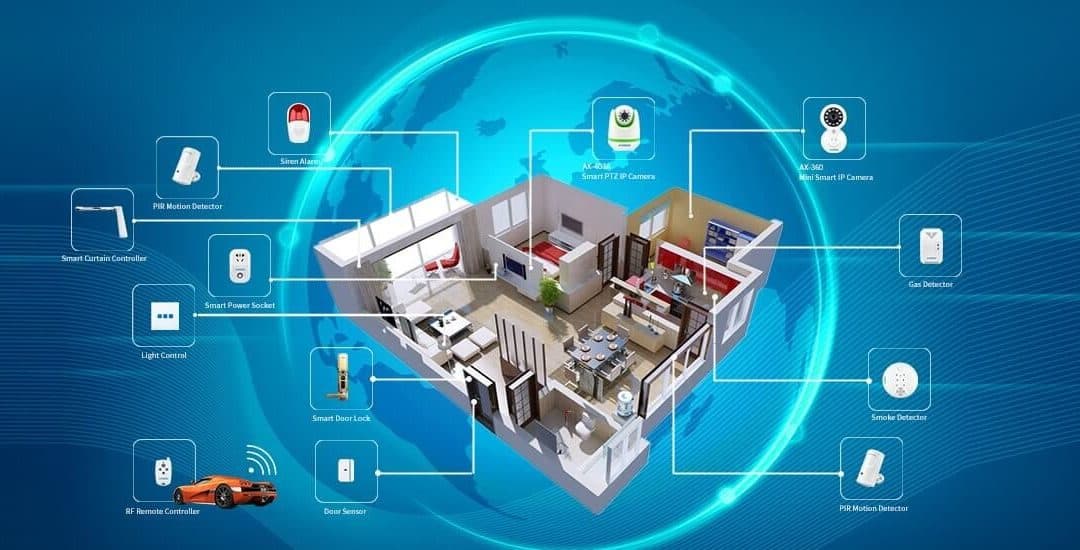
Integrating smart devices into your property is one of the most effective home damage prevention tips available today. These technologies offer real-time monitoring, instant alerts, and even automated responses to potential threats. Examples include:
- Smart thermostats to prevent frozen pipes in winter
- Remote-controlled lighting and cameras for security
- Automated water shutoff valves linked to leak detectors
- Energy monitors that alert you to abnormal consumption patterns
For those interested in the latest trends, learning about the future of home protection technology can help you stay ahead of emerging risks and solutions.
Routine Maintenance: Your First Line of Defense
While technology is valuable, regular hands-on maintenance remains essential. Develop a seasonal checklist that includes:
- Inspecting your roof, siding, and foundation for cracks or wear
- Testing smoke and carbon monoxide detectors
- Flushing water heaters to remove sediment
- Checking for pest infestations in attics and basements
Staying consistent with these tasks helps you catch minor issues before they escalate into major problems.
Additional Resources for Home Safety
If you have specific concerns, such as caring for elderly family members or planning a secure space, consider exploring resources like elderly safety monitoring at home or safe room planning at home. These guides offer specialized advice for unique household needs.
For medical emergencies, having medical alert systems for home use can provide instant access to help when it matters most.
FAQ: Common Questions About Preventing Home Damage
How often should I inspect my home for potential damage?
It’s best to perform a thorough inspection at least twice a year—once in the spring and once in the fall. However, after severe weather or if you notice unusual changes (such as new cracks, leaks, or odors), check immediately to address any emerging issues.
Are smart home devices worth the investment for damage prevention?
Yes, smart devices can provide early warnings and automate responses, helping you avoid costly repairs. While the initial investment varies, the long-term savings and peace of mind often outweigh the upfront cost.
What’s the most common cause of expensive home repairs?
Water damage is one of the leading causes of costly repairs, often resulting from leaks, burst pipes, or poor drainage. Regular maintenance and installing leak detection systems are highly effective in preventing these issues.
Can weatherproofing really make a difference?
Absolutely. Simple steps like sealing windows, maintaining your roof, and managing drainage can prevent major problems caused by storms, heavy rain, or snow. These measures help protect both your home’s structure and its contents.
Conclusion
Adopting a proactive approach with these home damage prevention tips can save you thousands in repairs, protect your family, and maintain the value of your property. By combining regular maintenance, smart technology, and targeted upgrades, you’ll be well-equipped to handle whatever challenges come your way. Start implementing these strategies today to enjoy a safer, more resilient home for years to come.




