

Many homeowners rarely think about the area beneath their floors, but the crawl space is a critical part of your home’s structure and health. Issues in this hidden zone can lead to moisture problems, mold growth, pest infestations, and even structural damage. Modern crawl space monitoring solutions provide a proactive way to safeguard your property, offering real-time alerts and data to prevent small problems from becoming costly repairs.
With the rise of smart home technology, it’s easier than ever to keep tabs on temperature, humidity, water leaks, and even unauthorized access in these hard-to-reach areas. By investing in the right monitoring system, you can maintain a healthier living environment, protect your investment, and gain peace of mind.
For those interested in broader home protection strategies, exploring next-generation home security systems can complement your crawl space monitoring setup and offer comprehensive coverage.
Why Monitor Your Crawl Space?
The area beneath your home is vulnerable to a range of issues that can go unnoticed for months or even years. Excess moisture, high humidity, standing water, and pest activity are common threats. Over time, these can lead to wood rot, insulation damage, and compromised air quality. By using crawl space monitoring solutions, you can:
- Detect leaks and flooding early to prevent water damage and mold growth.
- Monitor humidity and temperature to reduce the risk of condensation and wood decay.
- Receive alerts about unauthorized access, helping to deter intruders or wildlife.
- Track long-term trends to identify patterns and make informed decisions about repairs or upgrades.
Integrating these systems with your home automation can also enhance your overall security and efficiency, especially when paired with advances in the future of home protection technology.
Key Features of Modern Crawl Space Monitoring Systems
Today’s monitoring solutions are designed for reliability and ease of use. Here are some essential features to consider when evaluating your options:
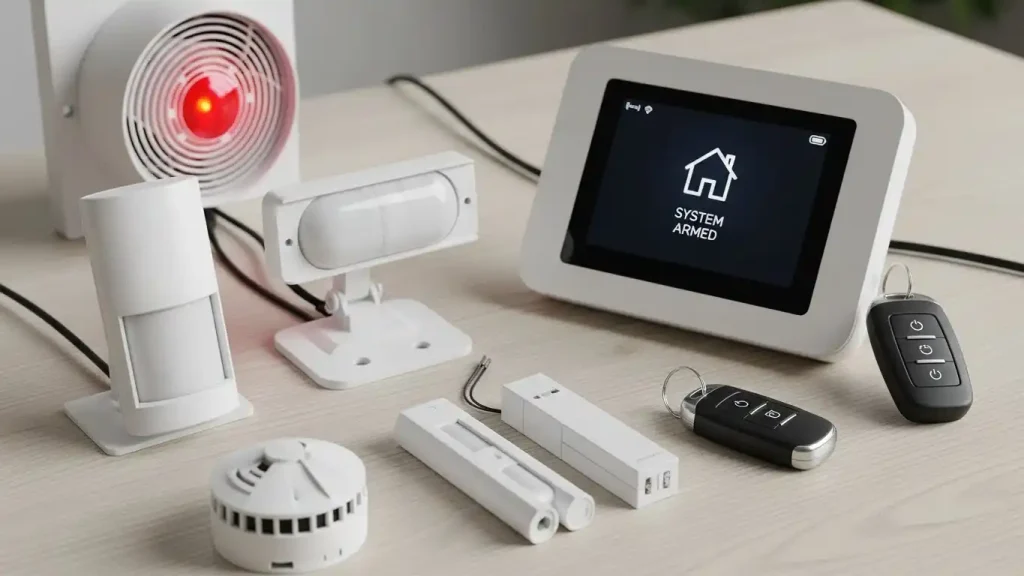
- Wireless Sensors: Easy to install and maintain, wireless sensors can be placed throughout the crawl space to monitor various conditions.
- Mobile Alerts: Receive instant notifications on your smartphone or email if a problem is detected, allowing for quick action.
- Integration with Smart Home Platforms: Many systems work seamlessly with platforms like Alexa, Google Home, or proprietary hubs.
- Data Logging: Track environmental trends over time, which is valuable for identifying recurring issues or verifying repairs.
- Battery Backup: Ensures continued operation during power outages, which is crucial for flood and leak detection.
Some advanced systems also offer video monitoring, giving you visual confirmation of conditions in the crawl space. For those seeking a comprehensive approach, proactive video monitoring for home security can add another layer of protection to your property.
Types of Crawl Space Monitoring Solutions
There are several categories of products designed to keep your crawl space safe and dry. Choosing the right combination depends on your specific needs and the risks in your area.
Environmental Sensors
These devices measure humidity, temperature, and moisture levels. They can alert you to conditions that promote mold or wood rot. Some models also track air quality, helping you maintain a healthier home environment.
Water Leak Detectors
Placed near plumbing lines, sump pumps, or low points, these sensors trigger an alarm if water is detected. Early notification can prevent extensive water damage and costly repairs.
Security and Access Sensors
Motion detectors and door/window sensors can be installed at crawl space entrances. These devices alert you to unauthorized access, whether from intruders, children, or animals.
Energy and Utility Monitors
Some advanced systems track energy usage and detect abnormal patterns, which can indicate hidden leaks or equipment failures. Integrating energy monitoring with your crawl space solution can help optimize efficiency and reduce utility costs.
For those interested in enhancing safety for all family members, including seniors, consider learning about elderly safety monitoring at home and how it can work alongside crawl space monitoring for a holistic approach.
Installation Tips and Best Practices
Proper installation is key to getting the most out of your monitoring system. Here are some tips to ensure reliable protection:
- Choose strategic sensor locations: Place humidity and temperature sensors near the center of the crawl space and close to known trouble spots.
- Install leak detectors near water sources: Focus on areas around plumbing, HVAC units, and sump pumps.
- Test your system regularly: Check batteries, connectivity, and alert functions at least twice a year.
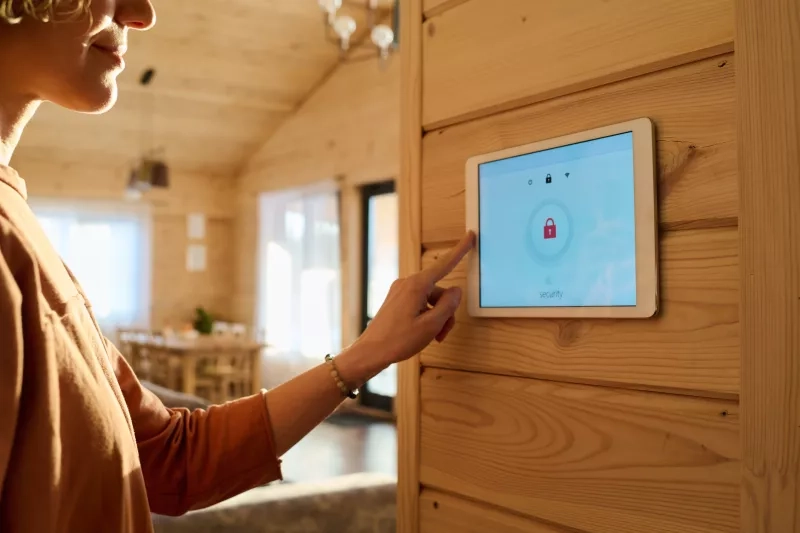
- Integrate with your main security system: Many modern platforms allow you to add crawl space sensors to your existing home security dashboard.
- Maintain clear access: Make sure you can reach sensors for maintenance or battery changes without difficulty.
For those planning a broader safety strategy, reviewing safe room planning at home can help you create a comprehensive emergency plan that includes all vulnerable areas.
Benefits of Proactive Crawl Space Monitoring
Investing in a monitoring solution offers several long-term advantages:
- Cost Savings: Early detection of leaks or humidity issues can prevent expensive repairs and insurance claims.
- Healthier Living Environment: Reducing mold and allergen risks leads to better indoor air quality for your family.
- Peace of Mind: Real-time alerts mean you’re never in the dark about what’s happening beneath your home.
- Increased Property Value: Well-maintained crawl spaces are attractive to buyers and can boost resale value.
For families with older adults or those with medical needs, integrating medical alert systems for home use can further enhance safety and response times in emergencies.
FAQ: Crawl Space Monitoring and Home Protection
What types of problems can crawl space monitoring detect?
These systems can identify water leaks, high humidity, temperature fluctuations, pest activity, and unauthorized access. Early detection helps prevent mold, wood rot, and structural issues.
Do I need professional installation for crawl space sensors?
Many modern systems are designed for DIY installation, especially wireless models. However, for complex setups or integration with whole-home security, professional help may be beneficial.
How often should I check or maintain my crawl space monitoring devices?
It’s recommended to test sensors and replace batteries at least twice a year, or as indicated by the manufacturer. Regular checks ensure reliable operation and timely alerts.
Can these solutions be integrated with other smart home devices?
Yes, most leading systems can connect with smart home platforms, allowing you to monitor all aspects of home security from a single dashboard.




