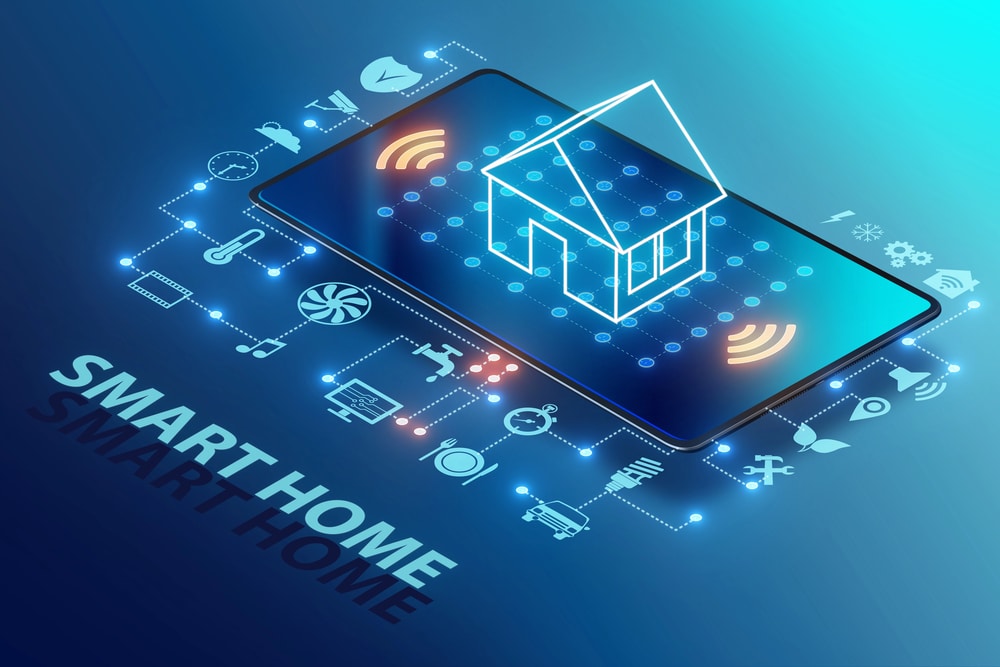
Protecting your home and everything inside it has never been more important. With the rise of smart technology and evolving security threats, homeowners are turning to home asset protection systems to secure their valuables, monitor their property, and gain peace of mind. These solutions go far beyond traditional locks and alarms, offering a comprehensive approach to safeguarding both physical items and digital assets.
Whether you’re concerned about burglary, fire, water damage, or even energy management, modern protection systems can be tailored to your needs. In this article, we’ll break down the essential components, benefits, and best practices for choosing and maintaining a robust home protection setup. For those interested in the latest innovations, you may also want to explore next-generation home security systems to see how technology is shaping the future of residential safety.
Understanding Modern Home Asset Protection Solutions
Today’s home asset protection systems are designed to address a wide range of risks. They combine physical security measures, environmental monitoring, and smart automation to create a multi-layered defense. Here are some of the core elements you’ll find in a comprehensive setup:
- Smart Alarms and Sensors: Detect unauthorized entry, motion, glass breakage, and more.
- Surveillance Cameras: Provide real-time monitoring and evidence in case of incidents.
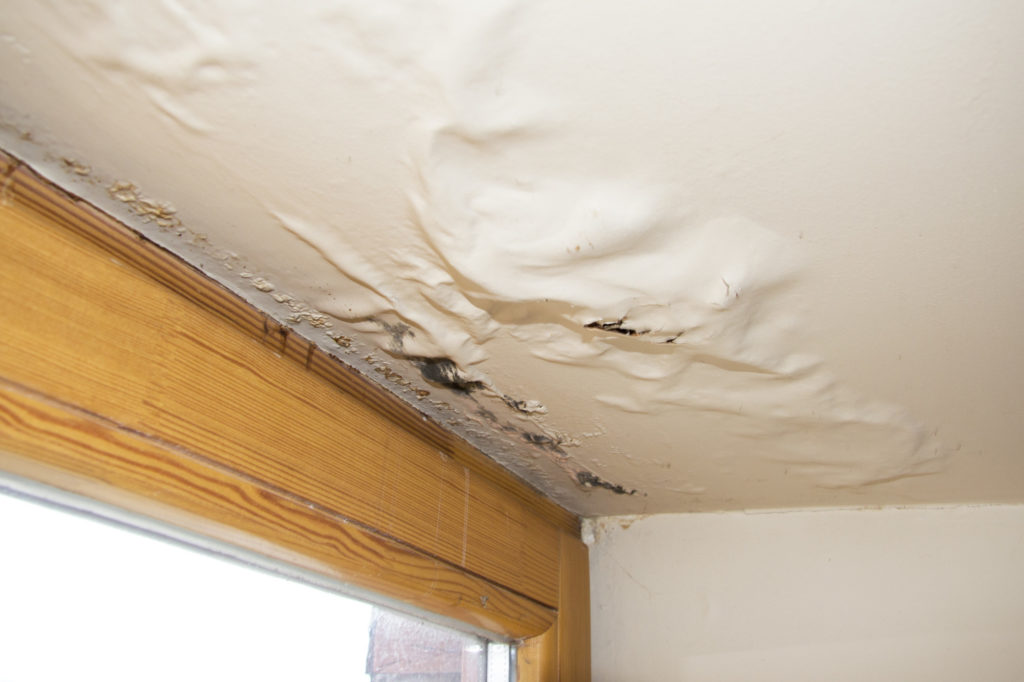
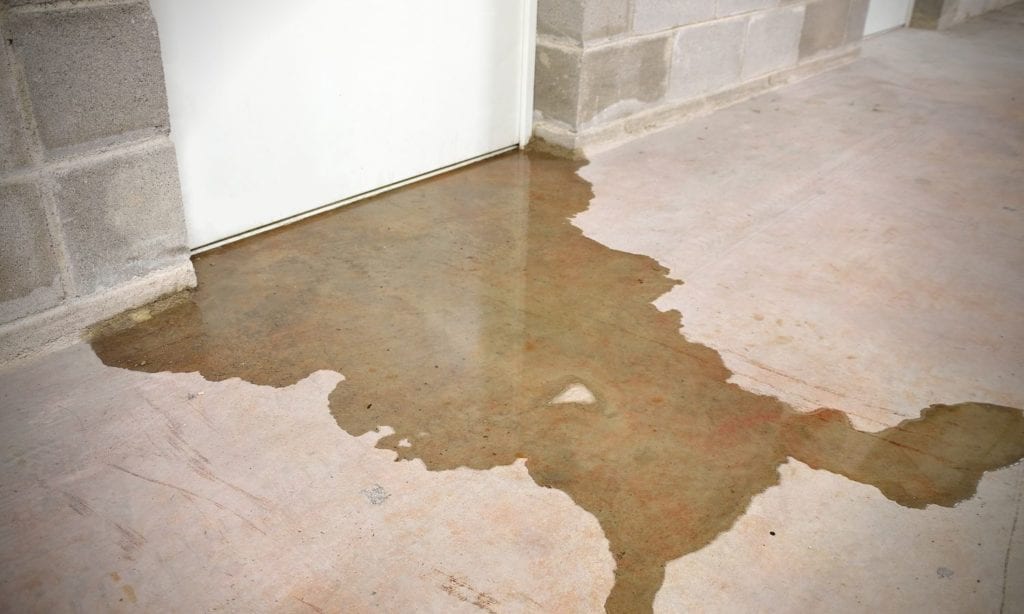
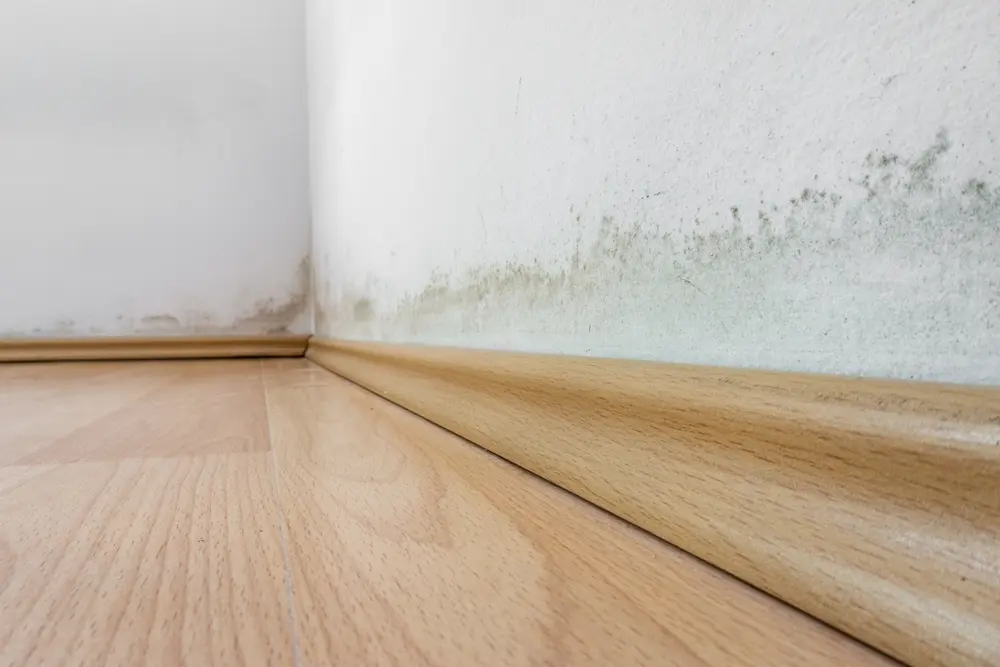
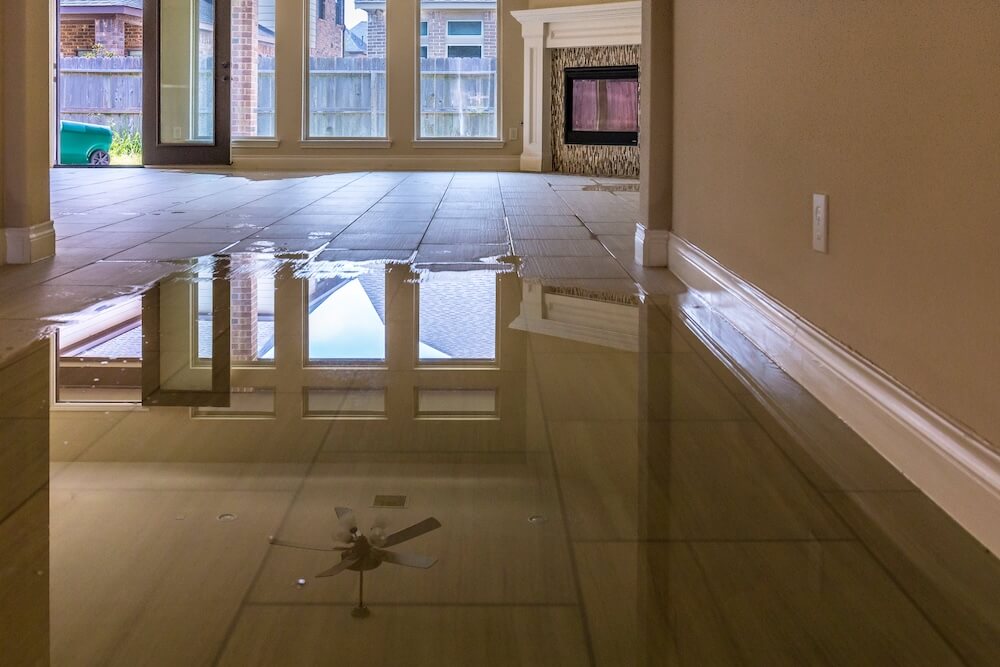
- Environmental Detectors: Monitor for smoke, carbon monoxide, water leaks, and temperature changes.
- Energy and Asset Monitors: Track the status of appliances and high-value items, alerting you to unusual activity.
- Remote Access and Automation: Control your system from anywhere and automate routines for added security.
By integrating these components, homeowners can proactively prevent loss, respond quickly to threats, and even lower insurance premiums.
Key Features to Look For in a Protection System
When evaluating options for safeguarding your property, consider the following features that set advanced systems apart:
- 24/7 Monitoring: Professional monitoring services can dispatch emergency responders if an alarm is triggered.
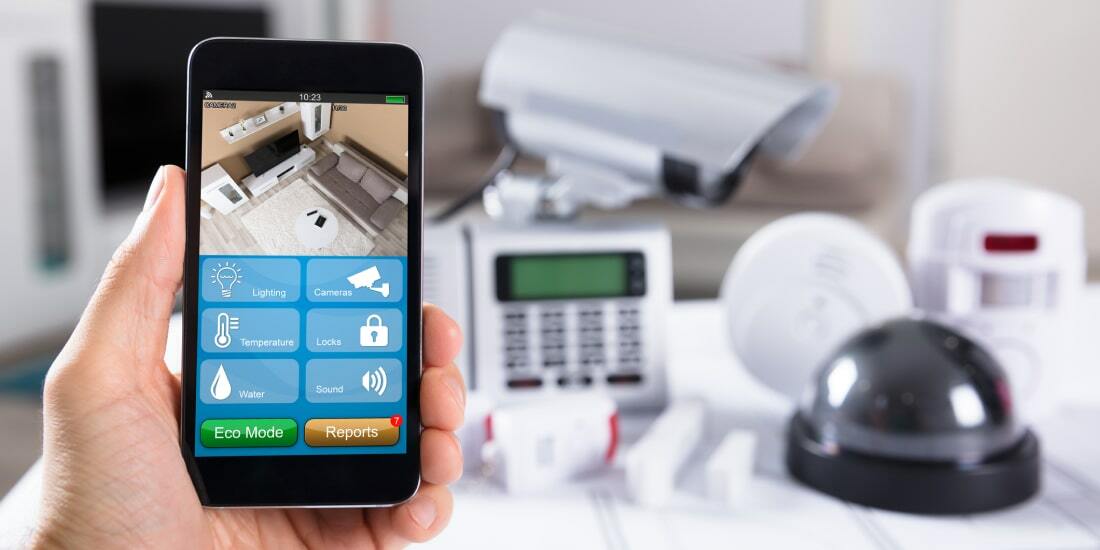
- Mobile Alerts: Instant notifications on your phone keep you informed of any suspicious activity or hazards.
- Customizable Zones: Set up specific areas for monitoring, such as safes, garages, or home offices.
- Integration with Other Smart Devices: Seamlessly connect with lights, locks, and thermostats for a holistic approach.
- Cloud Storage: Securely store video footage and event logs for easy access and review.
Choosing a system with these capabilities ensures you’re not just reacting to threats, but actively managing and reducing risk.
Why Invest in Home Asset Protection?
There are several compelling reasons to upgrade your home’s security and monitoring capabilities:
- Peace of Mind: Knowing your valuables are protected lets you focus on what matters most.
- Deterrence: Visible security measures reduce the likelihood of break-ins and theft.
- Early Detection: Environmental sensors catch problems like leaks or fires before they escalate.
- Insurance Benefits: Many insurers offer discounts for homes equipped with advanced protection systems.
- Remote Management: Control and monitor your property from anywhere in the world.
For a deeper dive into how technology is influencing residential safety, consider reading about the future of home protection technology and how it can benefit your household.
Choosing the Right System for Your Needs
Every home is unique, so it’s important to assess your specific requirements before making a decision. Here are some tips for selecting the best solution:
- Assess Your Risks: Identify the most valuable or vulnerable areas in your home.
- Set a Budget: Determine how much you’re willing to invest in security and monitoring.
- Research Providers: Compare features, customer reviews, and support options.
- Consider Scalability: Choose a system that can grow with your needs, adding new devices as required.
- Check Compatibility: Ensure your chosen system works with your existing smart home devices.
It’s also wise to consult with security professionals or read guides like smart homeowner solutions to get practical advice on integrating technology into your daily life.
Integrating Environmental and Digital Asset Protection
Modern protection isn’t limited to physical threats. Environmental hazards and digital vulnerabilities can also put your home at risk. Consider adding these elements to your setup:
- Water Leak Sensors: Detect leaks early to prevent costly damage.
- Smoke and CO Detectors: Essential for life safety and property preservation.
- Energy Monitoring: Track appliance usage and identify potential electrical issues. Devices like the Emporia Energy Monitor can help optimize energy consumption and alert you to unusual patterns.
- Cybersecurity Tools: Protect smart devices and personal data from hacking attempts.
Combining these tools with your security system creates a holistic approach to asset protection. For more on automating home maintenance and reducing manual upkeep, see the guide on home maintenance automation tools.
Best Practices for Maintaining Your Protection System
Once your system is in place, regular maintenance is crucial to ensure ongoing effectiveness. Here are a few best practices:
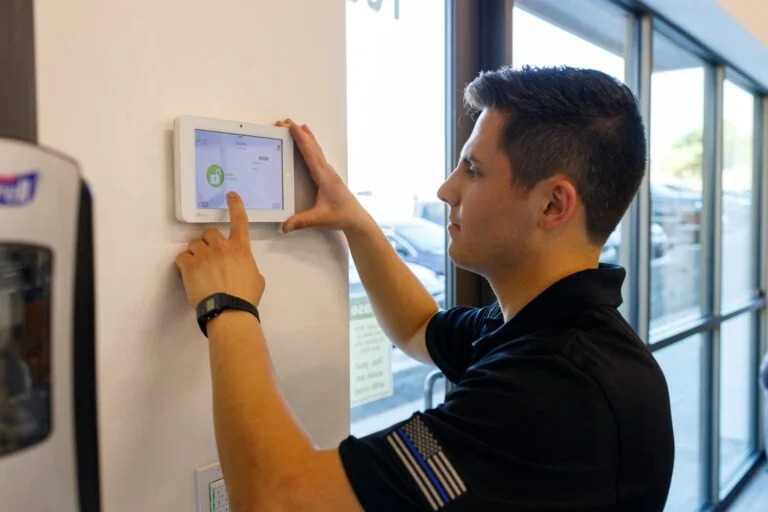
- Test Devices Regularly: Check alarms, sensors, and cameras to confirm they’re working properly.
- Update Software: Keep firmware and apps up to date to patch vulnerabilities.
- Review Activity Logs: Monitor system reports for unusual events or false alarms.
- Train Household Members: Make sure everyone knows how to use the system and respond to alerts.
- Schedule Professional Inspections: Some providers offer annual checkups to optimize performance.
Staying proactive will help you avoid gaps in coverage and maximize the value of your investment.
Additional Resources and Proactive Planning
Protecting your home is an ongoing process. As your needs evolve, so should your approach to security and asset management. For more information on proactive strategies, check out this guide to proactive protection that covers planning for life’s milestones and unexpected events.
For those interested in maintaining a healthy living environment, integrating home hygiene protection systems can further enhance your household’s safety and comfort.
Frequently Asked Questions
What types of valuables can home protection systems safeguard?
Modern systems can protect a wide range of assets, including electronics, jewelry, important documents, artwork, and even digital files. Environmental sensors can also help prevent damage to items from fire, water, or humidity.
Are these systems difficult to install and use?
Many solutions are designed for easy DIY installation, with intuitive mobile apps and clear instructions. For more complex setups, professional installation is available. User-friendly interfaces make daily operation and monitoring straightforward for all household members.
Can I integrate asset protection with other smart home devices?
Yes, most advanced systems are compatible with popular smart home platforms. This allows you to automate routines, receive unified alerts, and control everything from a single dashboard. Always check compatibility before purchasing new devices.