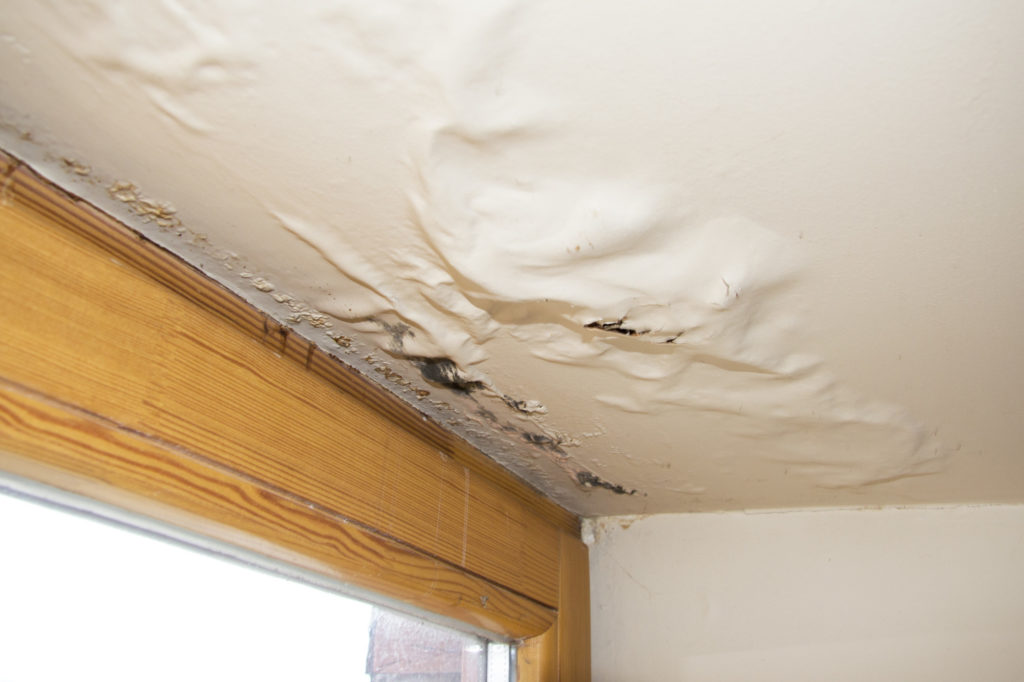
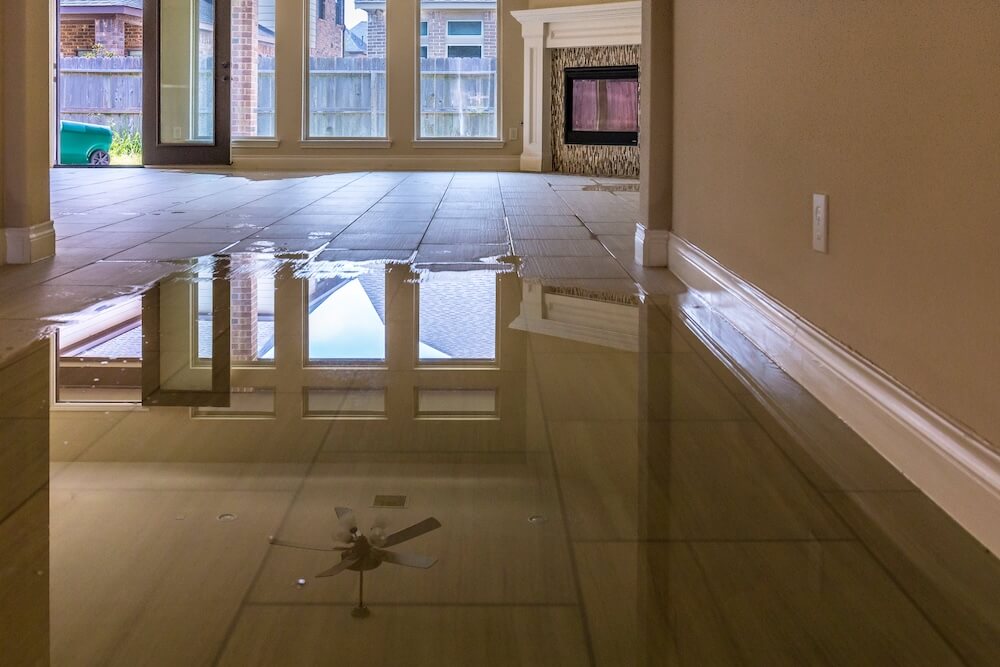
Modern households are increasingly turning to smart home protection systems to safeguard their property, loved ones, and valuables. These advanced solutions combine cutting-edge technology with user-friendly interfaces, offering homeowners a comprehensive approach to security that goes far beyond traditional locks and alarms. With features like real-time monitoring, remote access, and seamless integration with other smart devices, these systems provide a level of control and reassurance that was once unimaginable.
As the demand for smarter, more proactive security grows, it’s essential to understand how these innovative solutions work, what features to look for, and how they can be tailored to suit different lifestyles and needs. Whether you’re considering a full suite of connected devices or simply want to upgrade your current setup, this guide will help you navigate the world of intelligent home security.
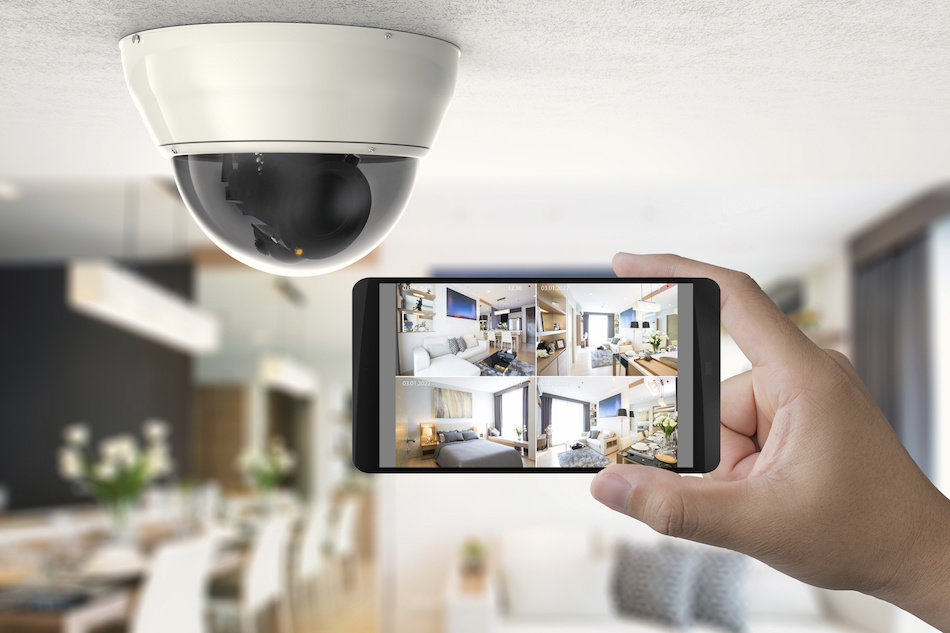
For those interested in exploring even more advanced options, our overview of next-generation home security systems highlights the latest features and trends shaping the future of residential protection.
Understanding the Core Components of Intelligent Security
At the heart of every effective smart home security setup are several interconnected devices and technologies. These components work together to detect threats, alert homeowners, and, in many cases, deter intruders before any damage occurs. Here are the key elements commonly found in modern systems:
- Smart cameras: High-definition video cameras with night vision, motion detection, and cloud storage capabilities.
- Door and window sensors: Devices that alert you when entry points are opened or tampered with.
- Motion detectors: Sensors that recognize movement within your home and can trigger alarms or notifications.
- Smart locks: Keyless entry solutions controlled via smartphone apps, codes, or even biometric data.
- Central hubs: The brain of the system, connecting all devices and enabling automation and remote management.
Many systems also integrate with voice assistants, lighting, and environmental controls, allowing for a truly connected living experience.
Key Benefits of Connected Home Security Solutions
Choosing a smart home protection system offers a range of advantages over traditional security methods. Some of the most significant benefits include:
- Remote monitoring: Check in on your property from anywhere using your smartphone or tablet.
- Instant alerts: Receive real-time notifications for suspicious activity, fire, or environmental hazards.
- Customizable automation: Set schedules or triggers for lights, locks, and alarms to simulate occupancy or respond to events.
- Easy integration: Connect with other smart devices for a seamless, unified experience.
- Scalability: Add or remove devices as your needs change, without the need for extensive rewiring or installation.
These features not only enhance security but also add convenience and energy efficiency to daily life.

Choosing the Right Smart Security System for Your Home
With so many options on the market, selecting the best solution can feel overwhelming. To make an informed decision, consider the following factors:
- Property size and layout: Larger homes may require more cameras and sensors, while apartments or condos might benefit from compact, all-in-one devices.
- Desired features: Decide if you need extras like environmental monitoring (smoke, CO2, water leaks), two-way audio, or integration with existing smart home platforms.
- Budget: Prices vary widely, so balance your security needs with what you’re willing to invest.
- Installation preferences: Some systems are DIY-friendly, while others require professional setup and monitoring.
- Privacy and data security: Research how your chosen provider handles video footage and personal information.
Reading reviews, consulting with security professionals, and exploring resources like future of home protection technology can help you stay informed about the latest advancements and best practices.
Integration and Automation: Making the Most of Your System
One of the standout features of modern home security is the ability to automate and customize your system. Through integration with other smart devices, you can:
- Automatically lock doors and arm alarms when you leave home.
- Set lights to turn on if motion is detected outside after dark.
- Receive alerts if unusual energy usage suggests a potential security issue.
- Monitor indoor air quality and environmental hazards alongside traditional security threats.
These capabilities not only enhance protection but also contribute to a more comfortable and efficient living environment. For those interested in broader home automation, our guide to home maintenance automation tools offers additional insights.

Proactive Security Tips for Homeowners
While technology offers powerful tools, effective home security also relies on smart habits and proactive measures. Here are some best practices to maximize your protection:
- Regularly update device firmware to patch vulnerabilities.
- Use strong, unique passwords for system access and connected accounts.
- Test alarms and sensors monthly to ensure proper function.
- Position cameras to cover entry points without invading neighbors’ privacy.
- Consider professional monitoring for added peace of mind.
For more expert advice, check out these proactive home security tips from industry leaders.
Expanding Your Security Beyond Intrusion Detection
Today’s smart home protection systems can do much more than guard against break-ins. Many setups now include:
- Environmental monitoring for smoke, carbon monoxide, and water leaks.
- Energy usage tracking to identify unusual patterns that could signal a problem.
- Integration with hygiene-focused devices, such as home hygiene protection systems, to help maintain a healthy living space.
- Support for elderly or vulnerable family members through emergency alerts and remote check-ins.
This holistic approach ensures that your home is not only secure from outside threats but also protected from internal hazards and day-to-day risks.
Frequently Asked Questions
How do smart home protection systems differ from traditional alarm systems?
Unlike conventional alarms, modern smart systems offer real-time monitoring, remote access, and integration with other connected devices. This allows for greater flexibility, instant notifications, and the ability to automate security routines based on your lifestyle.
Can I install a smart security system myself, or do I need a professional?
Many leading brands offer DIY installation with step-by-step instructions and user-friendly apps. However, for complex setups or if you prefer 24/7 professional monitoring, hiring a certified installer can ensure optimal performance and peace of mind.
Are these systems vulnerable to hacking or privacy breaches?
While any connected device carries some risk, reputable providers use encryption and regular security updates to protect your data. Homeowners should also follow best practices such as using strong passwords and keeping software up to date to minimize vulnerabilities.
Conclusion
Embracing smart home protection systems is a proactive step toward a safer, more convenient, and connected lifestyle. By understanding the available features, choosing solutions tailored to your needs, and following best practices, you can enjoy greater peace of mind and control over your living environment. For those looking to further enhance their homes, exploring smart homeowner solutions can open up even more possibilities for comfort and efficiency.