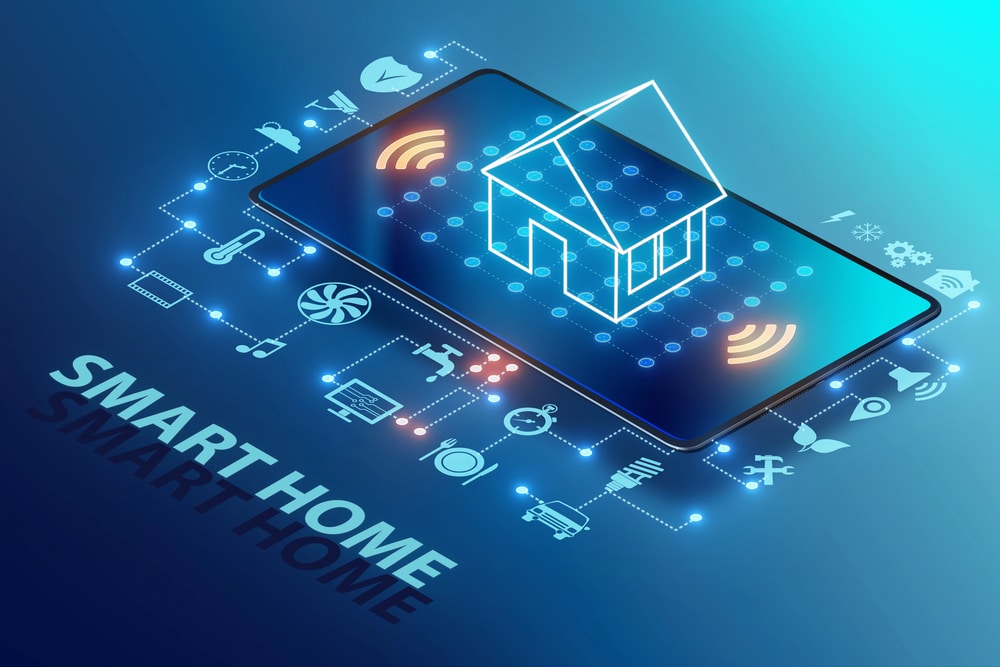
Homeowners face a constant challenge: keeping their roofs in good condition to protect their property, especially as unpredictable weather events become more common. Roof monitoring systems are changing the way people approach home maintenance, offering real-time insights and early warnings that can prevent costly repairs. These smart solutions combine sensors, connectivity, and analytics to help you spot issues before they escalate, ensuring your home is ready for whatever nature brings next.
Whether you’re looking to upgrade your home’s protection or want to understand how modern technology can safeguard your investment, this guide covers the essentials. We’ll explore how these systems work, the benefits they provide, and how they fit into the broader landscape of smart home technology. For those interested in a more comprehensive approach to home protection, you might also want to read about next-generation home security systems that integrate seamlessly with roof monitoring and other smart solutions.
Understanding Modern Roof Monitoring Solutions
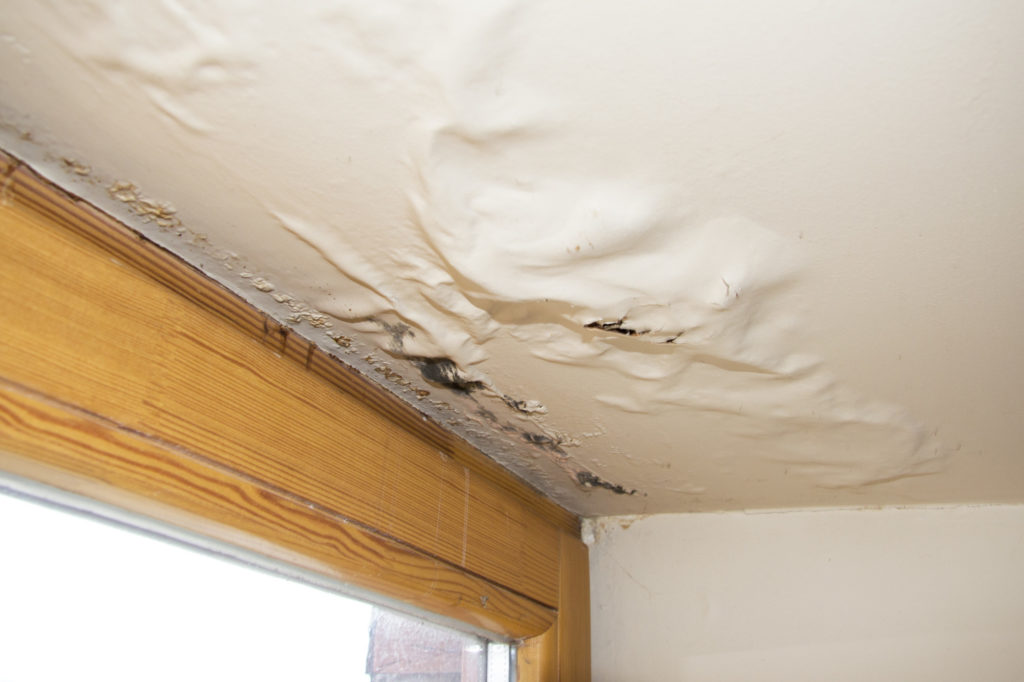
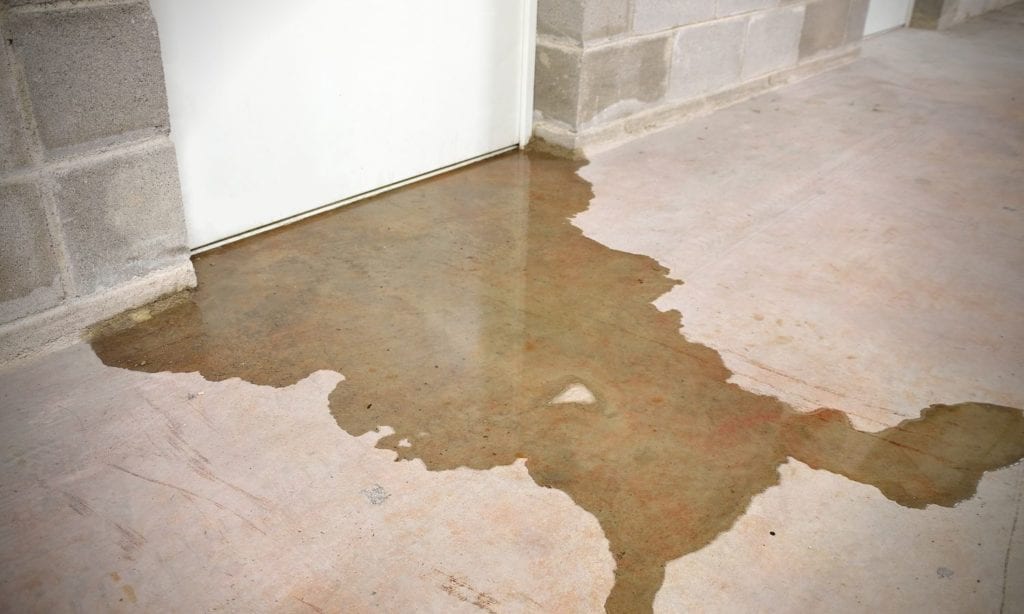
Traditional roof inspections rely on visual checks, which can miss hidden problems or require climbing onto the roof—a risky and time-consuming process. In contrast, roof monitoring systems use a network of sensors and smart devices to provide continuous oversight. These systems detect changes in moisture, temperature, structural movement, and even wind pressure, alerting homeowners to potential issues like leaks, ice dams, or weakened areas.
Most setups include wireless sensors placed at critical points on the roof and attic. Data from these sensors is transmitted to a central hub or directly to your smartphone, allowing you to monitor your roof’s condition from anywhere. Some advanced systems even use AI-driven analytics to predict problems before they occur, giving you time to schedule preventive maintenance.
Key Benefits of Roof Monitoring Technology
Investing in a smart monitoring solution offers several advantages beyond simple peace of mind:
- Early Detection: Receive instant alerts about leaks, water intrusion, or structural shifts before they become major problems.
- Reduced Repair Costs: Addressing minor issues early helps avoid expensive repairs or full roof replacements.
- Insurance Advantages: Some insurers offer discounts for proactive monitoring, as it lowers the risk of major claims.
- Remote Access: Monitor your property’s condition from anywhere, ideal for vacation homes or rental properties.
- Integration with Smart Home Systems: Many solutions work alongside smart homeowner solutions for seamless automation and alerts.
How Roof Monitoring Systems Work
These systems typically consist of several components working together:
- Sensors: Placed under shingles, in the attic, or on support beams, they measure moisture, temperature, and movement.
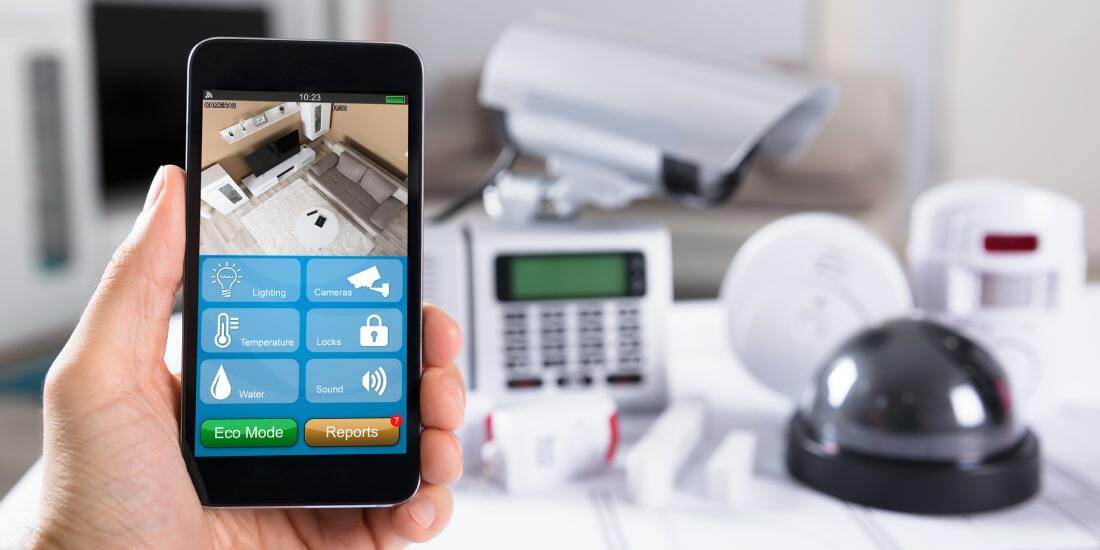
- Communication Hub: Collects data from sensors and sends it to your smartphone or a cloud dashboard.
- Mobile App or Web Portal: Allows you to view real-time data, receive alerts, and track historical trends.
- Integration Features: Some systems connect with other smart home devices, such as alarms or HVAC controls, for a holistic approach to home protection.
For example, if a sensor detects an unusual spike in moisture, you’ll receive a notification so you can investigate further. This proactive approach is especially valuable in regions prone to heavy rain, snow, or windstorms.
Choosing the Right Monitoring Solution for Your Home
When evaluating which system to install, consider the following factors:
- Type of Roof: Certain sensors are better suited for flat roofs, while others are designed for pitched or shingled surfaces.
- Connectivity: Look for wireless systems with reliable range and battery life, especially for larger homes.
- Integration: If you already use home maintenance automation tools, choose a system that can connect with your existing setup.
- Alerts and Reporting: Opt for solutions that provide clear, actionable notifications and easy-to-understand dashboards.
- Professional vs. DIY Installation: Some products are designed for easy self-installation, while others may require a professional for optimal placement and calibration.
Integrating Roof Monitoring with Broader Home Protection
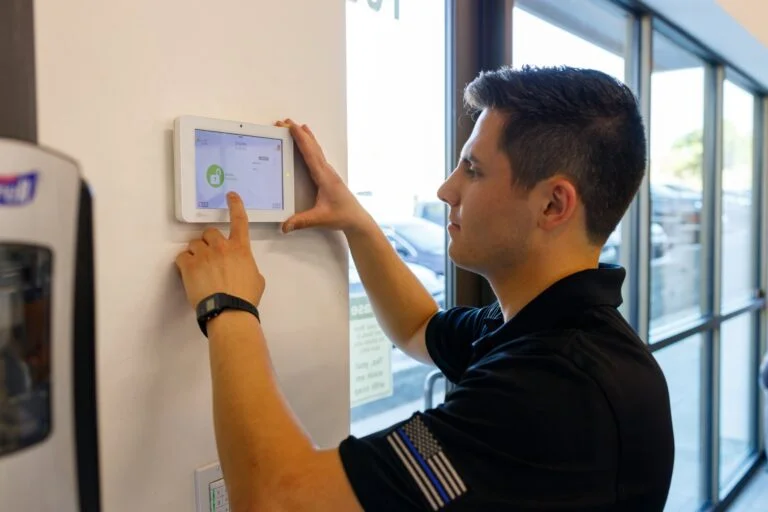
Smart roof monitoring is most effective when it’s part of a larger home protection ecosystem. Many homeowners are now combining these systems with future of home protection technology solutions, such as security cameras, environmental sensors, and automated maintenance tools. This integrated approach ensures that every aspect of your property is monitored and protected, from the foundation to the rooftop.
Additionally, some systems offer data sharing with insurance providers or contractors, streamlining the claims process and making it easier to schedule repairs. For those concerned about hygiene and air quality, integrating with home hygiene protection systems can further enhance your living environment.
Proactive Maintenance and Insurance Considerations
Routine maintenance is essential for extending the life of your roof, but even the most diligent homeowner can miss hidden issues. By leveraging technology, you can take a proactive stance—catching minor leaks, insulation gaps, or structural shifts before they become emergencies. This not only protects your investment but can also reduce your insurance premiums.
Some insurers recognize the value of smart monitoring and may offer incentives or discounts for homes equipped with these systems. For more on proactive protection and how it can impact your insurance, see this guide to proactive protection and insurance.
What to Expect After Installation
Once your system is in place, you’ll receive regular updates and alerts about your roof’s condition. Most platforms allow you to customize notification settings, so you’re only alerted to significant changes. Over time, you’ll build a data history that can help identify patterns, such as seasonal moisture spikes or recurring issues in specific areas.
If a problem is detected, you can quickly schedule repairs, share data with contractors, or take preventive steps to avoid further damage. This level of oversight is especially valuable for those who travel frequently or own multiple properties.
FAQ
How accurate are roof monitoring systems in detecting leaks?
Most modern systems use highly sensitive moisture and temperature sensors, making them effective at catching leaks early. However, accuracy can depend on sensor placement and the type of roofing material. Regular calibration and following manufacturer guidelines ensure optimal performance.
Can these systems be installed on older roofs?
Yes, many monitoring solutions are designed for retrofit installation and work well with both new and older roofs. It’s important to check compatibility with your specific roof type and consult with a professional if you have concerns about structural integrity.
Do roof monitoring systems require ongoing maintenance?
Most systems are low-maintenance, with sensors designed to last several years. You may need to replace batteries periodically and check for software updates. Regularly reviewing system alerts and performing occasional visual inspections will help ensure long-term reliability.
Conclusion
Smart monitoring technology is transforming how homeowners approach roof care. By providing real-time data and early warnings, these systems help prevent damage and reduce repair costs. As part of a broader smart home strategy, they offer peace of mind and long-term savings. Investing in proactive solutions today means you’ll be better prepared for whatever the next storm brings.