
Maintaining a healthy indoor environment is essential for every homeowner. One of the most persistent threats to indoor air quality is mold. Mold growth can lead to unpleasant odors, structural damage, and even health issues such as allergies and respiratory problems. For those seeking to ensure a safe and comfortable home, understanding mold prevention in houses is crucial. Taking proactive steps not only protects your property but also helps you and your family breathe cleaner air every day.
Many modern homeowners are turning to technology and smart systems to monitor and manage indoor conditions. By combining practical habits with the latest innovations, you can significantly reduce the risk of mold growth. For a broader perspective on how technology is transforming home care, explore our guide on proactive property management systems, which covers automated solutions for maintaining a healthy living space.
Why Mold Grows Indoors
Mold is a type of fungus that thrives in damp, humid environments. It reproduces by releasing spores that can quickly spread throughout a house. Common sources of moisture that promote mold growth include leaks, condensation, poor ventilation, and high indoor humidity. Areas such as bathrooms, basements, kitchens, and attics are especially vulnerable.
Understanding the conditions that allow mold to flourish is the first step toward prevention. When moisture problems are left unchecked, mold can develop on walls, ceilings, carpets, and even inside HVAC systems. This not only affects the appearance of your home but can also compromise structural integrity and indoor air quality.
Key Strategies for Mold Prevention in Houses
To effectively reduce the risk of mold, homeowners should focus on controlling moisture and improving air circulation. Here are several practical steps:
- Fix Leaks Promptly: Repair any leaks in roofs, walls, or plumbing as soon as they are detected. Even small drips can create enough moisture for mold to grow.
- Improve Ventilation: Use exhaust fans in bathrooms and kitchens, and ensure that dryers vent outside. Opening windows when weather permits can also help reduce humidity.
- Monitor Humidity Levels: Keep indoor humidity below 60%, ideally between 30% and 50%. Hygrometers are affordable tools for tracking humidity.
- Use Dehumidifiers: In damp areas like basements, a dehumidifier can help maintain optimal moisture levels.
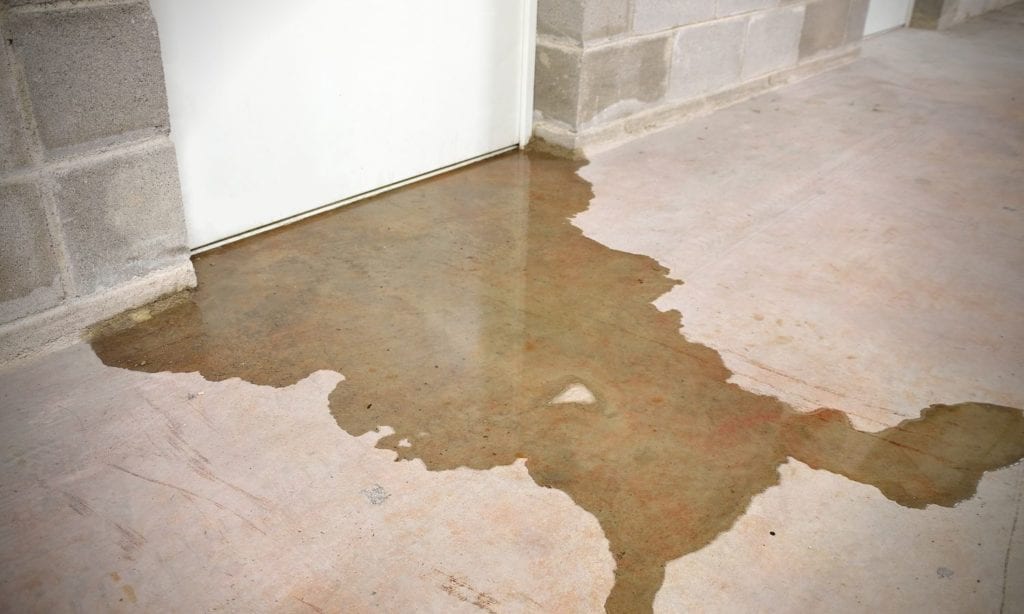
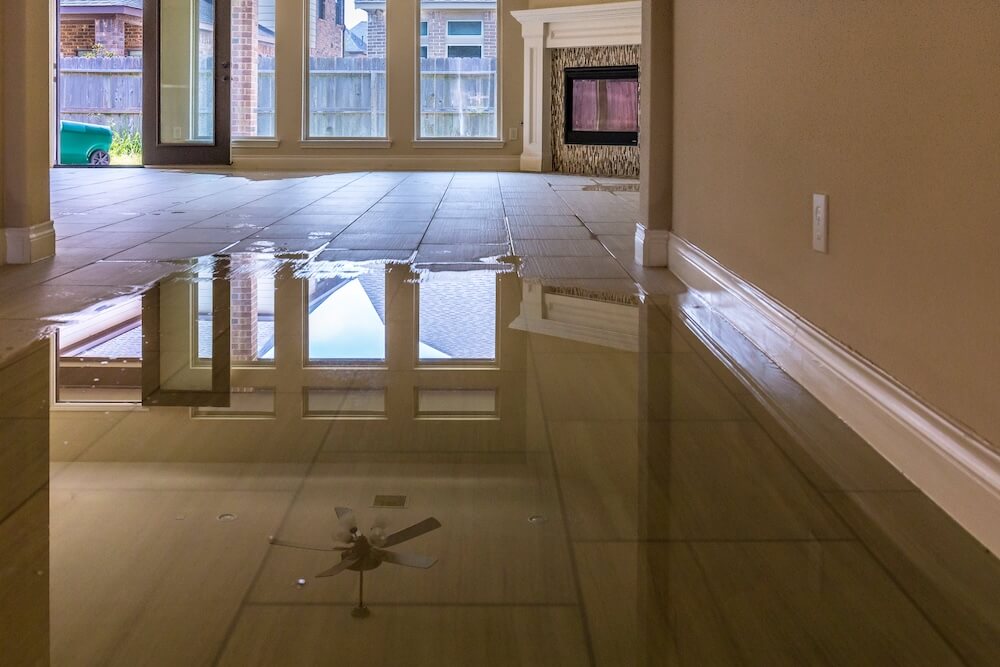
- Clean and Dry After Flooding: If your home experiences flooding, thoroughly dry all affected areas within 24–48 hours to prevent mold from taking hold.
- Regular Maintenance: Clean gutters, inspect the foundation, and check for water pooling around your home’s perimeter.
Smart Home Solutions for Mold Prevention
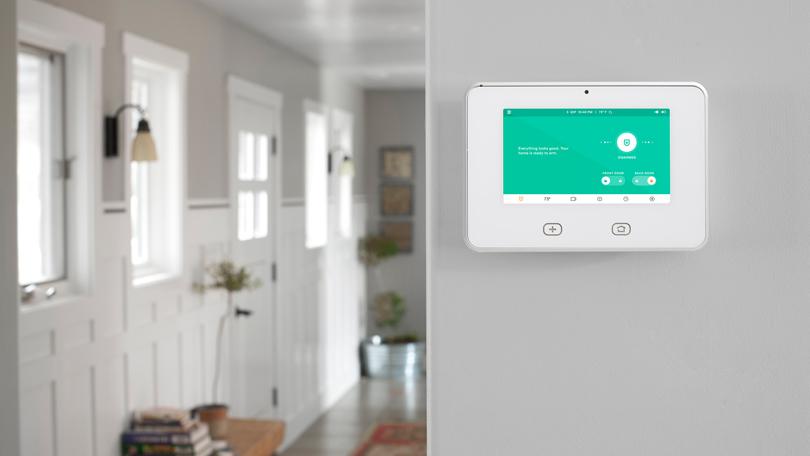
Modern technology offers new ways to keep your living space safe from mold. Smart home devices can automate monitoring and alert you to potential problems before they escalate. For example, smart humidity sensors and leak detectors can send instant notifications to your phone if moisture levels rise unexpectedly.
Integrating these tools with your home’s security or automation system allows for real-time monitoring and fast response. For a comprehensive overview of how smart technology can enhance home protection, see our article on next-generation home security systems.
Additionally, smart thermostats and energy monitors can help regulate temperature and airflow, further reducing the risk of mold. Some advanced systems even allow remote control of dehumidifiers and fans, making it easier to maintain ideal indoor conditions.
Improving Air Quality and Ventilation
Good air circulation is essential for preventing mold and maintaining a healthy home. Stagnant air can trap moisture and promote fungal growth. Here are some practical ways to enhance ventilation:
- Install and use exhaust fans in high-moisture areas.
- Keep interior doors open to encourage airflow between rooms.
- Move furniture away from walls to allow air to circulate behind them.
- Regularly replace HVAC filters and schedule professional maintenance.
For more tips on keeping your living space clean and germ-free, check out our resource on home hygiene protection systems.

Routine Maintenance and Inspections
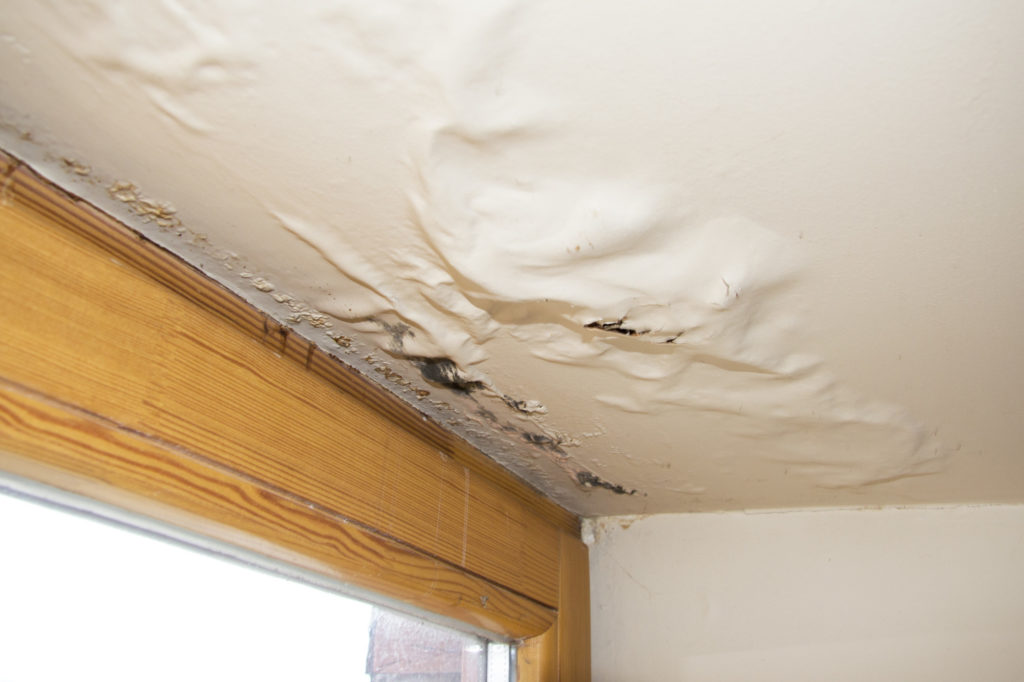
Regular inspections are key to catching moisture issues before they become serious. Make it a habit to check for signs of water damage, such as discoloration, peeling paint, or musty odors. Inspect attics, basements, crawl spaces, and behind appliances for hidden leaks or condensation.
Scheduling periodic professional assessments can also help identify vulnerabilities that may not be obvious. For homeowners interested in automating these tasks, our article on home maintenance automation tools covers solutions that simplify routine upkeep.
Choosing Mold-Resistant Materials
When renovating or building, consider using materials designed to resist mold. Mold-resistant drywall, paints, and insulation can provide an extra layer of protection in areas prone to dampness. These products are especially useful in bathrooms, kitchens, and basements.
Proper installation is just as important as material choice. Ensure that all surfaces are dry before applying finishes, and follow manufacturer guidelines for best results.
Leveraging Smart Security and Monitoring
Home security systems are evolving to include environmental monitoring features. Many modern setups can detect water leaks, humidity spikes, and even temperature fluctuations. For a detailed look at planning and understanding these systems, refer to this complete guide to smart home security and protection systems.
Integrating environmental sensors with your security system allows for immediate alerts and automated responses, such as activating fans or shutting off water supplies. This proactive approach can help prevent minor issues from becoming costly repairs.
Frequently Asked Questions
What are the first signs of mold in a house?
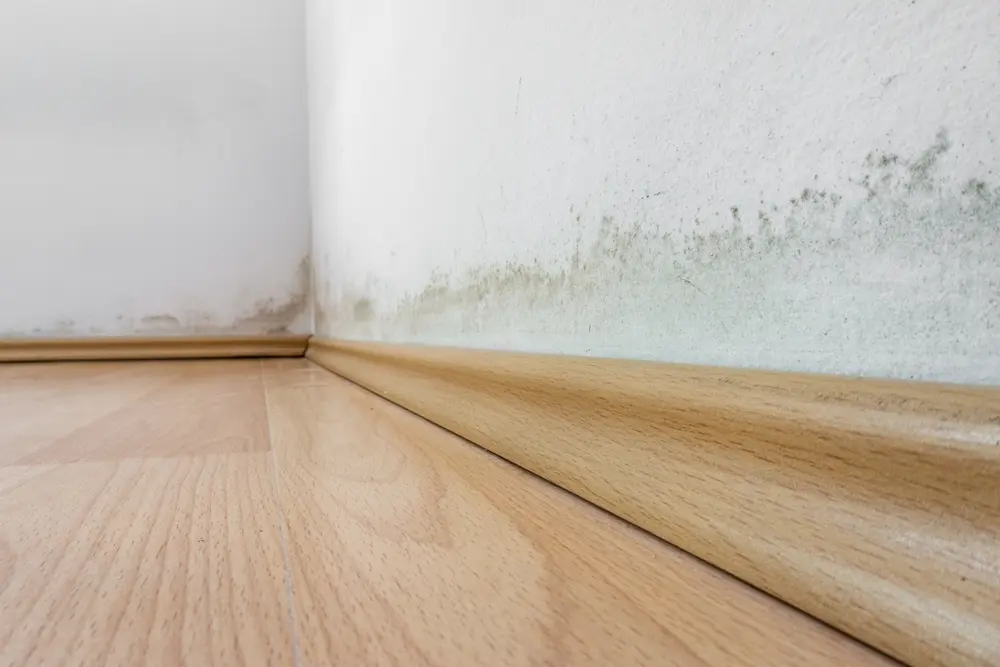
Early indicators include a musty odor, visible spots or discoloration on walls and ceilings, and increased allergy symptoms among occupants. If you notice these signs, investigate for moisture sources and address them promptly.
How often should I check for moisture or leaks?
It’s wise to inspect vulnerable areas such as basements, attics, and bathrooms at least once a month. After heavy rain or plumbing work, perform additional checks to catch leaks early.
Can smart home devices really help prevent mold?
Yes, smart sensors and automated systems can monitor humidity, detect leaks, and alert you to changes in your home’s environment. These tools make it easier to maintain optimal conditions and act quickly if problems arise.
Conclusion
Protecting your home from mold requires a combination of vigilance, routine maintenance, and smart technology. By controlling moisture, improving ventilation, and leveraging modern monitoring tools, you can create a healthier indoor environment for your family. For those interested in the future of home care, our article on future of home protection technology explores upcoming trends that will make mold prevention even more effective.
Taking these proactive measures not only preserves your property but also ensures that the air you breathe remains clean and safe.