Every year, hurricanes threaten homes along coastlines and even far inland. The impact of these storms can be devastating, but with the right hurricane home protection tips, you can significantly reduce the risk of costly repairs and keep your family safer. This guide covers practical steps, from reinforcing your property to leveraging the latest smart technologies, so you can prepare effectively before the next storm strikes.
Modern solutions, including smart home upgrades and robust physical barriers, are now more accessible than ever. If you’re interested in how technology is shaping disaster preparedness, you might also want to explore the future of home protection technology for additional insights on emerging trends.
Understanding Hurricane Risks and Home Vulnerabilities
Hurricanes bring a combination of high winds, heavy rainfall, and storm surges. These forces can damage roofs, windows, doors, and even the foundation of your home. Knowing which parts of your property are most at risk is the first step toward effective preparation. Common vulnerabilities include:
- Windows and glass doors that can shatter from flying debris
- Roofs that may lose shingles or even be torn off
- Garage doors that can collapse under wind pressure
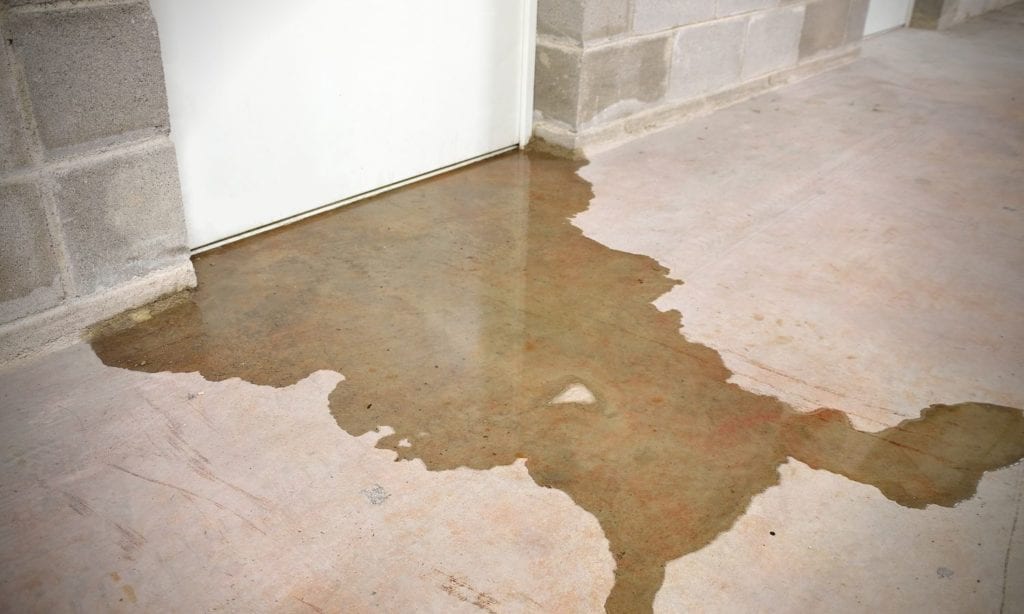
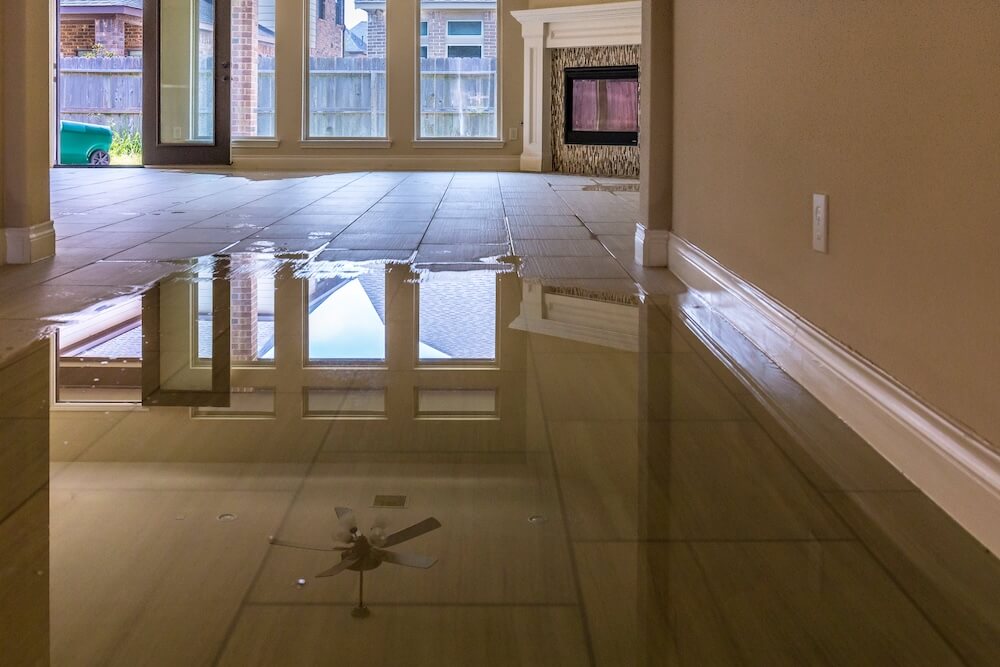
- Basements and ground floors susceptible to flooding
By identifying these weak points, you can target your efforts and investments for maximum protection.
Physical Barriers: Reinforcing Your Home Against Storm Damage
One of the most effective ways to safeguard your property is by installing physical barriers. Here are some proven methods:
- Storm shutters: These cover windows and glass doors, preventing breakage from debris.
- Impact-resistant windows: Specially designed glass can withstand strong winds and flying objects.
- Roof straps and clips: Reinforcing your roof structure helps keep it attached during high winds.
- Garage door braces: Strengthening your garage door can prevent it from buckling under pressure.
- Flood barriers: Sandbags, water-filled tubes, or permanent flood shields can keep water out of vulnerable areas.
Upgrading these elements not only protects your home but may also reduce insurance premiums.
Smart Home Technology for Hurricane Preparedness
Integrating smart devices into your storm readiness plan can make a big difference. Here are some ways technology can help:
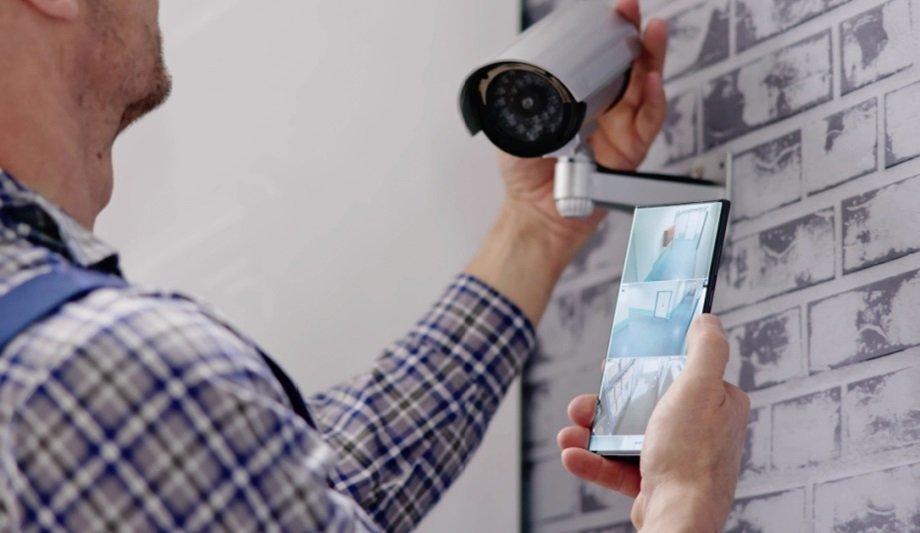
- Smart alarms and sensors: Devices like water leak detectors and motion sensors can alert you to problems early, even if you’re away.
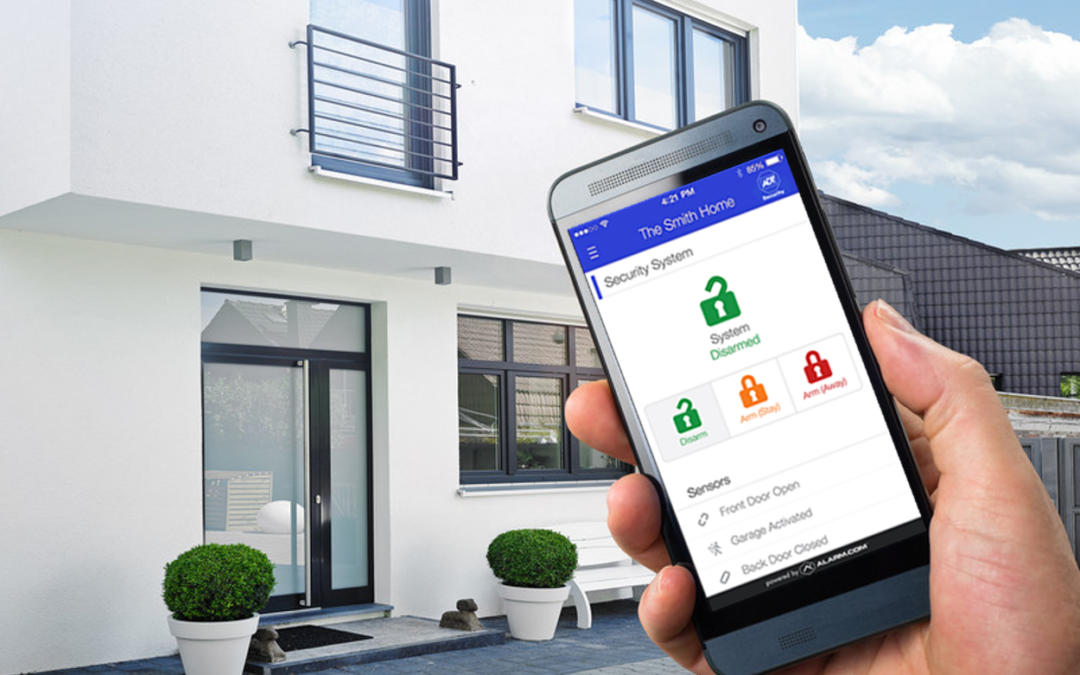
- Remote monitoring: Security cameras and smart locks let you check on your property and secure entry points from anywhere.
- Energy monitoring: Smart energy monitors can help you track power usage and identify outages quickly, which is critical during storms.
- Automated lighting: Timers and smart bulbs can make your home look occupied, deterring looters in the aftermath of a storm.
For more on the latest advancements, see our article on next-generation home security systems for features that can enhance your storm readiness.
Essential Hurricane Home Protection Tips for Every Household
Beyond physical upgrades and smart tech, there are everyday actions you can take to reduce risk:
- Trim trees and shrubs: Remove dead branches and keep landscaping tidy to minimize debris.
- Secure outdoor items: Patio furniture, grills, and potted plants should be brought inside or anchored.
- Check drainage systems: Clean gutters and downspouts to prevent water from pooling near your foundation.
- Prepare an emergency kit: Stock up on water, non-perishable food, flashlights, batteries, and first aid supplies.
- Review insurance coverage: Make sure your policy covers hurricane-related damage, including flooding if you’re in a high-risk area.
These steps are simple but effective, and they complement more advanced solutions for comprehensive protection.
Maintenance and Post-Storm Recovery Strategies
Regular maintenance is key for keeping your home resilient. After a hurricane, inspect your property for damage as soon as it’s safe. Look for:
- Loose or missing shingles
- Cracked windows or doors
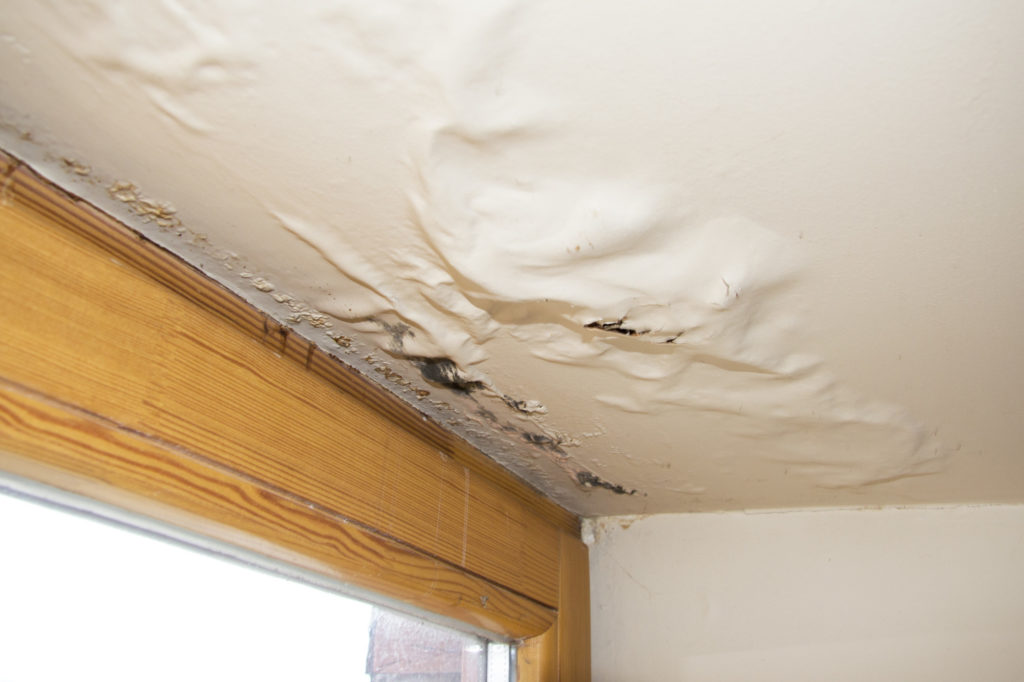
- Water stains or leaks inside the home
- Damaged fences, decks, or outbuildings
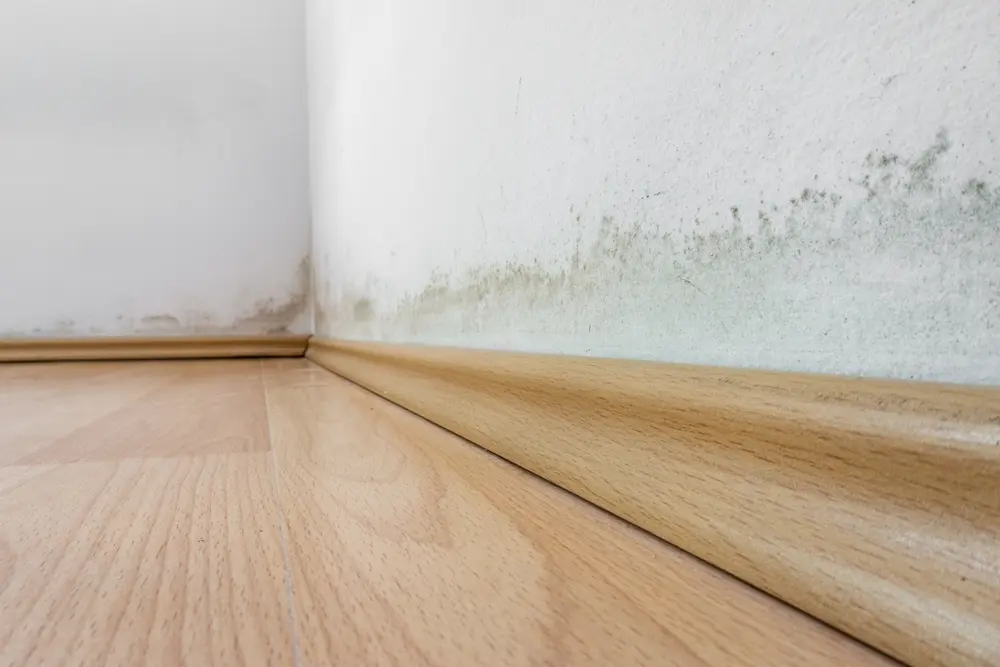
Document any damage with photos for insurance claims. Address repairs quickly to prevent further issues like mold or structural weakness. You can also automate routine upkeep with home maintenance automation tools to ensure nothing is overlooked.
Leveraging Community Resources and Professional Help
Sometimes, the best protection comes from working together. Local emergency management agencies often provide free resources and checklists. Consider hiring professionals for complex upgrades, such as installing hurricane shutters or reinforcing your roof. If you’re interested in broader home safety, check out our guide on home hygiene protection systems to keep your living space safe from other hazards.
For more comprehensive disaster planning, you may also find value in reading about critical steps to protect your home from fire damage, which often overlaps with hurricane preparedness in terms of emergency kits and evacuation plans.
Integrating Smart Homeowner Solutions
Combining traditional methods with modern technology gives you the best chance of minimizing storm damage. Smart homeowner solutions, such as automated alerts, remote monitoring, and energy management, can help you stay informed and react quickly to changing conditions. For more ideas on how to make your property safer and more efficient, see our article on smart homeowner solutions.
FAQ: Common Questions About Hurricane Home Protection
What are the most important steps to take before a hurricane?
Focus on securing windows and doors, reinforcing your roof, clearing your yard of loose items, and assembling an emergency kit. Upgrading to impact-resistant windows and installing storm shutters are also highly recommended.
Can smart home devices really help during a hurricane?
Yes, smart devices such as alarms, sensors, and cameras can provide real-time alerts, help you monitor your property remotely, and automate safety routines. Energy monitors can also alert you to power outages or abnormal usage, which is valuable during storms.
Is flood insurance necessary if I already have homeowners insurance?
Standard homeowners insurance typically does not cover flood damage. If you live in a hurricane-prone area, purchasing separate flood insurance is essential for comprehensive protection.
How often should I review my hurricane preparedness plan?
Review your plan at least once a year, ideally before hurricane season begins. Update your emergency contacts, check your supplies, and inspect your home for any needed repairs or upgrades.
By combining these hurricane home protection tips with regular maintenance and the latest technology, you can greatly reduce the risk of property damage and keep your household safer when severe weather strikes.