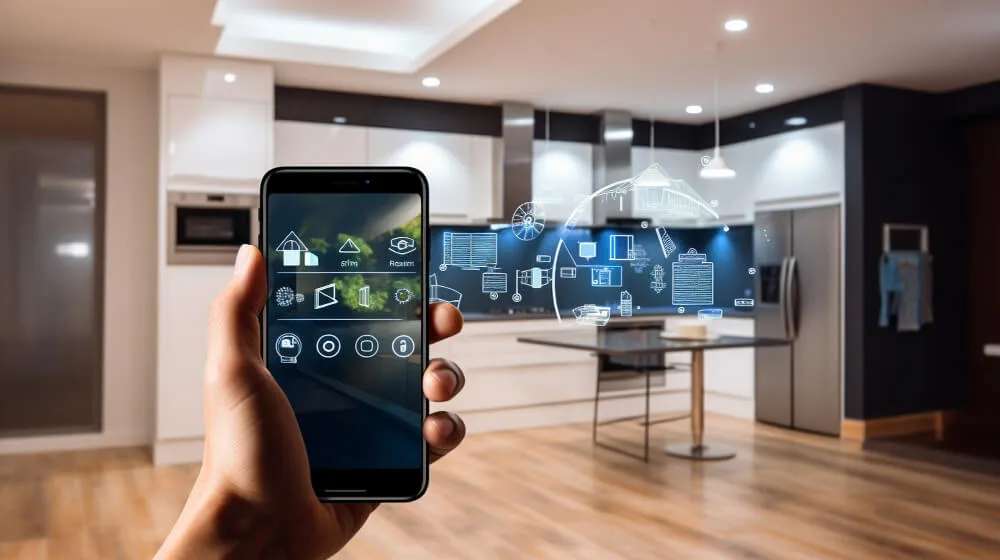
Maintaining a hygienic and safe home environment has become a top priority for many households. With the advancement of smart technology, home sanitation monitoring systems are transforming the way we manage cleanliness, air quality, and overall well-being indoors. These solutions offer real-time insights, automate cleaning routines, and help prevent the spread of germs and allergens, making it easier to achieve a healthier living space.
Whether you’re interested in tracking air quality, monitoring humidity, or ensuring surfaces remain germ-free, modern sanitation monitoring tools provide actionable data and peace of mind. As the demand for smarter, healthier homes grows, integrating these systems can be a game-changer for families, renters, and homeowners alike.
For those looking to expand their knowledge on related innovations, exploring the future of home protection technology can provide valuable insights into upcoming trends and solutions that work hand-in-hand with sanitation systems.
Understanding Smart Sanitation Solutions for Homes
Today’s home sanitation monitoring systems go far beyond traditional cleaning schedules. They combine sensors, automation, and data analytics to help you maintain a consistently clean and safe environment. These systems can monitor:
- Air quality (detecting pollutants, allergens, and volatile organic compounds)
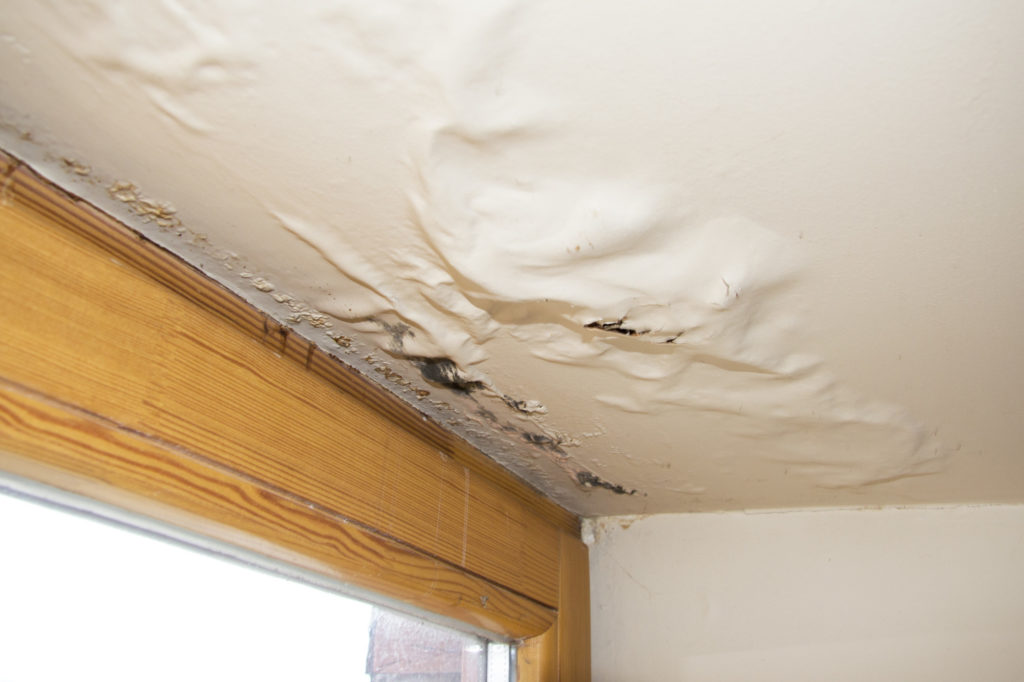
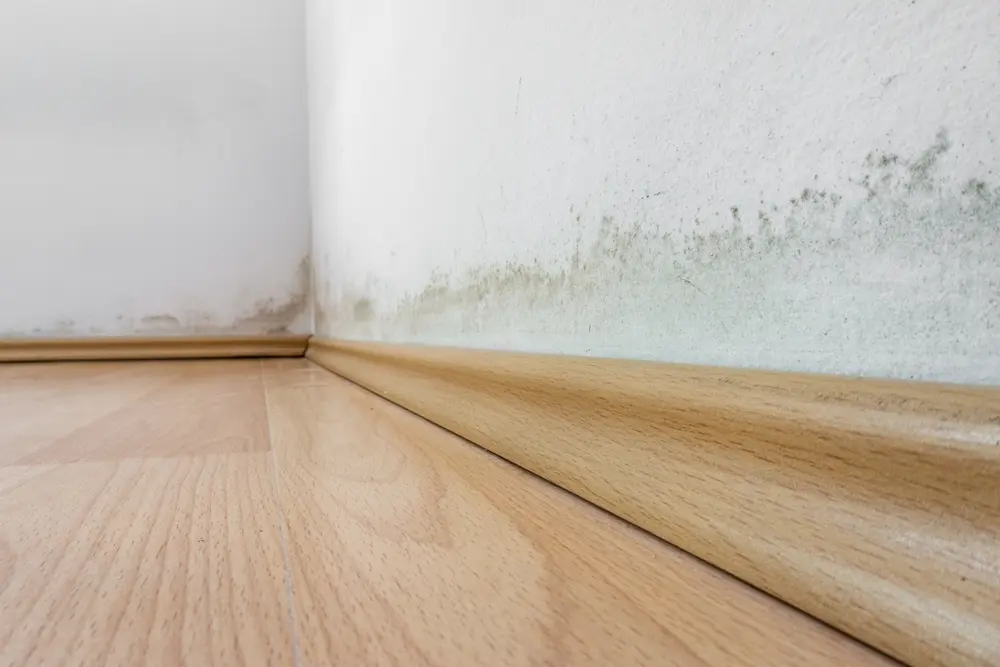
- Humidity and moisture levels (preventing mold and mildew)
- Surface cleanliness and disinfection status
- Occupancy and movement (to automate cleaning when rooms are empty)
By leveraging these technologies, homeowners can proactively address sanitation issues before they escalate, reducing the risk of illness and improving overall comfort.
Key Features of Modern Sanitation Monitoring Devices
When evaluating smart sanitation tools, several features stand out for their impact on cleanliness and convenience:
- Real-time alerts: Receive notifications if air quality drops or if a surface requires attention.
- Automated cleaning triggers: Integrate with robotic vacuums, air purifiers, or UV-C disinfection devices to activate when needed.
- Comprehensive reporting: Track trends over time to identify problem areas or seasonal changes in indoor hygiene.
- Remote access: Use mobile apps to monitor and control your system from anywhere.
- Integration with other smart home devices: Connect with security systems, thermostats, and more for a holistic approach to home management.
These features make it easier to maintain high standards of cleanliness without constant manual effort.
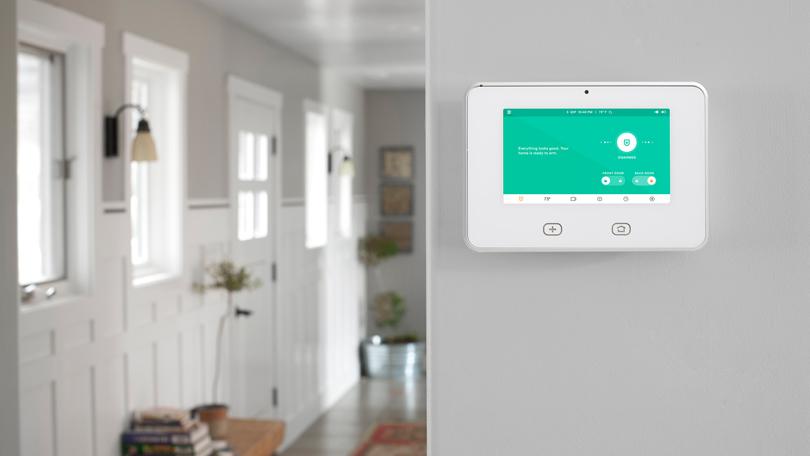
Benefits of Implementing Sanitation Monitoring in Your Home
Adopting a sanitation monitoring system offers several tangible benefits:
- Healthier indoor air: By continuously tracking air quality, you can minimize exposure to dust, pollen, and airborne pathogens.
- Reduced spread of germs: Automated reminders and disinfection routines help keep high-touch surfaces clean.
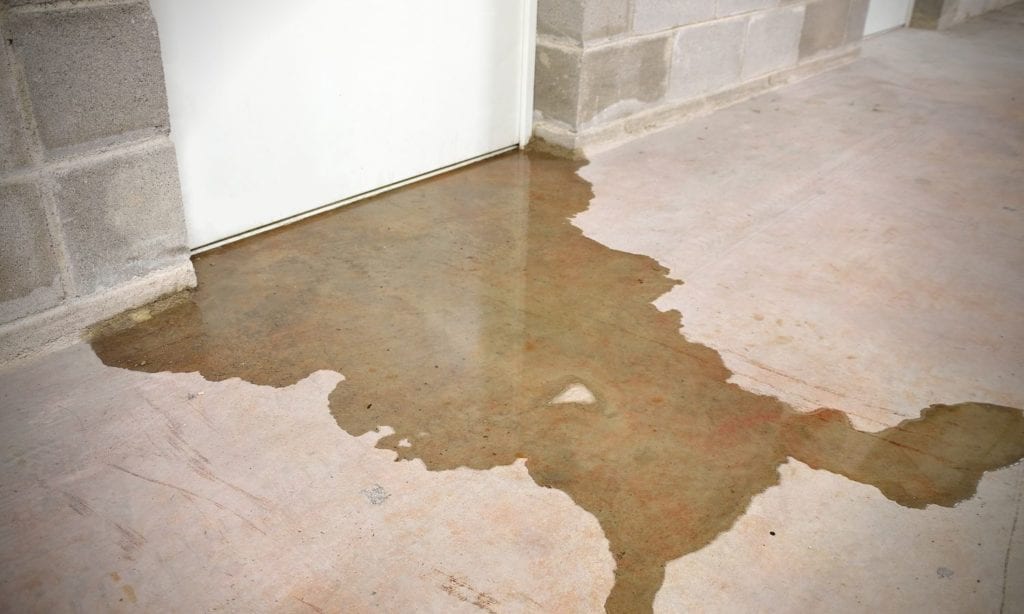
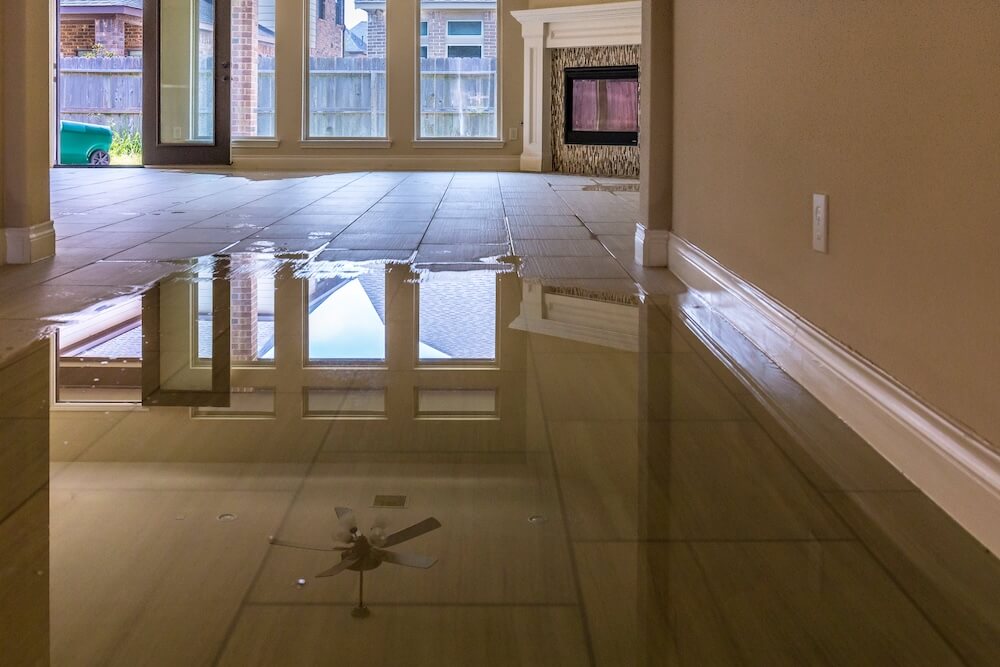
- Early detection of issues: Moisture sensors can alert you to leaks or humidity problems before mold develops.
- Peace of mind: Knowing your home’s sanitation is actively managed reduces stress and supports overall well-being.
- Energy and resource efficiency: Smart systems optimize cleaning and air purification, saving time and reducing unnecessary use of cleaning products.
These advantages make a compelling case for integrating monitoring solutions into modern living spaces.
How to Choose the Right Home Hygiene Monitoring System
With a growing number of products on the market, selecting the best system for your needs can be challenging. Consider the following factors:
- Compatibility: Ensure the system works with your existing smart home devices and platforms.
- Sensor accuracy: Look for devices with proven reliability in detecting air quality, humidity, and surface cleanliness.
- Ease of use: User-friendly interfaces and clear reporting make ongoing management simpler.
- Automation capabilities: Systems that trigger cleaning or disinfection automatically offer the greatest convenience.
- Budget: Balance upfront costs with long-term value and potential health savings.
For a deeper dive into related solutions, you may want to read about home hygiene protection systems and how they complement monitoring technologies.
Integrating Sanitation Monitoring with Other Smart Home Systems
One of the strengths of modern home sanitation monitoring systems is their ability to work alongside other smart home technologies. For example, you can:
- Link air quality sensors with HVAC controls to automatically adjust ventilation.
- Connect occupancy sensors to robotic vacuums for efficient, targeted cleaning.
- Combine sanitation alerts with security notifications for a comprehensive safety approach.
Exploring the next-generation home security systems can provide further insight into how integrated solutions can elevate both hygiene and safety in your living space.
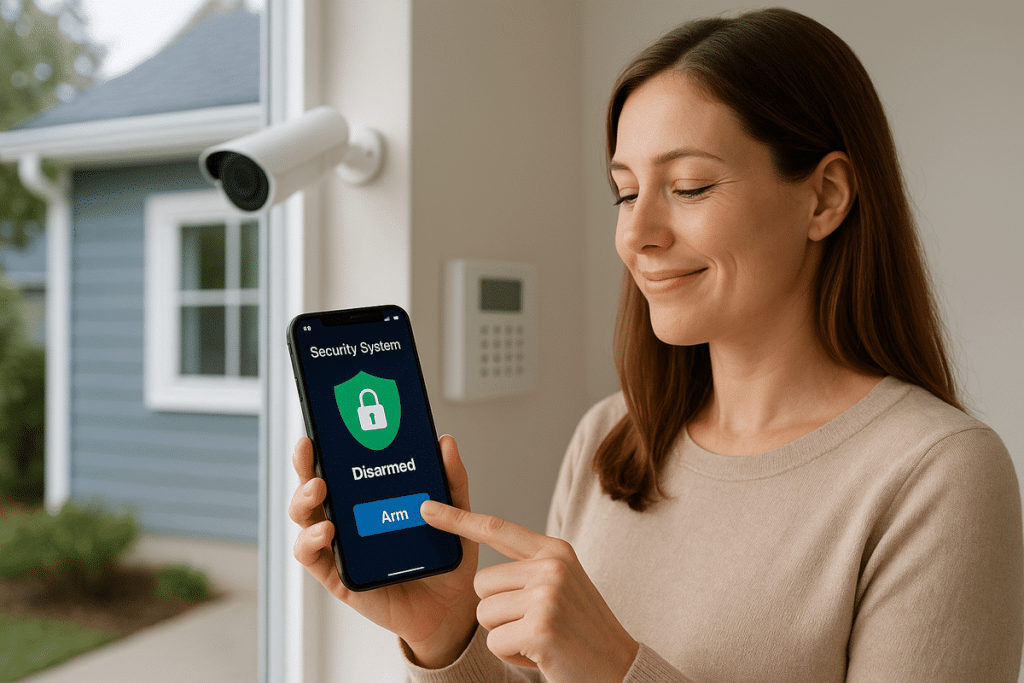
Best Practices for Maintaining a Clean and Monitored Home
To get the most out of your sanitation monitoring setup, follow these practical tips:
- Regularly review system reports to identify trends or recurring issues.
- Set up automated routines for cleaning and air purification based on sensor data.
- Keep sensors and devices clean and well-maintained for accurate readings.
- Educate household members on the importance of hygiene and how to use the system’s features.
- Stay updated with firmware and app updates to benefit from the latest improvements.
For those interested in automating other aspects of home care, resources on home maintenance automation tools can offer additional strategies for effortless upkeep.
Emerging Trends in Home Sanitation Technology
The landscape of home hygiene management continues to evolve. Some notable trends include:
- AI-driven analytics: Advanced systems use artificial intelligence to predict and prevent sanitation issues before they arise.
- Integration with health monitoring: Linking sanitation data with wearable health devices for a holistic view of well-being.
- Voice control and automation: Hands-free management of cleaning and monitoring through smart assistants.
- Eco-friendly solutions: Focus on sustainability, reducing chemical use, and optimizing energy consumption.
For a comprehensive overview of what’s next in this space, check out the complete guide to smart home security and planning, which covers the intersection of safety, hygiene, and technology.
Frequently Asked Questions
What types of sensors are used in home sanitation monitoring systems?
Common sensors include air quality monitors, humidity and moisture detectors, surface cleanliness sensors, and occupancy sensors. These devices work together to provide a comprehensive view of your home’s hygiene and can trigger automated cleaning or disinfection routines.
Can sanitation monitoring systems be integrated with other smart home devices?
Yes, most modern systems are designed for compatibility with a wide range of smart home products, including thermostats, air purifiers, robotic vacuums, and security systems. This integration allows for automated, efficient management of both hygiene and safety.
How do I know if my home needs a sanitation monitoring system?
If you have concerns about air quality, allergies, mold, or the spread of germs—especially in high-traffic areas—a monitoring solution can provide valuable insights and help you maintain a healthier environment. Homes with children, elderly residents, or pets may benefit the most from these systems.
Are these systems difficult to install and maintain?
Most products are designed for easy installation, often requiring only a Wi-Fi connection and a smartphone app. Maintenance typically involves keeping sensors clean and ensuring software is up to date. Many systems offer user-friendly interfaces and automated alerts to simplify ongoing management.
Conclusion
Smart sanitation monitoring is rapidly becoming a staple of modern home management. By leveraging these systems, you can proactively address hygiene challenges, improve indoor air quality, and create a safer, more comfortable living space. As technology continues to advance, expect even more seamless integration and powerful features that make maintaining a clean home easier than ever.