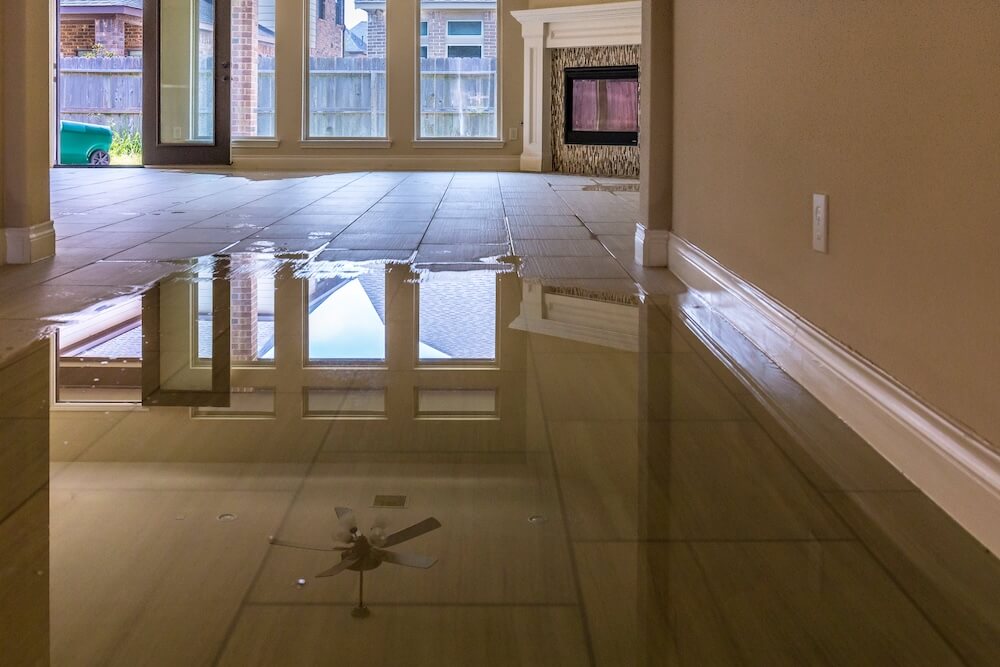
Water intrusion can cause costly and lasting harm to your home’s structure, especially to floors and walls. Whether from plumbing leaks, storms, or unnoticed drips, excess moisture can lead to warped flooring, stained drywall, and even hazardous mold growth. This water damage prevention guide provides practical steps and modern solutions to help you safeguard your property and maintain a healthy, resilient living environment.
With the right strategies and technologies, you can minimize the risk of water-related issues and avoid expensive repairs. Early detection, routine maintenance, and smart home upgrades all play a role in keeping your home dry and secure. For homeowners interested in the latest advancements, exploring future of home protection technology can offer additional insights into proactive defense.

Why Water Damage Happens: Common Causes and Risks
Understanding the sources of moisture is the first step in effective prevention. The most frequent causes include:
- Leaky pipes under sinks, behind walls, or in basements
- Appliance malfunctions, such as washing machines or water heaters
- Roof or window leaks during heavy rain
- Poor drainage around the foundation
- Clogged gutters and downspouts
- High indoor humidity and condensation
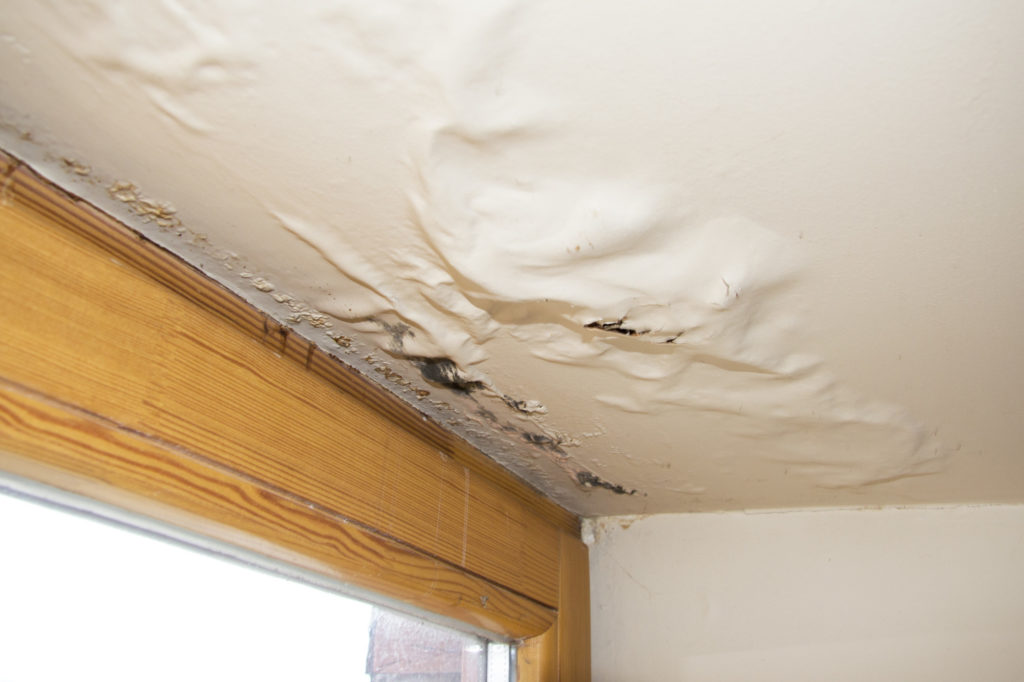
Unchecked, these issues can result in warped hardwood, buckled laminate, peeling paint, and even structural rot. Mold and mildew thrive in damp environments, posing health risks and further damaging surfaces.
Essential Steps for Water Damage Prevention
To protect your floors and walls, combine regular upkeep with smart monitoring. Here are the most effective measures:
-
Inspect and Maintain Plumbing
- Check for visible leaks under sinks, around toilets, and behind appliances.
- Replace worn hoses and fittings promptly.
- Insulate exposed pipes to prevent freezing and bursting in cold climates.
-
Seal Vulnerable Entry Points
- Apply caulk or weatherstripping around windows and doors.
- Repair damaged roof shingles and flashing.
- Ensure exterior walls are free from cracks or gaps.
-
Improve Drainage
- Keep gutters and downspouts clear of debris to direct water away from your home.
- Grade soil around the foundation so water flows away, not toward, the structure.
- Install sump pumps in basements prone to flooding.
-
Control Indoor Humidity
- Use exhaust fans in bathrooms and kitchens.
- Run dehumidifiers in damp areas like basements.
- Monitor for condensation on windows or pipes.
-
Monitor Appliances
- Inspect washing machines, dishwashers, and water heaters for leaks or rust.
- Replace appliances nearing the end of their lifespan to avoid unexpected failures.

Smart Home Solutions for Water Detection
Modern technology offers new ways to catch leaks before they escalate. Installing smart water sensors and alarms can alert you to moisture in real time, even when you’re away from home. These devices can be placed near water heaters, under sinks, behind toilets, or in basements—anywhere leaks are likely to start.
Some advanced systems integrate with your home’s Wi-Fi and send instant notifications to your phone. Others can even shut off the main water supply automatically if a leak is detected, preventing widespread damage. For those interested in a comprehensive approach, consider exploring next-generation home security systems that combine water detection with other smart features.
Pairing water sensors with energy monitors can also help you track unusual water usage patterns, which may indicate hidden leaks. This proactive approach is a key part of any water damage prevention guide for today’s connected homes.
Protecting Floors and Walls: Materials and Methods
The materials you choose for your home can make a difference in how well it withstands moisture. Here are some tips for selecting and maintaining surfaces:
-
Flooring:
- Tile, vinyl, and sealed concrete are more water-resistant than hardwood or laminate.
- Use waterproof underlayment in bathrooms, kitchens, and basements.
- Clean up spills immediately to prevent seepage into subfloors.
-
Walls:
- Moisture-resistant drywall (green board) is ideal for bathrooms and laundry rooms.
- Apply mold-resistant paint in areas prone to humidity.
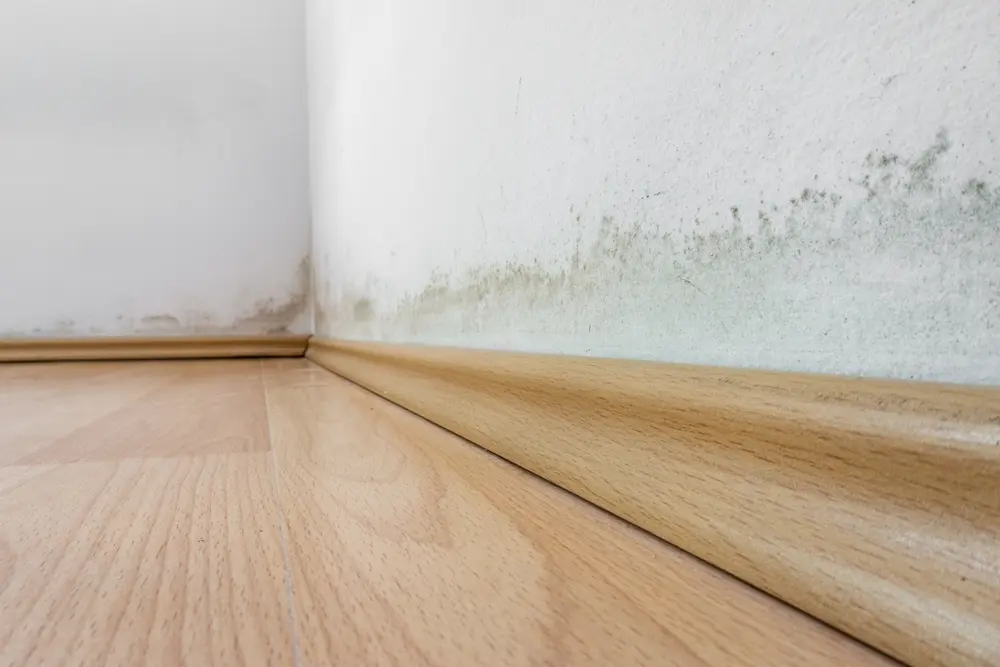
- Inspect baseboards and drywall for swelling, bubbling, or discoloration—early signs of water infiltration.
Regularly check for musty odors or visible mold, especially in hidden corners or behind furniture. Early intervention can prevent minor issues from becoming major repairs.

Routine Maintenance: Your Best Defense
Consistent upkeep is essential for long-term protection. Here’s a maintenance checklist to help you stay ahead of potential problems:
- Test water sensors and alarms monthly to ensure they’re working.
- Examine attic and crawl spaces for signs of leaks after heavy rain.
- Flush water heaters annually to remove sediment and prevent corrosion.
- Check caulking and grout in bathrooms and kitchens for cracks or gaps.
- Schedule professional plumbing inspections every few years.
For homeowners looking to automate these tasks, home maintenance automation tools can streamline reminders and monitoring, making it easier to keep your property in top condition.
Proactive Strategies for Modern Homes
Today’s smart homes benefit from integrating water detection with other security and management systems. By combining leak sensors, energy monitors, and automated shutoff valves, you can create a layered defense that minimizes risk and maximizes peace of mind.
Staying informed about the latest proactive property management systems and smart homeowner solutions ensures you’re prepared for evolving threats and can respond quickly to any incident.
For additional safety, consider reviewing expert advice on proactive home security to complement your water protection efforts. A comprehensive approach not only guards against water damage but also enhances your overall home security.
Frequently Asked Questions
How can I tell if my home is at risk for water damage?
Look for warning signs such as peeling paint, warped flooring, musty odors, or visible mold. Homes with older plumbing, poor drainage, or a history of leaks are at higher risk. Regular inspections and moisture monitoring can help identify vulnerabilities early.
Are smart water sensors worth the investment?
Yes, smart water sensors provide real-time alerts for leaks and moisture buildup, allowing you to act quickly before significant damage occurs. They are especially valuable in areas that are hard to monitor manually, such as basements, behind appliances, or under sinks.
What should I do if I discover a leak?
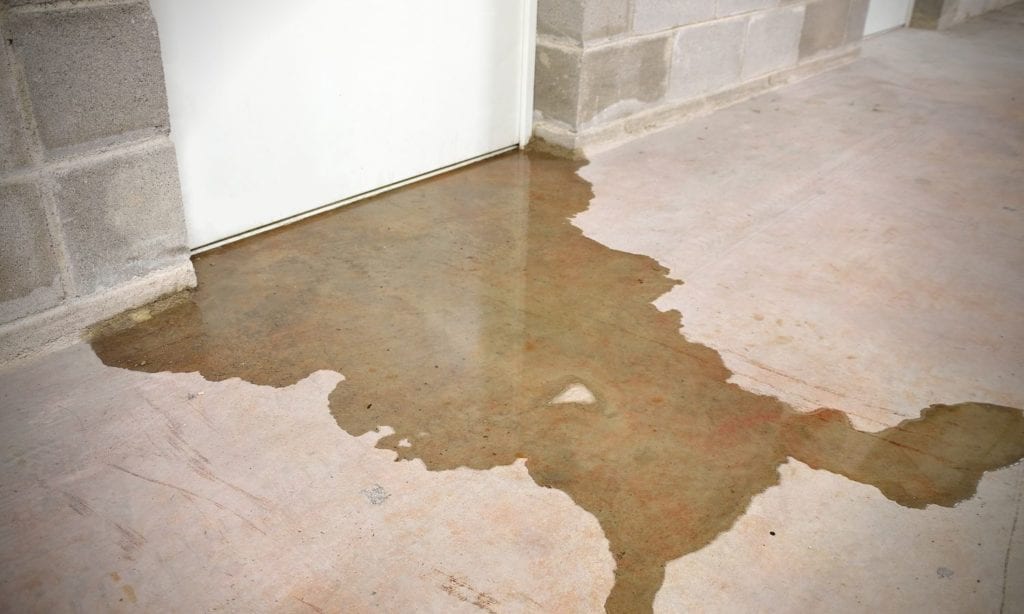
Immediately shut off the water supply to the affected area, clean up standing water, and dry out the space with fans or dehumidifiers. Address the source of the leak—whether it’s a pipe, appliance, or roof—and repair any damage to prevent mold growth. If the issue is extensive, consult a professional for repairs and remediation.