Homeowners often overlook the importance of keeping an eye on their property’s foundation until visible issues arise. However, foundation monitoring for homes is a proactive approach that helps identify early signs of settling, cracks, and structural movement. By understanding how to track these changes, you can prevent costly repairs and maintain the long-term stability of your house.
Modern technology and smart devices have made it easier than ever to monitor the condition of your foundation. Whether you own a new build or an older property, knowing what to look for and which tools to use can make a significant difference in safeguarding your investment. In this guide, we’ll cover the essentials of monitoring your home’s foundation, the warning signs to watch for, and the best solutions available today.
Staying informed about the latest advancements in home protection can help you choose the right systems for your needs. For example, exploring the future of home protection technology can provide valuable insights into trends that may influence how you monitor your property’s foundation in the coming years.
Why Foundation Health Matters for Homeowners
The foundation is the backbone of your house, supporting everything above it. Even minor shifts or cracks can lead to uneven floors, sticking doors, and water intrusion. Over time, these issues can compromise the safety and value of your property. Regular foundation monitoring for homes ensures that you catch problems early, often before they become visible or cause significant damage.
Ignoring foundation issues can result in:
- Structural instability and safety hazards
- Costly repairs that could have been avoided
- Decreased property value
- Difficulty selling your home in the future
Common Signs of Foundation Problems
Detecting foundation movement early is crucial. Some of the most common indicators include:
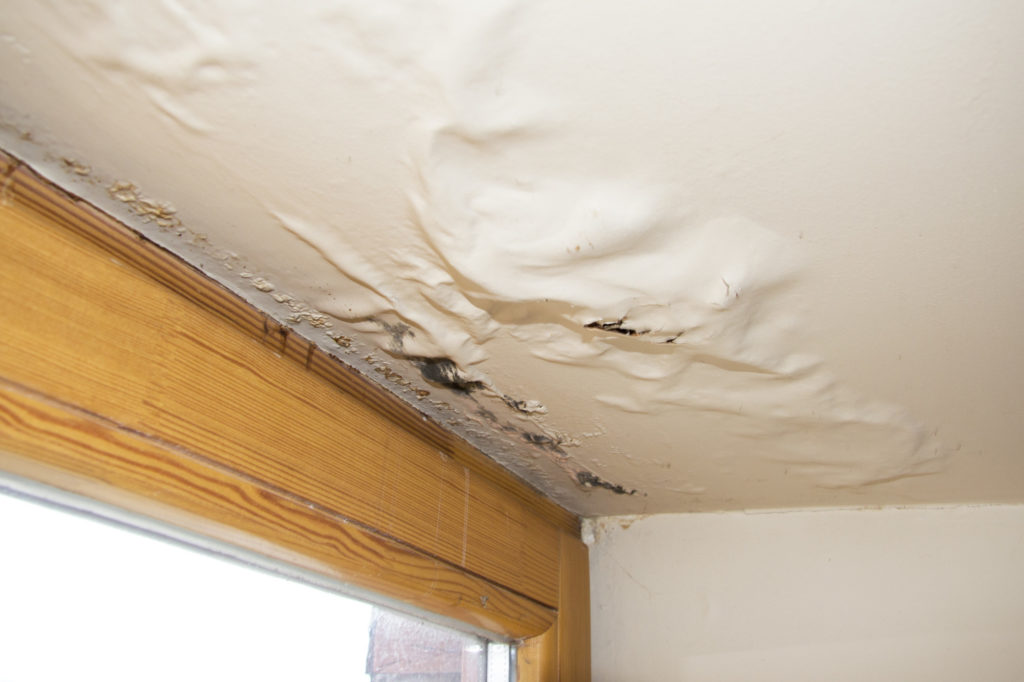
- Cracks in walls or ceilings: Especially those that appear suddenly or widen over time.
- Gaps around windows and doors: Doors that stick or won’t close properly can signal shifting.
- Uneven floors: Sloping or sagging floors often point to settling issues.
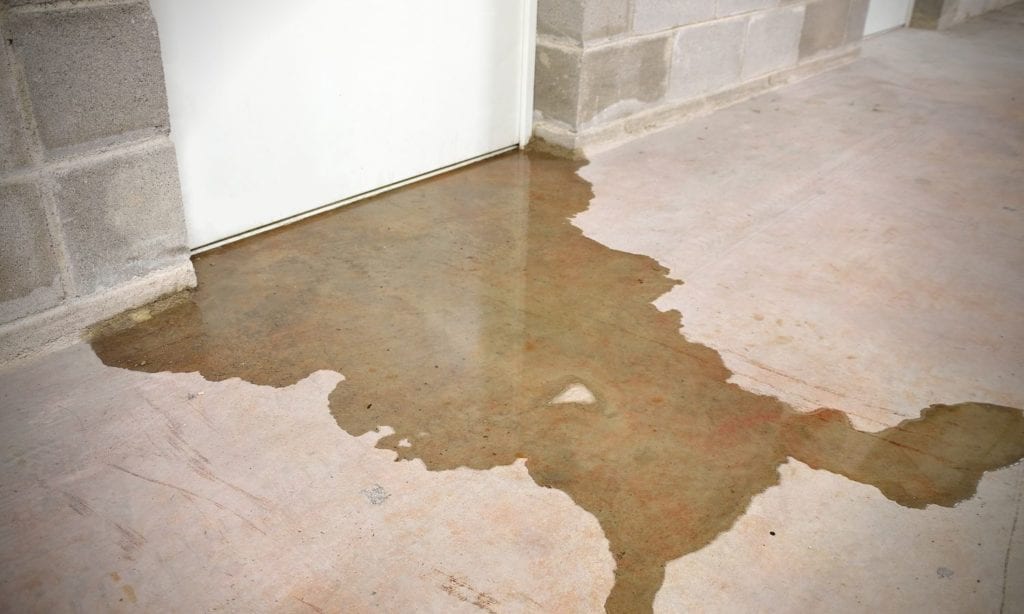
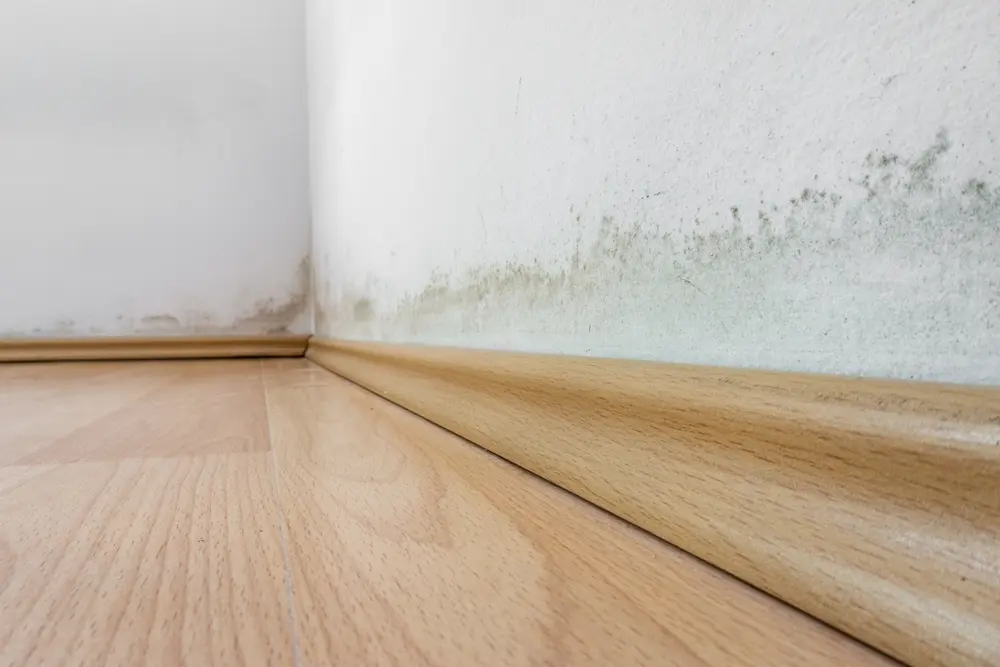
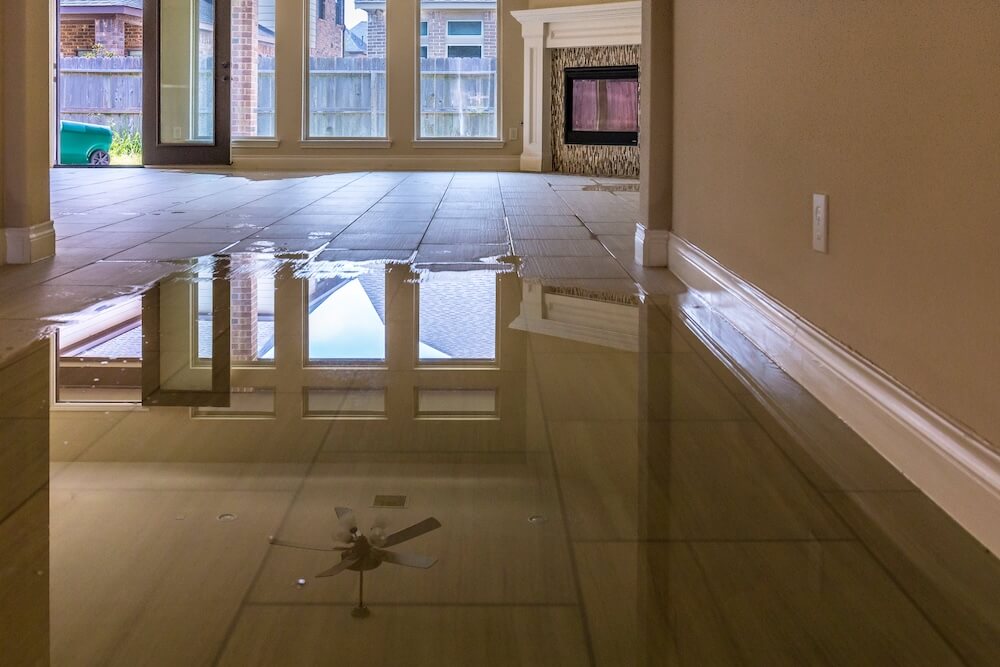
- Moisture intrusion: Water pooling near the foundation or dampness in the basement.
While some minor cracks are normal as a home ages, monitoring their progression is key to distinguishing between harmless settling and more serious structural movement.
How to Monitor Foundation Movement Effectively
There are several ways to track changes in your home’s foundation. Combining visual inspections with modern technology provides the most comprehensive approach.
Visual Inspections
Start by walking around your home’s exterior and interior at least twice a year. Look for new or expanding cracks, gaps, or signs of moisture. Take photos and measurements to document any changes over time. Marking cracks with a pencil and noting the date can help you see if they are growing.
Using Smart Sensors and Monitoring Devices
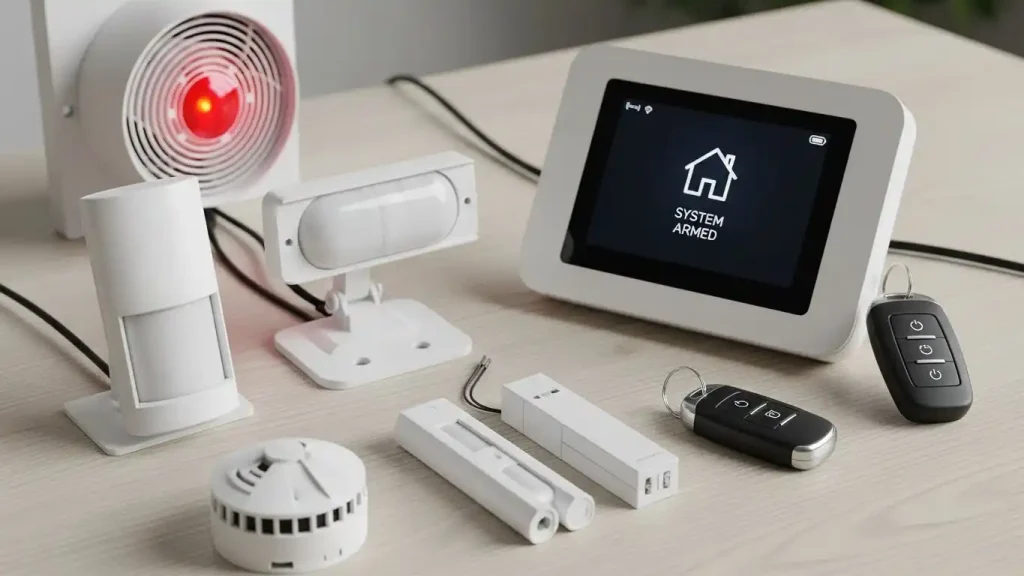
Technology has revolutionized foundation monitoring for homes. Smart sensors can be placed in key locations to detect movement, humidity, and even vibration. These devices often connect to your smartphone, sending alerts if they detect unusual activity.
Some advanced systems integrate with broader home security or automation platforms, giving you a centralized dashboard for all your property’s health indicators. For homeowners interested in the latest features, consider learning about next-generation home security systems that offer more than just intrusion detection.
Choosing the Right Foundation Monitoring Solutions
When selecting a monitoring system, consider the following factors:
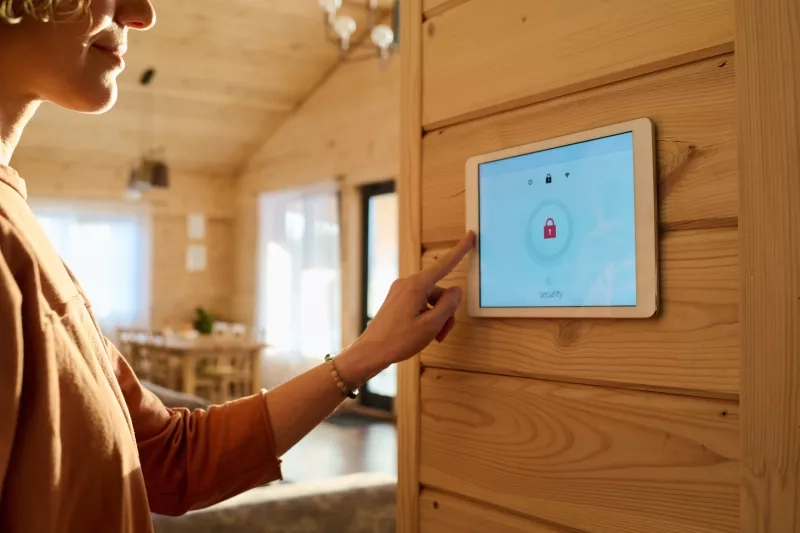
- Type of sensors: Look for devices that measure movement, humidity, and temperature.
- Connectivity: Choose systems that integrate with your existing smart home platform or offer mobile notifications.
- Ease of installation: Many modern sensors are wireless and simple to set up.
- Data tracking: Opt for solutions that log historical data, so you can spot trends over time.
For a comprehensive approach, combine smart sensors with regular visual inspections. Many homeowners also benefit from professional evaluations every few years, especially if you notice persistent issues.
Home automation can further simplify maintenance. Explore tools like home maintenance automation tools to streamline routine checks and receive timely reminders for inspections.
Integrating Foundation Monitoring with Home Security
Many modern security systems now offer environmental and structural monitoring as part of their packages. This means you can protect your home from both intruders and structural threats using a single platform. For example, some systems include vibration sensors that detect ground movement or impacts, which can be early indicators of foundation issues.
Proactive monitoring is key. Solutions like proactive video monitoring for home security can provide real-time alerts and visual records, helping you respond quickly to any changes in your property’s condition.
Best Practices for Preventing Foundation Damage
While monitoring is essential, prevention plays an equally important role in maintaining your home’s structural health. Here are some practical tips:
- Ensure proper drainage around your property to prevent water from pooling near the foundation.
- Keep gutters and downspouts clean and direct water away from the house.
- Maintain consistent soil moisture around the foundation, especially during dry spells.
- Address plumbing leaks promptly to avoid water infiltration.
- Schedule regular inspections, especially after severe weather events.
For those interested in a more holistic approach to property care, consider learning about proactive property management systems that combine maintenance, security, and monitoring.
FAQ
How often should I check my home’s foundation for signs of settling?
It’s recommended to inspect your foundation at least twice a year, ideally in the spring and fall. After major storms or seismic events, perform an additional check. Using smart sensors can provide continuous monitoring and alert you to changes as they happen.
Are all cracks in the foundation a cause for concern?
Not necessarily. Hairline cracks are common as homes settle, especially in new builds. However, wide, expanding, or horizontal cracks may indicate structural movement and should be evaluated by a professional. Monitoring the progression of any crack is crucial to determining its severity.
Can I install foundation monitoring sensors myself?
Many modern sensors are designed for easy DIY installation. Wireless options can be placed in key locations without professional help. However, for complex systems or if you’re unsure about placement, consulting a specialist ensures optimal coverage and accuracy.
What should I do if I notice significant foundation movement?
If you observe major cracks, uneven floors, or doors that no longer close properly, contact a structural engineer or foundation specialist promptly. Early intervention can prevent further damage and reduce repair costs.
How does foundation monitoring integrate with other smart home systems?
Many foundation monitoring devices can be linked to smart home hubs, allowing you to receive alerts alongside other security and automation features. This integration provides a comprehensive view of your home’s health and enhances overall protection.