Managing household resources efficiently is more important than ever. Rising utility costs and growing environmental concerns have led many homeowners to seek smarter ways to monitor and control their water, gas, and electricity usage. Home utility monitoring systems offer a practical solution, providing real-time insights into consumption patterns and helping families make informed decisions about their energy and resource use.
These intelligent platforms integrate with your home’s infrastructure to deliver accurate data, alerts, and even automation options. Whether you’re looking to reduce your bills, detect leaks early, or simply gain more control over your living environment, these systems can make a significant difference.
For those interested in broader trends, the future of home protection technology is closely linked to the evolution of smart monitoring and automation. As these technologies advance, homeowners can expect even more seamless integration and smarter alerts to keep their properties safe and efficient.
Understanding Modern Utility Tracking Solutions
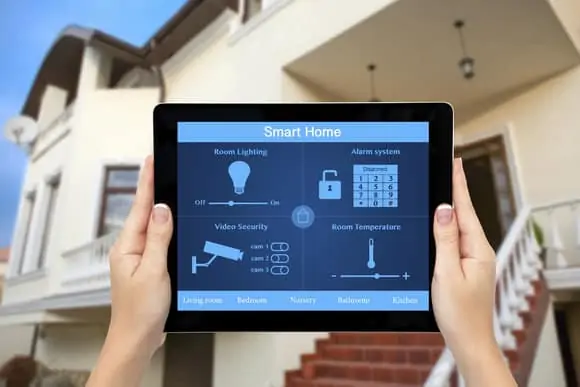
Today’s home utility monitoring systems are far more advanced than simple meters. They combine sensors, wireless connectivity, and intuitive apps to provide a comprehensive overview of your household’s resource usage. These platforms can track:
- Electricity consumption by circuit, appliance, or the entire home
- Water usage at the main line or individual fixtures
- Gas flow for heating, cooking, and other applications
By collecting and analyzing this data, homeowners can identify waste, compare usage over time, and set up alerts for unusual patterns—such as leaks or spikes in consumption.
Key Benefits of Smart Resource Monitoring
Investing in a utility monitoring platform offers several advantages:
- Cost savings: Spotting inefficiencies and waste can lead to significant reductions in monthly bills.
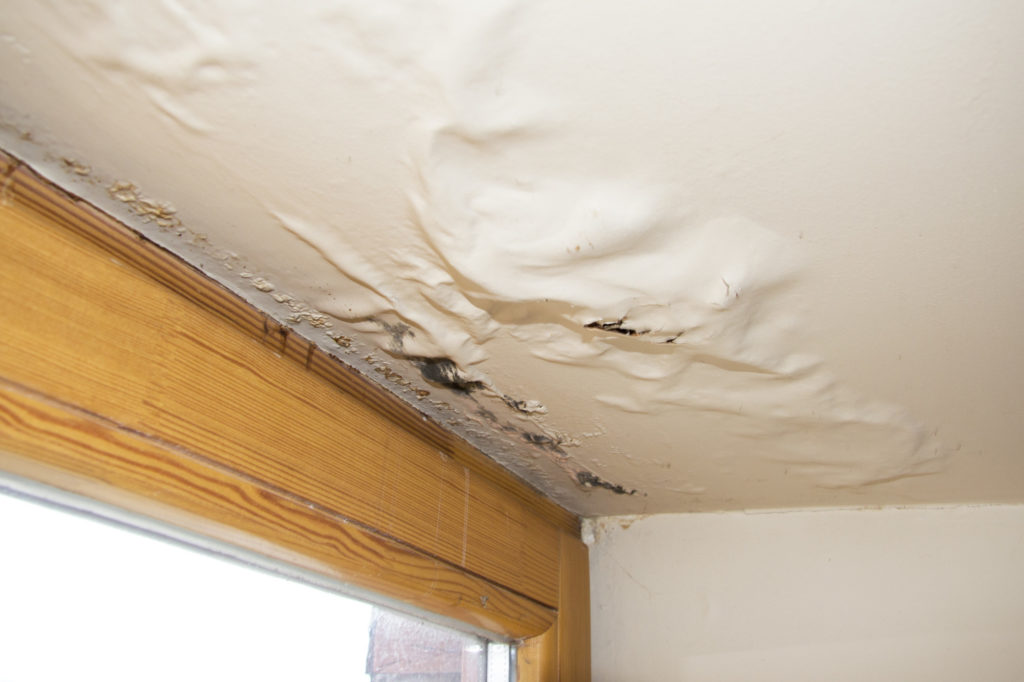
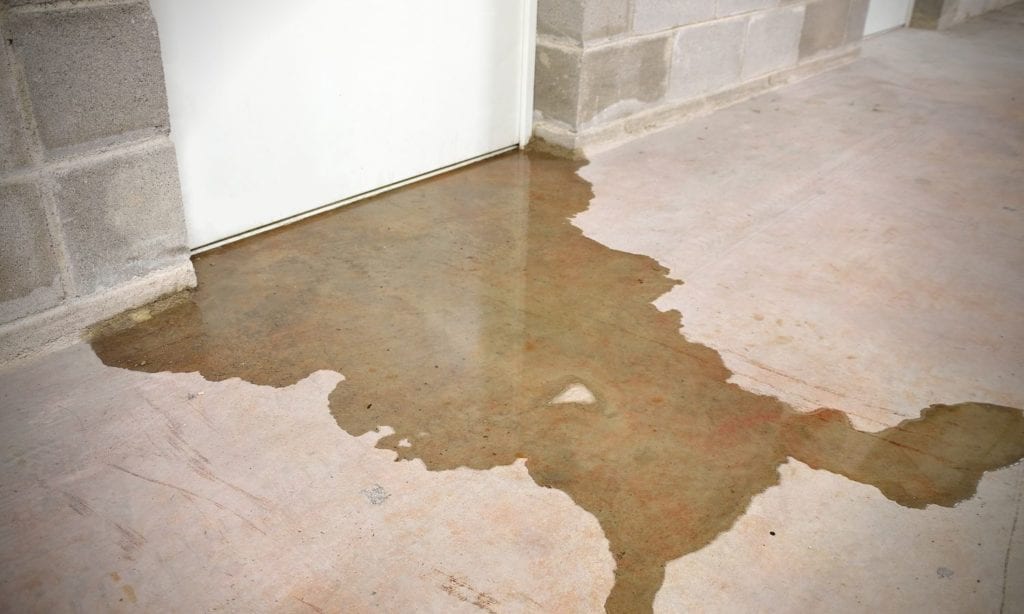
- Leak and fault detection: Early warnings about leaks or abnormal usage help prevent costly damage and repairs.
- Environmental impact: Reducing unnecessary consumption supports sustainability efforts and lowers your carbon footprint.
- Convenience: Access real-time data and historical trends from your smartphone or computer, making it easy to stay informed.
- Integration with smart home systems: Many solutions work alongside security, automation, and other smart home products for a unified experience.

Types of Home Resource Monitoring Devices
There are several categories of devices designed to help you track and manage utility usage:
Whole-Home Monitors
These systems connect directly to your main utility lines or breaker panel. They provide a complete overview of usage for the entire house, often with the ability to break down data by circuit or zone. Some models can even identify individual appliances based on their energy signatures.
Point-of-Use Sensors
Point-of-use devices are installed at specific locations, such as under sinks, near water heaters, or on individual appliances. They offer detailed tracking for targeted areas, making it easier to pinpoint sources of waste or leaks.
Smart Plugs and Outlets
Smart plugs allow you to monitor and control the energy consumption of individual devices. They are ideal for identifying “energy vampires”—appliances that draw power even when not in use.
Integrating Utility Monitoring with Home Security
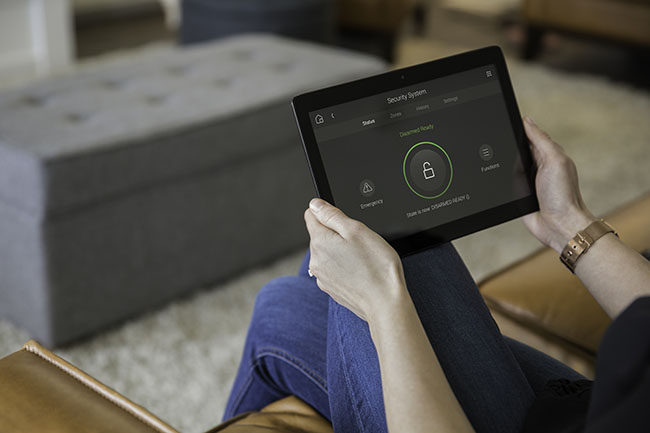
Combining resource tracking with security systems creates a more holistic approach to home management. For example, some platforms can trigger alerts if a water leak is detected while the security system is armed, or automatically shut off water in case of a major leak. This integration not only protects your property but also ensures efficient use of resources.
For those interested in the latest advancements, exploring next-generation home security systems can provide further insights into how monitoring and protection technologies are converging.
Choosing the Right System for Your Home
Selecting the best monitoring solution depends on your goals, budget, and the infrastructure of your home. Here are some factors to consider:
- Compatibility: Ensure the system works with your existing utilities and any smart home platforms you use.
- Installation: Some devices are DIY-friendly, while others may require professional setup, especially for whole-home monitors.
- Data access: Look for systems that offer user-friendly apps or dashboards, and the ability to export or share data if needed.
- Alerts and automation: Advanced platforms can send notifications for unusual activity and even automate responses, such as shutting off water during a leak.
- Privacy and security: Choose reputable brands that prioritize data protection and offer regular software updates.
For a deeper dive into maintaining a healthy and efficient living space, consider reading about home hygiene protection systems that complement utility monitoring by keeping your environment clean and safe.
Practical Tips for Maximizing System Value
Once your monitoring solution is in place, follow these best practices to get the most out of your investment:
- Review your usage data regularly to spot trends and areas for improvement.
- Set up custom alerts for leaks, high usage, or unusual patterns to catch issues early.
- Integrate with other smart devices, such as thermostats and security systems, for automated control.
- Educate household members about conservation and how to use the system’s features.
- Schedule periodic maintenance checks to ensure sensors and connections remain accurate.
For more information on how smart home technology is transforming property management, explore proactive property management systems that help homeowners stay ahead of maintenance and efficiency challenges.
How Utility Monitoring Supports a Smarter Home
Integrating resource tracking with other smart home features creates a more responsive and resilient living environment. Many platforms now work seamlessly with voice assistants, automation hubs, and security systems, allowing for unified control and deeper insights.
For example, pairing your monitoring system with automated shut-off valves or smart thermostats can prevent damage and optimize comfort. As the market evolves, expect to see even more cross-functionality and predictive analytics that help you anticipate issues before they become costly problems.
If you’re interested in a broader overview of how these technologies are shaping the future, the comprehensive guide to smart home security covers integration, best practices, and the latest innovations in the field.
Frequently Asked Questions
Can I install a utility monitoring system myself, or do I need a professional?
Many point-of-use sensors and smart plugs are designed for easy DIY installation. However, whole-home monitors that connect to your electrical panel or main water line may require a licensed professional for safety and compliance. Always follow manufacturer recommendations and local regulations.
Will these systems help lower my utility bills?
Yes, by providing real-time data and alerts, monitoring platforms help you identify waste and inefficiencies. Taking action based on this information—such as fixing leaks or adjusting usage habits—can lead to noticeable savings on your monthly bills.
Are these monitoring solutions compatible with other smart home devices?
Most modern systems are designed to integrate with popular smart home platforms, including voice assistants and automation hubs. Check compatibility details before purchasing to ensure seamless operation with your existing setup.
What should I do if my system detects a leak or abnormal usage?
Respond promptly to alerts by investigating the source of the issue. Some systems can automatically shut off water or gas to prevent damage, while others will require manual intervention. Regularly reviewing alerts and taking action is key to maximizing the benefits of your monitoring solution.