Modern homes are increasingly adopting smart thermostats for their convenience, energy savings, and ability to automate indoor climate control. However, beyond comfort and efficiency, these devices also play a crucial role in safeguarding your heating, ventilation, and air conditioning (HVAC) equipment. Understanding the smart thermostat safety features available today can help you prevent costly repairs, extend the life of your system, and maintain a safe living environment.
As connected devices become central to home management, integrating safety-focused technology is more important than ever. If you’re interested in broader smart home protection, you may also want to explore next-generation home security systems that complement your thermostat’s capabilities.
Why Safety Features Matter in Smart Thermostats
Traditional thermostats offer basic temperature control but lack the intelligence to detect and respond to system issues. In contrast, today’s smart models come equipped with advanced sensors and algorithms designed to protect your HVAC investment. These built-in protections can:
- Prevent overheating or freezing of your system components
- Alert you to abnormal operation or system faults
- Automatically shut down equipment to avoid damage
- Monitor indoor air quality and humidity for health and safety
By leveraging these capabilities, homeowners can avoid expensive breakdowns and ensure their home remains comfortable and secure year-round.
Key Smart Thermostat Safety Features Explained
Let’s break down the most important protective technologies found in leading smart thermostats and how they work to keep your HVAC system running safely.
1. Overheat and Freeze Protection
One of the most critical smart thermostat safety features is the ability to detect extreme temperatures that could harm your furnace or air conditioner. If the thermostat senses that your system is at risk of overheating or freezing, it can automatically adjust settings or even shut down the equipment to prevent damage. This is especially valuable during unexpected cold snaps or heat waves, when system strain is highest.
2. System Diagnostics and Error Alerts
Many smart thermostats constantly monitor the performance of your HVAC system. If they detect irregularities—such as short cycling, loss of power, or sensor malfunctions—they can notify you via app alerts, email, or even voice assistants. Early warnings allow you to address issues before they escalate into major failures.
Some models also provide diagnostic codes or maintenance reminders, helping you communicate more effectively with HVAC professionals and schedule timely service.
3. Humidity and Air Quality Monitoring
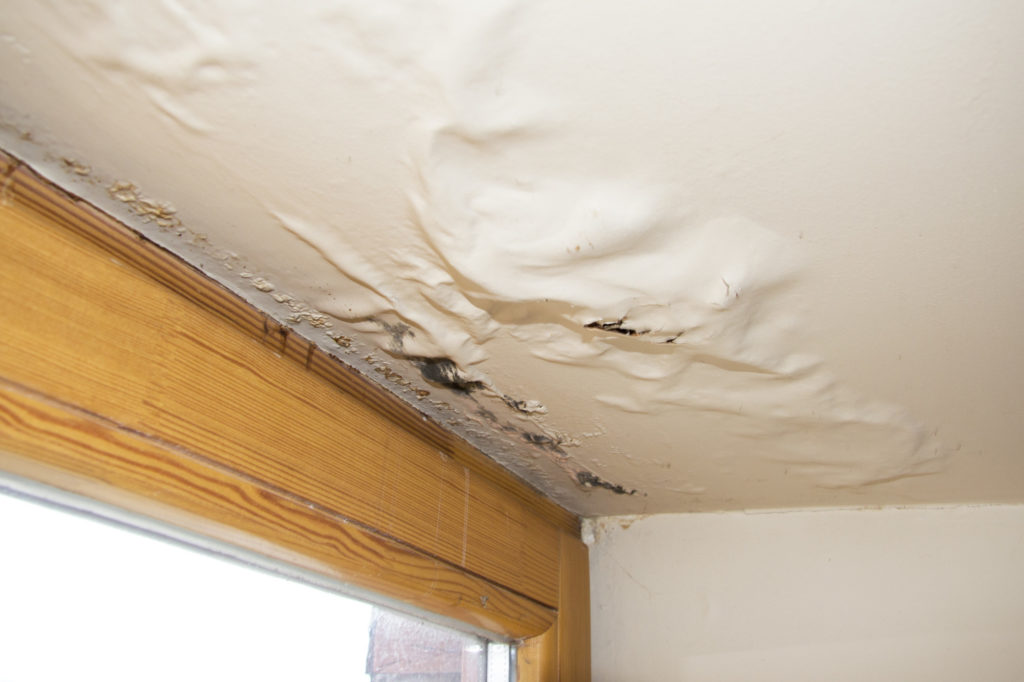
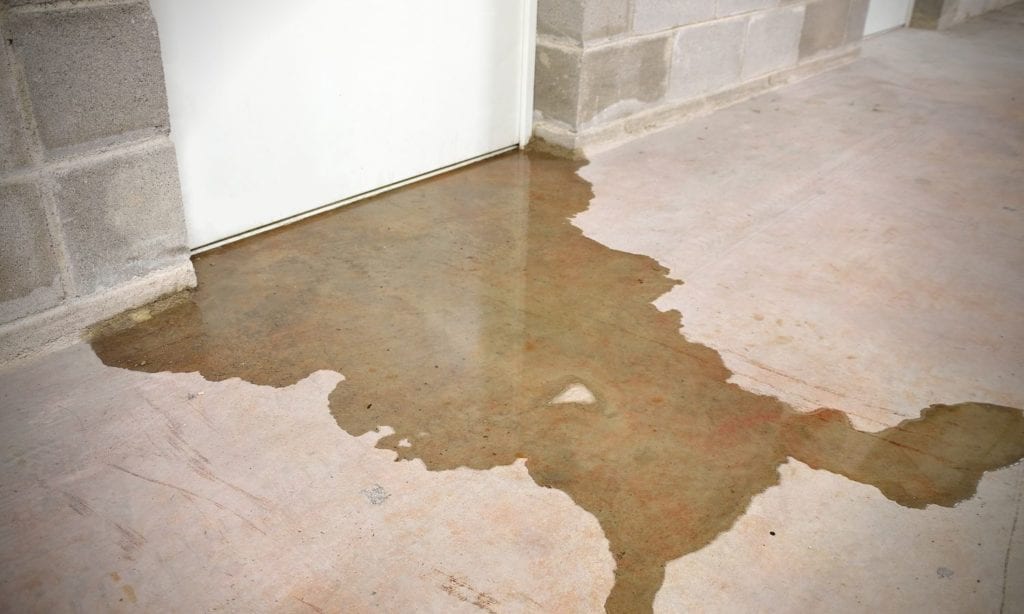
Maintaining proper humidity is essential for both comfort and system health. Excess moisture can promote mold growth and strain your air conditioner, while overly dry air can damage woodwork and impact respiratory health. Advanced thermostats track humidity levels and can trigger humidifiers, dehumidifiers, or ventilation systems as needed.
Additionally, select devices monitor indoor air quality, detecting pollutants like volatile organic compounds (VOCs) or carbon monoxide. If unsafe levels are detected, you’ll receive immediate alerts and, in some cases, the system will activate ventilation to improve air quality.
4. Smart Scheduling and Adaptive Learning
By learning your routines and adjusting temperatures automatically, smart thermostats reduce unnecessary system cycling. This not only saves energy but also minimizes wear and tear on HVAC components, lowering the risk of breakdowns. Adaptive scheduling ensures your system isn’t overworked during peak hours or left running when no one is home.
5. Remote Access and Emergency Controls
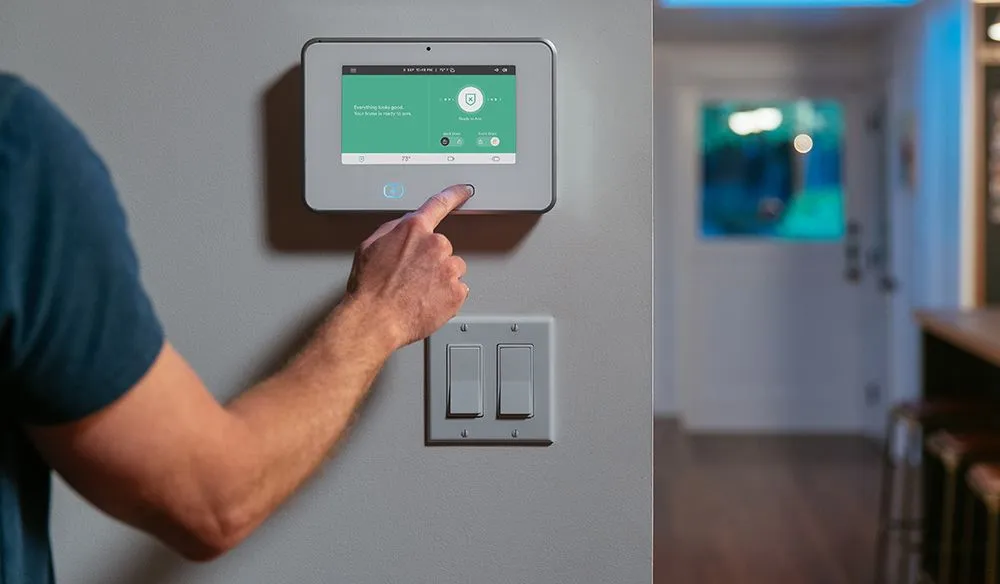
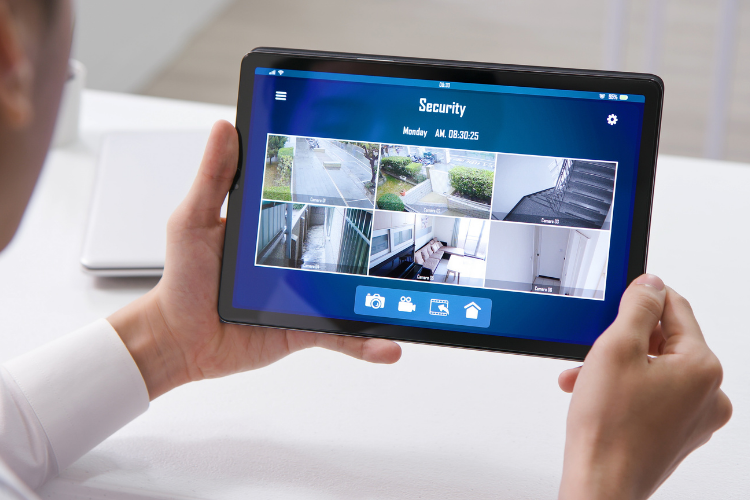
Remote access via smartphone apps allows you to monitor and control your HVAC system from anywhere. If you receive a safety alert while away, you can quickly respond—whether that means shutting down the system or adjusting settings to prevent further issues. Some devices even integrate with home security platforms, providing a unified approach to home protection.
How Smart Thermostats Prevent Costly HVAC Damage
Let’s look at how these safety features translate into real-world benefits for homeowners:
- Reduced repair costs: Early detection of faults means you can fix small problems before they become expensive emergencies.
- Extended equipment lifespan: By preventing overheating, freezing, and excessive cycling, your HVAC system operates within safe parameters, lasting longer.
- Improved energy efficiency: Smart scheduling and adaptive controls ensure your system only runs when needed, reducing waste and lowering utility bills.
- Enhanced peace of mind: With instant alerts and remote access, you’re always informed about your home’s safety, even when you’re away.
For those interested in broader trends, the future of home protection technology is rapidly evolving, with smart thermostats playing a key role in integrated safety solutions.
Integrating Safety with Other Smart Home Systems
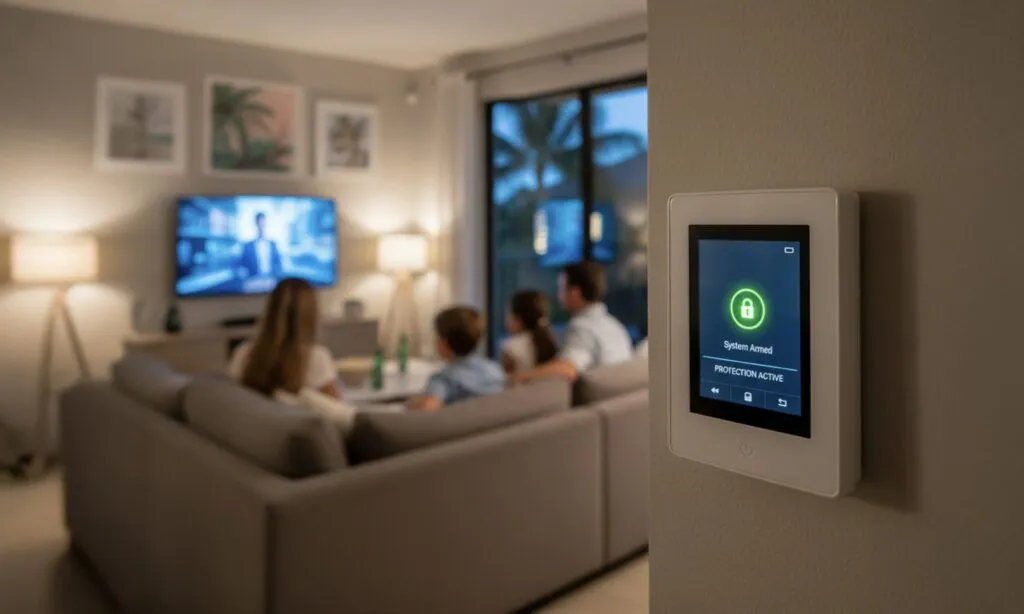
Smart thermostats are most effective when combined with other connected devices. For example, pairing your thermostat with home maintenance automation tools can streamline routine upkeep, while linking with proactive property management systems offers a holistic approach to home safety and efficiency.
Many platforms now allow you to create custom automations. For instance, if your thermostat detects a sudden temperature drop, it can trigger your security system or send a notification to your phone. This type of integration ensures that all aspects of your home work together to prevent hazards and respond quickly to emergencies.
For a comprehensive overview of how to secure your home, consider reading this complete guide to smart home security and protection systems.
Choosing the Right Smart Thermostat for Safety
When selecting a smart thermostat, prioritize models that offer robust safety features. Look for devices that include:
- Comprehensive system diagnostics and error reporting
- Automatic shutoff for overheating or freezing conditions
- Humidity and air quality monitoring
- Remote access and real-time alerts
- Integration with other smart home and security devices
Reading product specifications and user reviews can help you identify which models best fit your needs. Consulting with an HVAC professional is also a good idea to ensure compatibility with your existing system.
Frequently Asked Questions
What happens if my smart thermostat detects a system fault?
Most smart thermostats will send you an alert via their app, email, or voice notification. Depending on the severity, some may automatically shut down your HVAC system to prevent damage. You can then investigate the issue or contact a professional for repairs.
Can a smart thermostat help lower my energy bills?
Yes, by using adaptive scheduling, occupancy sensors, and learning your habits, smart thermostats optimize heating and cooling cycles. This reduces unnecessary energy use and can lead to noticeable savings on your utility bills.
Are smart thermostat safety features compatible with older HVAC systems?
Many smart thermostats are designed to work with a wide range of HVAC systems, but some advanced features may require newer equipment or additional sensors. Always check compatibility before purchasing and consider consulting an HVAC technician for installation advice.
How do smart thermostats improve indoor air quality?
Some models monitor humidity and airborne pollutants, alerting you to unhealthy conditions. They can also activate ventilation or filtration systems to maintain a healthier indoor environment.
Conclusion
Integrating a smart thermostat with advanced safety features is a practical way to protect your HVAC system, lower maintenance costs, and enhance your home’s overall safety. By choosing a device with robust monitoring, alerting, and automation capabilities, you’ll enjoy greater peace of mind and a more resilient living space. As smart home technology continues to evolve, these protective functions will only become more essential for modern homeowners.