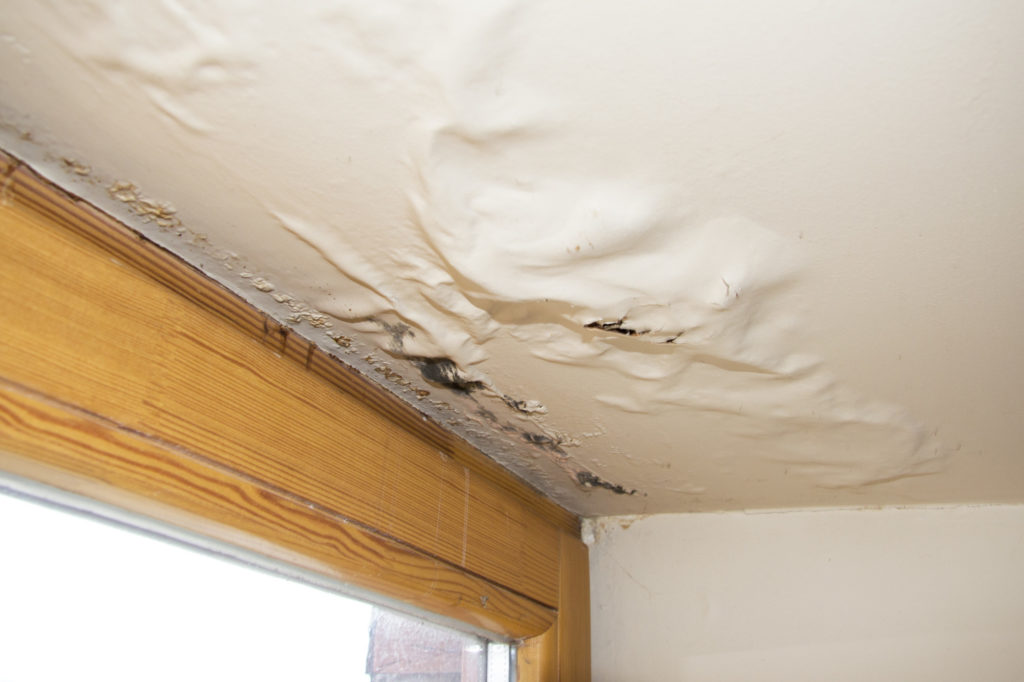
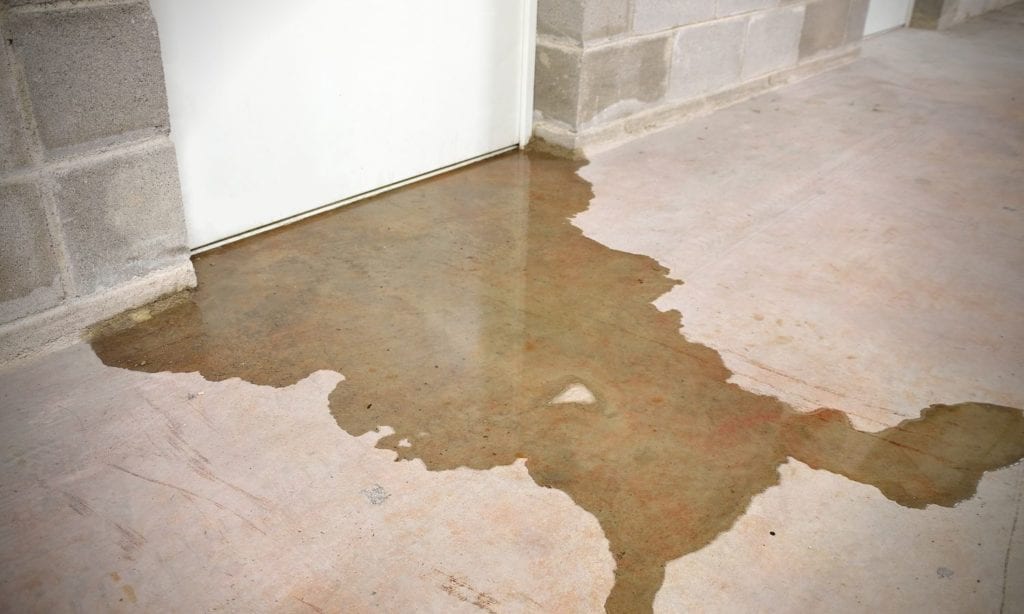
Modern homes rely on a growing array of electrical devices, smart appliances, and connected systems. With this increased dependence on technology, ensuring the safety and efficiency of your home’s power infrastructure has never been more important. Home energy safety systems are designed to protect your property, loved ones, and investments by monitoring, managing, and securing the flow of electricity throughout your living space.
From advanced circuit protection to real-time monitoring and smart automation, these solutions help prevent hazards, reduce energy waste, and provide peace of mind. As the landscape of residential technology evolves, integrating robust energy safety measures is essential for any homeowner who wants to stay ahead of risks and maximize comfort.

For those interested in exploring the latest advancements in home protection, you may also want to read about next-generation home security systems and how they complement energy safety solutions.
Why Prioritize Energy Safety in Modern Homes?
As homes become more connected, the risks associated with electrical faults, overloads, and system failures also increase. Energy safety systems are no longer just about preventing fires or outages—they are about creating a resilient, efficient, and secure living environment. Here are some key reasons to make energy safety a priority:
- Fire Prevention: Faulty wiring, overloaded circuits, and outdated panels are leading causes of residential fires. Smart monitoring and protection devices can detect issues before they escalate.
- Equipment Protection: Sensitive electronics and appliances are vulnerable to power surges and fluctuations. Energy safety solutions help safeguard your investments.
- Energy Efficiency: By tracking consumption and identifying waste, these systems help you optimize usage and lower utility bills.
- Peace of Mind: Real-time alerts and remote monitoring ensure you’re always informed about your home’s electrical health, even when you’re away.
Key Components of a Comprehensive Home Energy Safety System
Building a robust safety net for your home’s power supply involves several integrated technologies. Here are the core elements to consider:
1. Smart Circuit Breakers and Surge Protectors
Traditional circuit breakers offer basic protection, but smart breakers take it further. They can automatically disconnect power in case of overloads, short circuits, or ground faults. Many models also provide remote control and diagnostics through mobile apps. Whole-house surge protectors shield your appliances from voltage spikes caused by lightning or grid fluctuations.
2. Energy Monitoring Devices
Real-time energy monitors track electricity usage at the circuit or appliance level. These devices help you identify abnormal consumption patterns, detect failing equipment, and receive alerts about potential hazards. Products like the Emporia Energy Monitor make it easy to visualize and manage your home’s energy flow.
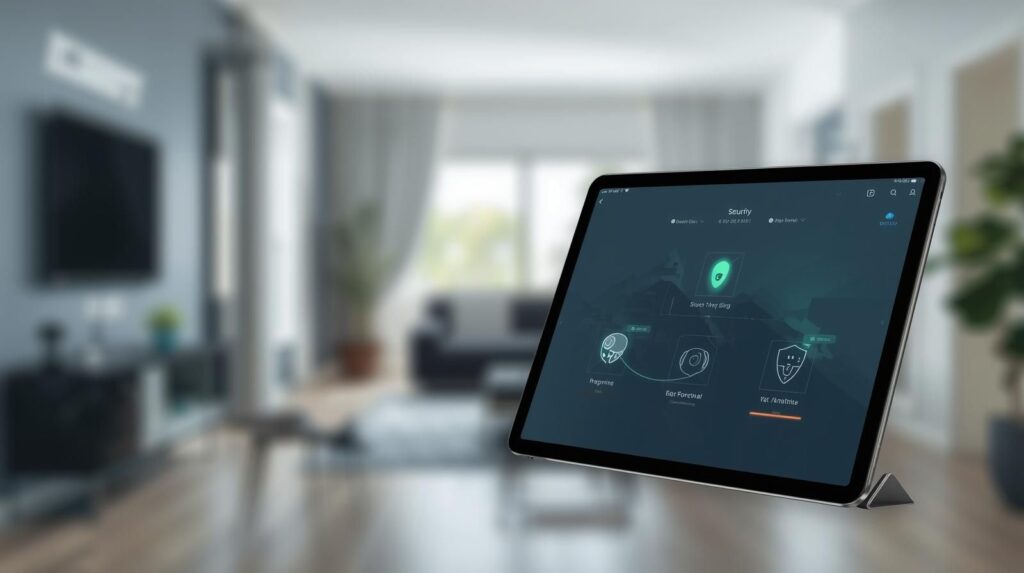
3. Automated Shutoff and Remote Control
Advanced safety systems can automatically cut power to specific circuits or the entire home in response to detected threats, such as water leaks, smoke, or high temperatures. Integration with smart home platforms allows you to control and monitor your electrical system from anywhere, adding a layer of convenience and security.
4. Backup Power and Battery Management
With the rise of solar panels and home batteries, managing backup power safely is crucial. Energy management systems coordinate the flow between the grid, batteries, and critical loads, ensuring seamless operation during outages and preventing overloads.
Integrating Security and Energy Safety for Complete Protection
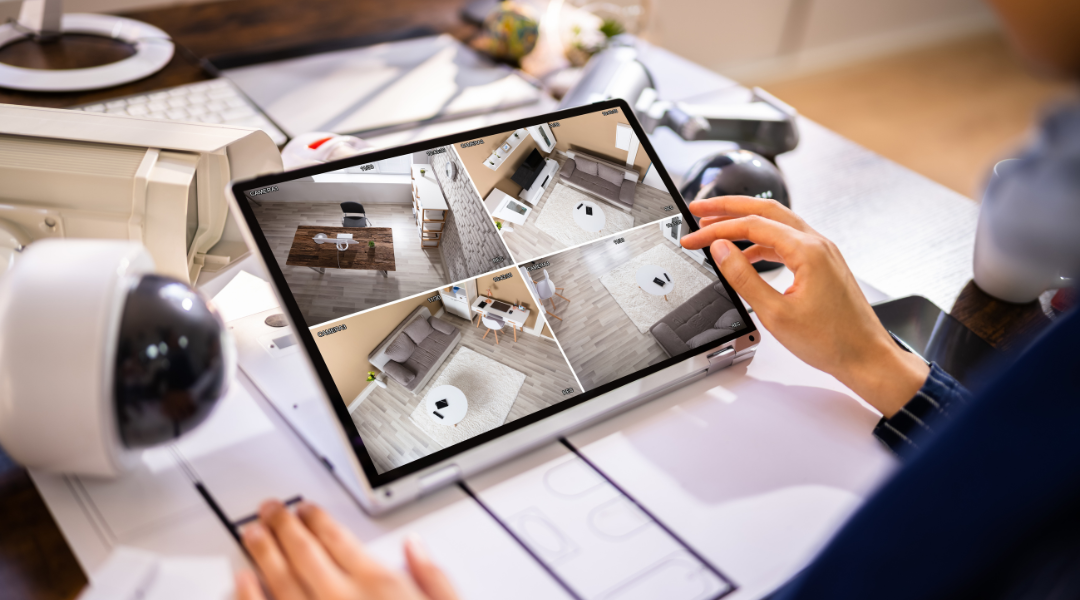
Combining energy safety systems with smart security solutions creates a holistic approach to home protection. For example, a security system can trigger an energy shutoff in case of a detected fire or intrusion, minimizing damage and risk. Many homeowners are now looking for integrated platforms that unify energy management, security monitoring, and automation.
If you’re interested in the broader landscape of home protection, consider exploring the future of home protection technology and how it intersects with energy safety.
Choosing and Installing the Right Solutions
Selecting the best home energy safety systems for your needs depends on your home’s age, size, and the complexity of your electrical setup. Here are some practical steps to guide your decision:
- Assess Your Current Infrastructure: Have a licensed electrician inspect your wiring, panel, and outlets for outdated or unsafe components.
- Identify Your Priorities: Decide whether your main concern is fire prevention, surge protection, energy monitoring, or automation.
- Research Compatible Devices: Look for solutions that integrate with your existing smart home ecosystem, such as Alexa, Google Home, or Apple HomeKit.
- Plan for Scalability: Choose systems that can grow with your needs, allowing you to add more sensors, monitors, or automation features over time.
- Professional Installation: While many devices are DIY-friendly, critical safety components should be installed by professionals to ensure compliance with local codes.
For those seeking a proactive approach to home management, integrating proactive property management systems can further enhance your home’s resilience and efficiency.
Best Practices for Maintaining Energy Safety
Even the most advanced systems require regular attention to remain effective. Here are some maintenance tips to keep your home safe and efficient:
- Test safety devices like smoke detectors, carbon monoxide alarms, and smart breakers monthly.
- Review your energy usage reports to spot unusual patterns or spikes.
- Update firmware and software for all connected devices to patch vulnerabilities.
- Schedule annual inspections with a qualified electrician.
- Educate household members on the location and operation of shutoff switches and emergency procedures.
For more detailed advice on staying ahead of risks, check out these proactive home security tips from industry experts.
Frequently Asked Questions
What is the main benefit of installing a home energy safety system?
The primary advantage is enhanced protection against electrical hazards, such as fires, surges, and equipment failures. These systems also provide real-time monitoring, helping you respond quickly to potential threats and optimize your energy usage.
Can energy safety solutions be integrated with other smart home devices?
Yes, many modern systems are designed for seamless integration with smart home platforms. This allows you to automate responses, monitor your home remotely, and combine energy safety with security, lighting, and climate control for a unified experience.
Are these systems suitable for older homes?
Absolutely. In fact, older properties often benefit the most from updated safety measures. However, it’s important to have a professional assess your electrical infrastructure before installing new devices to ensure compatibility and safety.
Conclusion
Investing in home energy safety systems is a smart move for any homeowner looking to protect their property, reduce risks, and gain greater control over their living environment. By combining advanced monitoring, automation, and integration with other smart technologies, you can create a safer, more efficient, and future-ready home. For those interested in related innovations, consider learning more about home maintenance automation tools that further simplify and safeguard daily living.