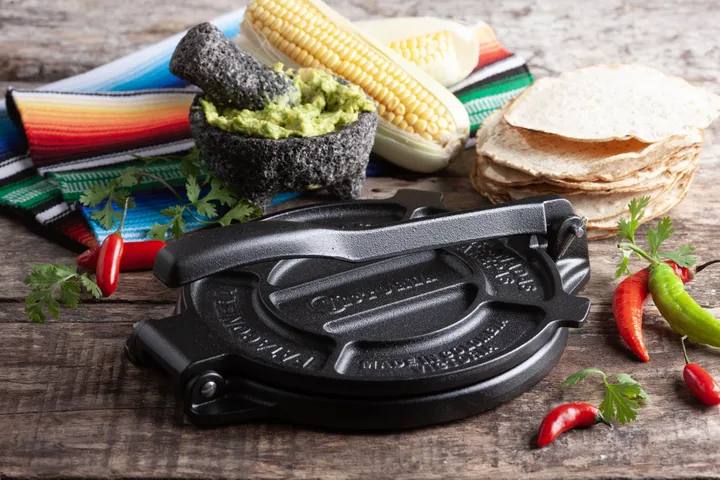
Using a tortilla press can transform homemade tortillas from a labor-intensive project into a quick and enjoyable kitchen task. However, even with a quality press, many home cooks encounter issues that lead to uneven, torn, or stuck dough. Understanding the common mistakes when using a tortilla press is key to achieving consistent, delicious results every time.
Whether you’re new to tortilla making or looking to refine your technique, this guide breaks down the most frequent pitfalls and provides practical solutions. We’ll cover dough preparation, pressing technique, equipment care, and more, so you can avoid frustration and enjoy perfect tortillas at home.
For those interested in exploring different uses for a press, check out our tips on how to press tortillas for gorditas de azucar or learn about making pastry dough with a press in our step-by-step guide.
Understanding Dough Consistency: The Foundation of Great Tortillas
One of the most frequent tortilla press mistakes is starting with dough that’s either too dry or too wet. The right consistency is crucial for easy pressing and uniform tortillas.
- Too Dry: Dough that cracks or crumbles under pressure won’t yield smooth, flexible tortillas. This often happens when not enough water is added or the dough sits uncovered and dries out.
- Too Wet: Sticky dough will adhere to the press or plastic liners, making it difficult to remove the tortilla without tearing.
How to Fix: Adjust the water content gradually. If the dough is dry, knead in a teaspoon of water at a time. If it’s sticky, add a pinch of masa harina or flour. Cover the dough with a damp towel while you work to prevent it from drying out.
Choosing and Using Liners: Preventing Dough from Sticking
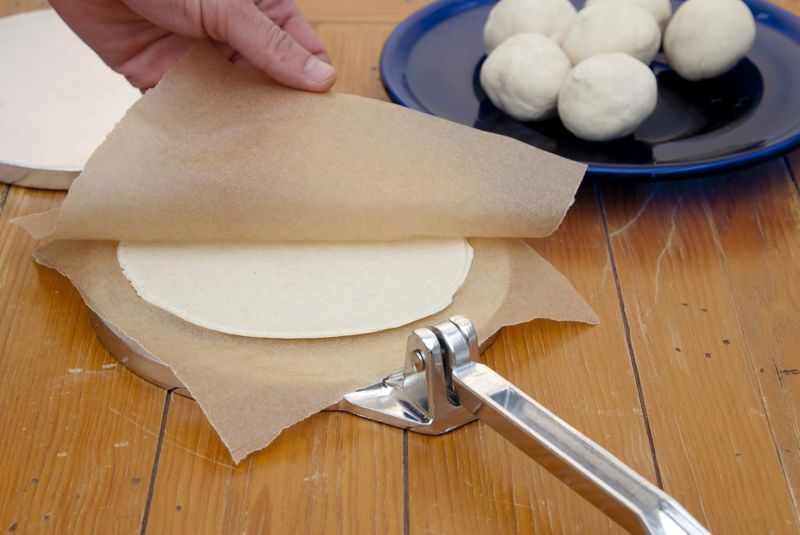
Many people overlook the importance of using liners—such as plastic sheets or parchment paper—when pressing tortillas. Skipping this step is a common mistake with tortilla presses and leads to dough sticking to the plates.
- Improper Liners: Using wax paper or thin plastic bags that tear easily can cause more frustration than help.
- No Liners: Pressing directly onto the metal or wooden plates almost always results in stuck dough.
How to Fix: Cut two squares from a sturdy zip-top bag or use parchment paper. Place one on the bottom plate, set your dough ball in the center, cover with the second liner, and then press. This makes removal easy and keeps the press clean.
Pressing Technique: Applying the Right Amount of Pressure
Another frequent issue is applying either too much or too little force when pressing. Both extremes can cause problems:
- Too Much Pressure: Over-pressing can make tortillas too thin, causing them to tear or stick to the liner.
- Too Little Pressure: Under-pressing results in thick, uneven tortillas that may not cook properly.
How to Fix: Use a steady, gentle push on the handle. If your press is heavy (like cast iron), let the weight do most of the work. Check the thickness after the first press and adjust your force as needed. Aim for tortillas about 1/8 inch thick for best results.
If you’re working with different dough types, such as for dumpling skins, see our thin prep guide for more specific advice.
Centering the Dough Ball: Achieving Even Tortillas
Placing the dough ball off-center is a subtle but impactful mistake. This leads to tortillas that are thicker on one side and thin or torn on the other.
How to Fix: Always place the dough ball in the exact center of the bottom plate before pressing. After the first press, you can rotate the liner 90 degrees and press again for even thickness.
Maintaining and Cleaning Your Tortilla Press
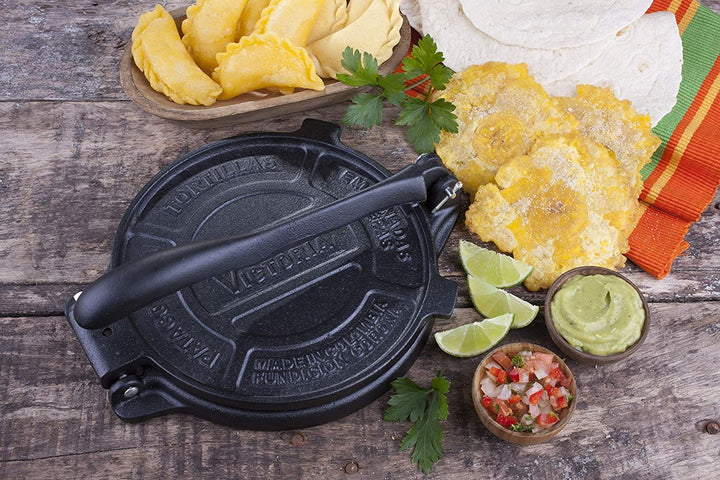
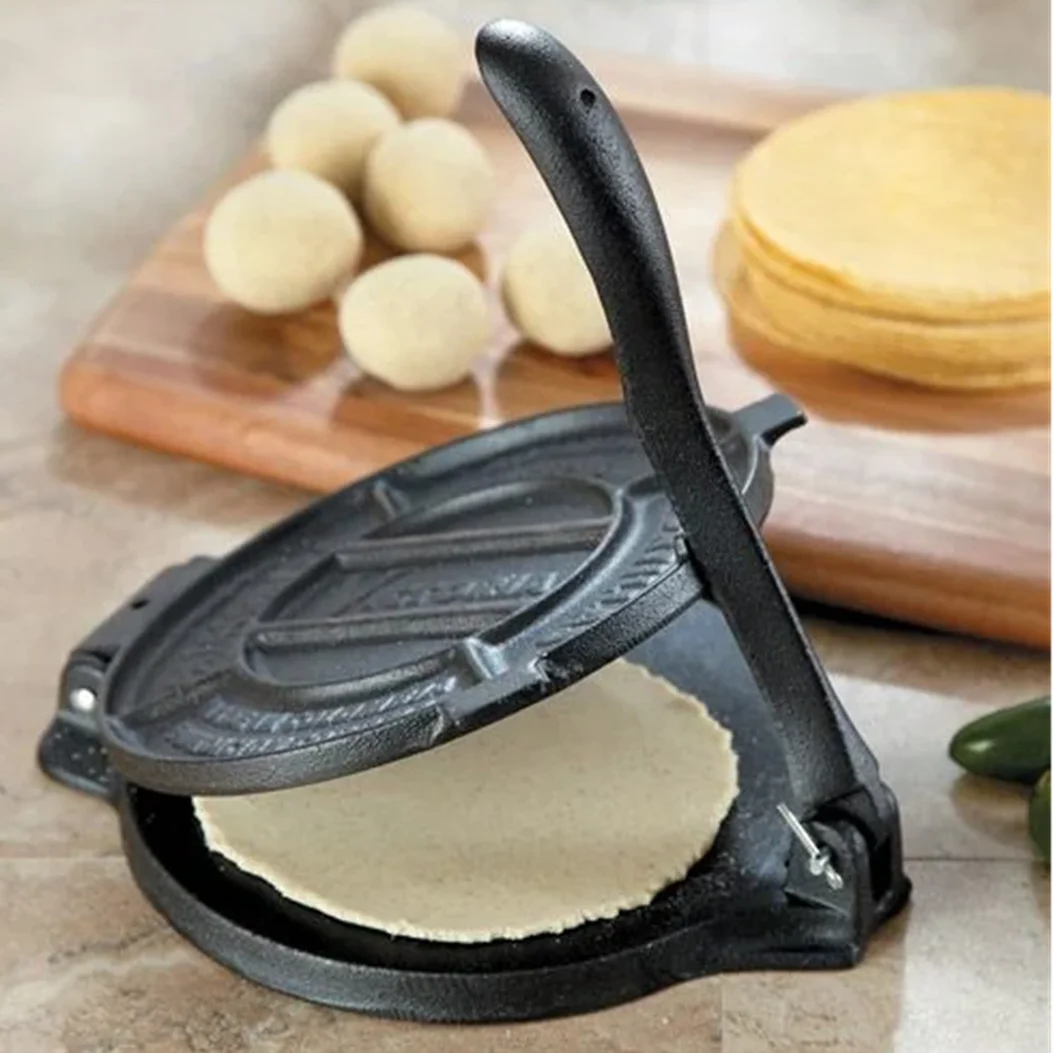
Neglecting the care of your press can cause rust, sticking, or uneven pressing surfaces. This is especially true for cast iron models, which require regular maintenance.
- Rust: Storing a cast iron press while damp or without seasoning can lead to rust, which affects both performance and food safety.
- Residue Build-Up: Failing to clean the press after each use can result in old dough hardening on the plates.
How to Fix: Wipe the press clean with a damp cloth after each use. For cast iron, dry thoroughly and apply a thin layer of oil to prevent rust. For long-term storage tips, see our article on rust protection for cast iron presses.
Cooking Errors After Pressing
Even if you press perfect tortillas, mistakes during cooking can undo your hard work. Common issues include:
- Overcooking: Leaving tortillas on the griddle too long makes them dry and brittle.
- Undercooking: Removing them too soon leaves them doughy and prone to tearing.
How to Fix: Preheat your skillet or comal thoroughly. Cook each tortilla for about 30–45 seconds per side, flipping once. Look for light brown spots and slight puffing as signs they’re ready.
For more pressing and cooking tips, explore this step-by-step tortilla press tutorial from Food & Wine.
Frequently Asked Questions
What is the best way to prevent tortillas from sticking to the press?
Always use liners made from sturdy plastic or parchment paper. Avoid pressing directly onto the plates, and ensure your dough isn’t too wet. If sticking persists, lightly oil the liners or dust them with a bit of flour or masa harina.
How thick should I press my tortillas?
For most corn or flour tortillas, aim for a thickness of about 1/8 inch. This ensures they cook evenly and remain flexible. If you’re making specialty items like gorditas or taquitos, adjust the thickness as needed—see our thin and flexible tips for more details.
Can I use a tortilla press for other types of dough?
Yes, a tortilla press is versatile and can be used for dumpling skins, pastry dough, and more. Adjust your pressing technique and liner choice based on the dough type. For flaky pastry results, see our pastry dough guide.
How do I keep my cast iron tortilla press from rusting?
After cleaning, dry your press thoroughly and apply a thin layer of oil. Store it in a dry place, and if you won’t use it for a while, follow long-term storage tips to prevent rust buildup.
Conclusion
Mastering the tortilla press is about more than just the right equipment—it’s about understanding dough consistency, proper pressing technique, and equipment care. By avoiding these common mistakes when using a tortilla press and applying the fixes outlined above, you’ll enjoy consistently delicious, homemade tortillas and expand your kitchen skills with confidence.