
Identifying structural problems before they escalate is essential for every homeowner. Crack detection in homes is a proactive approach that helps you recognize early warning signs of foundation or structural issues, potentially saving thousands in repair costs. By understanding what to look for and how to respond, you can protect your property’s value and ensure your family’s safety.
Modern technology and smart monitoring systems have made it easier than ever to keep an eye on your property’s condition. Whether you’re concerned about subtle wall fissures or more significant foundation movement, knowing how to spot and interpret cracks is a crucial skill for responsible homeownership. For those interested in broader protection strategies, exploring next-generation home security systems can provide additional peace of mind alongside physical inspections.
Why Early Crack Detection Matters
Minor cracks can be harmless, but some are early indicators of deeper issues. Foundation crack detection allows you to address problems before they threaten the structural integrity of your home. Early intervention can:
- Prevent small issues from turning into major, costly repairs
- Maintain the resale value of your property
- Ensure the safety of occupants by reducing the risk of sudden structural failure
- Help you comply with insurance or mortgage requirements
Ignoring visible cracks or dismissing them as cosmetic can be risky. Regular inspections and monitoring are recommended, especially in older homes or regions with shifting soils.
Common Types of Cracks and What They Mean
Understanding the different types of cracks is a key part of crack detection in homes. Not all cracks are created equal—some are superficial, while others signal more serious concerns.
- Hairline Cracks: Often found in plaster or drywall, these are usually caused by settling or minor shrinkage. They rarely indicate structural problems.
- Vertical Cracks: Typically seen in foundation walls, vertical cracks can result from normal settling. However, wide or growing cracks may require professional evaluation.
- Horizontal Cracks: These are more concerning, especially in basement or foundation walls. They can indicate pressure from soil or water and may signal structural movement.
- Stair-Step Cracks: Common in brick or block walls, stair-step patterns often point to foundation settling or shifting.
- Diagonal Cracks: These may appear around windows or doors and can be caused by uneven settling or foundation movement.
Monitoring the width, length, and direction of cracks over time is essential. If you notice rapid changes or accompanying symptoms like sticking doors, sloping floors, or water intrusion, consult a qualified professional.
Tools and Techniques for Monitoring Structural Cracks
Homeowners have more options than ever for monitoring cracks. Traditional methods include:
- Using a pencil to mark the ends of a crack and noting the date to track changes
- Measuring the width with a ruler or caliper
- Taking regular photographs for comparison
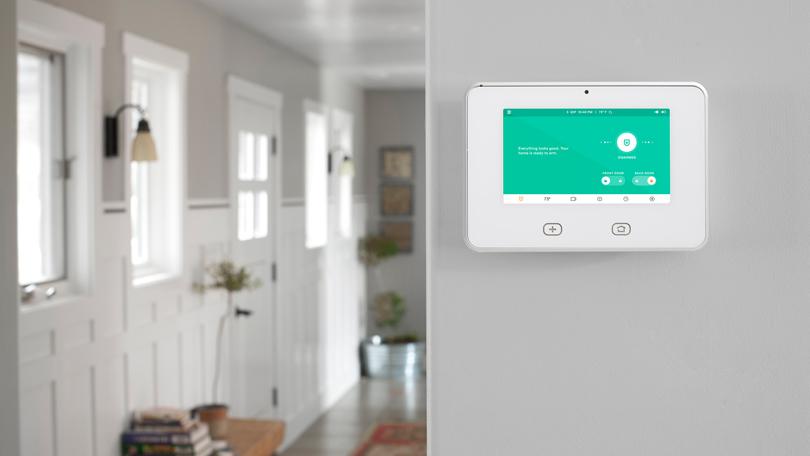
For those seeking advanced solutions, smart sensors and home monitoring systems can automate the process. These devices can alert you to changes in real time, making it easier to respond quickly. Integrating crawl space monitoring solutions can also help detect hidden moisture or movement beneath your home, which often contributes to foundation problems.
When to Call a Professional
While many cracks are harmless, certain warning signs should prompt you to seek expert advice:
- Cracks wider than 1/4 inch or growing rapidly
- Horizontal or stair-step cracks in foundation walls
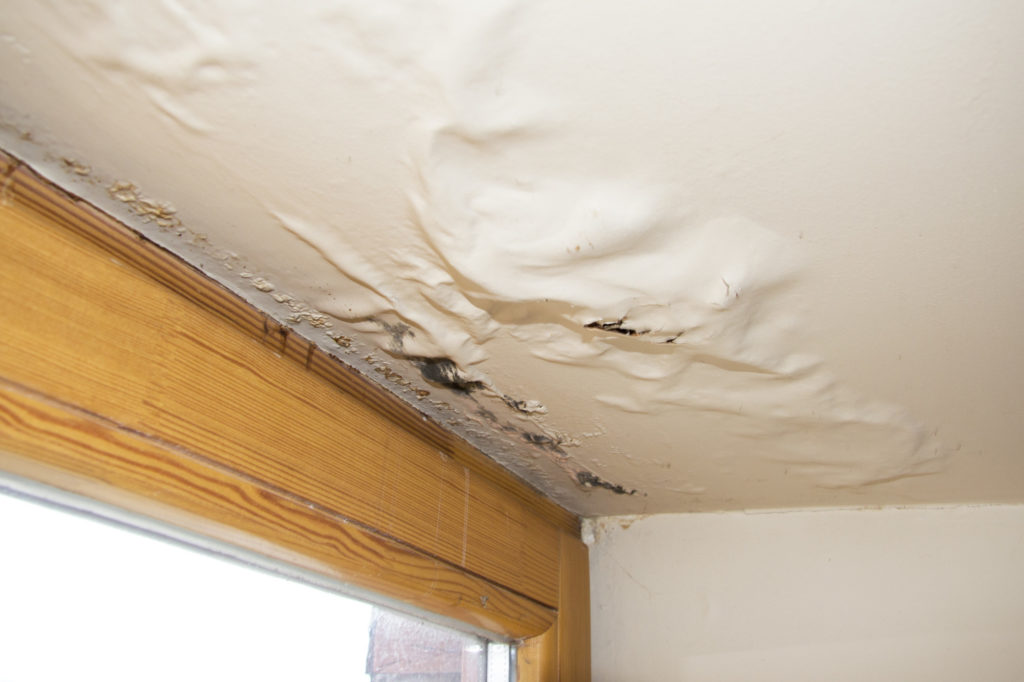
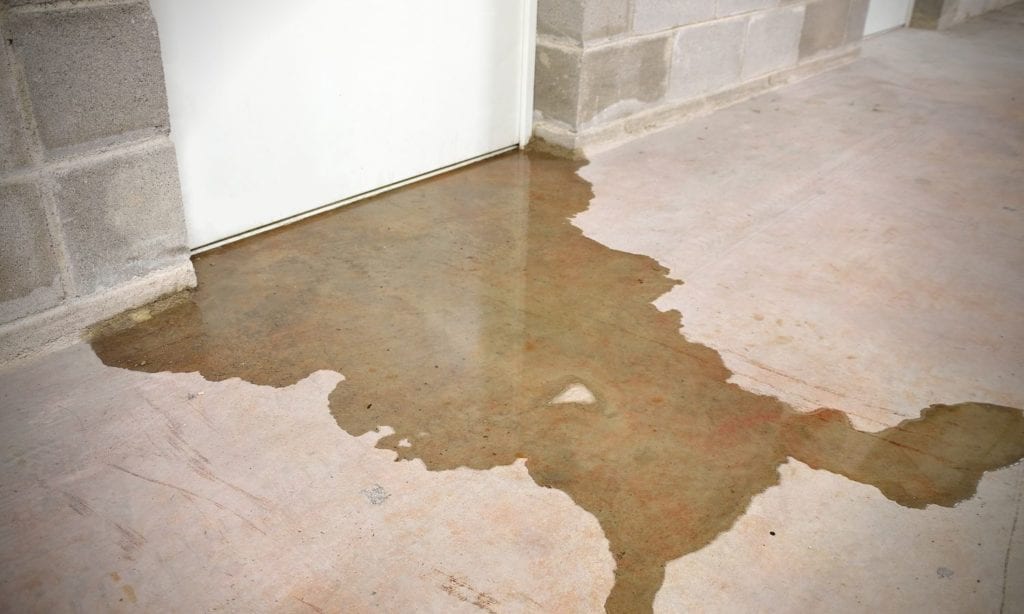
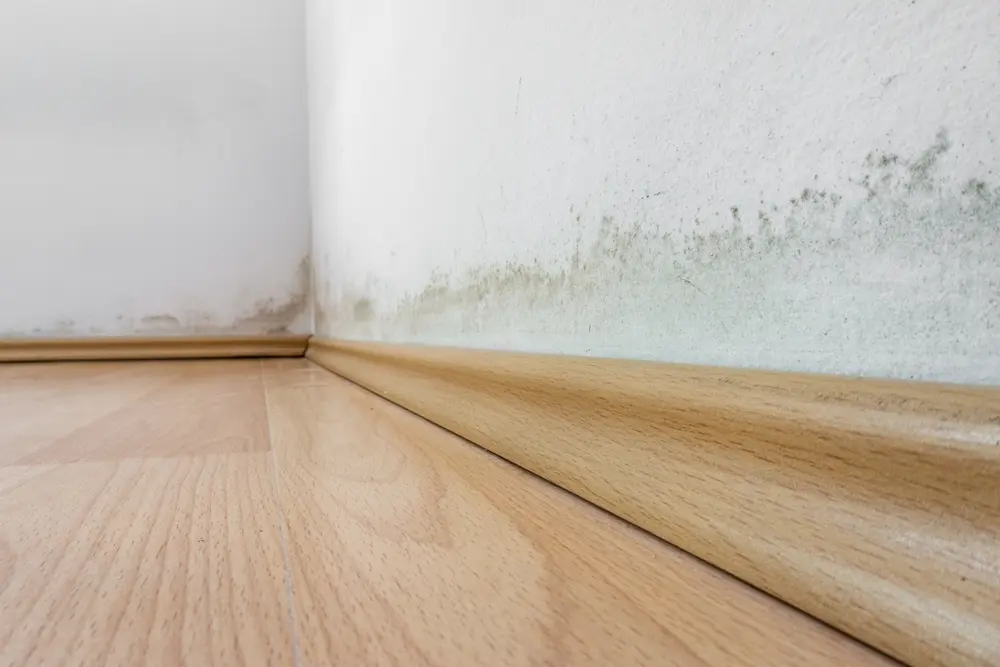
- Cracks accompanied by water leaks, mold, or musty smells
- Doors or windows that suddenly stick or won’t close properly
- Noticeable sloping or uneven floors
Structural engineers or foundation specialists can assess the situation and recommend appropriate repairs. Early intervention can prevent further damage and higher repair bills down the line.

Integrating Smart Home Technology for Enhanced Safety
Combining traditional inspection methods with smart technology provides a comprehensive approach to home safety. Devices like smart alarms, moisture sensors, and energy monitors can help you detect changes that might indicate structural problems. For a deeper dive into how technology is transforming home protection, check out resources on the future of home protection technology.
Smart home systems can be programmed to alert you to unusual activity, such as sudden shifts in humidity or temperature, which may signal a hidden leak or foundation movement. For a comprehensive overview of how to plan and implement these systems, refer to this complete guide to smart home security and protection systems.
Preventive Measures and Maintenance Tips
While not all cracks can be prevented, regular maintenance reduces the risk of serious structural issues. Here are some practical steps:
- Keep gutters and downspouts clear to direct water away from the foundation
- Grade soil around your home so water flows away, not toward the foundation
- Address plumbing leaks promptly to prevent moisture buildup
- Inspect your home seasonally for new or changing cracks
- Use dehumidifiers in basements or crawl spaces to control moisture
Staying proactive with these measures helps you spot issues early and maintain a safe, healthy living environment. For more tips on keeping your home secure and efficient, explore smart homeowner solutions that simplify monitoring and maintenance.
FAQ: Crack Detection and Home Safety
What are the most common causes of cracks in residential walls?
Cracks in walls often result from natural settling, temperature fluctuations, humidity changes, or minor construction flaws. However, significant or growing cracks may indicate foundation movement, water intrusion, or structural stress.
How can I tell if a crack is serious or just cosmetic?
Cosmetic cracks are usually thin, stable, and don’t change over time. Serious cracks tend to be wider than 1/4 inch, grow quickly, or are accompanied by other symptoms like sticking doors, sloping floors, or moisture problems. When in doubt, consult a professional for an assessment.
Can smart home devices really help with crack detection?
Yes, modern smart home devices can monitor for changes in humidity, temperature, and even movement within walls or foundations. These systems provide real-time alerts, making it easier to catch problems early and respond before they escalate.
Should I repair small cracks myself or hire a professional?
Small, stable cracks in drywall or plaster can often be repaired with filler or patching compounds. However, if you notice cracks in foundation walls, rapid changes, or other warning signs, it’s best to seek expert advice to rule out underlying structural issues.
How often should I inspect my home for new cracks?
It’s a good practice to inspect your home at least twice a year—ideally in spring and fall. Pay extra attention after severe weather events, earthquakes, or nearby construction, as these can impact your home’s structure.