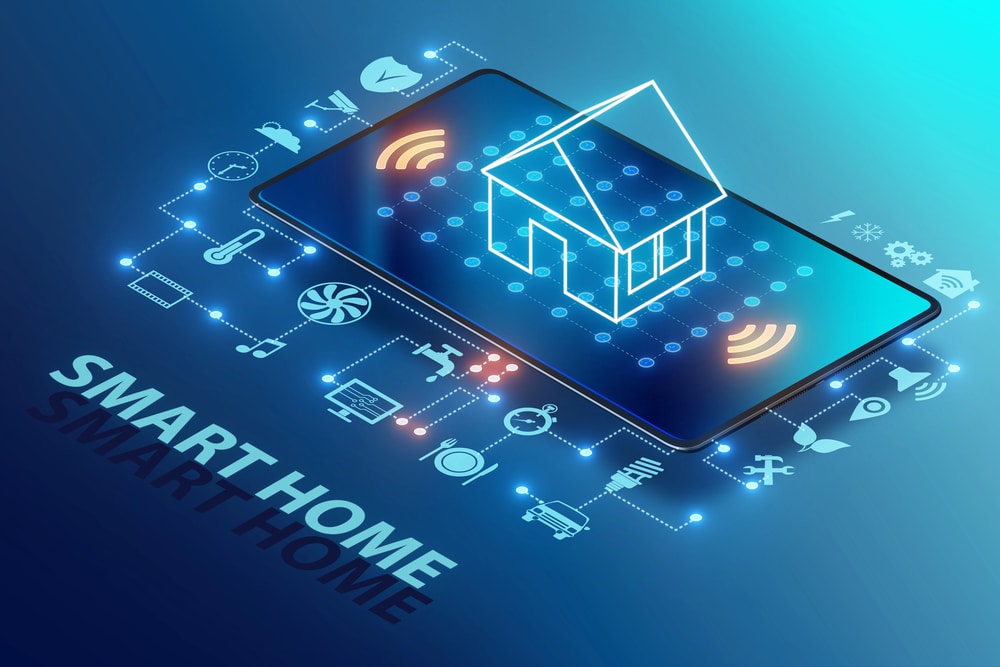
Keeping your living space free from unwanted pests is a priority for every homeowner. Home pest prevention systems are designed to help you proactively defend your property against insects and rodents before they become a problem. With modern solutions ranging from physical barriers to smart monitoring devices, it’s easier than ever to maintain a pest-free environment year-round.
Whether you’re dealing with seasonal invaders or want to safeguard your home from future infestations, understanding the available options and best practices is essential. This guide explores the latest in pest deterrence, including integrated technologies, maintenance routines, and how these systems fit into a broader home protection strategy. For those interested in the intersection of pest control and smart home innovation, you may also want to read about the future of home protection technology and how it’s shaping the way we secure our living spaces.
How Modern Pest Prevention Works
Today’s pest prevention systems for homes combine traditional exclusion methods with advanced monitoring and control technologies. These solutions are designed to stop pests at the source, detect activity early, and minimize the need for reactive treatments. Here’s how they typically function:
- Physical Barriers: Seals, screens, and door sweeps block common entry points for insects and rodents.
- Smart Sensors: Devices monitor for movement, humidity, or temperature changes that signal pest presence.
- Automated Alerts: Many systems send notifications to your phone or home hub if unusual activity is detected.
- Integrated Repellents: Some setups use ultrasonic waves or natural deterrents to keep pests away without chemicals.
By combining these approaches, homeowners can significantly reduce the risk of infestations and maintain a healthier indoor environment.
Key Components of Effective Home Pest Solutions
Choosing the right combination of tools and practices is crucial for long-term pest management. Here are the main elements found in comprehensive home pest prevention systems:
- Entry Point Management: Inspect and reinforce vulnerable areas such as doors, windows, vents, and utility openings.
- Environmental Monitoring: Use smart sensors to track conditions that attract pests, such as excess moisture or food debris.
- Routine Maintenance: Regular cleaning, decluttering, and yard upkeep help eliminate hiding spots and food sources.
- Automated Deterrents: Devices that emit ultrasonic sounds or vibrations can discourage rodents and insects from settling in.
- Professional Integration: Some systems link with pest control services for scheduled inspections and rapid response if needed.
For those interested in how these elements fit into a broader smart home strategy, check out the latest next-generation home security systems that often include pest monitoring as part of their feature set.
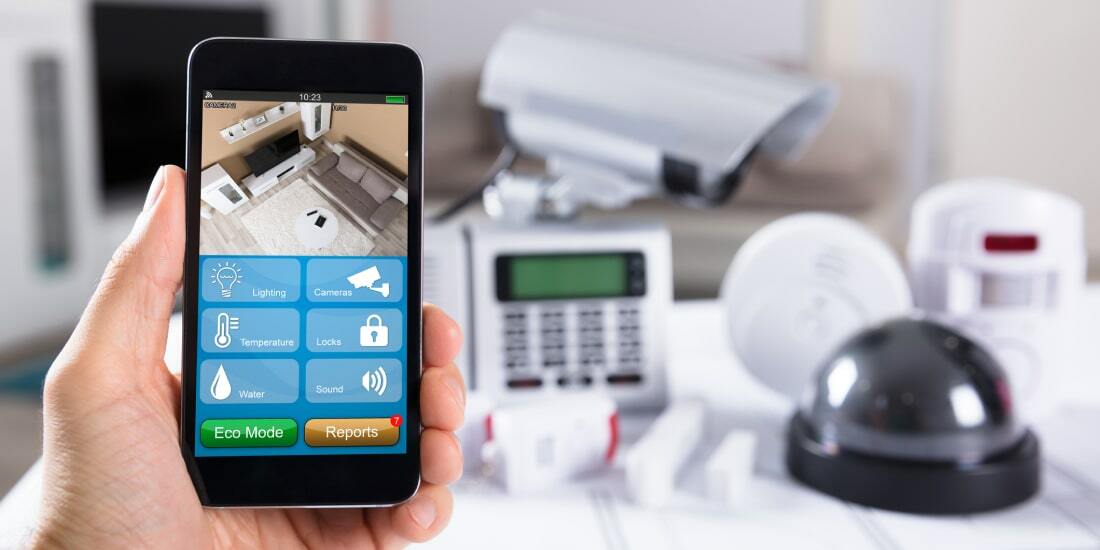
Integrating Pest Defense With Smart Home Systems
Many homeowners are now combining pest prevention with other smart home solutions for a seamless experience. By linking sensors and deterrents to your home automation platform, you can:
- Receive instant alerts when pests are detected, even while away from home.
- Automate lights or ultrasonic repellents to activate at dusk, when many pests are most active.
- Monitor energy usage and environmental conditions to spot trends that may attract unwanted guests.
For a deeper dive into how technology is transforming property care, explore proactive property management systems and their role in maintaining a secure, pest-free environment.
Benefits of Proactive Pest Prevention
Adopting a proactive approach to pest management offers several advantages:
- Healthier Living Spaces: Reducing pest populations lowers the risk of allergies, asthma, and disease transmission.
- Protects Property Value: Preventing infestations helps avoid costly repairs from damage caused by rodents or insects.
- Peace of Mind: Knowing your home is monitored and protected lets you relax without worrying about hidden threats.
- Environmental Responsibility: Early intervention and non-chemical deterrents minimize the need for harsh pesticides.
Integrating these strategies with other smart homeowner solutions can further streamline maintenance and improve overall home safety.
Choosing the Right System for Your Home
When selecting a pest prevention solution, consider the following factors:
- Type of Pests: Identify the most common threats in your area—ants, spiders, mice, or larger rodents—and choose tools designed for those species.
- Home Layout: Larger homes or those with basements and attics may require additional sensors or barriers.
- Integration Needs: If you already use smart home devices, look for pest solutions that can connect with your existing ecosystem.
- Budget: Options range from simple DIY kits to professionally installed and monitored systems.
Reading independent reviews and consulting with pest control professionals can help you make an informed decision. For more on protecting your property at every stage of life, see this guide to proactive protection.
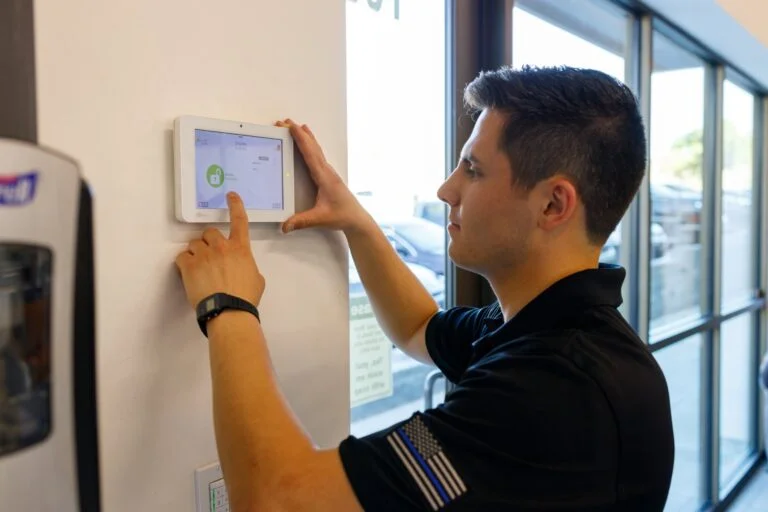
Maintenance Tips for Lasting Pest Control
Even the best home pest prevention systems require regular upkeep to remain effective. Here are some practical maintenance tips:
- Check and replace door sweeps, window screens, and weather stripping at least twice a year.
- Test smart sensors and alarms monthly to ensure they’re working properly.
- Keep gutters clean and address any standing water around your property to deter mosquitoes and other insects.
- Store food in sealed containers and promptly clean up spills in kitchens and pantries.
- Trim vegetation away from the house to reduce shelter for pests.
For those looking to automate these tasks, home maintenance automation tools can help streamline routine checks and reminders.
Frequently Asked Questions
What are the main types of home pest prevention systems?
Most solutions fall into three categories: physical barriers (like screens and seals), smart monitoring devices (such as motion or humidity sensors), and automated deterrents (including ultrasonic or light-based repellents). Many homeowners combine these for comprehensive protection.
Can smart pest prevention systems be integrated with other home automation devices?
Yes, many modern pest deterrence products are compatible with popular smart home platforms. This allows you to receive alerts, automate deterrents, and monitor environmental conditions alongside your security and energy management systems.
How often should I inspect or maintain my pest prevention setup?
It’s best to inspect physical barriers and test smart devices at least every six months. However, if you live in an area with high pest activity or experience seasonal surges, quarterly checks are recommended for optimal protection.