
Natural disasters and unexpected emergencies can strike at any time, leaving homeowners vulnerable to property damage, power outages, and safety risks. Building a solid foundation of disaster readiness for homeowners is crucial for protecting your home, your loved ones, and your peace of mind. By taking proactive steps and leveraging modern technology, you can minimize risks and recover more quickly when the unexpected occurs.
This guide covers the most important actions homeowners should take to prepare for emergencies, from assessing risks to assembling supplies and integrating smart home solutions. For those interested in the latest advancements, consider exploring next-generation home security systems to further enhance your property’s resilience.
Understanding Your Local Risks
The first step in emergency planning is to identify which hazards are most likely to affect your area. Disaster readiness for homeowners starts with understanding local threats such as hurricanes, wildfires, earthquakes, floods, or winter storms. Check local government resources and hazard maps to determine your home’s vulnerability.
- Flood zones: Review FEMA flood maps and consider flood insurance if you live in a high-risk area.
- Earthquake-prone regions: Secure heavy furniture and appliances, and retrofit your home if necessary.
- Wildfire danger: Create defensible space by clearing brush and using fire-resistant landscaping.
- Storm-prone areas: Reinforce windows, doors, and roofs to withstand high winds.
Knowing your risks allows you to tailor your preparations and prioritize the most relevant safety measures.
Building a Home Emergency Plan
Every household should have a clear, actionable emergency plan. This includes:
- Communication strategy: Establish how family members will contact each other and where to meet if separated.
- Evacuation routes: Identify multiple ways out of your neighborhood and practice your evacuation plan.
- Emergency contacts: Keep a list of important phone numbers, including local emergency services, utilities, and out-of-town relatives.
- Home safety procedures: Assign roles for shutting off gas, water, and electricity if needed.
Review and update your plan annually, and make sure everyone in your household understands their responsibilities.
Essential Supplies for Emergency Preparedness
Having the right supplies on hand is a cornerstone of disaster readiness for homeowners. Assemble an emergency kit that can sustain your household for at least 72 hours. Key items include:
- Non-perishable food and water (one gallon per person per day)
- First aid kit and prescription medications
- Flashlights, batteries, and portable chargers
- Battery-powered or hand-crank radio
- Personal hygiene items and sanitation supplies
- Copies of important documents (insurance, ID, medical records)
- Cash in small bills
- Basic tools and duct tape
- Blankets and warm clothing
Store your kit in an accessible location and check expiration dates regularly. Don’t forget to include supplies for pets and infants if applicable.

Leveraging Technology for Enhanced Safety
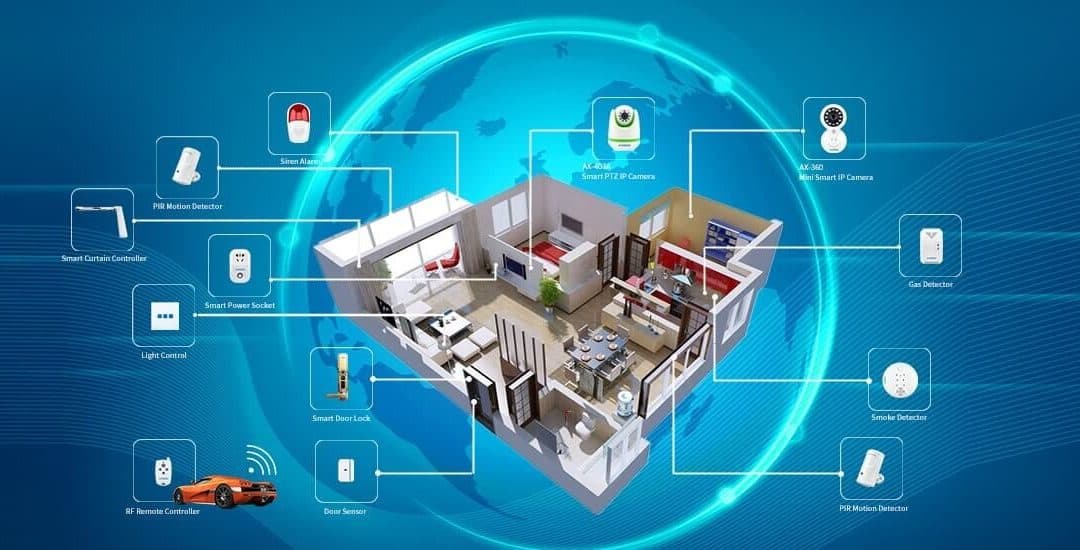
Modern technology offers powerful tools for improving disaster readiness for homeowners. Smart home devices can automate alerts, monitor environmental conditions, and provide remote access to critical systems. Consider integrating:
- Smart alarms and sensors: Smoke, carbon monoxide, water leak, and motion sensors can notify you instantly of hazards.
- Security cameras: Monitor your property remotely and document events for insurance claims.
- Automated lighting and locks: Control access and visibility even during power outages.
- Backup power solutions: Battery backups and generators keep essential devices running when the grid is down.
For a deeper dive into connected home safety, explore the latest future of home protection technology and how it can support your emergency plans.
Additionally, proactive video monitoring for home security can provide real-time alerts and help authorities respond faster in the event of a crisis.

Protecting Your Home’s Infrastructure
Beyond supplies and technology, physical preparations can make a significant difference in how your home weathers a disaster. Consider these steps:
- Reinforce doors and windows: Install storm shutters or impact-resistant glass for severe weather protection.
- Maintain your roof: Regular inspections and repairs help prevent leaks and structural damage.
- Clear gutters and drains: Prevent water buildup that can lead to flooding or ice dams.
- Secure outdoor items: Anchor or store patio furniture, grills, and tools to prevent them from becoming projectiles.
- Install sump pumps: Reduce basement flooding risk in heavy rain or snowmelt.
Routine upkeep is easier with home maintenance automation tools that remind you of critical tasks and monitor system health.
Insurance and Documentation
Financial protection is a key part of disaster planning. Review your homeowners insurance policy to ensure it covers the types of disasters most likely in your area. Consider additional policies for floods, earthquakes, or other exclusions. Keep digital and paper copies of:
- Insurance policies and agent contact information
- Property deeds, titles, and mortgage documents
- Home inventory with photos and receipts
- Medical and identification records
Store these documents in a waterproof, fireproof container and back them up securely online.
Staying Informed and Connected
Timely information is vital during emergencies. Sign up for local alerts and weather notifications. Follow official social media accounts for updates. Keep a charged phone and backup power sources ready. If you manage multiple properties, proactive property management systems can help you monitor and respond to issues remotely.
After a disaster, check on neighbors, especially those who are elderly or have special needs. Community cooperation strengthens resilience and speeds recovery for everyone.
Frequently Asked Questions
What are the most important items to include in a home emergency kit?
Every emergency kit should have water, non-perishable food, a first aid kit, flashlights, batteries, a radio, essential medications, copies of important documents, cash, and basic tools. Tailor your kit to your family’s needs, including pet supplies or baby items if necessary.
How can smart home technology help during disasters?
Smart home devices such as alarms, sensors, cameras, and backup power systems can provide instant alerts, monitor for hazards, and allow you to control your home remotely. These tools help you respond faster and keep your property secure even if you’re away.
How often should I review and update my disaster plan?
It’s best to review your emergency plan and supplies at least once a year, or whenever there are major changes in your household or local risks. Update contact lists, practice evacuation routes, and check that all equipment is in working order.




