Electrical fires are a significant risk in modern households, often resulting from overlooked hazards or aging infrastructure. Understanding how to minimize these dangers is essential for every homeowner. This article provides practical strategies and expert advice to help you protect your living space, family, and valuable possessions from electrical fire incidents.
From routine maintenance to adopting smart home technologies, there are many effective ways to reduce the risk of electrical fires. We’ll cover key warning signs, actionable prevention steps, and the latest tools that can make your home safer. For those interested in broader trends, the future of home protection technology continues to evolve, offering even more robust solutions for household safety.
Understanding the Risks of Household Electrical Fires
Many electrical fires originate from common sources such as faulty wiring, overloaded circuits, and malfunctioning appliances. Recognizing these risks is the first step toward electrical fire prevention at home. Older homes are especially vulnerable, as wiring may not meet current safety standards or handle the demands of today’s electronics.
- Outdated wiring can overheat and spark fires, especially when paired with high-power devices.
- Overloaded outlets and power strips are frequent culprits, particularly in rooms with many gadgets.
- Damaged cords or appliances with frayed wires can ignite nearby materials.
- Improper use of extension cords increases the risk, especially if cords are run under rugs or furniture.
Regularly inspecting your home’s electrical system and being aware of these hazards can help you take proactive measures before problems escalate.
Essential Steps for Reducing Electrical Fire Hazards
Preventing electrical fires requires a combination of vigilance, maintenance, and smart upgrades. Here are some of the most effective steps homeowners can take:
- Schedule professional inspections every few years, especially if your home is over 20 years old.
- Replace damaged cords and avoid using appliances with exposed wiring.
- Limit the use of extension cords and never daisy-chain power strips.
- Install ground fault circuit interrupters (GFCIs) in kitchens, bathrooms, and outdoor areas.
- Upgrade old outlets to tamper-resistant or arc-fault circuit interrupter (AFCI) models.
- Unplug appliances when not in use, especially high-wattage devices like space heaters or irons.
By following these steps, you can significantly reduce the likelihood of an electrical fire starting in your home.
Smart Home Devices for Enhanced Safety
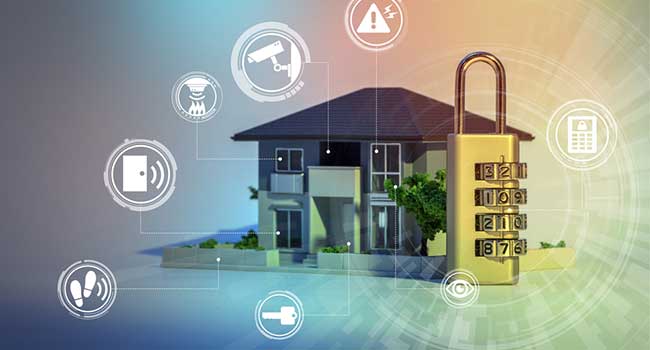
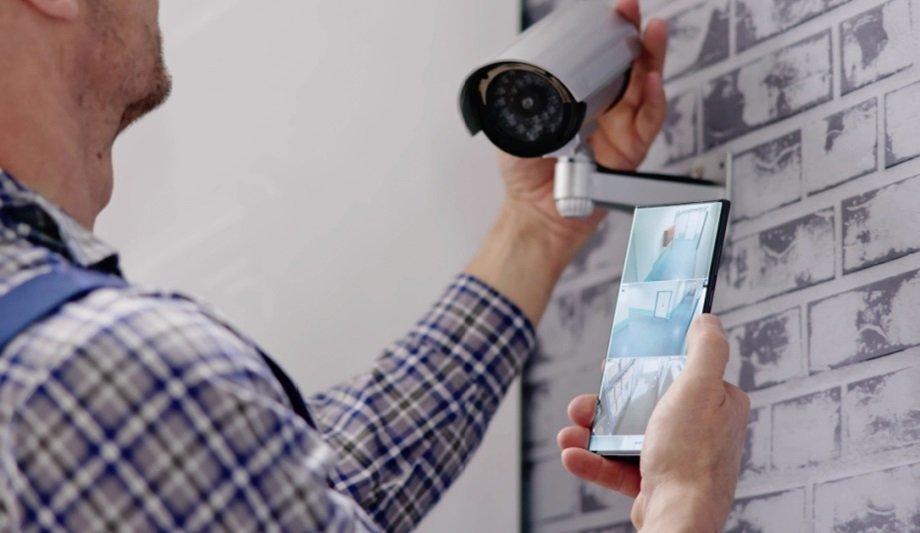
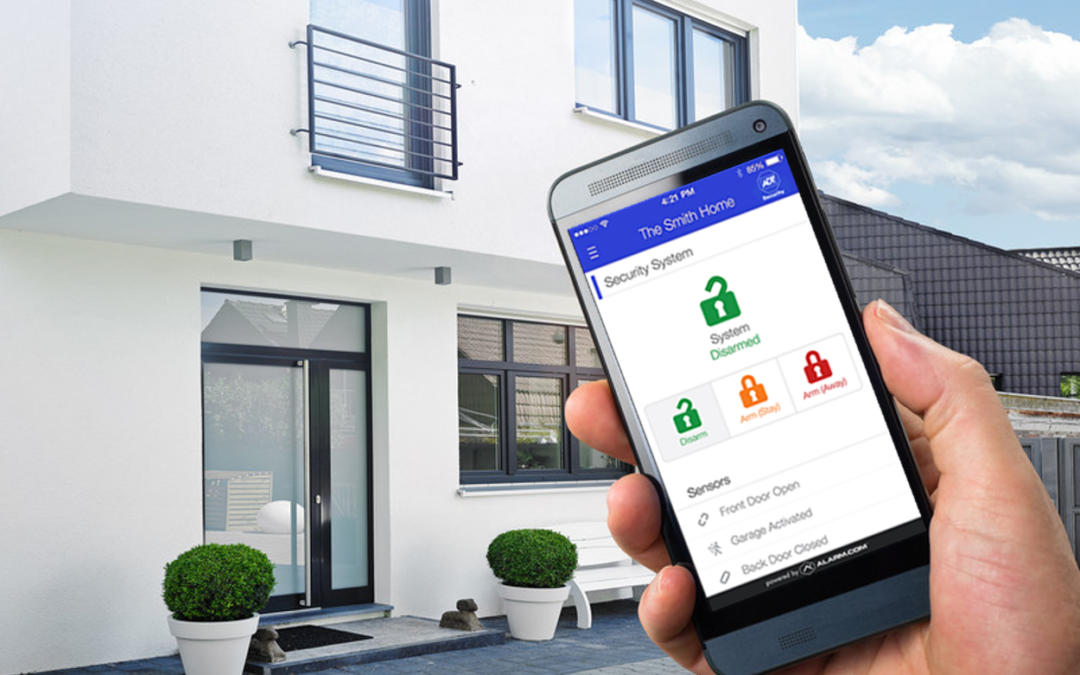
Modern technology offers new ways to monitor and prevent electrical hazards. Smart home security systems, energy monitors, and connected smoke detectors can provide early warnings and real-time insights into your home’s electrical health.
- Smart alarms can detect unusual electrical activity and alert you via smartphone notifications.
- Energy monitors track power usage, helping you identify appliances that may be drawing excessive current or malfunctioning.
- Automated shutoff devices can disconnect power to circuits showing signs of overload or faults.
These tools not only improve electrical fire prevention at home but also add convenience and peace of mind. For those interested in the latest advancements, exploring next-generation home security systems can reveal even more options for integrated protection.
Warning Signs That Demand Immediate Attention
Some electrical issues require urgent action to prevent fires. Homeowners should watch for these red flags:
- Frequent circuit breaker trips or blown fuses
- Flickering or dimming lights when appliances are in use
- Burning smells from outlets, switches, or appliances
- Warm or discolored wall plates and outlets
- Sparking when plugging or unplugging devices
If you notice any of these signs, immediately unplug affected devices and consult a licensed electrician. Never ignore these symptoms, as they often precede electrical fires.
Routine Maintenance and Best Practices
Consistent upkeep is a cornerstone of electrical fire prevention at home. Here are some ongoing practices to keep your household safe:
- Test smoke detectors and carbon monoxide alarms monthly, replacing batteries as needed.
- Keep flammable materials away from outlets, cords, and appliances.
- Store portable heaters and irons safely after use, ensuring they are unplugged and cool.
- Have your electrical panel inspected and labeled clearly for emergency shutoff.
- Educate family members about electrical safety, including children and guests.
For those seeking to automate maintenance, consider exploring home maintenance automation tools that can simplify routine checks and reminders.
Additional Resources for Home Fire Safety
Staying informed is crucial. For a comprehensive overview of fire risk reduction, visit this critical guide to fire damage prevention, which covers additional steps and considerations for homeowners.
As smart home technology advances, integrating proactive property management systems can further enhance your home’s safety profile, providing real-time alerts and automated responses to emerging hazards.
FAQ: Electrical Fire Safety in the Home
What are the most common causes of electrical fires in homes?
The leading causes include faulty wiring, overloaded outlets, damaged cords, and misuse of extension cords. Aging electrical systems and improper installation of appliances also contribute significantly to fire risk.
How often should I have my home’s electrical system inspected?
It is recommended to schedule a professional inspection every 3–5 years, or more frequently if your home is over 20 years old or you notice warning signs such as frequent breaker trips or flickering lights.
Are smart devices effective for preventing electrical fires?
Yes, smart alarms, energy monitors, and automated shutoff devices can provide early detection of electrical faults and help prevent fires. These technologies offer real-time monitoring and alerts, making it easier to address issues before they become hazardous.
What should I do if I smell burning from an outlet or appliance?
Immediately unplug the device, turn off the circuit at the breaker panel if safe to do so, and contact a licensed electrician. Do not use the outlet or appliance until it has been professionally inspected and repaired.
Can upgrading outlets and circuit breakers reduce fire risk?
Absolutely. Installing GFCIs, AFCIs, and tamper-resistant outlets can significantly reduce the risk of electrical fires by automatically cutting power in the event of a fault or overload.
By staying vigilant, investing in modern safety tools, and following best practices, homeowners can dramatically lower the risk of electrical fires and create a safer living environment for everyone.