
Gas leaks are a serious safety concern in any household, especially for families with children, elderly members, or pets. Invisible and often odorless, gases like natural gas, propane, and carbon monoxide can pose significant health risks and even lead to life-threatening situations if not detected early. That’s why installing gas leak detection systems has become a crucial part of modern home safety planning.
These advanced devices continuously monitor the air for hazardous gases, providing early warnings and helping prevent accidents. Whether you use natural gas for heating, cooking, or hot water, or simply want to ensure your home is protected from potential leaks, understanding how these systems work and what to look for can make a significant difference in your family’s well-being.
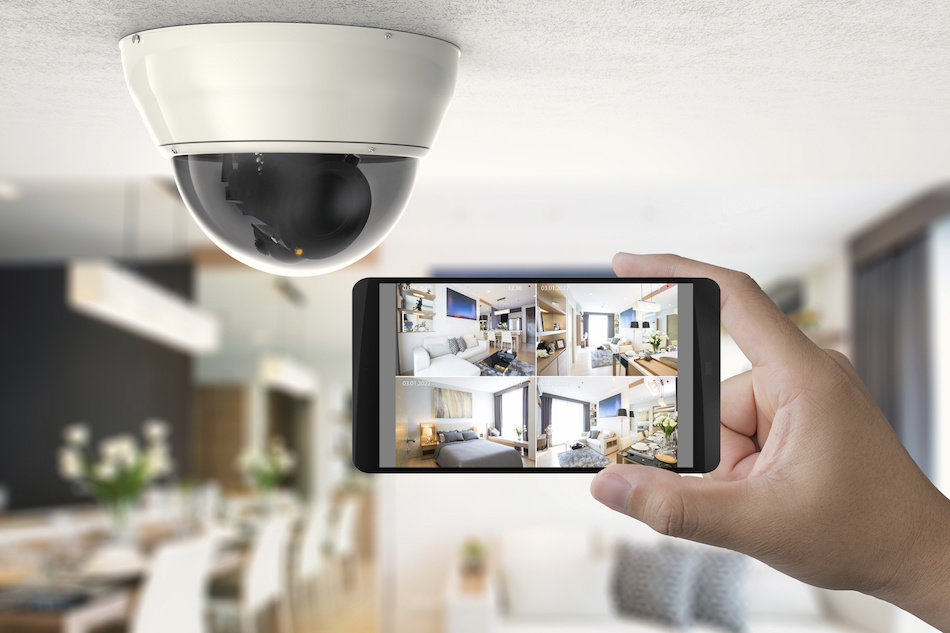
For those interested in a broader approach to home safety, exploring next-generation home security systems can offer additional layers of protection, integrating gas monitoring with other smart security features.
Why Homeowners Need Reliable Gas Leak Monitors
Many households rely on gas-powered appliances, making the risk of leaks a real concern. Even a minor leak can result in dangerous levels of gas accumulating indoors, leading to symptoms like headaches, dizziness, nausea, or worse. In severe cases, undetected leaks can cause explosions or fires.
Gas leak detection systems are designed to sense the presence of hazardous gases long before they reach critical levels. With instant alerts, these systems give families the chance to act quickly—shutting off gas supplies, ventilating the area, and contacting emergency services if needed.
- Early warning: Detects leaks before they become dangerous.
- Peace of mind: Reduces anxiety about unseen hazards.
- Compliance: Meets safety standards and insurance requirements in many regions.
How Gas Leak Detection Systems Work
Modern gas detection devices use sensitive sensors to monitor the air for specific gases such as methane, propane, or carbon monoxide. When a leak is detected, the system triggers an alarm—often both audible and visual—and may even send notifications to your smartphone or smart home hub.
Some advanced models can be integrated with other smart home technologies, allowing for automated actions like shutting off gas valves or activating ventilation fans. This integration is especially valuable for families who want a comprehensive safety solution.

Key Features to Look For in a Gas Leak Alarm
When selecting a monitoring device for your home, consider the following features to ensure you’re getting the best protection:
- Multi-gas detection: Look for systems that can sense multiple gases (e.g., methane, propane, carbon monoxide).
- Smart connectivity: Integration with Wi-Fi or smart home platforms for remote alerts and control.
- Battery backup: Ensures operation during power outages.
- Easy installation: Wall-mounted or plug-in models simplify setup.
- Self-testing: Automatic system checks for ongoing reliability.
Some systems also offer integration with energy system protection at home, providing a holistic approach to household safety.
Where to Install Gas Leak Sensors for Maximum Safety
Proper placement is critical for effective detection. Install sensors near potential sources of leaks, such as:
- Gas stoves and ovens
- Furnaces and water heaters
- Fireplaces
- Basements or utility rooms with gas lines
- Garages (if gas appliances are present)
For gases lighter than air (like methane), place detectors high on the wall or ceiling. For heavier gases (like propane), install them low to the ground. Always follow manufacturer recommendations for optimal sensor placement.

Integrating Gas Detection With Smart Home Security
Today’s smart homes can combine gas leak detection systems with other security and automation tools. By connecting your sensors to a central hub, you can receive instant notifications on your phone, trigger alarms, or even automate emergency responses.
Many families find value in combining gas monitoring with future of home protection technology solutions. This approach ensures that all aspects of household safety—from intrusion detection to environmental hazards—are managed from a single platform.
For those who want to be proactive, following expert home security tips can further reduce risks and improve overall safety.
Maintenance and Testing for Long-Term Reliability
To keep your system functioning properly, regular maintenance is essential. Most devices have a test button—use it monthly to confirm the alarm works. Replace batteries as recommended, and clean sensors to prevent dust buildup. Many modern detectors will alert you when maintenance is needed or when the sensor is nearing the end of its lifespan.
It’s also wise to review your family’s emergency plan periodically. Make sure everyone knows what to do if an alarm sounds, including how to evacuate and where to meet outside.
Additional Tips for Family Safety
- Teach children and all family members about the dangers of gas leaks and how to recognize alarm signals.
- Never ignore a gas smell or detector alarm—leave the area and call emergency services if needed.
- Schedule annual inspections of gas appliances and lines by a qualified professional.
- Consider integrating gas sensors with safe room planning at home for an added layer of protection.
FAQ: Gas Leak Detection at Home
What types of gases can home detectors sense?
Most residential sensors are designed to detect natural gas (methane), propane, and carbon monoxide. Some advanced models can monitor additional gases. Always check the product specifications to ensure it covers the gases used in your home.
How often should I test my gas leak alarm?
It’s recommended to test your device at least once a month using the built-in test button. Replace batteries as needed and follow the manufacturer’s maintenance guidelines for best results.
Can I install a gas leak sensor myself?
Many modern devices are designed for easy DIY installation, especially plug-in or battery-powered models. However, for hardwired systems or if you’re unsure about placement, it’s best to consult a professional.
Are smart gas detectors worth the investment?
Smart detectors offer remote alerts, integration with other home automation devices, and enhanced safety features. For families seeking comprehensive protection, these benefits often justify the additional cost.
Conclusion
Protecting your family from hidden dangers like gas leaks requires vigilance and the right technology. By choosing reliable gas leak detection systems, placing them strategically, and maintaining them regularly, you can significantly reduce risks and enjoy greater peace of mind. For those looking to further enhance their home’s safety, integrating gas monitoring with broader elderly safety monitoring at home or other smart security solutions can provide a truly comprehensive approach to household protection.




