Keeping your home safe starts with securing the places where intruders are most likely to try to gain access—your entry points. Doors, windows, garages, and even secondary entrances can all be vulnerable if not properly protected. By focusing on practical home entry point security tips, you can significantly reduce the risk of break-ins and create a safer environment for everyone in your household.
From reinforcing locks to leveraging smart technology, there are many effective ways to strengthen your home’s defenses. This article will walk you through proven strategies, highlight essential products, and connect you with additional resources to help you make informed decisions about your property’s security.
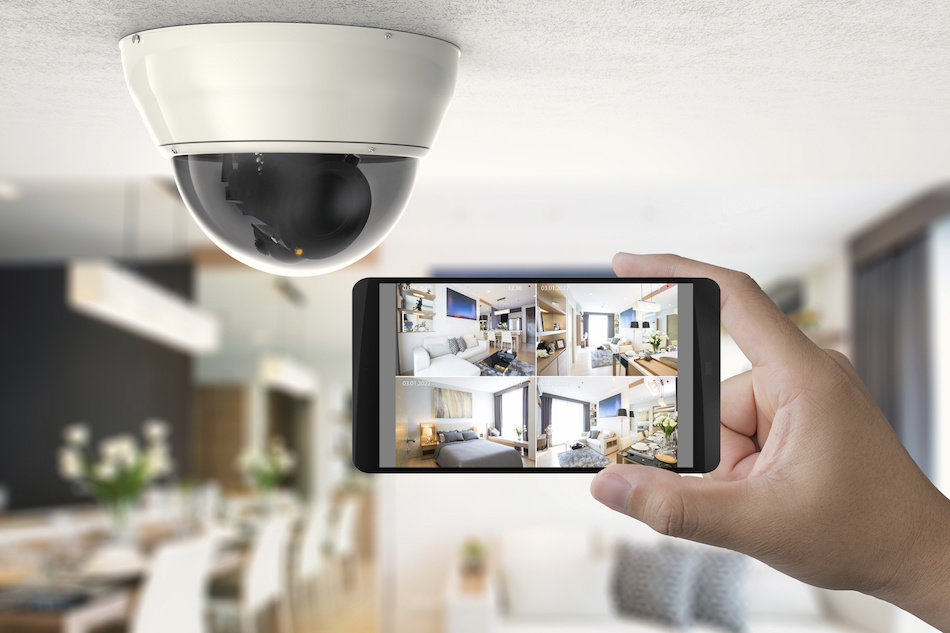
For homeowners interested in advanced protection, exploring next-generation home security systems can provide additional peace of mind and innovative features that go beyond traditional locks and alarms.
Why Entry Points Are Critical for Home Security
Most unauthorized entries happen through doors and windows. These are the most accessible and often the least protected parts of a house. Criminals typically look for weak spots such as old locks, poorly lit areas, or hidden entrances. By focusing on these locations, you can address the most common vulnerabilities and make your home a less attractive target.
- Front and back doors are the primary access points and should be the first focus for upgrades.
- Windows, especially those on the ground floor or hidden from view, are common entryways for burglars.
- Garage doors and side entrances are often overlooked but can be exploited if left unsecured.
Essential Home Entry Point Security Tips
Implementing the following measures will help you secure every vulnerable spot in your home. These recommendations combine physical reinforcements and smart technology for comprehensive protection.
Upgrade Door Locks and Hardware
Start by installing high-quality deadbolts on all exterior doors. Look for locks that are rated Grade 1 by the American National Standards Institute (ANSI) for maximum strength. Reinforce door frames with strike plates and use long screws to anchor them securely into the wall stud. For sliding doors, use a security bar or a pin lock to prevent forced entry.
Secure Windows and Glass Doors
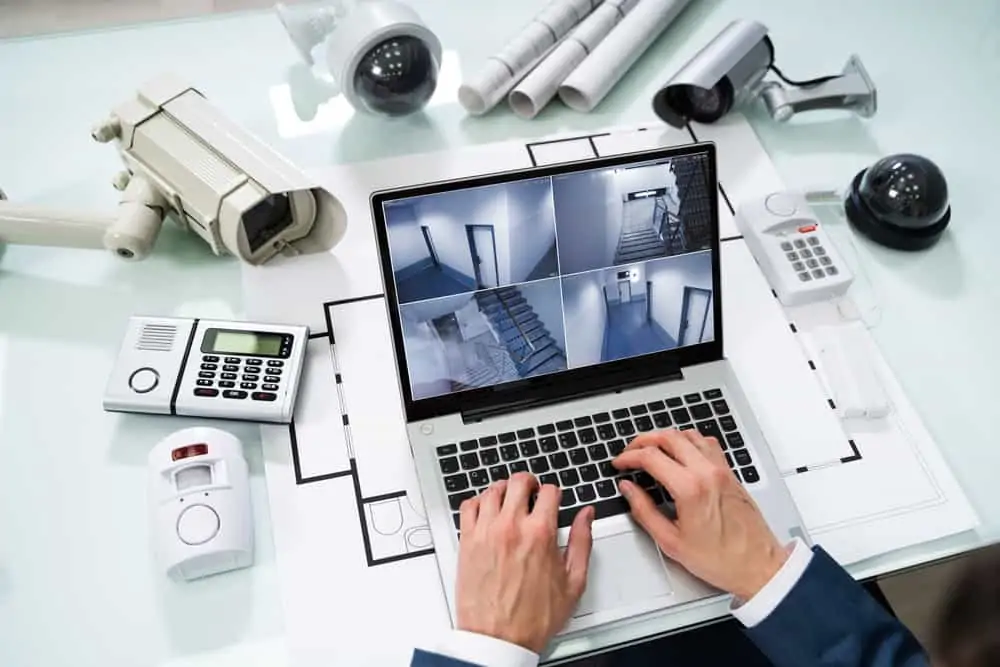
Windows are often targeted because they can be pried open or broken. Install window locks or keyed latches on all accessible windows. Consider adding window sensors that trigger an alarm if the glass is broken or the window is opened. Security film can also be applied to glass to make it more resistant to shattering.
For basement and ground-floor windows, use window bars or grilles for added protection. Always keep shrubs and landscaping trimmed back to eliminate hiding places near windows.
Use Smart Technology for Monitoring
Modern smart home devices make it easier than ever to monitor entry points. Install video doorbells, motion-activated cameras, and smart sensors at all main entrances. These tools not only alert you to suspicious activity but can also deter intruders who see that your property is being watched.
Integrating these devices with your smartphone allows you to receive instant notifications and view live footage from anywhere. For a comprehensive overview of digital protection, see our guide on home digital safety strategies.
Lighting and Visibility Around Entry Points
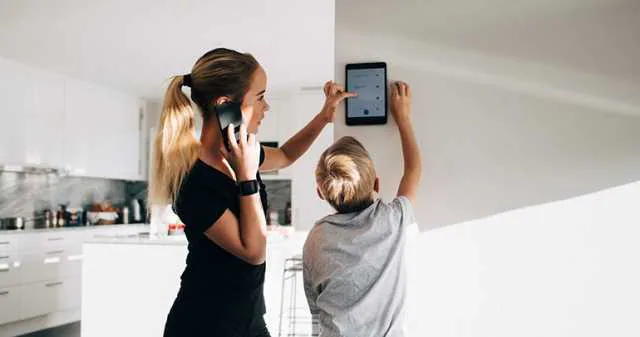
Proper lighting is a simple but powerful deterrent. Install motion-activated lights near all doors and windows to eliminate dark areas where someone could hide. Well-lit entryways make it easier for neighbors or passersby to spot suspicious activity. Consider using smart bulbs that can be controlled remotely or set on schedules for added convenience.
Additional Steps for Comprehensive Entry Point Protection
- Reinforce garage doors with upgraded locks and consider a smart garage door opener that notifies you when the door is opened or left ajar.
- Install peepholes or video doorbells so you can see who is at the door before opening it.
- Keep spare keys secure—never hide them under doormats or flowerpots. Instead, give them to a trusted neighbor or use a lockbox.
- Regularly inspect all entry points for signs of wear, damage, or tampering and address issues promptly.
For families with specific needs, such as elderly members or those with medical concerns, consider integrating medical alert systems for home use into your security plan. These systems can provide instant emergency care and peace of mind.
Proactive Security Habits for Everyday Safety
Technology and hardware upgrades are essential, but daily habits also play a crucial role in keeping your home secure. Always lock doors and windows, even when you’re at home. Don’t leave ladders, tools, or other items outside that could help someone gain access. Be cautious about sharing travel plans or absences on social media, as this information can be used by potential intruders.
It’s also wise to get to know your neighbors and participate in community watch programs. For more proactive strategies, check out these proactive home security tips from industry experts.
Integrating Entry Point Security with Whole-Home Solutions
While focusing on doors and windows is crucial, integrating these measures with a broader home security system offers even greater protection. Many modern systems allow you to monitor all entry points, receive alerts, and even automate responses such as locking doors or turning on lights. If you’re considering a more advanced setup, learning about next-generation home security systems can help you choose the right solution for your needs.
For those interested in creating a safe retreat within the home, resources on safe room planning at home provide guidance on building secure spaces for emergencies.
FAQ: Entry Point Security for Homes
What are the most important entry points to secure in a house?
The main doors (front, back, and side), ground-floor windows, and garage doors are the most critical areas to secure. These are the most common targets for intruders and should be reinforced with strong locks, sensors, and proper lighting.
How can smart technology improve entry point security?
Smart devices such as video doorbells, motion sensors, and connected locks allow you to monitor and control your home’s entry points remotely. They provide real-time alerts, video footage, and can even automate security routines for enhanced protection.
Are window bars or security film better for window protection?
Both options offer benefits. Window bars provide a physical barrier that is difficult to bypass, while security film makes glass harder to break. The best choice depends on your security needs, aesthetics, and local regulations. Combining both can offer maximum protection.
What should I do if I lose a key or suspect someone has unauthorized access?
Immediately change the locks or rekey them to prevent unauthorized entry. Consider upgrading to smart locks that allow you to change access codes easily and track who enters your home.
Conclusion
Securing your home’s entry points is one of the most effective ways to protect your property and loved ones. By combining physical reinforcements, smart technology, and proactive habits, you can create multiple layers of defense that deter intruders and provide peace of mind. Remember to regularly review your security measures and stay informed about new solutions that can further enhance your home’s safety.