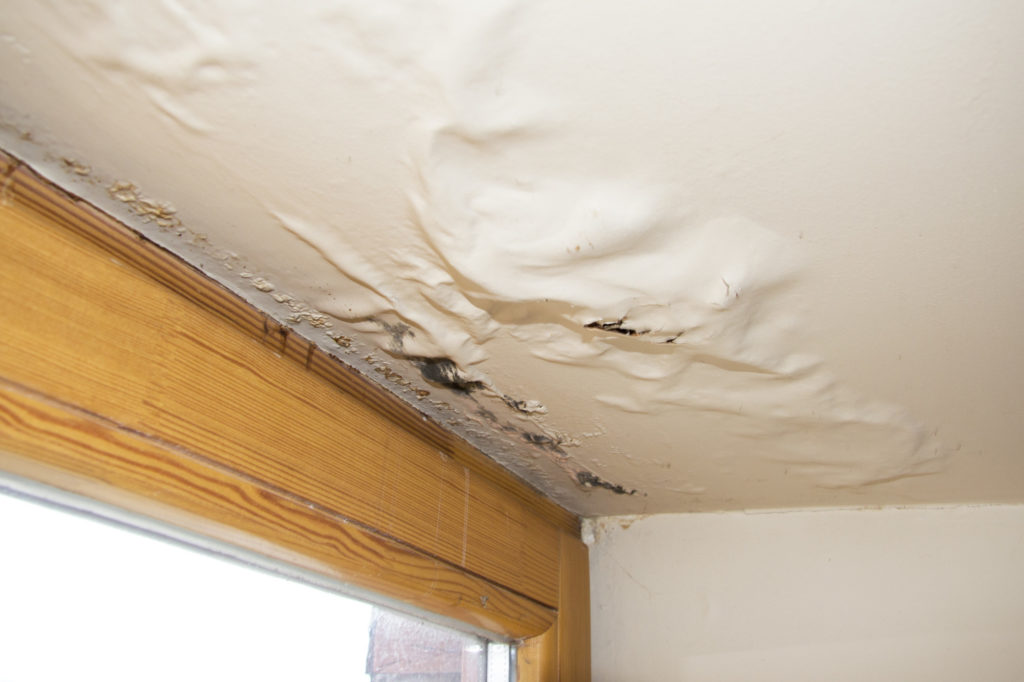
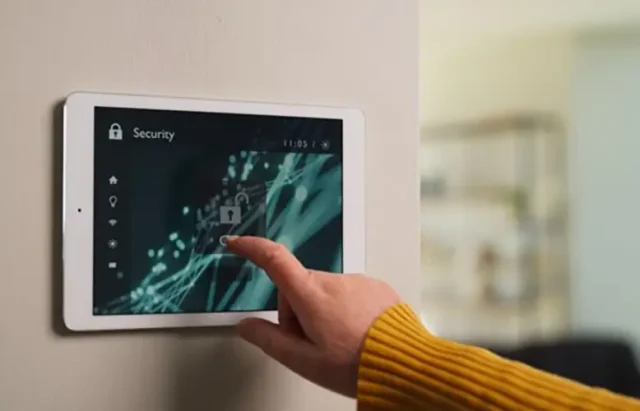
Modern living brings convenience, but it also introduces new risks to our households. From burglary and fire to water leaks and electrical faults, the threats facing homes are evolving. Home risk detection technology is transforming how we protect our families and property, offering proactive solutions that go far beyond traditional alarms. These smart systems use sensors, artificial intelligence, and real-time alerts to identify dangers before they escalate, giving homeowners peace of mind and greater control over their environment.
As connected devices become more accessible, integrating them into daily life is no longer reserved for tech enthusiasts. Today, anyone can benefit from automated monitoring, instant notifications, and remote management. Whether you’re looking to prevent break-ins or safeguard against environmental hazards, understanding the latest advancements in this field is essential for creating a safer, smarter home.
For those interested in a deeper dive into advanced protection, next-generation home security systems offer a comprehensive look at the features shaping the future of residential safety.
How Smart Sensors Are Changing Home Safety
At the core of modern home protection are smart sensors designed to detect a wide range of risks. These devices can sense motion, smoke, carbon monoxide, water leaks, and even subtle changes in air quality. Unlike older systems that only react to triggered events, today’s solutions analyze patterns and provide early warnings, reducing the chance of costly damage or injury.
Some of the most common sensor types include:
- Motion detectors: Identify unauthorized movement inside or around the home.
- Door and window sensors: Alert you if entry points are opened unexpectedly.
- Smoke and CO detectors: Provide instant alerts for fire or dangerous gas levels.
- Water leak sensors: Notify you of leaks under sinks, near appliances, or in basements.
- Glass break sensors: Detect the sound of breaking glass, a common sign of forced entry.
By combining these sensors with a central hub or smart home platform, homeowners can monitor their property from anywhere, receive real-time alerts, and automate emergency responses.
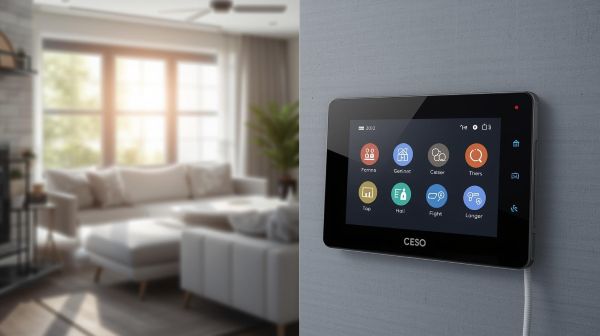
Integrating AI and Automation for Proactive Protection
Artificial intelligence is a game-changer in home risk detection technology. AI-powered systems analyze data from multiple sensors, learning normal patterns of activity and flagging anomalies that could indicate a problem. For example, if a water leak sensor detects moisture at an unusual time, or if motion is detected when the house should be empty, the system can send an alert or even trigger automated actions like shutting off water valves or activating lights.
Automation extends beyond alerts. Many platforms allow users to set up routines that respond to specific risks. For instance, if smoke is detected, the system can unlock smart locks for easy exit, turn on pathway lighting, and notify emergency services automatically. This level of integration not only speeds up response times but also reduces the risk of human error during stressful situations.
For those looking to enhance their digital safety, home digital safety strategies can help protect your smart household from cyber threats that target connected devices.
Key Benefits of Modern Risk Detection Solutions
Adopting smart home safety technology offers several advantages over traditional systems:
- Early detection: Sensors and AI identify threats before they become emergencies.
- Remote monitoring: Check your home’s status from anywhere using a smartphone or computer.
- Automated response: Systems can take immediate action, such as shutting off utilities or contacting help.
- Customizable alerts: Receive notifications via text, app, or email based on your preferences.
- Integration with other devices: Link cameras, lights, and locks for a seamless safety network.
These benefits not only improve physical security but also contribute to peace of mind, especially for families, seniors, and frequent travelers.

Choosing the Right System for Your Needs
The market for smart home safety devices is growing rapidly, with options ranging from DIY kits to professionally installed systems. When selecting a solution, consider the following factors:
- Coverage: Assess which areas of your home need monitoring—entry points, basements, garages, or specific rooms.
- Compatibility: Ensure new devices work with your existing smart home ecosystem (such as Alexa, Google Home, or Apple HomeKit).
- Scalability: Choose systems that allow you to add sensors or features as your needs change.
- Ease of use: Look for intuitive apps and straightforward installation processes.
- Support and updates: Opt for brands that offer regular software updates and responsive customer support.
For first-time buyers, resources like the ultimate guide to home security for first-time homeowners provide valuable insights on setup, best practices, and what to expect from modern systems.
Expanding Protection Beyond Intrusion
While burglary prevention remains a top priority, home risk detection technology now addresses a broader spectrum of hazards. Environmental threats such as fire, flooding, and air quality issues can be just as devastating as break-ins. Smart detectors and monitors help catch these dangers early, reducing the risk of property loss and health emergencies.
For families with elderly members or those with medical conditions, integrating medical alert systems for home use ensures that help is always within reach, whether at home or on the go.
Additionally, energy monitoring devices can help identify electrical faults or abnormal usage patterns, preventing fires and saving on utility bills. By combining security, safety, and efficiency, today’s solutions offer comprehensive protection for every household.
Practical Tips for Maximizing Home Safety Tech
To make the most of your investment in smart protection, follow these practical steps:
- Regularly test all sensors and alarms to ensure they’re functioning correctly.
- Update software and firmware to patch vulnerabilities and access new features.
- Position sensors strategically for optimal coverage—consult guides like motion sensors for home protection for placement tips.
- Set up multi-factor authentication for app access to prevent unauthorized control.
- Educate all household members on how to respond to alerts and use emergency features.
By staying proactive and informed, you can ensure that your smart home remains a safe haven for everyone inside.
Frequently Asked Questions
What types of risks can smart home detection systems identify?
Modern systems can detect a wide range of threats, including intrusion, fire, smoke, carbon monoxide, water leaks, glass breakage, and even abnormal energy consumption. Some advanced solutions also monitor air quality and temperature fluctuations.
Are these technologies difficult to install and use?
Many smart safety devices are designed for easy DIY installation, with step-by-step instructions and user-friendly apps. Professional installation is also available for more complex systems or larger homes. Most platforms offer intuitive interfaces for monitoring and control.
Can I monitor my home when I’m away?
Yes, remote monitoring is a key feature of modern solutions. Homeowners can receive real-time alerts, view camera feeds, and control devices from anywhere using a smartphone or computer, ensuring continuous protection whether at home or traveling.
How do I ensure my smart home devices are secure from hackers?
Follow best practices such as using strong, unique passwords, enabling multi-factor authentication, keeping device firmware updated, and securing your Wi-Fi network. For more strategies, explore detailed advice on home digital safety strategies.