Creating a secure and resilient home environment is a top priority for today’s property owners. With evolving technology and changing lifestyles, a home safety planning guide must address a wide range of risks, from break-ins and fire hazards to digital threats and environmental dangers. This article offers a structured approach to safeguarding your home, combining practical steps, smart devices, and proactive habits to help you protect your family and property.
Whether you’re moving into a new residence or updating your current setup, understanding the essentials of residential safety planning is crucial. We’ll explore the latest strategies, tools, and resources that modern homeowners can use to build a robust defense against both traditional and emerging risks.
For those interested in advanced protection, exploring next-generation home security systems can provide insights into the latest features and integrations available for residential security.
Why Every Home Needs a Personalized Safety Plan
No two households are exactly alike. Factors such as location, family size, lifestyle, and the presence of smart technology all influence your unique risk profile. A tailored home safety planning guide helps you identify vulnerabilities, prioritize improvements, and implement solutions that fit your needs.
- Crime prevention: Deter intruders with visible deterrents, alarms, and surveillance.
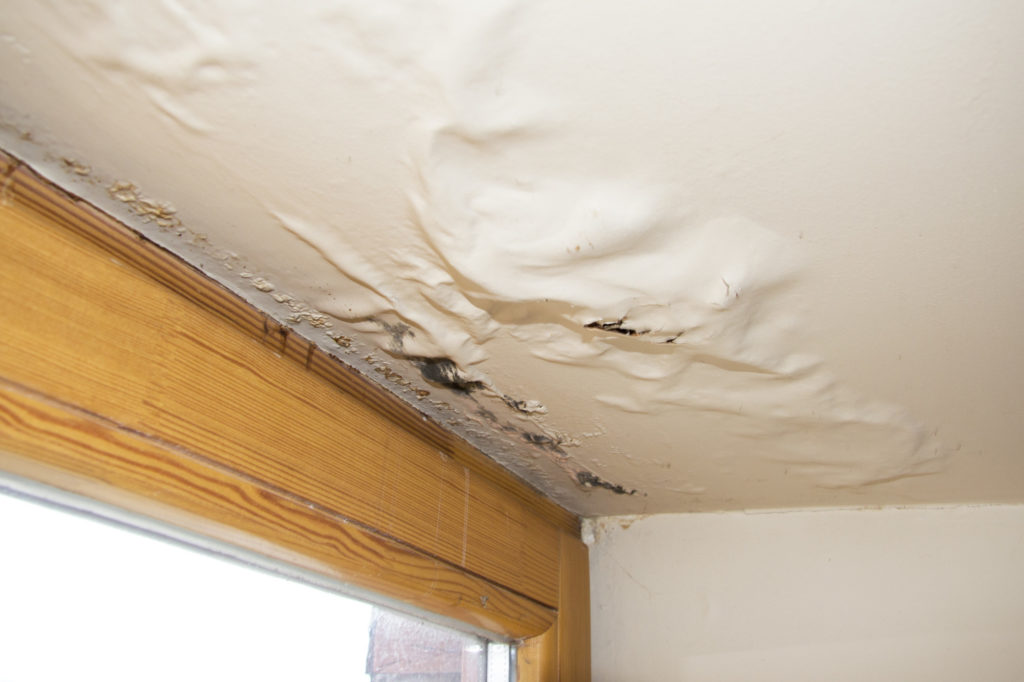
- Fire and environmental hazards: Prepare for smoke, carbon monoxide, water leaks, and mold.
- Digital security: Protect smart devices and home networks from cyber threats.
- Emergency preparedness: Ensure everyone knows what to do in case of natural disasters or medical emergencies.
Assessing Your Home’s Security Risks
Begin by conducting a thorough assessment of your property. Walk through each room and outdoor area, noting potential entry points, blind spots, and hazards. Consider the following checklist:
- Are all doors and windows equipped with sturdy locks?
- Is exterior lighting sufficient to deter trespassers?
- Are valuables visible from outside?
- Do you have working smoke and carbon monoxide detectors?
- Are there any tripping hazards or exposed wires?
- Is your Wi-Fi network secured with a strong password?
Document your findings and prioritize actions based on risk level and ease of implementation.
Physical Security: Locks, Alarms, and Surveillance
Physical barriers and monitoring systems form the backbone of any effective home protection strategy. Here are some key components to consider:
- Deadbolt locks: Upgrade all exterior doors with high-quality deadbolts.
- Window security: Use window sensors, reinforced glass, or security film.
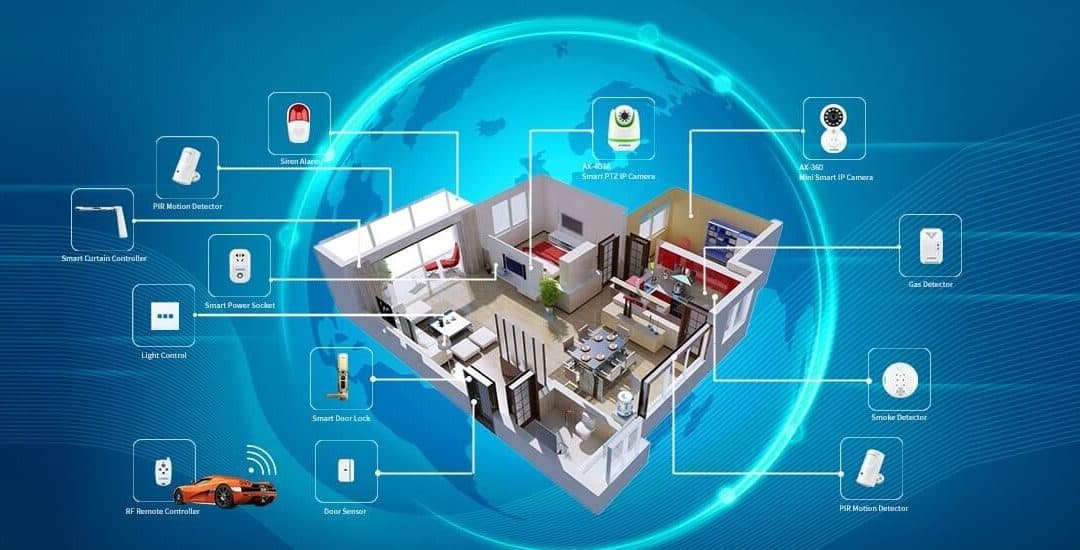
- Alarm systems: Install a modern alarm system with mobile alerts and professional monitoring.
- Surveillance cameras: Place cameras at main entry points and vulnerable areas. For advanced features, review proactive video monitoring solutions that offer real-time threat detection and response.
- Motion-activated lighting: Illuminate driveways, walkways, and entrances to deter unwanted visitors.
For more tips on optimizing sensor placement, see our guide on motion sensors for home protection.

Fire, Environmental, and Health Safety Measures
Beyond security, a comprehensive safety plan should address environmental and health hazards. Install and regularly test smoke and carbon monoxide detectors in key locations, such as bedrooms and hallways. Consider smart detectors that send alerts to your phone for added peace of mind.
- Fire extinguishers: Place extinguishers in the kitchen, garage, and near exits.
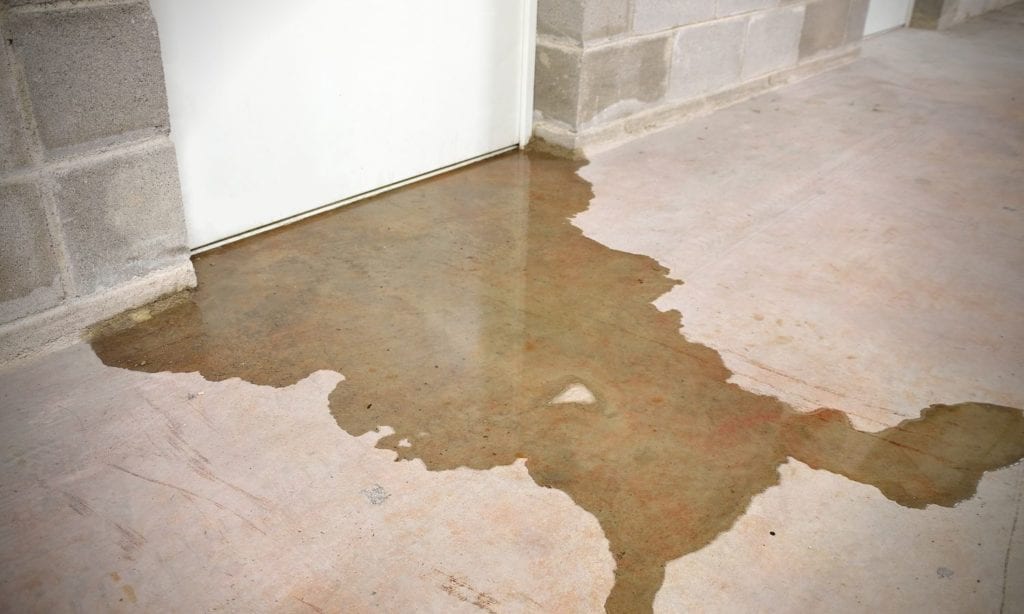
- Water leak sensors: Detect leaks early to prevent costly damage.
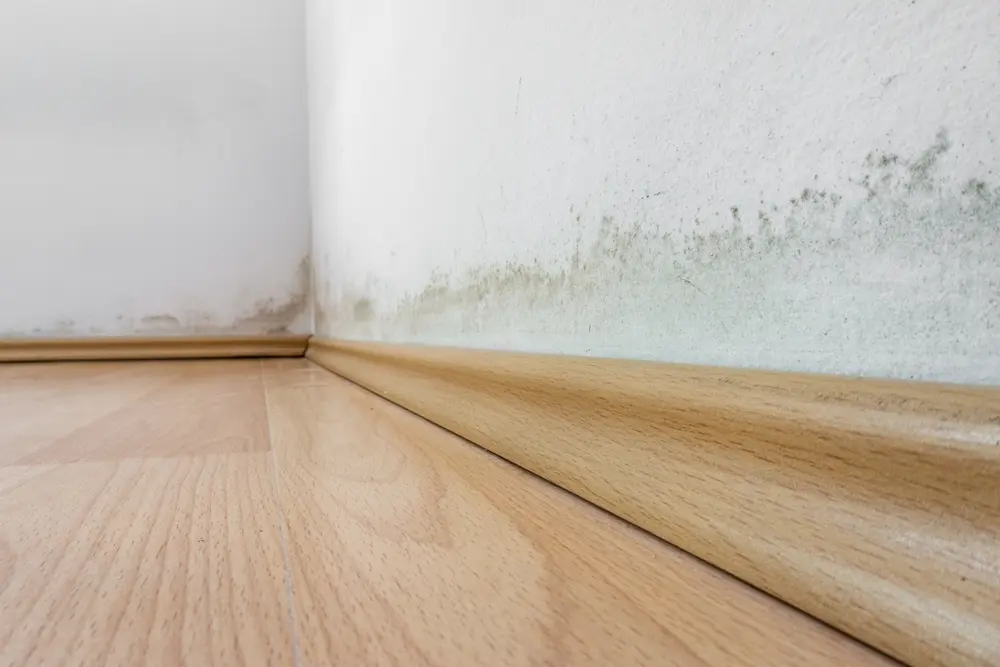
- Air quality monitors: Track pollutants, humidity, and mold risks. Early detection is crucial—learn more about early mold detection systems for proactive protection.
- First aid kits: Keep well-stocked kits in accessible locations.
Regularly review and update your emergency contacts and evacuation plans. Practice fire drills and ensure everyone knows how to use safety equipment.
Smart Home Technology and Digital Security
Modern homes often rely on connected devices for convenience and security. However, these technologies can introduce new vulnerabilities if not properly managed. Here’s how to integrate smart solutions safely:
- Secure your Wi-Fi: Use strong, unique passwords and enable WPA3 encryption if available.
- Update device firmware: Regularly install updates for all smart devices.
- Enable two-factor authentication: Add an extra layer of security to your accounts.
- Monitor device activity: Use network monitoring tools to detect unusual behavior.
For more on digital protection, see our article on home digital safety strategies to keep your smart household secure.

Emergency Preparedness and Family Communication
Being ready for unexpected events is a vital part of any home safety planning guide. Develop a clear emergency plan that covers:
- Evacuation routes: Map out primary and secondary exits from each room.
- Safe meeting points: Designate a location outside the home where everyone can gather.
- Communication plan: Ensure all family members know how to contact each other and emergency services.
- Special needs: Account for pets, elderly relatives, or anyone with mobility challenges.
For enhanced protection, consider safe room planning at home to create a secure space for shelter during severe weather or security threats.
Routine Maintenance and Ongoing Improvement
Home safety is not a one-time project. Regular maintenance and periodic reviews are essential for sustained protection. Schedule reminders to:
- Test alarms and detectors monthly.
- Check locks, hinges, and window latches for wear.
- Update emergency contacts and plans annually.
- Review insurance coverage for adequacy.
- Stay informed about new security technologies and local crime trends.
Continuous improvement ensures your home remains a safe haven as risks and technologies evolve.
FAQ
What are the most important elements of a home safety plan?
The most critical components include strong physical security (locks, alarms, cameras), fire and environmental protection (smoke detectors, extinguishers), digital safeguards for smart devices, and a clear emergency communication plan for all household members.
How often should I review and update my home safety measures?
It’s best to review your safety plan at least once a year, or whenever there are significant changes such as moving, renovations, or adding new technology. Regular checks of alarms, locks, and emergency supplies should be done monthly or quarterly.
Are smart home devices safe to use for security?
Smart devices can enhance security when properly configured and maintained. Always use strong passwords, enable two-factor authentication, keep firmware updated, and monitor device activity to minimize risks.
By following the strategies and tips in this guide, modern homeowners can build a safer, smarter, and more resilient living environment. Stay proactive, keep learning, and adapt your plan as new challenges and technologies emerge.