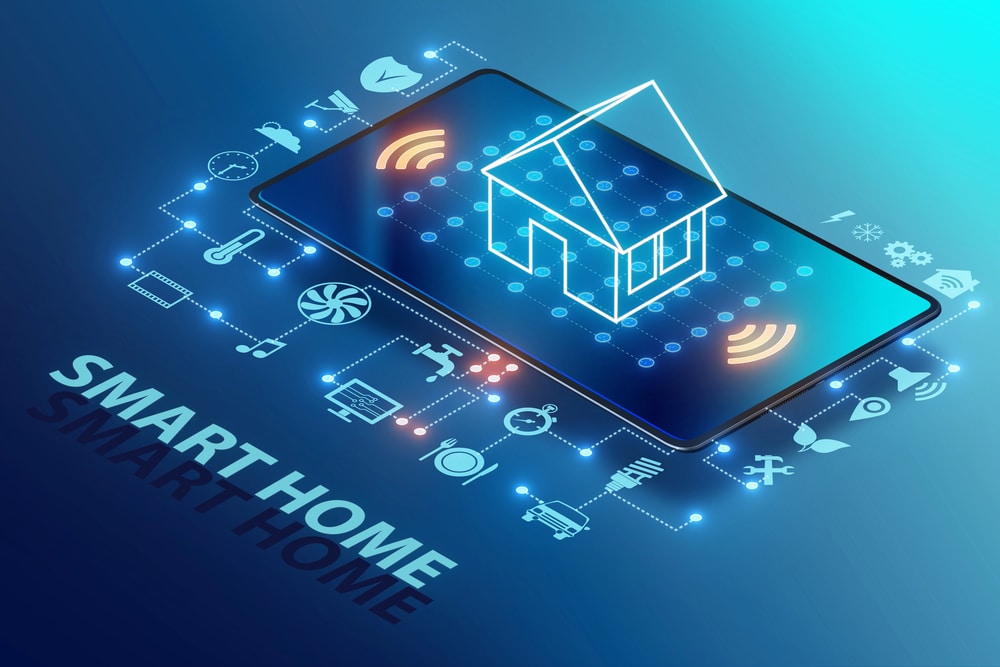
Understanding the distinction between home security vs home protection is crucial for anyone looking to safeguard their property and loved ones. While these terms are often used interchangeably, they refer to different approaches and technologies designed to keep your home safe. Knowing how they differ can help you make informed decisions about the best solutions for your unique needs, budget, and lifestyle.
In this article, we’ll break down the core differences between these two concepts, explore the components of each, and provide practical advice for choosing the right combination for your household. We’ll also highlight the latest trends and technologies, and link to additional resources for those who want to dive deeper into advanced solutions.
For readers interested in the evolution of these systems, our guide on next-generation home security systems explores features and innovations that are shaping the future of residential safety.
Defining Home Security and Home Protection
To make the right choice for your household, it’s important to clarify what each term means:
- Home security refers to systems and devices designed to detect, deter, and respond to unauthorized entry or criminal activity. This typically includes alarms, surveillance cameras, motion sensors, and smart locks.
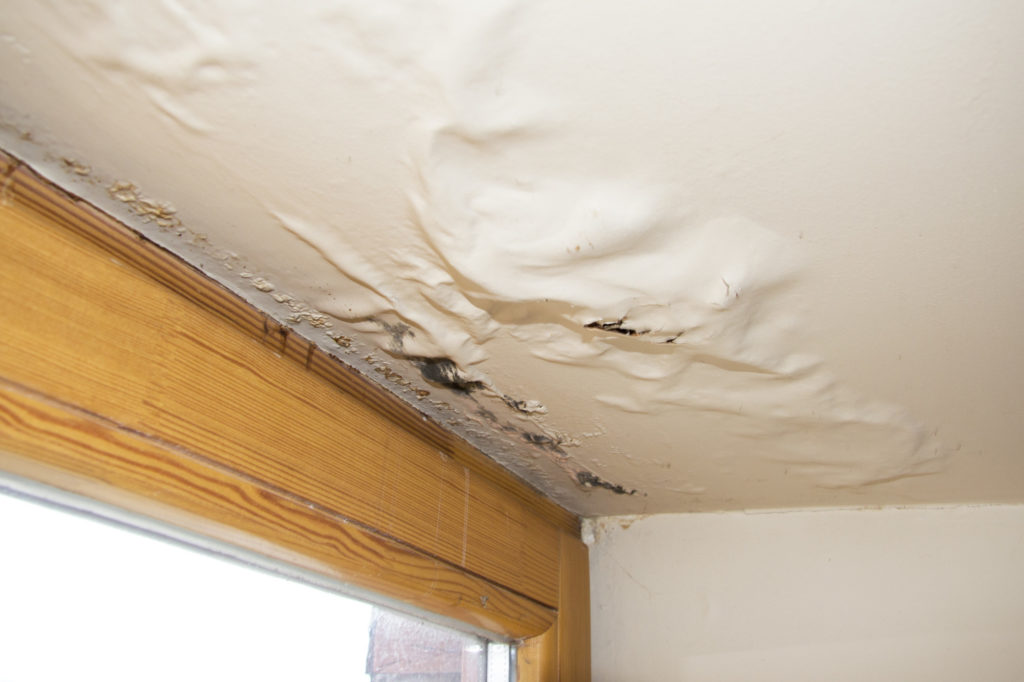
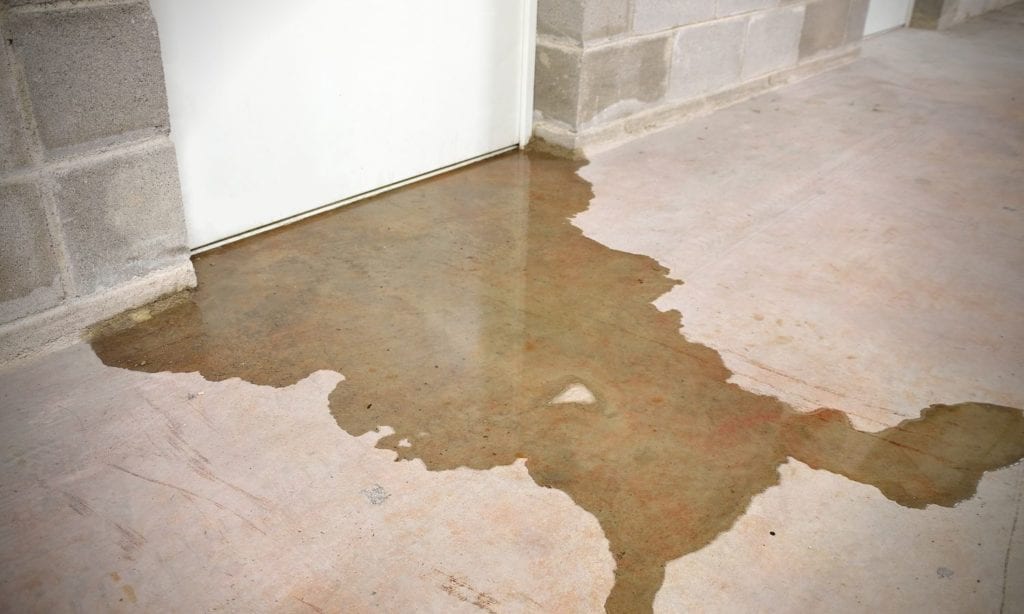
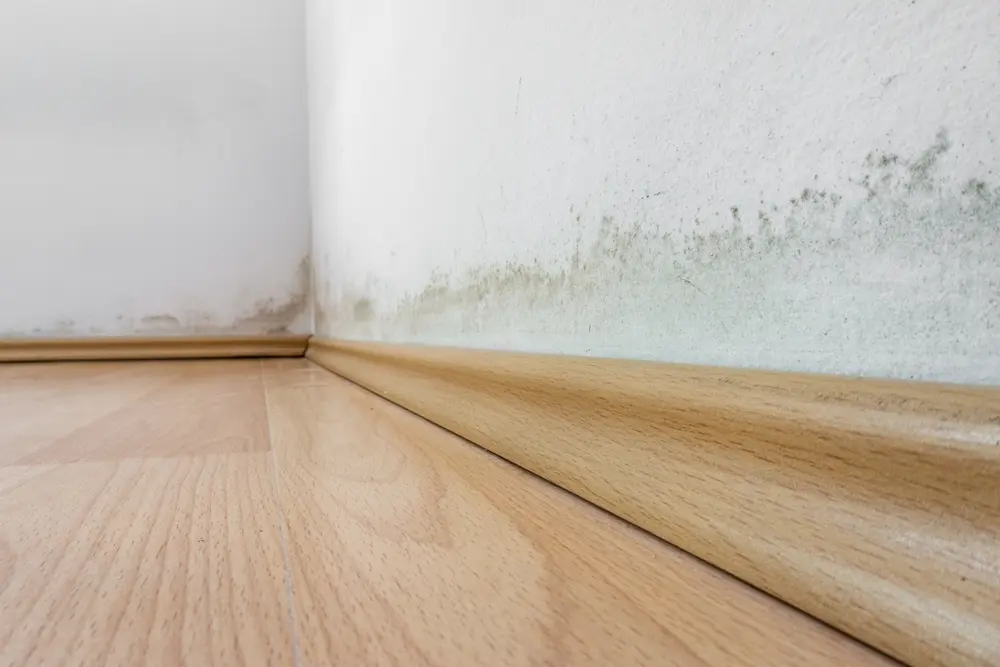
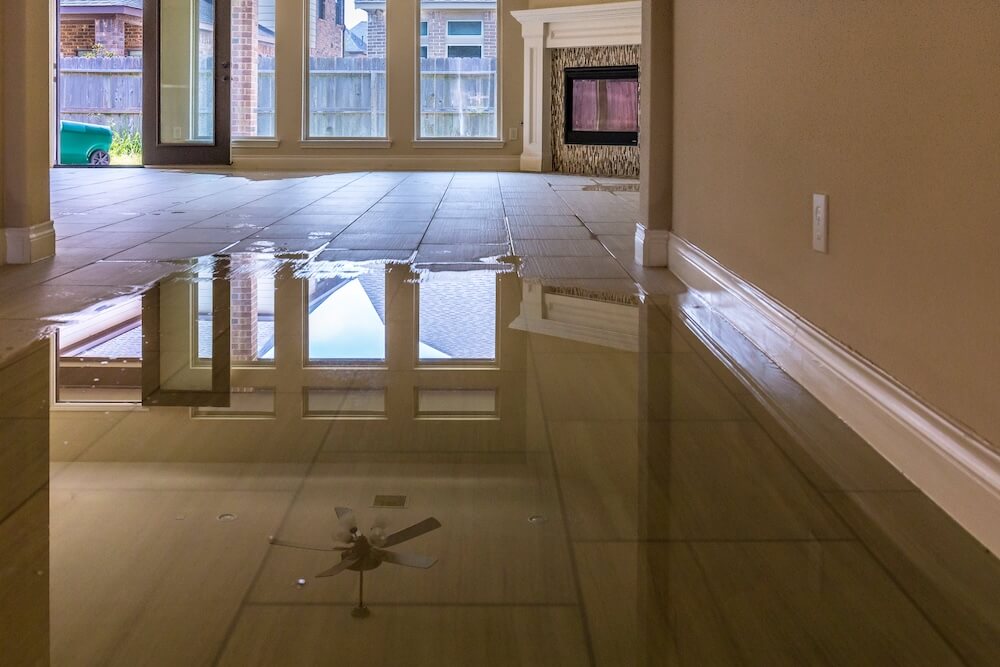
- Home protection is a broader concept that encompasses not only security against intruders but also safeguards against environmental hazards and accidents. This can include smoke detectors, carbon monoxide monitors, flood sensors, and energy monitoring devices.
While both aim to keep your home safe, their focus and methods differ. Security is about preventing crime, while protection covers a wider range of risks, including fire, gas leaks, and electrical faults.
Core Components of Modern Home Security Systems
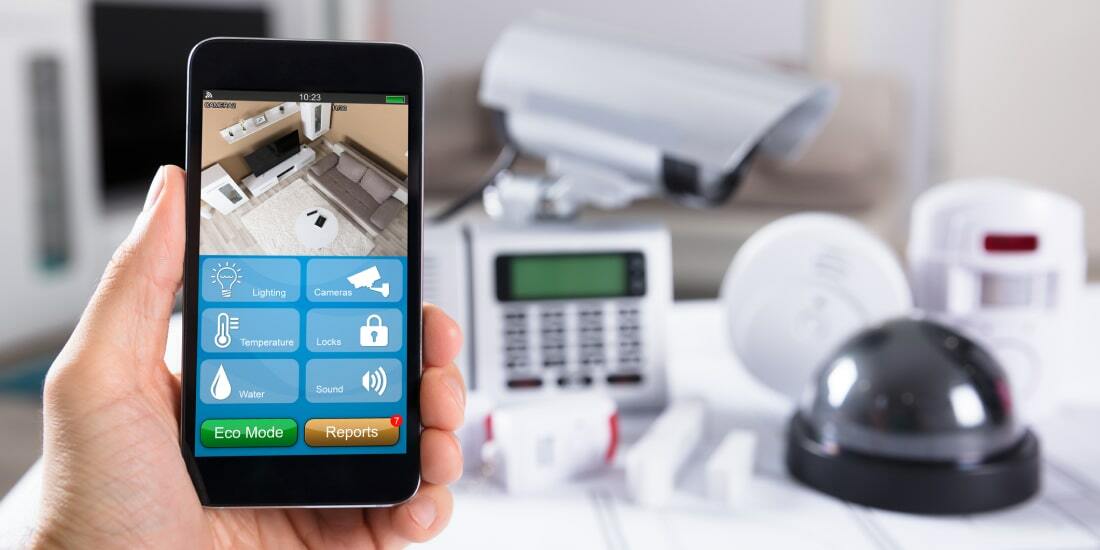
Today’s home security solutions are more advanced than ever, offering a range of features that work together to create a comprehensive safety net. Some of the most common components include:
- Alarm systems that trigger sirens and notifications when unauthorized access is detected.
- Video surveillance with live streaming and cloud storage for evidence and monitoring.
- Smart locks and access control systems that allow remote locking and unlocking.
- Motion and entry sensors for doors, windows, and key areas of the home.
These technologies are designed to alert homeowners and authorities quickly, minimizing the risk of loss or harm. For a closer look at the latest advancements, see our article on next-generation home security systems.
What Sets Home Protection Apart?
While security systems focus on intrusions, home protection takes a more holistic approach. It includes technologies and strategies to guard against a variety of threats, such as:
- Fire and smoke detection to alert residents and emergency services early.
- Carbon monoxide monitoring systems to prevent poisoning from invisible gases. Learn more about these crucial devices in our guide to carbon monoxide monitoring systems.
- Flood and leak sensors that help prevent water damage from plumbing failures or natural disasters.
- Energy system protection at home to detect electrical faults and prevent fires. For more on this, see our article on energy system protection at home.
Home protection is about creating layers of defense that address both human and environmental risks, giving you peace of mind beyond just burglary prevention.
Comparing Approaches: Home Security vs Home Protection
When weighing home security vs home protection, consider the following differences:
| Aspect | Home Security | Home Protection |
|---|---|---|
| Primary Focus | Intrusion, theft, vandalism | All hazards (fire, gas, water, electrical, intrusion) |
| Key Devices | Alarms, cameras, smart locks | Smoke/CO detectors, leak sensors, energy monitors |
| Response | Alerts, sirens, police notification | Emergency services, automated shutoff, alerts |
| Scope | Criminal activity | Criminal and environmental threats |
Both approaches are important, but your priorities may influence which systems you invest in first.
Choosing the Right Solution for Your Home
The best approach is often a combination of both security and protection technologies. Here are some tips for building a comprehensive safety strategy:
- Assess your home’s unique risks—location, age, and layout can all play a role.
- Start with the essentials: a reliable alarm system and smoke/CO detectors.
- Add environmental sensors for water, gas, and electrical safety.
- Consider smart home integration for real-time alerts and remote control.
- Review and update your systems regularly as new threats and technologies emerge.
For those interested in future trends, our article on the future of home protection technology highlights innovations that are transforming how we keep our homes safe.
Integrating Advanced Protection for Complete Peace of Mind
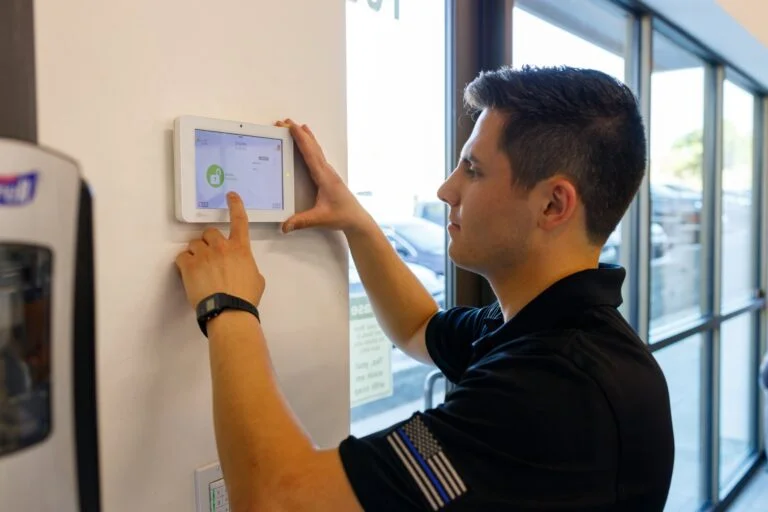
Modern homes benefit from integrating both security and protection systems. Smart hubs and apps allow you to monitor all aspects of your home’s safety from your phone or computer. Some systems can even automate responses, such as shutting off water in case of a leak or alerting emergency services automatically.
Proactive planning is essential. As highlighted in this guide to proactive protection, anticipating risks and layering your defenses can make all the difference in an emergency.
For those seeking the highest level of protection, consider adding features like safe rooms. Our resource on safe room planning at home explains how to create a secure space for your family in case of extreme threats.
FAQ: Common Questions About Home Security and Protection
What is the main difference between home security and home protection?
Home security focuses on preventing and responding to criminal activity, such as break-ins or vandalism, using alarms, cameras, and access controls. Home protection is a broader concept that also includes safeguards against environmental hazards like fire, carbon monoxide, flooding, and electrical faults.
Do I need both security and protection systems for my home?
Yes, combining both types of systems offers the most comprehensive safety. Security systems deter and detect intruders, while protection devices alert you to non-criminal threats. Together, they help prevent loss, injury, and property damage from a wide range of risks.
How can I upgrade my home’s safety with the latest technology?
Start by assessing your current systems and identifying gaps. Upgrade to smart devices that integrate with your phone or home automation hub. Look for solutions that offer real-time alerts, remote monitoring, and automated responses. For inspiration, see our coverage of next-generation home security systems and the future of home protection technology.
Are there affordable ways to improve home protection?
Yes, many basic devices like smoke detectors, carbon monoxide alarms, and water leak sensors are affordable and easy to install. Prioritize these essentials before investing in more advanced systems. Over time, you can add smart features and expand your setup as your needs and budget allow.
By understanding the nuances between home security vs home protection, you can make smarter choices to keep your property and loved ones safe—now and in the future.