The way we care for our homes is evolving rapidly. With the rise of smart technology, homeowners can now monitor the structural integrity of their properties in real time. Home structural health monitoring leverages advanced sensors and connected devices to detect early signs of issues like foundation movement, water intrusion, or unusual vibrations. This proactive approach helps prevent costly repairs and ensures a safer living environment.
Understanding the benefits and options available for monitoring your home’s structure is essential for anyone interested in modern property care. Integrating these systems with other smart home solutions can further enhance safety, efficiency, and peace of mind. For those looking to stay ahead of the curve, exploring the future of home protection technology provides valuable insights into what’s next in residential innovation.
What Is Home Structural Health Monitoring?
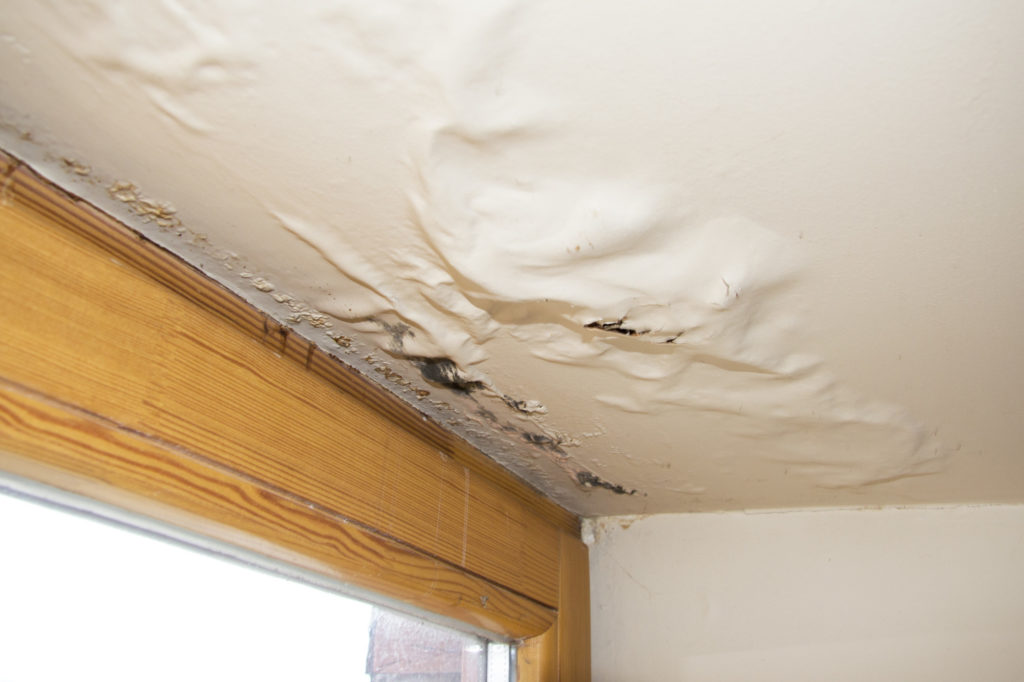
Structural health monitoring for homes involves the use of smart sensors and digital platforms to continuously track the physical condition of a property. These systems can detect subtle changes in the building’s structure, such as cracks, shifts, or moisture accumulation, and send alerts to homeowners or property managers.
Key components of these setups include:
- Vibration sensors to identify abnormal movement or settling.
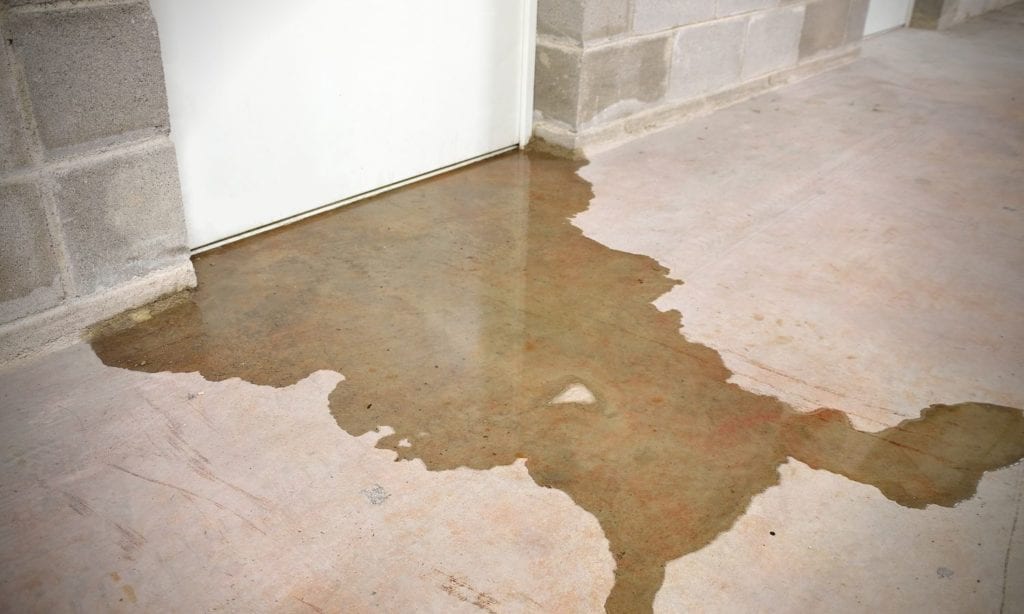
- Moisture and leak detectors to catch water intrusion early.
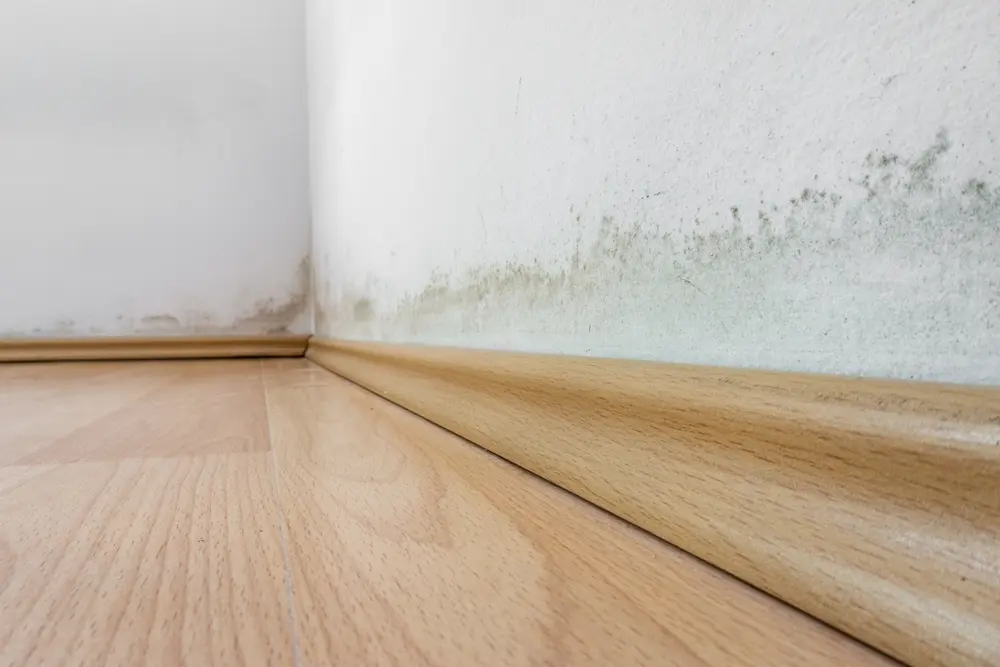
- Temperature and humidity monitors for environmental tracking.
- Wireless connectivity for real-time notifications and remote access.
By integrating these elements, homeowners gain a comprehensive view of their property’s health, allowing for timely maintenance and repair decisions.
Why Smart Monitoring Matters for Homeowners
Traditional property inspections are valuable but often reactive, catching issues only after they’ve become visible or severe. In contrast, smart home monitoring systems offer several advantages:
- Early detection: Identify problems before they escalate, saving money on repairs.
- Continuous protection: 24/7 monitoring ensures nothing is missed between annual inspections.
- Remote access: Receive alerts and check your home’s status from anywhere via smartphone apps.
- Integration: Combine with other smart home features for a unified safety and maintenance solution.
For those interested in broader smart home benefits, exploring smart homeowner solutions can reveal additional ways to simplify daily living and property management.
Key Technologies Behind Modern Structural Monitoring
The backbone of home structural health monitoring is a combination of hardware and software that work seamlessly together. Here are some of the most important technologies:
- IoT Sensors: Small, wireless devices that measure movement, stress, and environmental factors in real time.
- Cloud Platforms: Data from sensors is sent to secure cloud servers, where it is analyzed and visualized for users.
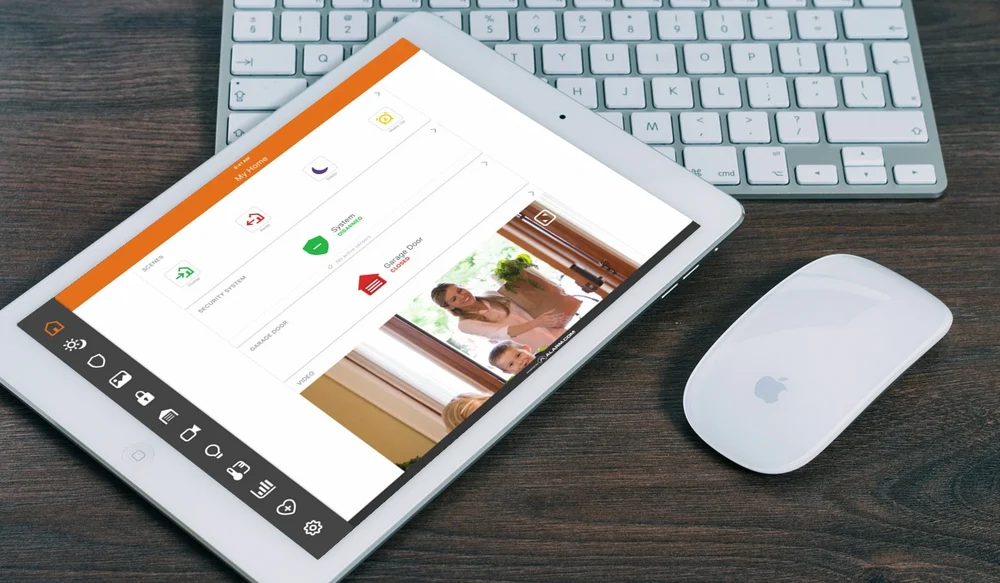
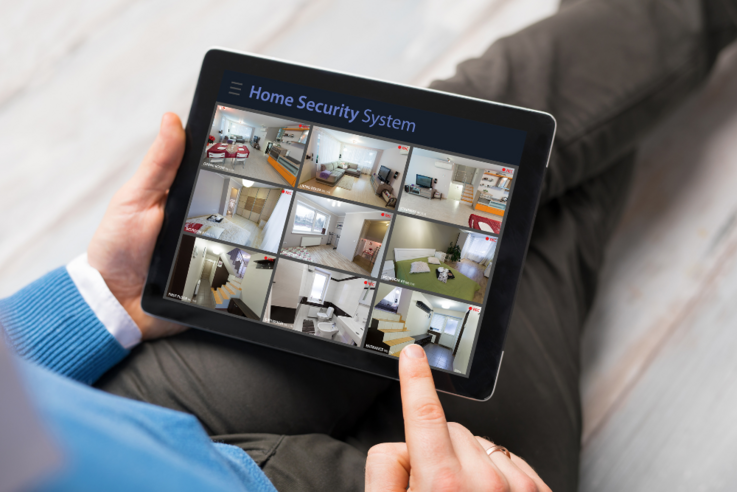
- Mobile Apps: Homeowners can access dashboards, receive alerts, and view historical trends from their phones or tablets.
- AI and Machine Learning: Advanced systems can learn normal patterns for a home and flag unusual activity, reducing false alarms.
These technologies are designed to be user-friendly and scalable, making them suitable for both new builds and retrofits in older homes.
How to Implement a Monitoring System at Home
Getting started with a structural health monitoring setup doesn’t have to be complicated. Here’s a step-by-step approach:
- Assess your needs: Identify areas of concern, such as basements, crawl spaces, or attics, where issues are most likely to develop.
- Choose compatible devices: Select sensors and hubs that work with your existing smart home ecosystem.
- Install strategically: Place sensors in locations prone to movement, moisture, or temperature changes.
- Set up alerts: Configure your system to notify you of unusual readings or potential hazards.
- Review data regularly: Use your app or dashboard to monitor trends and schedule maintenance as needed.
For a more automated approach to upkeep, consider integrating home maintenance automation tools to streamline routine tasks and inspections.
Integrating Structural Monitoring With Other Smart Home Systems
One of the biggest advantages of modern property care is the ability to connect different systems for a holistic approach. By linking your structural monitoring devices with security, energy management, and environmental controls, you can create a safer and more efficient home.
Some integration ideas include:
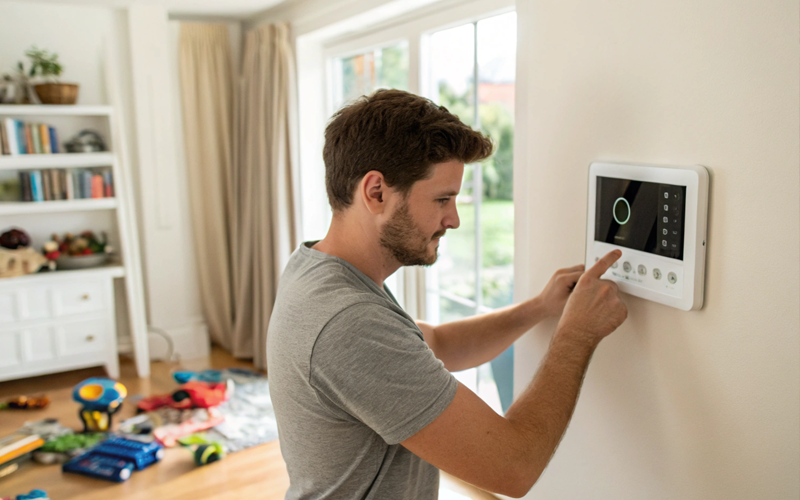
- Pairing vibration sensors with security alarms for enhanced intrusion detection.
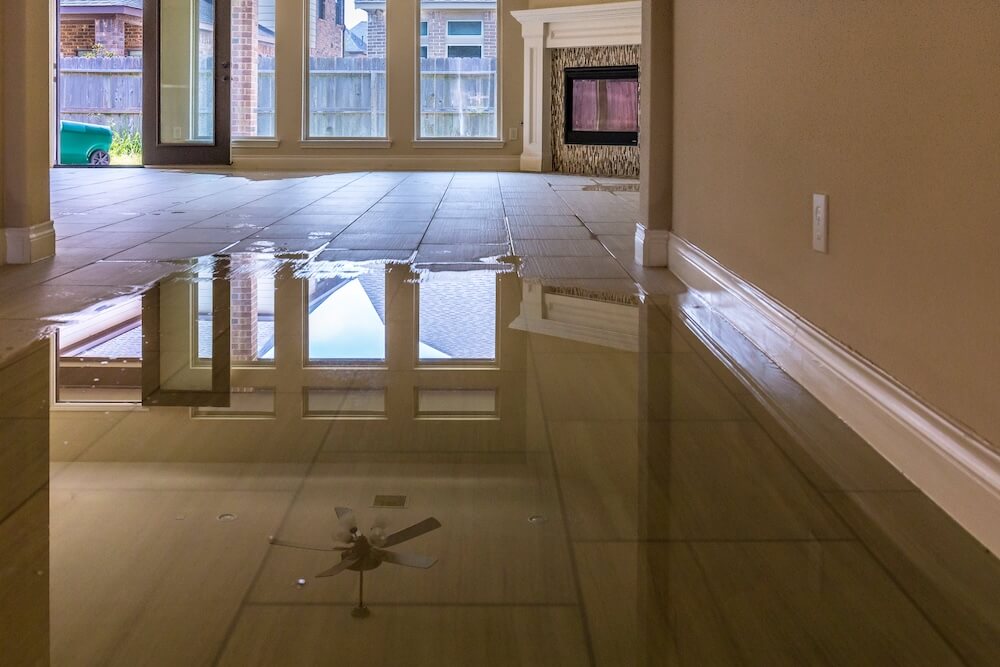
- Connecting moisture sensors to smart water shutoff valves to prevent flooding.
- Using environmental data to optimize HVAC settings and improve indoor air quality.
For a deeper dive into the latest features, check out the next-generation home security systems that are shaping the market.
Maintenance, Alerts, and Preventive Action
A key benefit of real-time monitoring is the ability to act quickly when something goes wrong. Most systems allow you to set custom thresholds for alerts, so you’re notified only when necessary. This helps avoid alarm fatigue and ensures you can focus on genuine issues.
Preventive maintenance is also easier with continuous data. For example, if a sensor detects gradual foundation settling, you can schedule a professional inspection before cracks appear. If moisture levels spike, you can address leaks before they cause mold or structural damage.
For more on safeguarding your property, see this guide on critical steps to protect your home from fire damage.
Privacy, Security, and Data Considerations
While smart monitoring offers many benefits, it’s important to consider privacy and data security. Choose reputable brands that use encrypted communications and offer clear privacy policies. Regularly update device firmware and use strong passwords for all connected accounts.
If you’re interested in keeping your living space healthy as well as safe, explore home hygiene protection systems for ideas on maintaining a germ-free environment alongside structural monitoring.
FAQ: Home Structural Health Monitoring
How does structural monitoring differ from traditional home inspections?
Traditional inspections are periodic and rely on visual assessments, while smart monitoring uses sensors to provide continuous, real-time data on your home’s condition. This allows for earlier detection of issues and more proactive maintenance.
What types of problems can these systems detect?
Modern monitoring solutions can identify foundation movement, cracks, water leaks, excessive humidity, and abnormal vibrations. Some advanced setups may also detect temperature fluctuations and energy usage anomalies.
Are these systems suitable for older homes?
Yes, many wireless sensors are designed for easy installation in both new and existing properties. Retrofitting is often straightforward, and the benefits of early issue detection can be even greater in older structures.
Can I integrate structural monitoring with other smart home devices?
Absolutely. Most platforms support integration with security systems, energy monitors, and automation tools, allowing you to create a unified smart home ecosystem tailored to your needs.