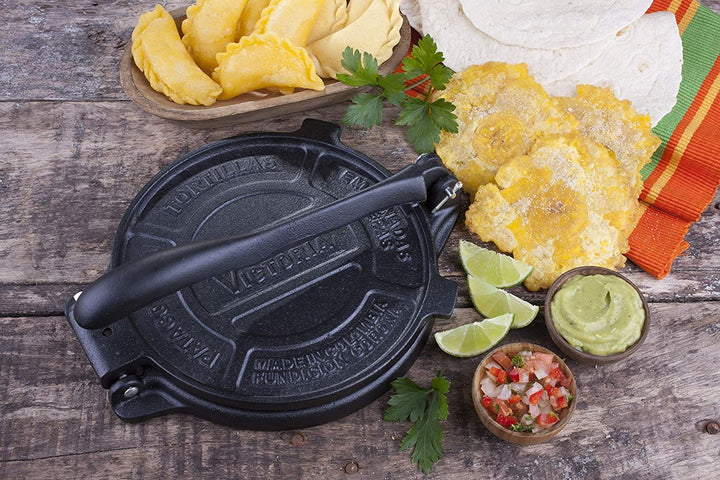
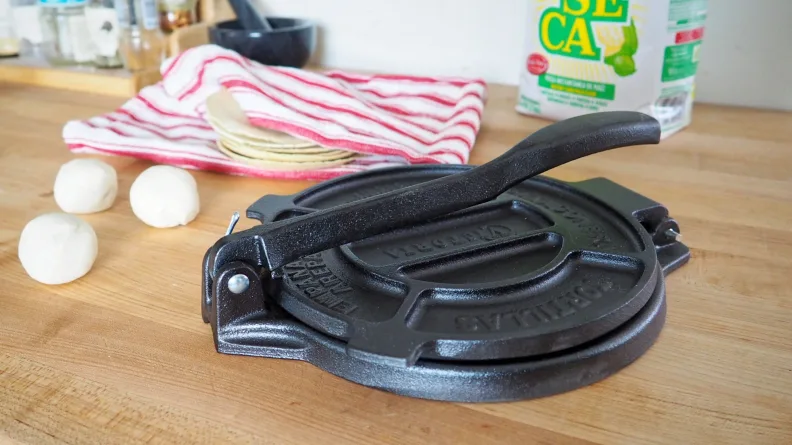
Maintaining cast iron cookware is essential for its longevity and performance, especially when it comes to removing flour residue after baking or cooking. Flour can cling to the surface, creating a stubborn, powdery layer that’s tricky to remove without water. Using the right dry cleaning techniques ensures your cast iron stays seasoned, rust-free, and ready for your next culinary project. In this guide, you’ll learn practical, effective methods for tackling flour buildup while protecting your cookware’s finish.
Whether you’re making tortillas, baking bread, or using a press for pastry dough, knowing how to clean flour residue from cast iron will help you avoid sticky messes and preserve your pan’s nonstick qualities. If you’re interested in related topics, check out our article on how to press tortillas for gorditas de azucar for more dough-handling tips.
Why Flour Residue Is a Problem for Cast Iron
Flour is a common ingredient in many recipes that use cast iron pans and presses. When flour is exposed to heat, it can bake onto the surface, leaving behind a thin, white film. Over time, this buildup can:
- Interfere with the seasoning layer, making food stick
- Attract moisture, which increases the risk of rust
- Alter the flavor of future dishes
Unlike sticky or oily residues, flour is best removed without water, especially if you want to preserve the seasoning and avoid rust. That’s why dry cleaning methods are preferred for this specific challenge.
Essential Tools for Dry Cleaning Cast Iron
Before you start, gather a few simple tools to make the process efficient:
- Stiff-bristled brush: Nylon or natural fiber brushes work well for loosening dry flour.
- Plastic or wooden scraper: These help lift stubborn bits without scratching the surface.
- Lint-free cloth or paper towels: For wiping away loosened residue.
- Coarse salt (optional): Acts as a gentle abrasive for tough spots.
Having these items on hand will make it easier to keep your cookware in top shape after each use.
Step-by-Step: Removing Flour Residue Without Water
Follow these steps to effectively clean flour from your cast iron pan or press:
- Let the pan cool: Allow your cookware to reach room temperature before cleaning. This prevents burns and protects the seasoning.
- Brush off loose flour: Use a dry, stiff-bristled brush to sweep away as much residue as possible. Pay special attention to corners and edges where flour can collect.
- Scrape stubborn bits: For any flour that’s stuck, gently use a plastic or wooden scraper. Avoid metal tools, which can damage the seasoning.
- Use salt for extra cleaning: If residue remains, sprinkle a tablespoon of coarse salt onto the surface. Rub it in using a folded cloth or paper towel, then brush or wipe away the salt and loosened flour.
- Wipe thoroughly: Finish by wiping the pan with a clean, dry cloth to remove any remaining particles.
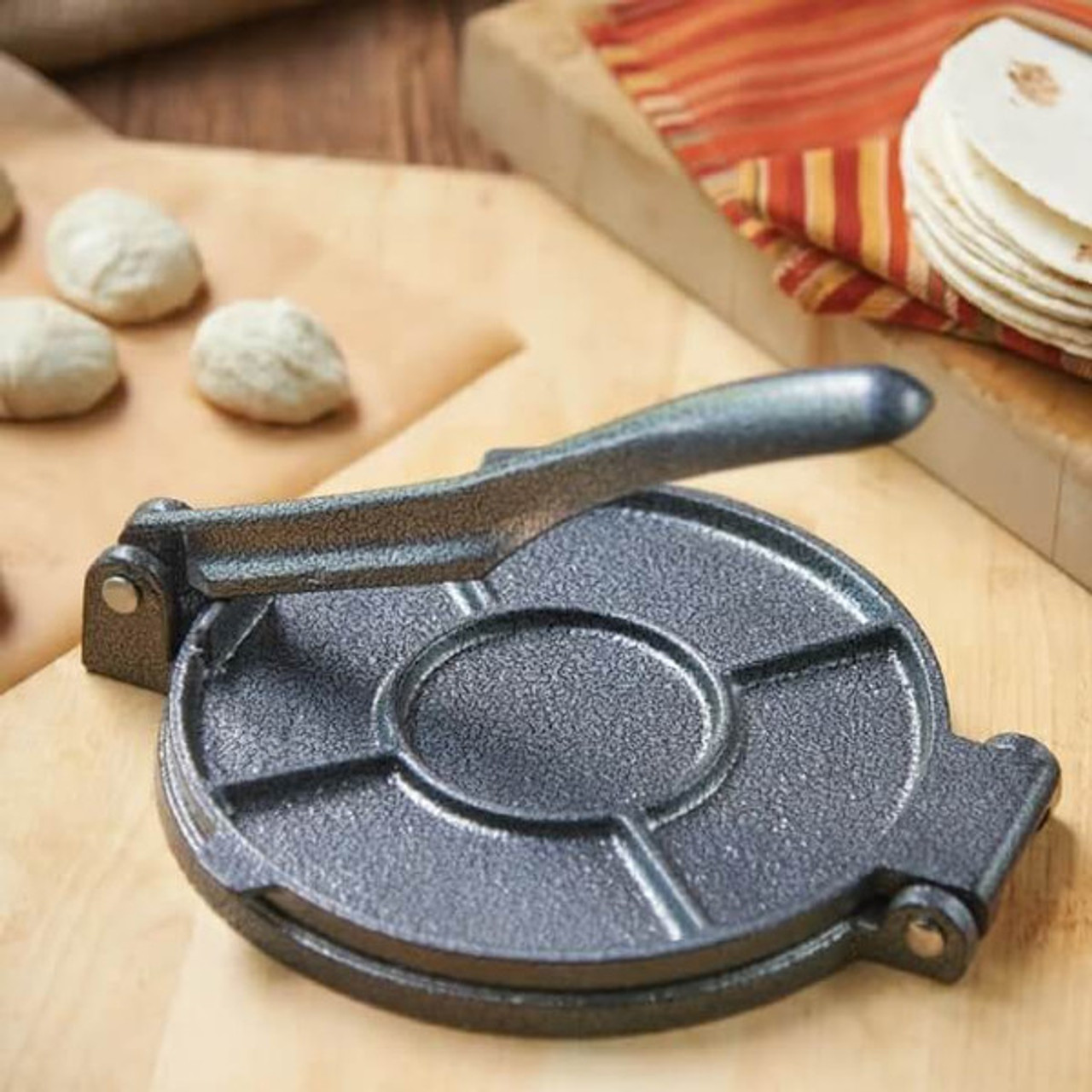
These dry cleaning steps are safe for all types of cast iron, from skillets to tortilla presses. For more on using a press, see our guide on how to use a tortilla press for pastry dough.
Tips for Preventing Flour Buildup on Cast Iron
Prevention is the best way to minimize cleaning time and protect your cookware. Here are some practical tips:
- Use parchment or wax paper: Place a sheet between dough and the pan or press to reduce direct contact.
- Apply a light oil layer: Before working with flour, rub a thin coat of oil onto the surface. This helps prevent sticking and makes residue easier to remove.
- Clean immediately after use: The longer flour sits, the harder it is to remove. Clean your cookware as soon as it cools.
- Store properly: After cleaning, store your cast iron in a dry place. For long-term storage advice, see our article on how to store a cast iron press long term.
When to Use Water or Soap on Cast Iron
While dry cleaning is ideal for flour, there are times when a deeper clean is necessary. If you notice:
- Sticky, baked-on dough that won’t budge with dry methods
- Unpleasant odors or visible mold
- Residue that affects the taste of your food
In these cases, you can use a small amount of warm water and a gentle brush. Dry the pan thoroughly and apply a thin layer of oil to restore the seasoning. Avoid soaking or using harsh detergents, as these can strip the protective layer and lead to rust.
Expert Advice on Cast Iron Maintenance
Seasoned cast iron fans know that regular care is key to a long-lasting, nonstick surface. After removing flour residue, consider these extra steps:
- Re-season as needed: If you notice dull spots or sticking, apply a thin layer of oil and heat your pan to restore the finish.
- Inspect for rust: If you spot any orange or brown patches, scrub gently with salt and oil, then re-season.
- Limit acidic foods: Ingredients like tomatoes can strip seasoning, so use them sparingly in cast iron.
For more in-depth care instructions, visit the Victoria Cookware use and care page for expert guidance on cleaning and maintaining your cookware.
Common Mistakes to Avoid
Even experienced cooks can make errors when caring for cast iron. Here are a few things to avoid:
- Using metal scrubbers: These can scratch and remove seasoning.
- Leaving pans wet: Moisture leads to rust, so always dry thoroughly.
- Over-oiling: Too much oil can create a sticky residue instead of a smooth finish.
- Neglecting regular cleaning: Letting flour and food build up makes cleaning harder and can damage your cookware over time.
FAQ
Can I use water to clean flour off my cast iron pan?
It’s best to avoid water for routine cleaning of flour residue. Dry methods like brushing and scraping protect the seasoning and prevent rust. Use water only if dry cleaning doesn’t remove all residue, and always dry the pan thoroughly afterward.
What if flour residue is baked on and won’t come off?
If dry brushing and scraping aren’t enough, use a small amount of coarse salt as a gentle abrasive. For very stubborn spots, a quick rinse with warm water may be necessary, but be sure to dry and re-oil the pan immediately to maintain its seasoning.
How often should I re-season my cast iron after cleaning flour residue?
If you notice dullness, sticking, or exposed metal after cleaning, it’s a good idea to re-season. For most people, re-seasoning every few months or after heavy use is sufficient. Regular dry cleaning helps preserve the seasoning layer longer.
Is it safe to use a tortilla press for flour-based doughs?
Yes, cast iron tortilla presses are designed for use with flour and other doughs. Just be sure to clean off any flour residue promptly using dry methods to keep the press in good condition. For more on this, see our article on how to use a tortilla press for thin crust.