Every homeowner wants to feel safe and secure, but many threats to your property and family can go unnoticed until they become expensive emergencies. Learning how to identify home risks early is essential for preventing damage, avoiding financial loss, and ensuring peace of mind. By taking a proactive approach, you can spot vulnerabilities and address them before they escalate into major issues.
This article explores practical steps for recognizing hazards in and around your home, from electrical faults and water leaks to security weaknesses and environmental dangers. We’ll also highlight the latest technology and expert strategies to help you stay ahead of potential problems. For those interested in advanced solutions, you can learn more about next-generation home security systems that offer comprehensive protection.
Why Early Detection of Hazards Matters
Many household disasters, such as fires, floods, and break-ins, can be traced back to overlooked warning signs. Taking time to assess your living space for risks not only protects your investment but also safeguards your loved ones. Early detection allows you to:
- Prevent costly repairs and insurance claims
- Reduce the risk of injury or health issues
- Maintain property value and insurability
- Enjoy greater confidence in your home’s safety
Proactive homeowners often avoid the stress and disruption that come with emergency repairs or loss. For a deeper dive into the benefits of prevention, check out this guide to proactive home protection.
Common Areas Where Risks Lurk
Understanding where to look is the first step in minimizing threats. Here are some key areas to inspect regularly:
- Electrical systems: Outdated wiring, overloaded outlets, and faulty appliances can spark fires.
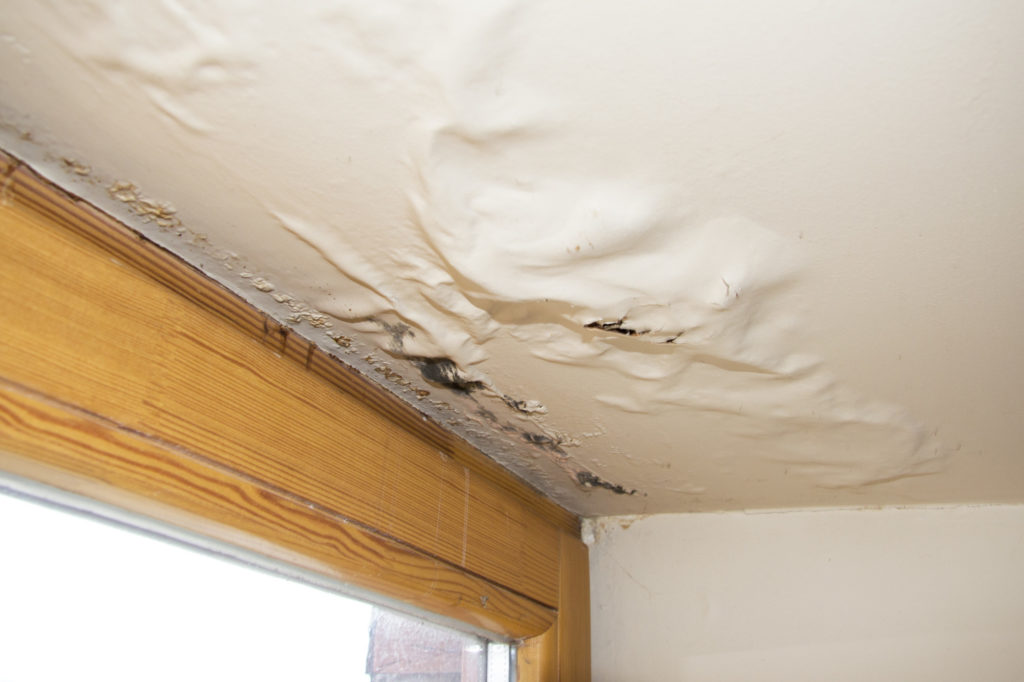
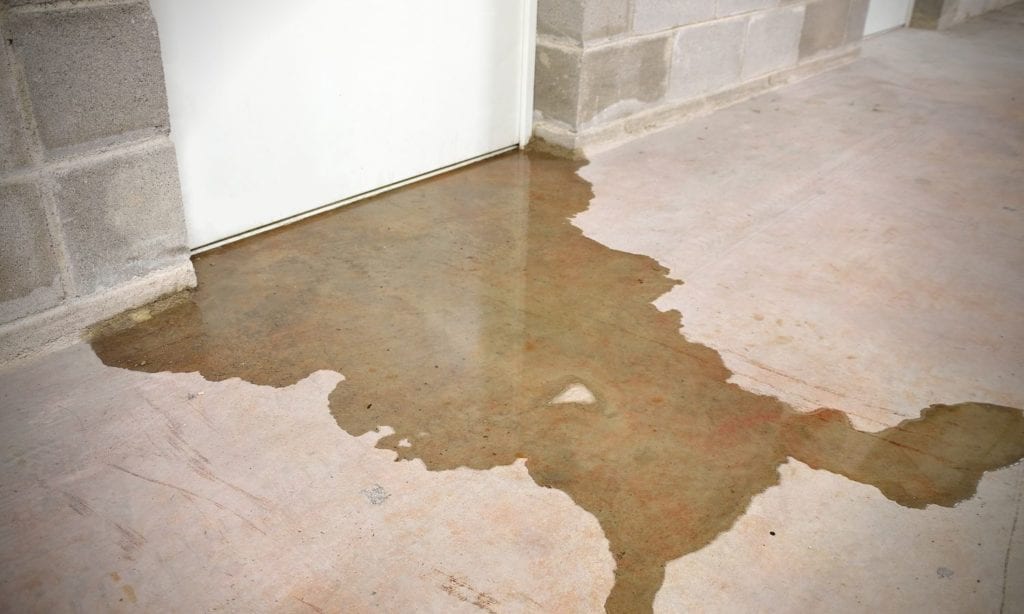
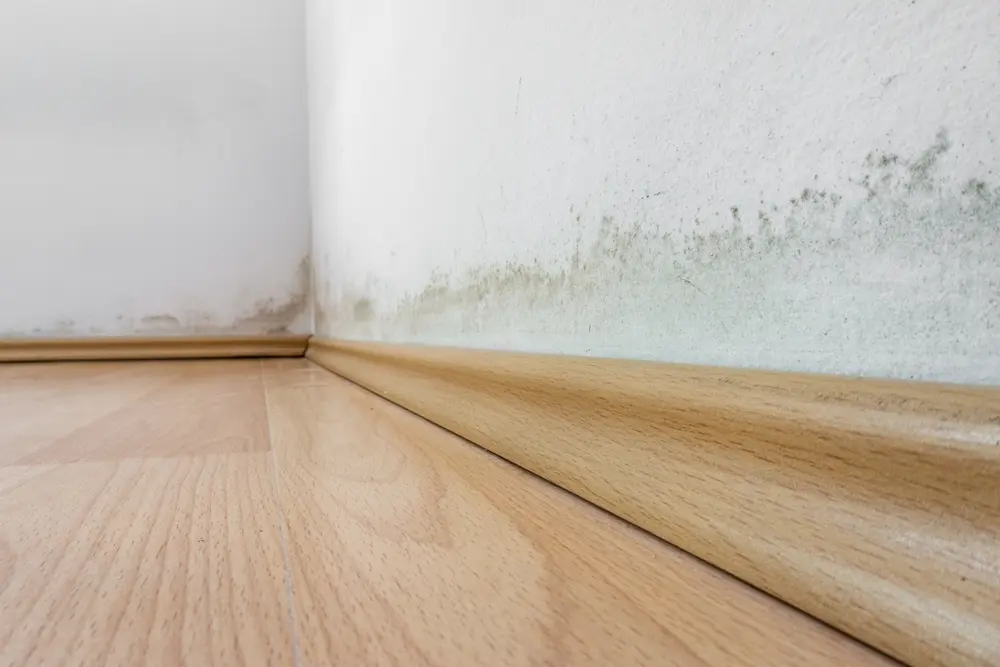
- Plumbing: Leaky pipes, clogged drains, and water heater issues may lead to water damage or mold.
- Security: Weak locks, broken windows, and poor lighting can attract intruders.
- Structural integrity: Cracks in foundations, sagging roofs, and deteriorating siding compromise safety.
- Environmental hazards: Carbon monoxide, radon, and gas leaks are invisible but dangerous.
Regularly walking through your home and checking these areas helps you catch issues before they become emergencies. For more on safeguarding your electrical systems, see our article on energy system protection at home.

How to Identify Home Risks With Technology
Modern tools make it easier than ever to spot and monitor threats. Smart home devices, sensors, and monitoring systems can alert you to trouble before it escalates. Here are some effective solutions:
- Smart security systems: Motion detectors, cameras, and alarms provide real-time alerts for unauthorized entry.
- Leak detectors: Sensors placed near water heaters, sinks, and appliances can notify you of leaks instantly.
- Energy monitors: Track electrical usage and spot irregularities that may indicate faulty wiring or overloaded circuits.
- Environmental sensors: Devices that detect carbon monoxide, smoke, and radon help prevent invisible dangers.
Integrating these technologies into your home not only enhances safety but also adds convenience. For a look at the latest trends, explore our insights on the future of home protection technology.

Practical Steps for Spotting Hazards
While technology is a powerful ally, simple habits and regular inspections remain crucial. Here’s a checklist to help you stay vigilant:
- Conduct seasonal walkthroughs: Inspect your home inside and out at least twice a year, looking for signs of wear, leaks, or damage.
- Test alarms and detectors: Check smoke, carbon monoxide, and security alarms monthly to ensure they function properly. For more on this, see our article on carbon monoxide monitoring systems.
- Monitor utility bills: Sudden spikes in water, gas, or electricity usage may signal hidden problems.
- Review entry points: Make sure doors and windows close securely, and upgrade locks if needed.
- Assess outdoor risks: Trim trees near the house, clear gutters, and check for drainage issues to prevent water intrusion.
- Keep emergency contacts handy: Know who to call for plumbing, electrical, or security emergencies.
Staying organized and attentive helps you catch small issues before they become disasters.
Integrating Risk Assessment Into Daily Life
Making risk identification a routine part of homeownership doesn’t have to be overwhelming. Here are some tips for building good habits:
- Set reminders for regular maintenance tasks on your calendar or phone.
- Involve all household members in safety checks and emergency planning.
- Keep a simple log of repairs, upgrades, and inspections for reference.
- Stay informed about new threats and solutions by reading resources like our guide to safe room planning at home.
By weaving these practices into your routine, you’ll be better prepared to handle unexpected situations and reduce your risk of costly surprises.
FAQ
What are the most common hidden dangers in a typical home?
Some of the most frequently overlooked threats include faulty wiring, slow leaks behind walls, carbon monoxide buildup, and weak entry points. Regular inspections and the use of monitoring devices can help reveal these issues before they cause harm.
How often should I check for risks around my property?
It’s best to perform a thorough check at least twice a year—ideally in spring and fall. Monthly testing of alarms and detectors, as well as ongoing attention to your utility bills and visible signs of damage, will further reduce your risk.
Can smart home technology really prevent disasters?
While no system can guarantee complete safety, smart devices like leak detectors, security alarms, and environmental sensors provide early warnings that let you act quickly. These tools, combined with regular maintenance, offer a strong defense against many common hazards.