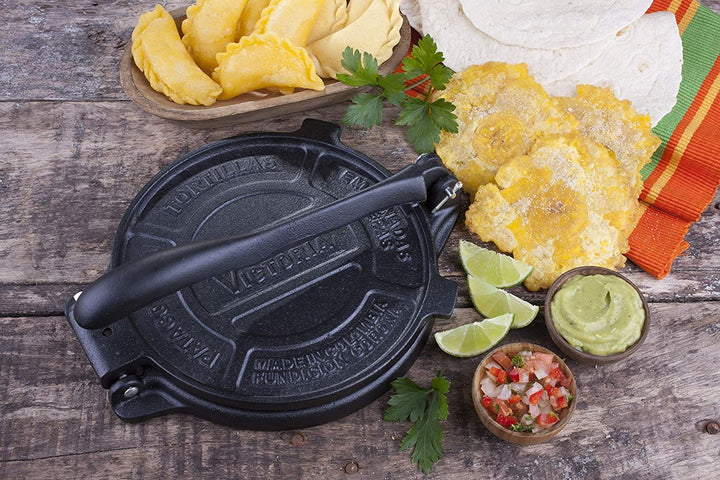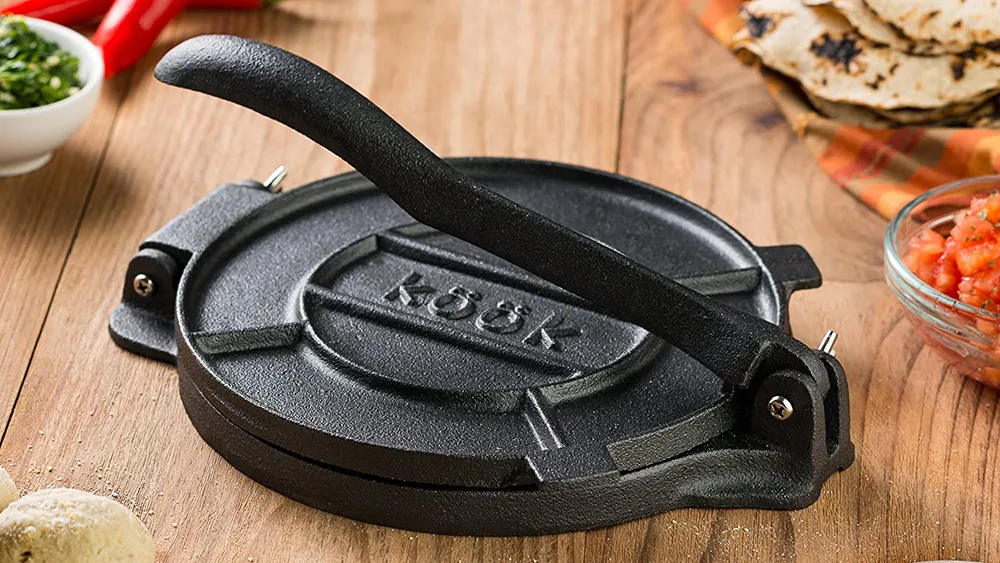
Properly caring for a cast iron press is essential, especially if you live in a humid environment. High humidity can accelerate rust and corrosion, which can quickly damage your press and affect its performance. Whether you use your press for tortillas, pastry dough, or other culinary creations, understanding the right storage techniques will help you maintain its longevity and functionality.
This guide covers practical steps for protecting your cast iron press from moisture, including cleaning, seasoning, and choosing the best storage locations. By following these recommendations, you can keep your press in excellent condition and ready for use whenever you need it.
For additional tips on using your press for different recipes, you might also find how to press tortillas for gorditas de azucar helpful.
Why Humidity Is a Challenge for Cast Iron
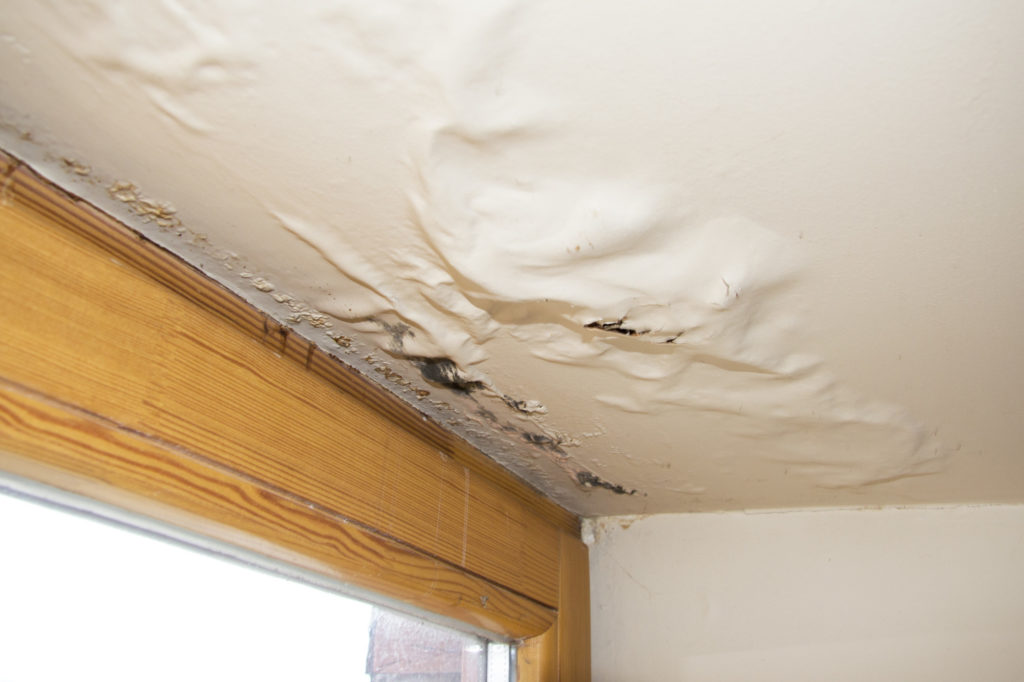
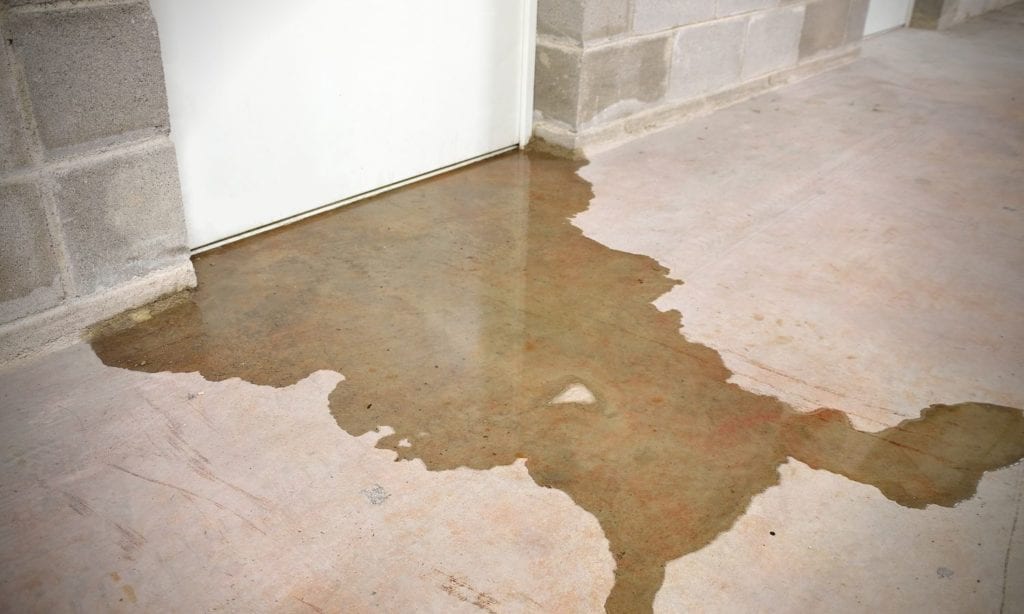
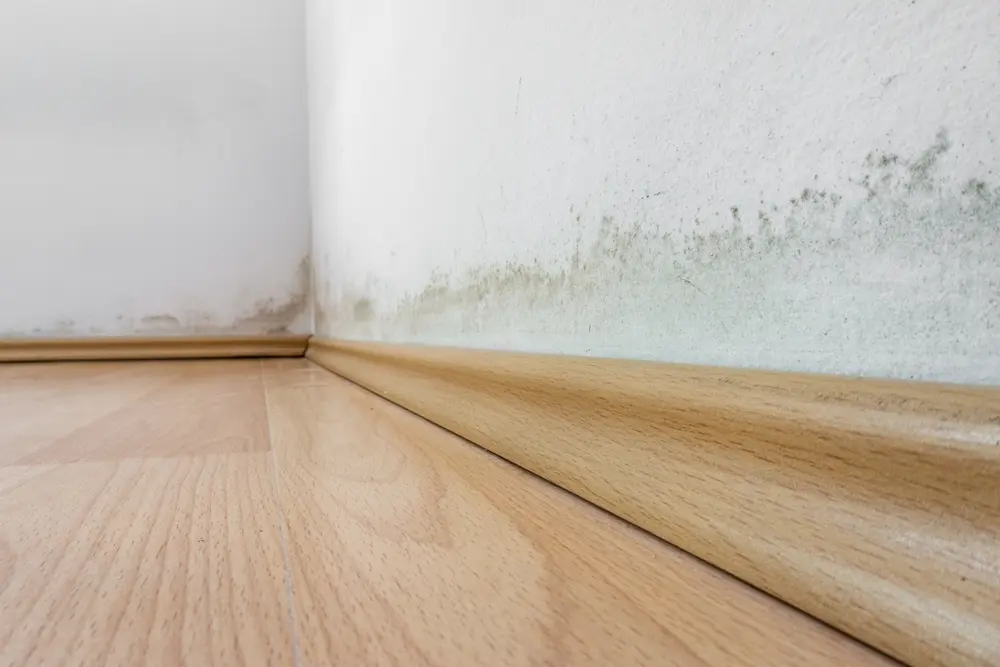
Humidity is the enemy of cast iron. When moisture lingers on the surface, it reacts with the iron to form rust. This process is even faster in coastal regions or during rainy seasons. If left unchecked, rust can pit the surface, degrade the seasoning, and eventually compromise the structural integrity of your press.
Understanding the risks allows you to take proactive steps to prevent damage. The key is to minimize exposure to moisture and create a protective barrier that keeps water and air away from the metal.
Cleaning Your Cast Iron Press Before Storage
Before putting your press away, always make sure it is completely clean. Food residue and oils can attract moisture and bacteria, leading to rust or unpleasant odors. Here are the steps to clean your press effectively:
- Wipe off any food particles using a paper towel or soft cloth.
- If necessary, rinse briefly with hot water. Avoid soaking the press or using soap, as this can strip away the seasoning.
- Dry the press thoroughly with a towel. For extra assurance, place it on a warm burner or in a low oven for a few minutes to evaporate any remaining moisture.
Never store your press while it is still damp. Even a small amount of water can start the rusting process.
Seasoning: The First Line of Defense
Seasoning is the process of applying a thin layer of oil to the surface of your cast iron and heating it until it bonds with the metal. This creates a natural, non-stick coating that also acts as a moisture barrier. In humid climates, maintaining a good seasoning is even more important.
To re-season your press:
- Apply a thin, even layer of a neutral oil (such as flaxseed, canola, or grapeseed) to all surfaces.
- Wipe off any excess oil with a clean cloth.
- Place the press in a preheated oven at 400°F (204°C) for one hour. Allow it to cool in the oven.
Repeat this process every few months or whenever the surface looks dull or patchy. Seasoning not only protects against rust but also improves the press’s performance.
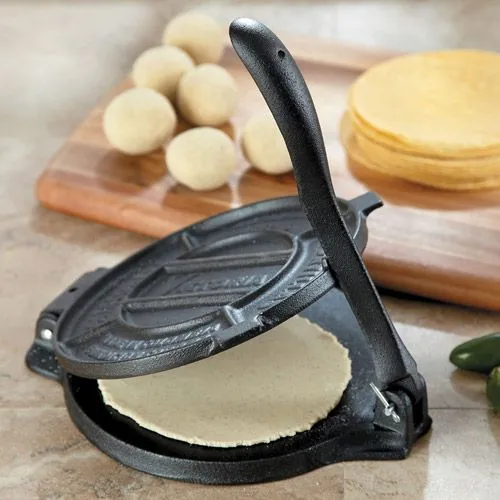
Choosing the Right Storage Location
Where you store your cast iron press can make a significant difference. In humid climates, avoid leaving it in areas that are prone to moisture, such as under the sink, in a damp basement, or near windows. Instead, opt for:
- A dry pantry or kitchen cabinet away from water sources
- Shelves in a climate-controlled room
- An airtight container or plastic storage bin with a tight-fitting lid
If you have limited space, consider using a large zip-top bag or wrapping the press in a clean, dry towel before placing it in a cupboard. For long-term storage, you may want to look at long-term rust protection methods for cast iron presses.
Extra Protection: Silica Gel and Paper Towels
For added peace of mind, use moisture-absorbing materials alongside your press. Silica gel packets are inexpensive and highly effective at pulling humidity out of the air. Place a few packets inside the storage container or next to the press. Alternatively, wrap the press in a paper towel, which will absorb any condensation that might form.
Replace silica gel packets or paper towels every few months to ensure continued effectiveness.

Routine Inspections and Maintenance
Even with the best storage practices, it’s wise to check your press regularly. Every few weeks, inspect it for signs of rust, moisture, or dullness in the seasoning. If you notice any issues, address them right away:
- For light rust, scrub gently with a non-abrasive pad and re-season.
- If the seasoning looks thin, repeat the oiling and baking process.
- Ensure the storage area remains dry and free from leaks or condensation.
Regular maintenance will keep your press in top shape and ready for your next cooking project.
Additional Tips for Humid Environments
Here are a few more strategies to help you safeguard your cast iron press in damp climates:
- Store the press slightly open to allow air circulation, but only if the area is dry.
- Avoid stacking heavy objects on top, which can trap moisture and damage the press.
- Consider using a dedicated cast iron storage bag for extra protection.
- Keep your kitchen well-ventilated to reduce overall humidity.
If you’re interested in using your press for different types of dough, check out our guides on using a tortilla press for pastry dough and preparing dumpling skins with a press.
Common Mistakes to Avoid
Many cast iron owners unintentionally shorten the lifespan of their press by making avoidable mistakes. Here are some pitfalls to watch out for:
- Storing the press while it’s still wet or greasy
- Leaving it in a plastic bag without proper drying, which can trap moisture
- Using harsh detergents or abrasive scrubbers that strip the seasoning
- Neglecting regular inspections and maintenance
By steering clear of these errors, you’ll ensure your press remains reliable for years to come.
Expert Advice and Further Resources
For more in-depth care instructions and maintenance tips, visit this comprehensive guide on tortilla press care and maintenance. Staying informed and proactive is the best way to protect your investment.
FAQ
How often should I re-season my cast iron press in a humid climate?
It’s recommended to re-season your press every two to three months if you live in a humid area, or whenever you notice the surface becoming dull or sticky. Frequent use may require more regular seasoning to maintain optimal protection.
Can I use plastic wrap or aluminum foil for storage?
Plastic wrap and aluminum foil can trap moisture against the surface, which may lead to rust. It’s better to use breathable materials like paper towels or a cloth, combined with silica gel packets, for safe storage.
What should I do if my press starts to rust?
If you spot rust, scrub the affected area gently with a non-abrasive pad, rinse, dry thoroughly, and re-season the press. Addressing rust early prevents it from spreading and keeps your press in good working order.
Is it safe to store my press in the refrigerator?
Storing cast iron in the refrigerator is not recommended. The cold, humid environment can encourage condensation and rust. Always keep your press in a dry, room-temperature location.
Can I use my cast iron press for foods other than tortillas?
Absolutely! Cast iron presses are versatile and can be used for pastry dough, dumpling skins, fry bread, and more. For specific techniques, explore our articles on using a press for fry bread and other doughs.