Modern homes and businesses rely on heating, ventilation, and air conditioning systems for comfort and air quality. But with this convenience comes responsibility—ensuring these systems operate safely and efficiently. HVAC safety monitoring is an essential practice that helps prevent hazards, reduce energy waste, and extend the life of your climate control equipment.
Whether you manage a large facility or simply want to protect your family at home, understanding how to monitor and maintain your HVAC system is crucial. This article explores the importance of safety monitoring, the technologies involved, and practical steps you can take to keep your environment secure and comfortable.
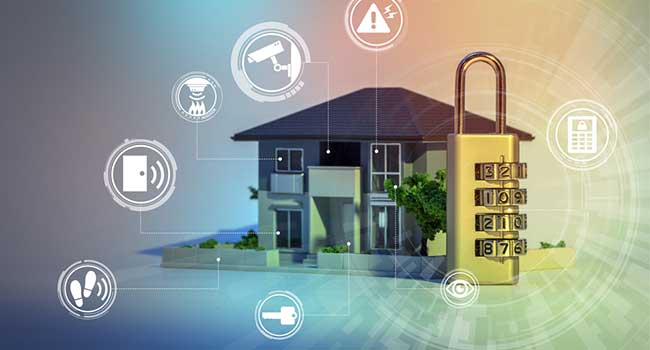
For those interested in a broader approach to home protection, you may want to explore next-generation home security systems that integrate seamlessly with HVAC and other smart technologies.
Why Monitoring Your HVAC System Matters
Heating and cooling equipment is among the most energy-intensive and potentially hazardous appliances in any building. Without proper oversight, issues like gas leaks, electrical faults, or poor ventilation can pose serious risks—including fire, carbon monoxide poisoning, and costly breakdowns. Continuous safety monitoring helps detect these problems early, allowing for timely intervention and peace of mind.
- Fire prevention: Faulty wiring or overheating components can spark fires. Sensors and smart alarms can alert you before minor issues escalate.
- Air quality assurance: Monitoring for carbon monoxide, smoke, and volatile organic compounds helps maintain a healthy indoor environment.
- Energy efficiency: Identifying inefficiencies or malfunctions reduces waste and lowers utility bills.
- Equipment longevity: Early detection of wear and tear prevents major failures and extends system lifespan.
Key Components of HVAC Safety Monitoring
Modern monitoring solutions combine hardware, software, and connectivity to provide real-time insights into your climate control system. Here are some of the most important elements:
- Sensors: Devices that track temperature, humidity, airflow, gas leaks, and electrical current.
- Smart alarms: Integrated smoke and carbon monoxide detectors that communicate with your HVAC system and mobile devices.
- Energy monitors: Tools that analyze power consumption and detect abnormal usage patterns.
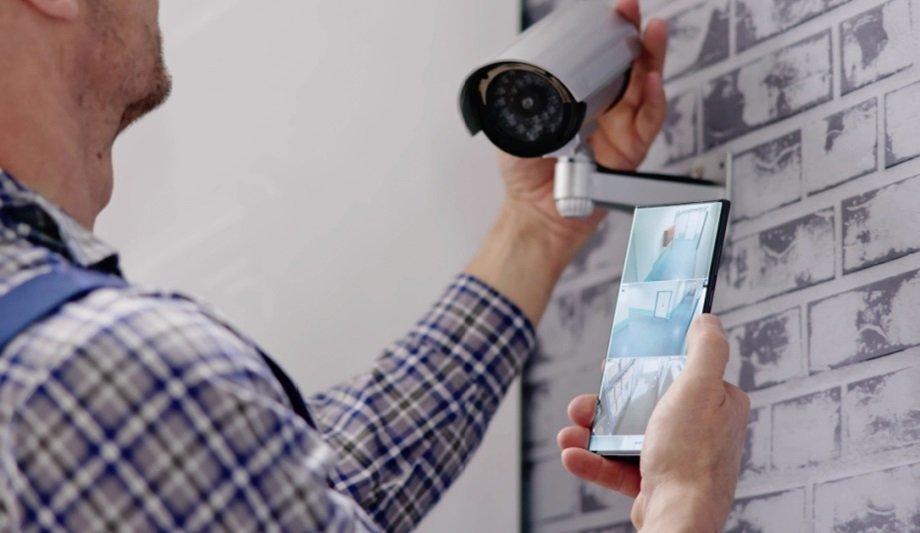
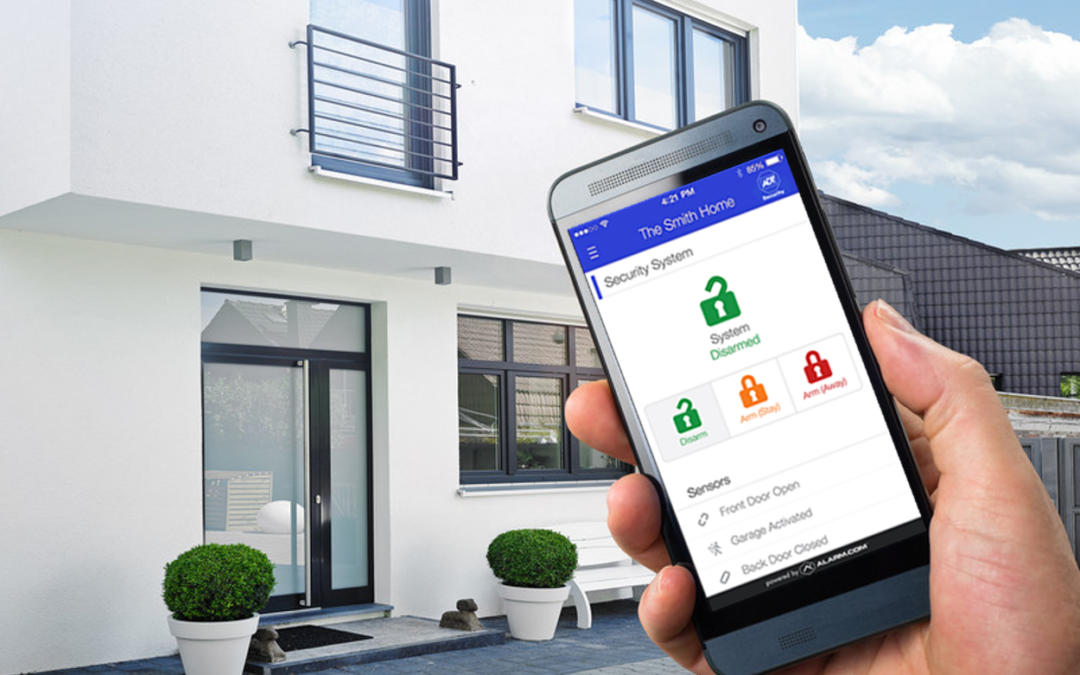
- Remote access: Mobile apps and dashboards that let you check system status and receive alerts from anywhere.
How Smart Technology Enhances Safety
Advancements in smart home technology have made HVAC safety monitoring more accessible and effective than ever. Connected sensors and alarms can now integrate with home automation platforms, providing instant notifications and even automated shutdowns in the event of danger. For example, a smart thermostat can detect abnormal temperature spikes and trigger an alert, while an energy monitor can flag excessive power draw that might indicate a failing component.
Many of these systems can also be linked with smart homeowner solutions for a unified approach to home safety and convenience.
Common Hazards Detected by Monitoring Systems
Effective monitoring setups are designed to catch a variety of issues before they become emergencies. Some of the most common hazards include:
- Carbon monoxide leaks: Often caused by malfunctioning furnaces or blocked vents, these leaks are odorless and deadly without proper detection.
- Electrical faults: Overloaded circuits or damaged wiring can lead to fires if not addressed promptly.
- Gas leaks: Natural gas or propane leaks are highly flammable and require immediate attention.
- Overheating: Blocked filters or failing motors can cause components to overheat, increasing fire risk.
- Poor air circulation: Blocked ducts or broken fans can reduce air quality and strain the system.
For more on preventing fire-related incidents, see this guide on critical steps to protect your home from fire damage.
Choosing the Right Monitoring Tools
When selecting safety monitoring solutions for your HVAC system, consider the following factors:
- Compatibility: Ensure sensors and alarms work with your existing HVAC equipment and smart home platform.
- Coverage: Place detectors in key areas—near furnaces, air handlers, and vents—to maximize protection.
- Notification options: Look for systems that offer mobile alerts, email notifications, or integration with security services.
- Ease of installation: Many modern devices are designed for DIY setup, but professional installation may be necessary for complex systems.
- Maintenance reminders: Choose tools that prompt you to replace batteries, clean sensors, or schedule inspections.
Integrating your HVAC monitoring with home maintenance automation tools can further simplify upkeep and ensure nothing falls through the cracks.
Best Practices for Ongoing Safety
Even the most advanced monitoring tools require regular attention to remain effective. Here are some best practices for maintaining a safe and efficient HVAC system:
- Schedule annual inspections: Have a licensed technician check your system for leaks, corrosion, and electrical issues.
- Test alarms and sensors: Check all detectors monthly and replace batteries as needed.
- Keep vents and filters clean: Blocked airflow can cause overheating and reduce air quality.
- Monitor system performance: Use energy monitors and smart thermostats to track usage and spot anomalies.
- Stay informed: Keep up with the latest future of home protection technology trends for new safety features and integration options.
Integrating Monitoring with Other Home Safety Systems
For a truly comprehensive approach, consider connecting your HVAC monitoring with other home safety and hygiene solutions. For example, pairing air quality sensors with home hygiene protection systems can help maintain a healthy environment year-round. Many smart home hubs allow you to automate responses—such as shutting down the HVAC system if a gas leak is detected or increasing ventilation when air quality drops.
By creating a network of interconnected safety devices, you can respond faster to potential threats and enjoy greater peace of mind.
FAQ
What are the most important sensors for HVAC safety?
The most critical sensors include carbon monoxide detectors, smoke alarms, temperature sensors, and gas leak detectors. These devices provide early warnings for the most common and dangerous HVAC-related hazards.
How often should I test my HVAC safety alarms?
It’s recommended to test all alarms and safety sensors at least once a month. Replace batteries as needed and schedule professional inspections annually to ensure everything is functioning properly.
Can I install HVAC monitoring devices myself?
Many modern sensors and smart alarms are designed for easy DIY installation. However, for complex systems or if you are unsure about wiring and placement, it’s best to consult a licensed professional.
How does HVAC safety monitoring improve energy efficiency?
By tracking system performance and identifying inefficiencies, monitoring tools help you address issues like clogged filters or malfunctioning components. This reduces wasted energy and can lower your utility bills.