
Keeping your home or business free from unwanted pests is a priority for any property owner. Insect prevention monitoring is a proactive approach that helps you detect, manage, and prevent infestations before they become serious problems. By combining modern technology with proven strategies, you can protect your investment, maintain a healthy environment, and avoid costly repairs.
This article explores how monitoring systems work, the benefits they offer, and practical steps for integrating them into your property management routine. For those interested in broader smart home trends, you may also want to read about the future of home protection technology and how it’s shaping property security.
Why Proactive Pest Management Matters
Unnoticed insect activity can lead to structural damage, health risks, and increased maintenance costs. Traditional pest control methods often address problems after they arise, but proactive monitoring allows you to detect early warning signs and respond quickly. This approach is especially valuable in environments where food, wood, or sensitive electronics are present.
Integrating insect prevention monitoring into your routine not only reduces the likelihood of infestations but also supports a cleaner, safer living or working space. Early detection means less reliance on harsh chemicals and more targeted, environmentally friendly interventions.
How Insect Monitoring Systems Work
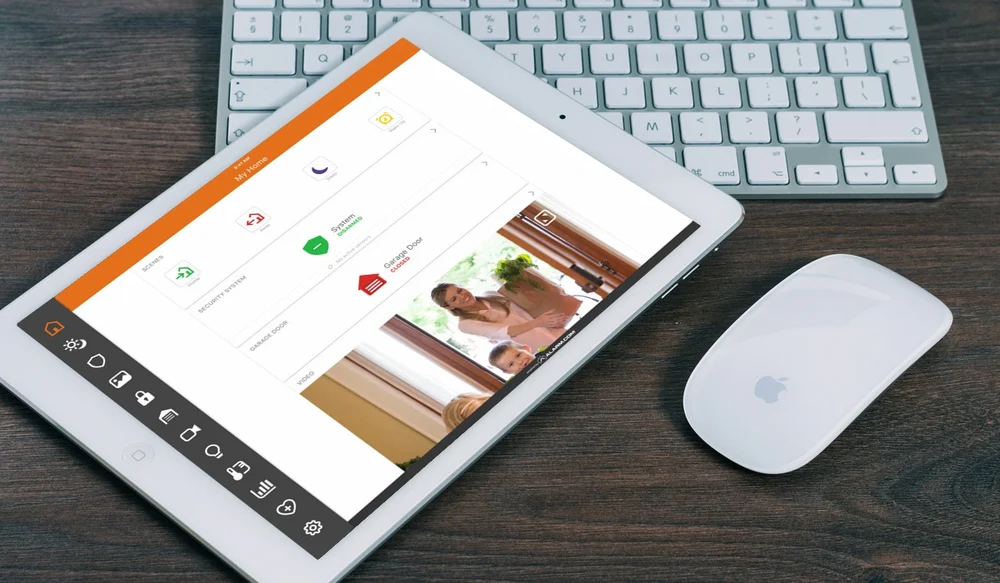
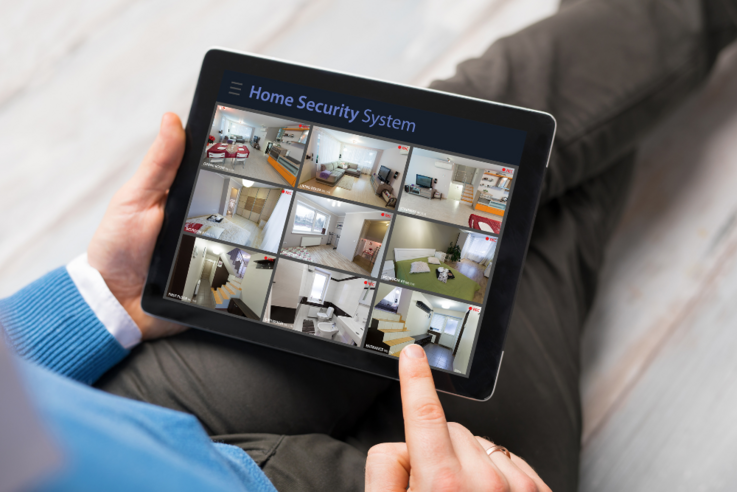
Modern monitoring systems use a combination of sensors, traps, and digital alerts to track pest activity. These tools can be as simple as sticky traps placed in strategic locations or as advanced as wireless devices that send real-time notifications to your phone or computer. Many systems are designed to integrate with next-generation home security systems for seamless property management.
- Sensors: Detect movement, temperature changes, or humidity levels that may indicate insect presence.
- Traps: Capture insects for identification and help determine the severity of an issue.
- Digital Alerts: Notify you immediately if unusual activity is detected, allowing for rapid response.
Some solutions also offer data analytics, helping you identify patterns and adjust your prevention strategies over time.
Key Benefits of Insect Prevention Monitoring
Adopting a monitoring-first approach delivers several advantages:
- Early Detection: Spot issues before they escalate, reducing the risk of widespread infestations.
- Cost Savings: Preventing damage is far less expensive than repairing it after the fact.
- Health Protection: Minimize exposure to allergens, bacteria, and pathogens carried by pests.
- Environmentally Friendly: Targeted interventions mean less reliance on broad-spectrum pesticides.
- Peace of Mind: Continuous monitoring lets you focus on daily life without worrying about hidden threats.
For those interested in maintaining a healthy home environment, consider learning more about home hygiene protection systems as a complementary strategy.
Choosing the Right Monitoring Tools
With a variety of products on the market, selecting the right tools depends on your property’s unique needs. Here are some factors to consider:
- Property Size: Larger spaces may require multiple sensors or a networked system.
- Type of Pests: Some devices are specialized for termites, ants, or flying insects, while others offer broader coverage.
- Integration: Look for solutions that work with your existing security or smart home setup.
- Ease of Use: Choose systems with intuitive interfaces and clear instructions.
Reading product reviews and consulting with pest management professionals can help you make informed decisions.
Integrating Monitoring Into Your Maintenance Routine
Effective pest prevention is not a one-time task but an ongoing process. Here’s how to make monitoring a seamless part of your property care:
- Install Devices Strategically: Place sensors and traps in areas where pests are most likely to enter or hide, such as basements, kitchens, and attics.
- Check Regularly: Review data and inspect traps at least once a month, or more frequently in high-risk seasons.
- Respond Promptly: If you receive an alert or notice increased activity, act quickly to identify and address the source.
- Document Findings: Keep a log of pest sightings and actions taken to help spot trends over time.
- Coordinate With Other Systems: Combine monitoring with proactive property management systems for a holistic approach to home or business care.
Best Practices for Preventing Infestations
While technology plays a crucial role, basic maintenance remains essential. Here are some best practices to reduce the risk of pest problems:
- Seal cracks and gaps around doors, windows, and foundations.
- Keep food stored in airtight containers and clean up spills promptly.
- Eliminate standing water and fix leaks to deter moisture-loving insects.
- Trim vegetation away from the building’s exterior.
- Dispose of garbage regularly and use sealed bins.
Combining these habits with a robust monitoring system creates a strong defense against unwanted guests.
When to Call a Professional
Even with the best monitoring tools, some situations require expert intervention. If you notice signs of a large infestation, structural damage, or persistent pest activity despite your efforts, it’s wise to consult a licensed pest control professional. They can provide targeted treatments and advice on long-term prevention.
For more information on protecting your property from other hazards, see this guide on critical steps to prevent fire damage.
Frequently Asked Questions
What types of insects can monitoring systems detect?
Most systems are designed to identify common household pests such as ants, termites, cockroaches, and flying insects. Some advanced solutions can also detect less common species or provide customizable alerts based on your specific needs.
How often should I check my monitoring devices?
It’s recommended to inspect your devices at least once a month. During peak pest seasons, such as spring and summer, more frequent checks may be necessary to catch problems early.
Can monitoring systems replace professional pest control services?
While monitoring is an effective first line of defense, it does not replace the expertise of a professional. Use these systems to detect and manage minor issues, but seek professional help for severe or recurring infestations.
Are these systems safe for homes with pets and children?
Most modern monitoring devices are designed with safety in mind. However, always follow manufacturer instructions and place traps or sensors out of reach of pets and young children.
Conclusion
Investing in insect prevention monitoring is a smart, cost-effective way to protect your property and maintain a healthy environment. By combining technology with practical maintenance habits, you can minimize risks and enjoy greater peace of mind. Explore the latest solutions and integrate them into your routine for long-term pest control success.




