Keeping your home secure in today’s connected world requires more than just a single alarm or camera. Multi-device home protection systems offer a comprehensive approach, integrating various smart devices to deliver seamless, all-around coverage. These solutions combine sensors, cameras, alarms, and automation tools, ensuring every entry point and vulnerable area is monitored and protected. With the rise of smart technology, homeowners now have access to security setups that are not only robust but also easy to manage from anywhere.
Choosing the right combination of devices and understanding how they work together is essential for effective home security. This guide explores the essentials of modern protection systems, the benefits of integrating multiple devices, and practical tips for selecting and setting up the best options for your needs. For those interested in the latest trends shaping this field, the future of home protection technology provides insight into what’s next for smart home security.
Understanding Integrated Home Security Solutions
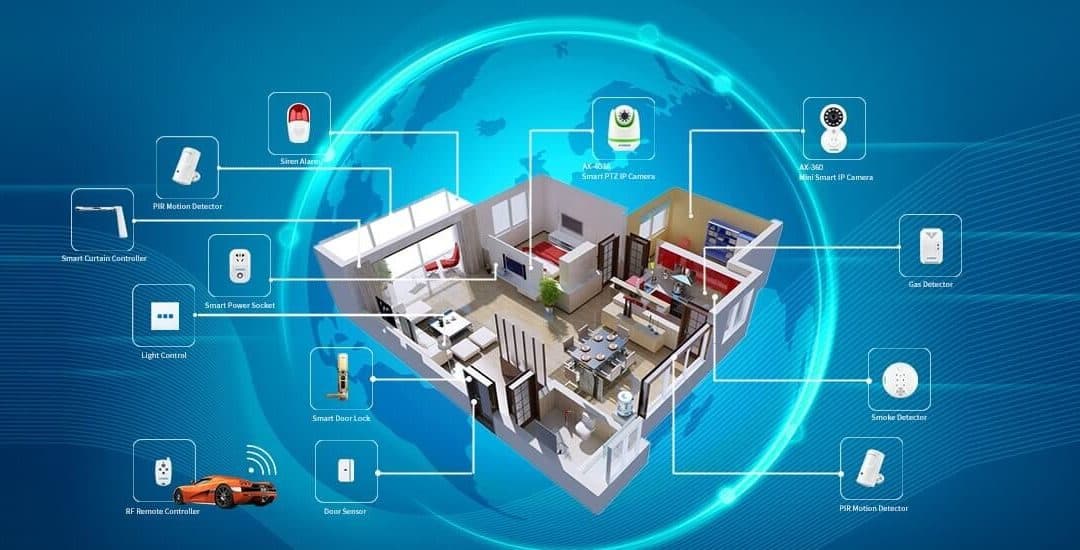
Traditional security systems often relied on a single device, such as a basic alarm or standalone camera. In contrast, today’s multi-device home protection systems bring together a network of interconnected devices. These typically include:
- Smart door and window sensors
- Motion detectors
- Indoor and outdoor cameras
- Smart locks
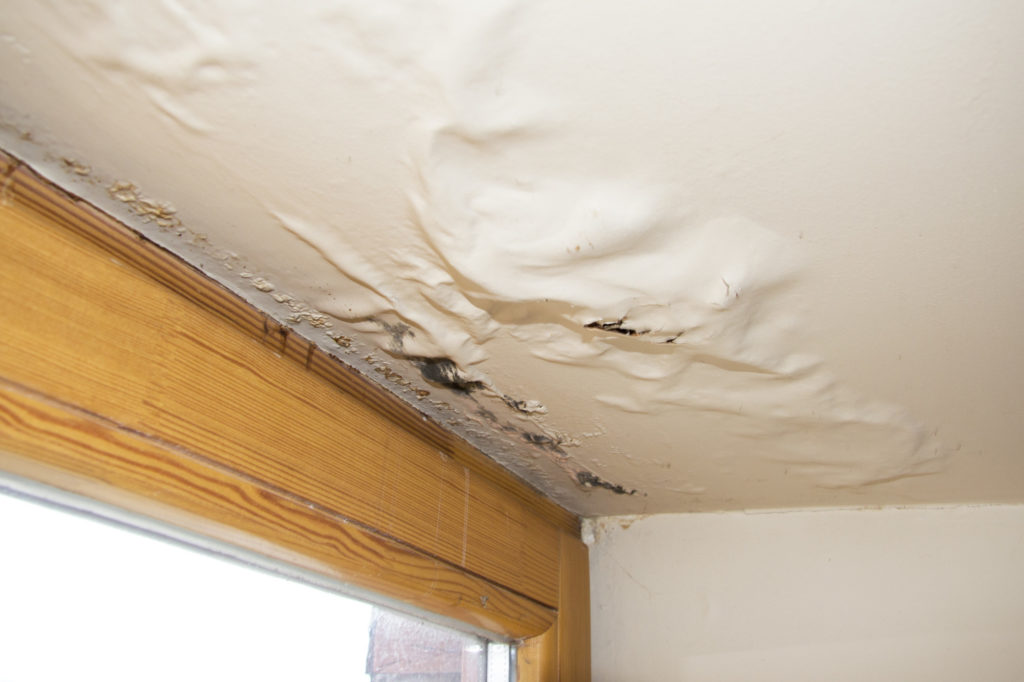
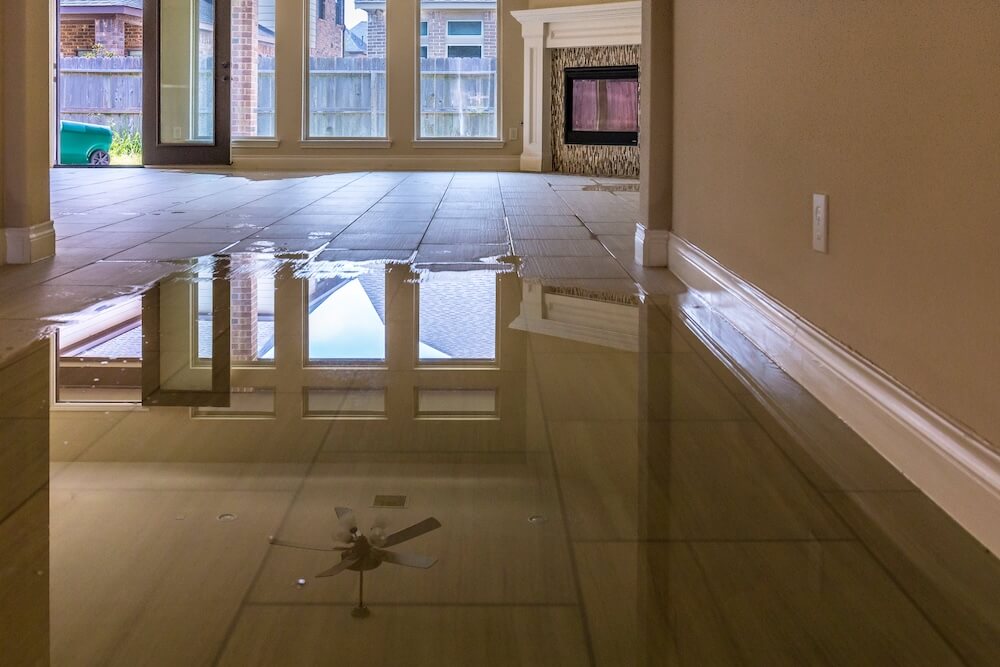
- Environmental sensors (smoke, carbon monoxide, water leak detectors)
- Central control panels or mobile apps
By linking these devices, homeowners gain real-time alerts, remote access, and the ability to automate responses—such as activating lights or locking doors when suspicious activity is detected. This integrated approach not only increases security but also enhances convenience and peace of mind.
Key Benefits of Multi-Device Security Setups
Adopting a system that leverages multiple devices provides several advantages over single-device solutions:
- Comprehensive Coverage: Multiple entry points, blind spots, and vulnerable areas are monitored simultaneously.
- Redundancy: If one device fails, others continue to provide protection, reducing the risk of a security lapse.
- Smart Automation: Devices can trigger each other, such as cameras recording when a door sensor is tripped.
- Remote Monitoring: Access live feeds, receive alerts, and control your system from anywhere via smartphone apps.
- Customizable Alerts: Set up notifications for specific events, such as doors opening at unusual times or smoke detected in the kitchen.
These features make integrated setups ideal for busy families, frequent travelers, and anyone seeking a proactive approach to home safety.

Choosing the Right Devices for Your Home
Every home is unique, so the ideal combination of devices will depend on your property’s layout, lifestyle, and specific security concerns. Here are some tips to help you build an effective system:
- Assess Entry Points: Identify all doors, windows, and possible access routes. Place sensors and cameras where they can cover these areas.
- Consider Environmental Risks: Add smoke, carbon monoxide, and water leak detectors to protect against non-intrusion threats.
- Prioritize Connectivity: Choose devices that communicate with each other and can be managed from a single app or hub.
- Look for Expandability: Opt for systems that allow you to add more devices as your needs change.
- Check Compatibility: Ensure new devices work with your existing smart home ecosystem, whether it’s Alexa, Google Home, or Apple HomeKit.
For a deeper dive into advanced features, the article on next-generation home security systems highlights must-have capabilities for modern setups.
How Multi-Device Systems Work Together
One of the main strengths of these setups is their ability to coordinate responses. For example, if a motion sensor detects movement at night, it can trigger outdoor lights, start camera recording, and send an alert to your phone. Some systems also allow for proactive monitoring, where a professional team can verify alarms and contact authorities if needed. This layered approach reduces false alarms and increases the chances of stopping threats before they escalate.
Integrating energy monitoring devices, such as the Emporia Energy Monitor, can also help you track power usage and detect unusual activity, like a sudden spike that could indicate tampering or malfunction. Combining security and energy management provides a holistic view of your home’s safety and efficiency.

Installation and Maintenance Tips
Setting up a network of security devices doesn’t have to be complicated. Many systems are designed for DIY installation, with wireless components and straightforward instructions. Here are some best practices:
- Follow Manufacturer Guidelines: Each device may have specific placement and setup requirements for optimal performance.
- Test Regularly: Check sensors, alarms, and cameras monthly to ensure they’re working correctly.
- Update Software: Keep apps and device firmware up to date to benefit from security patches and new features.
- Secure Your Network: Use strong passwords and enable two-factor authentication on your smart home accounts.
- Review Activity Logs: Monitor system logs for unusual activity or device errors.
For those looking to automate more than just security, home maintenance automation tools can help streamline other aspects of home management.
Enhancing Protection with Proactive Monitoring
While self-monitoring is convenient, some homeowners prefer the added assurance of professional oversight. Proactive video monitoring services can watch over your property 24/7, verify alarms, and dispatch help when needed. According to proactive video monitoring for home security, this approach reduces false alarms and ensures a faster response to genuine threats. When selecting a monitoring service, look for options that integrate seamlessly with your chosen devices and offer transparent pricing.
Additional Considerations for a Safer Home
Modern protection systems can do more than deter intruders. They help maintain a healthy and efficient living environment. For example, integrating home hygiene protection systems can keep your space germ-free, while smart energy monitors help you save on utility bills. The flexibility of multi-device setups means you can tailor your system to address security, safety, and comfort all at once.
Frequently Asked Questions
What devices are typically included in a multi-device home protection system?
Common components include smart door and window sensors, motion detectors, indoor and outdoor cameras, smart locks, environmental sensors (such as smoke and carbon monoxide detectors), and a central hub or mobile app for control. Some systems also integrate energy monitors and automation devices for enhanced functionality.
Can I install a multi-device security system myself, or do I need professional help?
Many modern systems are designed for easy DIY installation, with wireless devices and step-by-step instructions. However, if your setup is complex or you want professional monitoring, you may choose to hire a certified installer for optimal placement and integration.
How do I ensure my home security devices remain secure from hackers?
To protect your smart home devices, use strong, unique passwords for each account, enable two-factor authentication, keep device firmware updated, and secure your Wi-Fi network with encryption. Regularly review device activity logs and manufacturer security recommendations.