Every homeowner wants to keep their living space secure and free from unexpected disasters. While some incidents are unavoidable, many common household emergencies can be minimized or even prevented with the right preparation and ongoing vigilance. By focusing on preventing home emergencies through practical steps, you can protect your property, your loved ones, and your peace of mind.
This guide covers essential strategies for reducing risks, from fire and water damage to break-ins and electrical hazards. We’ll explore how technology, regular maintenance, and smart habits all play a role in creating a safer environment. For those interested in the latest innovations, resources like next-generation home security systems offer valuable insights into advanced protection options.
Why Proactive Measures Matter for Household Safety
Taking action before problems arise is the most effective way to avoid costly and dangerous situations at home. Proactive steps not only reduce the likelihood of emergencies but also help you respond more effectively if something does go wrong. Whether it’s installing alarms, scheduling inspections, or simply building safer habits, prevention is always less stressful and less expensive than dealing with the aftermath of an incident.
Smart Security: The First Line of Defense
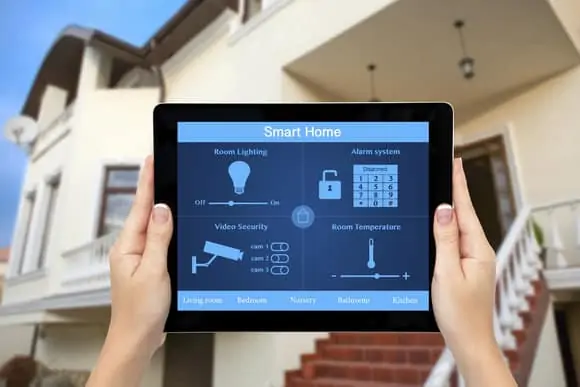
Modern security systems are more accessible and powerful than ever. Investing in the right equipment can deter intruders, alert you to hazards, and even automate emergency responses. Here are some key components to consider for preventing home emergencies related to break-ins and unauthorized access:
- Smart alarms: Wireless systems can be easily installed and monitored from your phone.
- Surveillance cameras: Visible cameras outside your home act as a deterrent and provide evidence if needed.
- Motion sensors: These can trigger lights or alerts, making it harder for intruders to go unnoticed.
- Remote monitoring: Many systems let you check in on your property from anywhere.

For a deeper dive into the capabilities and benefits of advanced protection, check out our overview of future of home protection technology.
Fire Prevention and Response Planning
Fires are among the most devastating household emergencies, but many can be avoided with the right precautions. Here’s how to reduce your risk:
- Install smoke detectors: Place them in every bedroom, hallway, and on each floor. Test monthly and replace batteries yearly.
- Keep fire extinguishers accessible: At least one should be in the kitchen and another near sleeping areas.
- Practice safe cooking: Never leave the stove unattended and keep flammable items away from heat sources.
- Develop an escape plan: Make sure everyone knows two ways out of each room and practice your plan regularly.
Regularly checking electrical cords and outlets for wear, and avoiding overloading circuits, also helps prevent electrical fires. Smart energy monitors can alert you to unusual consumption patterns that may indicate a problem.
Water Damage and Flood Prevention
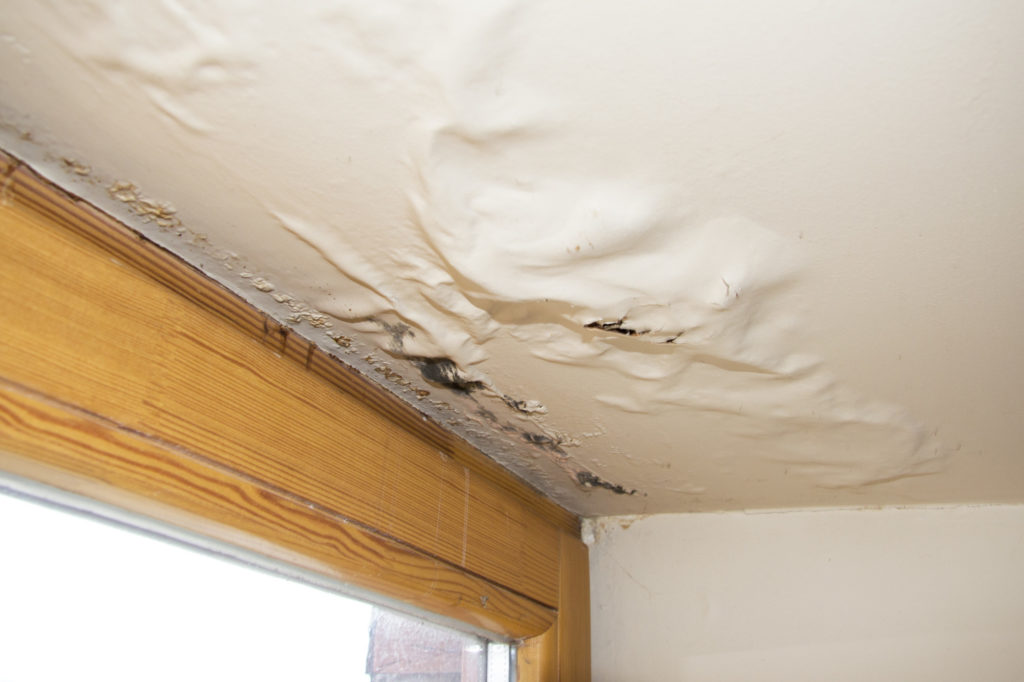
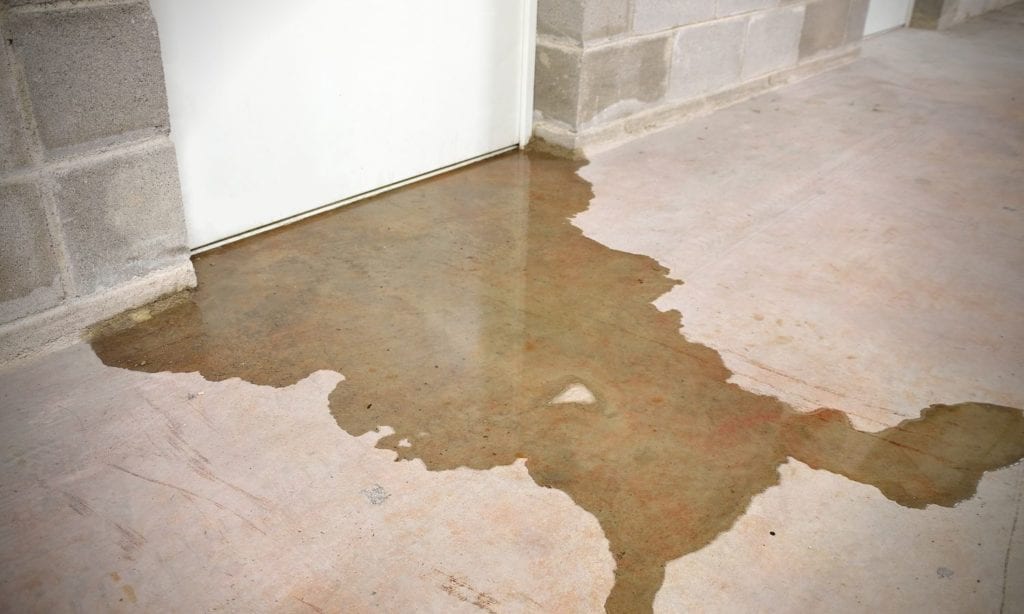
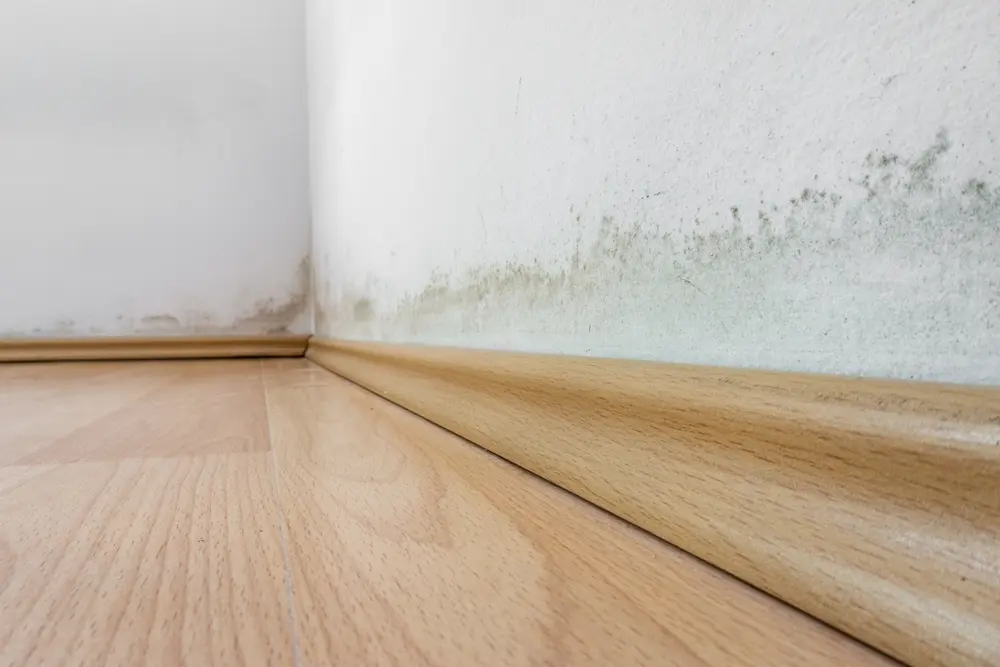
Leaks and flooding can cause significant property damage and health issues. Early detection and maintenance are key to minimizing these risks:
- Inspect plumbing: Check under sinks, around appliances, and in basements for signs of leaks or corrosion.
- Install water sensors: These devices can alert you to leaks before they become major problems.
- Maintain gutters and downspouts: Keep them clear to direct water away from your foundation.
- Know your main shutoff valve: Make sure everyone in the house knows how to turn off the water supply in an emergency.
Smart home technology can help here as well, with automated shutoff valves and real-time alerts for moisture detection. For more on integrating technology into your maintenance routine, see our guide to home maintenance automation tools.
Electrical Safety and Power Management
Electrical hazards can lead to fires, shocks, or appliance damage. To keep your home safe:
- Schedule professional inspections: Have a licensed electrician check your wiring, especially in older homes.
- Use surge protectors: Protect sensitive electronics from power spikes.
- Don’t ignore warning signs: Flickering lights, warm outlets, or tripped breakers should be addressed promptly.
- Upgrade outdated panels: Modern circuit breakers offer better protection than old fuse boxes.
Energy monitoring devices can provide insights into your home’s power usage, helping you spot irregularities and prevent overloads.

Health and Hygiene Protection
Maintaining a clean and healthy environment is another aspect of preventing home emergencies. Poor hygiene can lead to the spread of illness or pest infestations. Consider these steps:
- Regular cleaning: Focus on high-touch surfaces and shared spaces.
- Ventilation: Use exhaust fans and open windows to reduce indoor air pollutants.
- Pest control: Seal entry points and address food storage to keep unwanted visitors out.
For more strategies on keeping your home germ-free, see our article on home hygiene protection systems.
Leveraging Technology for Safer Living
Smart home devices are transforming the way we approach household safety. From real-time alerts to automated responses, technology can help you stay ahead of potential emergencies. Explore comprehensive guides like the smart home security guide for tips on choosing and setting up the right systems for your needs.
Integrating these solutions with your daily routines can make preventing home emergencies more manageable and effective. Many homeowners also benefit from exploring smart homeowner solutions for a holistic approach to comfort and security.
Routine Maintenance: Your Ongoing Safety Net
Consistent upkeep is essential for minimizing risks. Create a maintenance schedule that includes:
- Testing alarms and detectors monthly
- Inspecting plumbing and electrical systems seasonally
- Cleaning gutters and downspouts twice a year
- Reviewing your emergency plans annually
Documenting your checks and repairs can help you spot patterns and address small issues before they become emergencies.
FAQ: Common Questions About Reducing Household Risks
What are the most important steps for preventing fires at home?
Install and regularly test smoke detectors, keep fire extinguishers accessible, avoid leaving cooking unattended, and ensure electrical systems are in good condition. Practicing an escape plan with your family is also crucial.
How can I protect my home from water damage?
Inspect plumbing for leaks, install water sensors, maintain gutters, and know how to shut off your main water supply. Smart devices can provide early warnings to help you act quickly.
Are smart security systems worth the investment?
Yes, modern security systems offer features like remote monitoring, instant alerts, and integration with other smart devices. They can deter intruders and help you respond faster to emergencies, making them a valuable addition to your safety strategy.
How often should I review my home safety plan?
Review your safety plan at least once a year, or whenever there are changes in your household. Regular practice ensures everyone knows what to do in an emergency.